Carnosic Acid
Carnosic acid is a phenolic diterpene of the abietane class, formula C20H28O4, and it is the principal antioxidant constituent of rosemary leaf and of common sage. It is the marker compound against which rosemary antioxidant extracts are standardised.
In food systems it functions as a primary antioxidant, quenching lipid peroxyl radicals through its two adjacent phenolic hydroxyl groups on the catechol ring. Oxidation converts it stepwise into carnosol, rosmanol and epirosmanol, which are themselves active, so the material continues to protect a fat after the parent compound has been partly consumed. Being lipophilic, it concentrates at the oil phase and at the oil-water interface, which is where lipid oxidation actually spreads.
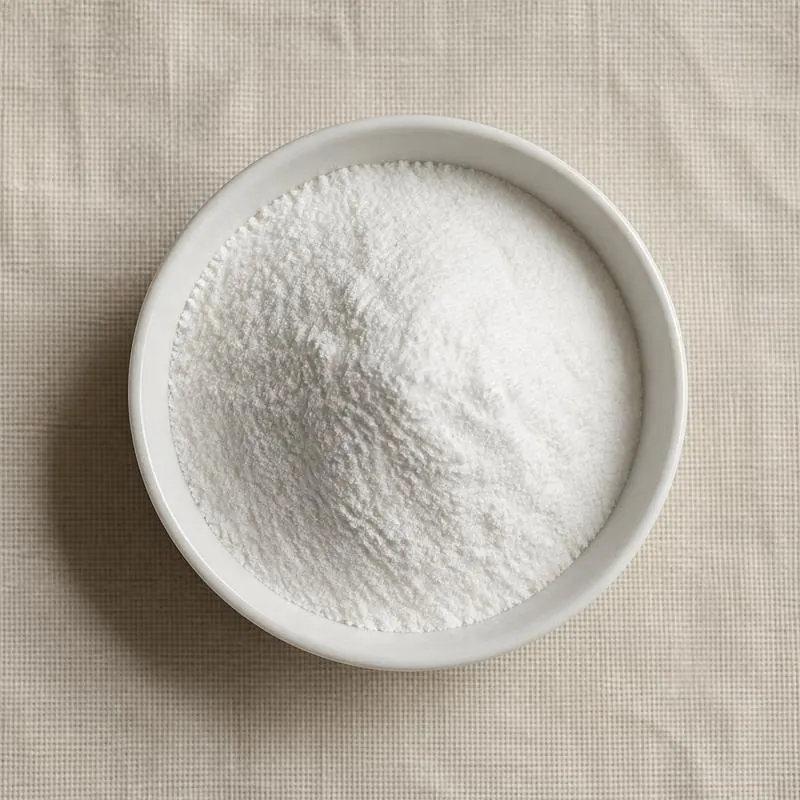
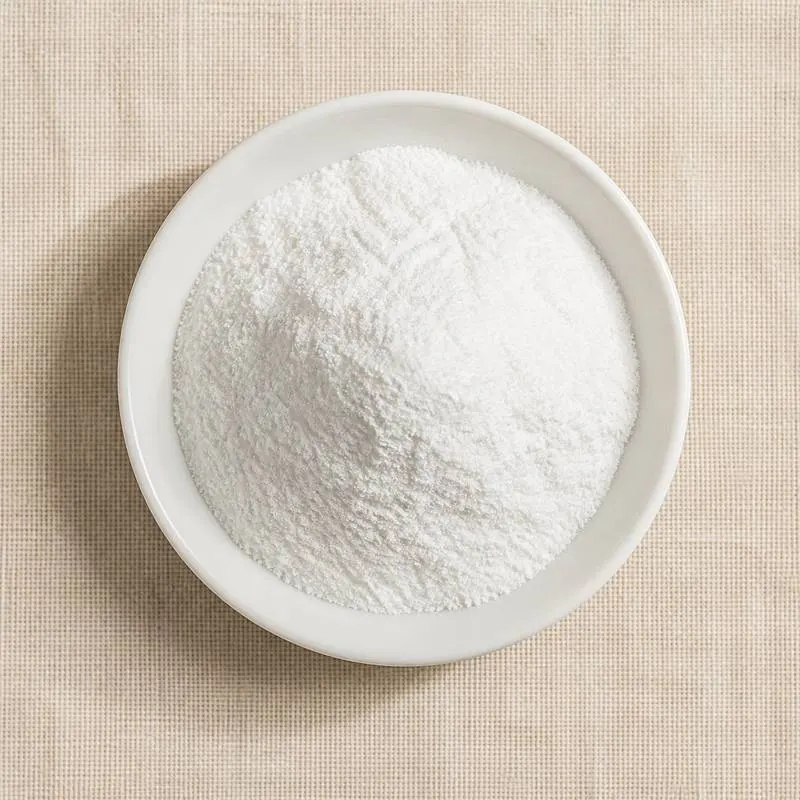
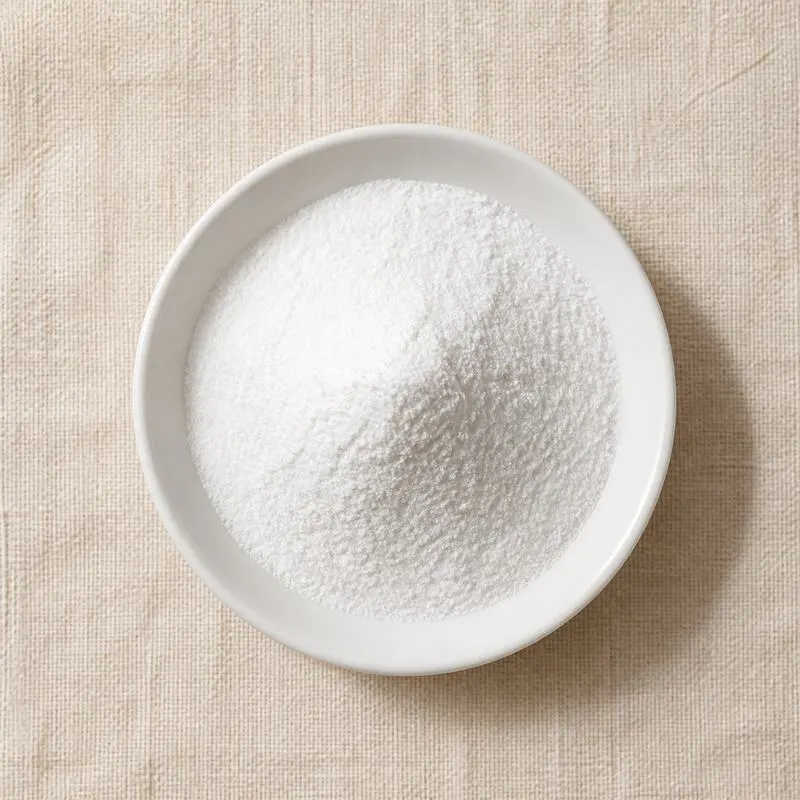
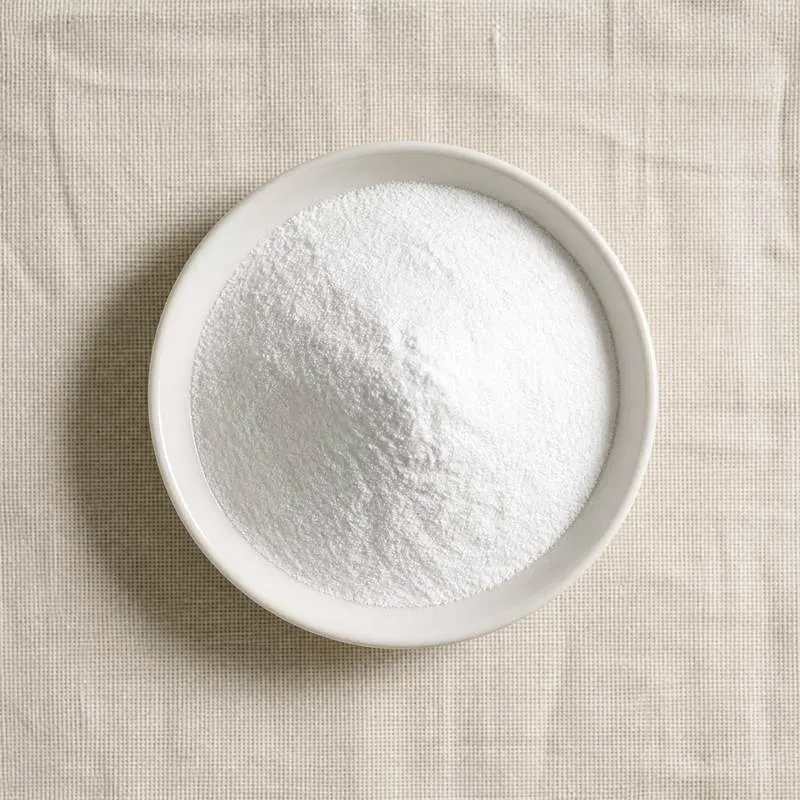
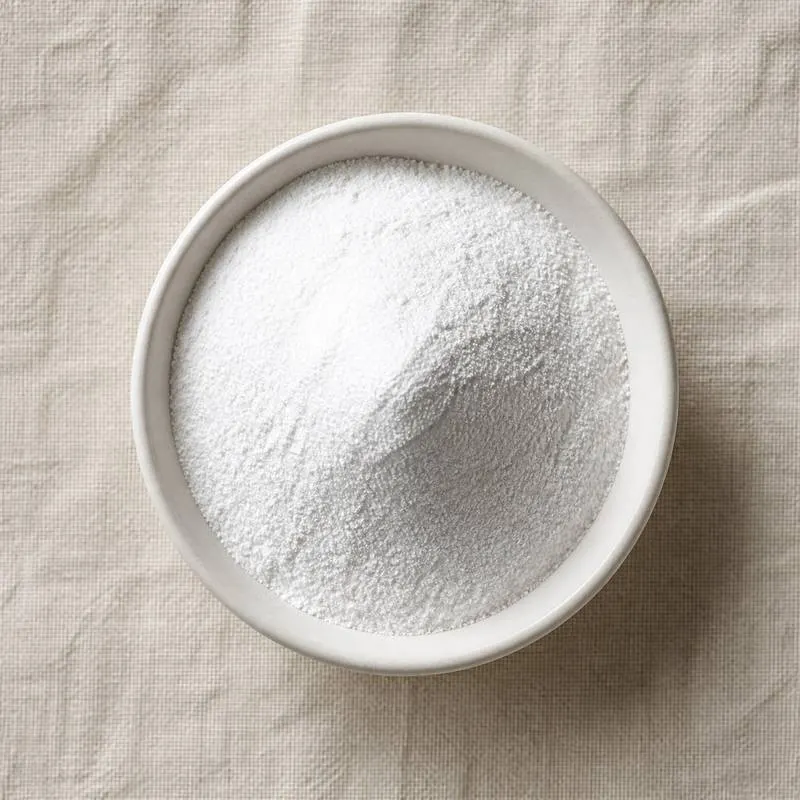
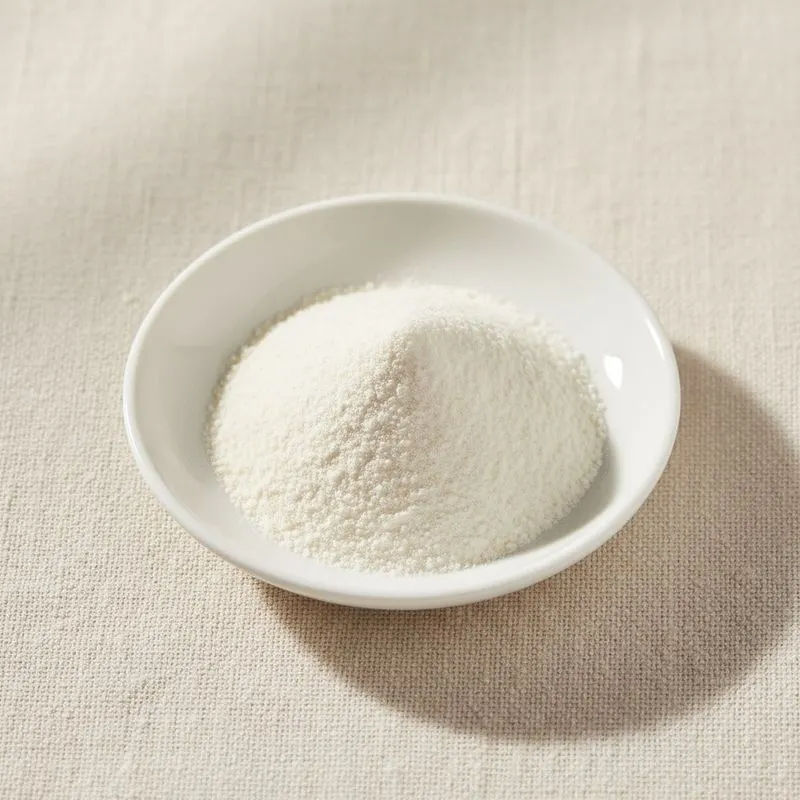
Commercial material is an off-white to light tan or pale green powder, depending on how far the extract has been decolourised. It is practically insoluble in water and dissolves in ethanol, acetone and edible oils, so it is dosed into the fat phase or as an ethanolic or oil dispersion. It tolerates frying and baking temperatures better than most natural phenolics, which is the basis of its use in cooking oils, although prolonged exposure to light and air degrades it in storage.
We source bulk Carnosic Acid from top China manufacturers for our partners. The manufacturers are in Guangdong and Henan. A smaller requirement can ship in a combined container with other ingredients.
Please send the grade you need, the volume and your destination port, and we will come back with a solution and a price.
or call +86-21-6858 0751
Specifications
| Item | Specification |
|---|---|
| Appearance | Off-white to light tan fine powder |
| Odour | Slight characteristic herbal, deodorised grades near neutral |
| Carnosic acid by HPLC | Conforms to declared grade, typically 5% to 60% |
| Carnosic acid plus carnosol | Reported on certificate for each lot |
| Identification | HPLC retention time and ultraviolet spectrum match reference standard |
| Loss on drying | 5.0% max |
| Sulphated ash | 5.0% max |
| Residual solvent, ethanol | 5000 mg/kg max |
| Heavy metals as Pb | 10 mg/kg max |
| Lead | 2 mg/kg max |
| Arsenic | 1 mg/kg max |
| Total plate count | 1000 cfu/g max |
| Yeast and mould | 100 cfu/g max |
| E. coli and Salmonella | Absent in 25 g |
Common Markets Grades
The material is traded almost entirely as a standardised rosemary extract rather than as an isolated compound. Common declarations run from 5 and 10 percent carnosic acid for deodorised, decolourised grades intended for delicate applications, through 25 and 40 percent, to 60 percent and above for concentrates used at low dosage. Higher purity isolates in the 90 percent range exist for analytical reference and nutraceutical work but are not typical of food volumes.
Grades differ as much in what has been removed as in assay. Water and steam deodorised grades carry little of the pine and camphor character of rosemary and are chosen where flavour neutrality matters; unrefined grades retain colour and aroma and are cheaper for dark or strongly flavoured products. Oil-dispersible liquid preparations in sunflower or medium chain triglyceride oil, water-dispersible emulsions with polysorbate or lecithin, and spray-dried powders on maltodextrin or silica carriers are all offered alongside the neat powder.
Applications
- Frying and cooking oils, slowing the formation of peroxides and polar compounds during heating
- Meat products including sausage, burger and marinated poultry, where it delays warmed-over flavour and slows the discolouration of oxidised myoglobin
- Fish and fish oil, protecting long chain polyunsaturated fatty acids that oxidise very rapidly
- Snack foods and fried extruded products, applied through the seasoning oil
- Bakery fats, fillings and laminated doughs
- Sauces, dressings and mayonnaise as an emulsion phase antioxidant
- Pet food and rendered fat, as a label-friendly replacement for synthetic phenolic antioxidants
- Encapsulated flavour oils and citrus oils, protecting terpenes during storage
- Dietary supplements and functional beverages formulated around rosemary polyphenols
Brands Using Carnosic Acid
Widely-distributed consumer products that list Carnosic Acid on the ingredient label.
Brand names, product names and logos are the property of their owners. They appear here as published evidence that the ingredient is used, taken from the brand's own label or website. Their appearance is not an endorsement, and it does not mean the brand buys from us or from any manufacturer listed on this site.
China Manufacturers of Carnosic Acid
Top Carnosic Acid manufacturers in China.
 Guangzhou Honsea Sunshine Biotech Co., Ltd.20 ingredients in the directory
- Henan Jianyuan Rosemary Products Co., Ltd.7 ingredients in the directory
Company names and logos are the property of the manufacturers themselves. They are listed here because our own directory records them as producing this ingredient. A listing is not an endorsement by them, and we do not represent them or speak on their behalf.
Regulatory Status
In the European Union the relevant authorised additive is extracts of rosemary, E 392, listed as an antioxidant under Regulation (EC) No 1333/2008. The purity specification defines the additive by its content of carnosic acid and carnosol taken together and sets limits on the extraction solvents that may be used, so a rosemary antioxidant is placed on the EU market against that specification rather than as an isolated chemical.
In the United States rosemary extracts are used in food both as spice extractives and as antioxidant preparations, with generally recognised as safe status supported by long use and by independent GRAS determinations for specific preparations; isolated carnosic acid is not the subject of its own food additive regulation. JECFA has evaluated rosemary extract as a food antioxidant, and it appears in the Codex General Standard for Food Additives as INS 392. Labelling normally declares the ingredient as rosemary extract or as an antioxidant, and the extraction solvent and any carrier must be accounted for.
Manufacturing Process
Production starts from dried rosemary leaf, which is cleaned, destemmed and milled to open the leaf tissue. The milled leaf is extracted with a food-grade solvent, most often ethanol or an ethanol and acetone mixture, or with supercritical carbon dioxide where a solvent-free claim is wanted. Supercritical extraction is usually run in two stages, a low pressure pass that strips the volatile oil and a higher pressure pass that recovers the diterpene fraction.
The crude extract is concentrated under vacuum, then refined to remove chlorophyll, waxes and residual aroma. Decolourisation uses activated carbon or adsorbent resin, deodorisation uses steam or thin film distillation, and the carnosic acid fraction may be further enriched by crystallisation from an alcohol and water mixture or by column chromatography on adsorbent resin. The enriched fraction is solvent stripped, dried under vacuum or spray dried onto a carrier, then milled and blended to the declared assay.