Chlorella Vulgaris Extract
Chlorella vulgaris extract is a concentrate prepared from the cells of Chlorella vulgaris, a unicellular green freshwater microalga of the Chlorellaceae family grown commercially in open ponds and closed photobioreactors. The whole dried alga is traded as a food in its own right, and the extract is the soluble fraction recovered from it after the rigid cell wall has been opened.
The wall is the reason an extract exists. Chlorella has a thick, cellulosic and sporopollenin containing wall that resists digestion and holds the cell contents in, so the material is either mechanically disrupted before drying or extracted after disruption. The recovered soluble fraction is rich in peptides, free amino acids, nucleotides and nucleic acid derived material, together with polysaccharide and the water soluble vitamins of the cell, and is traded in some markets under the name chlorella growth factor.
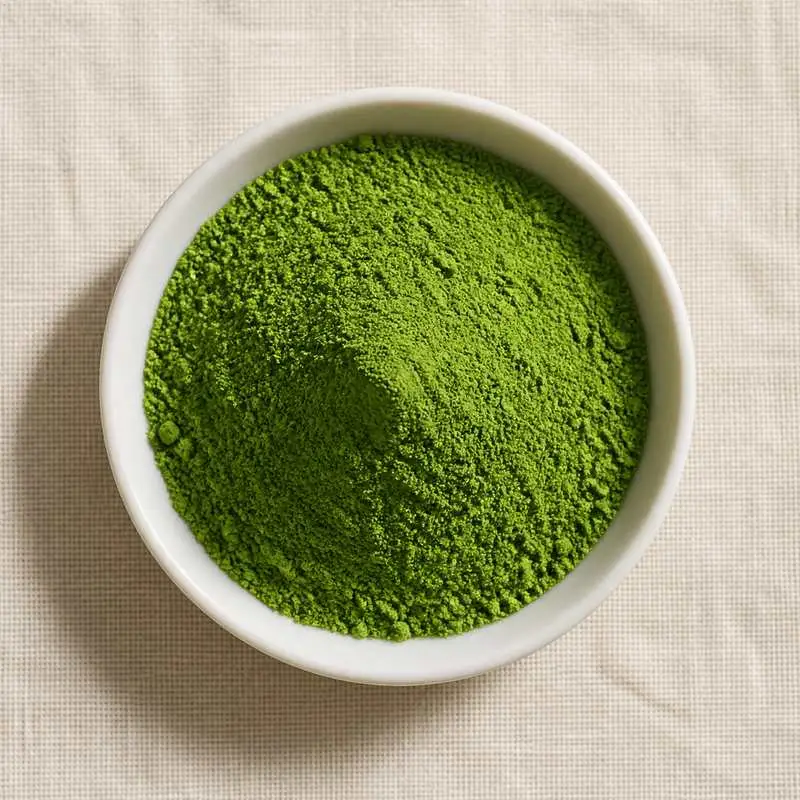
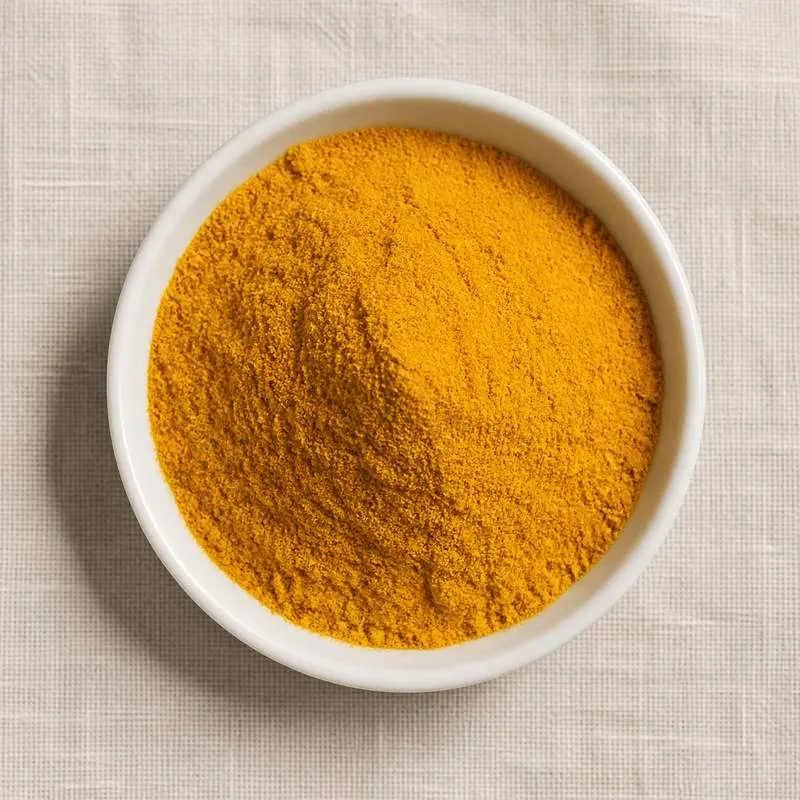
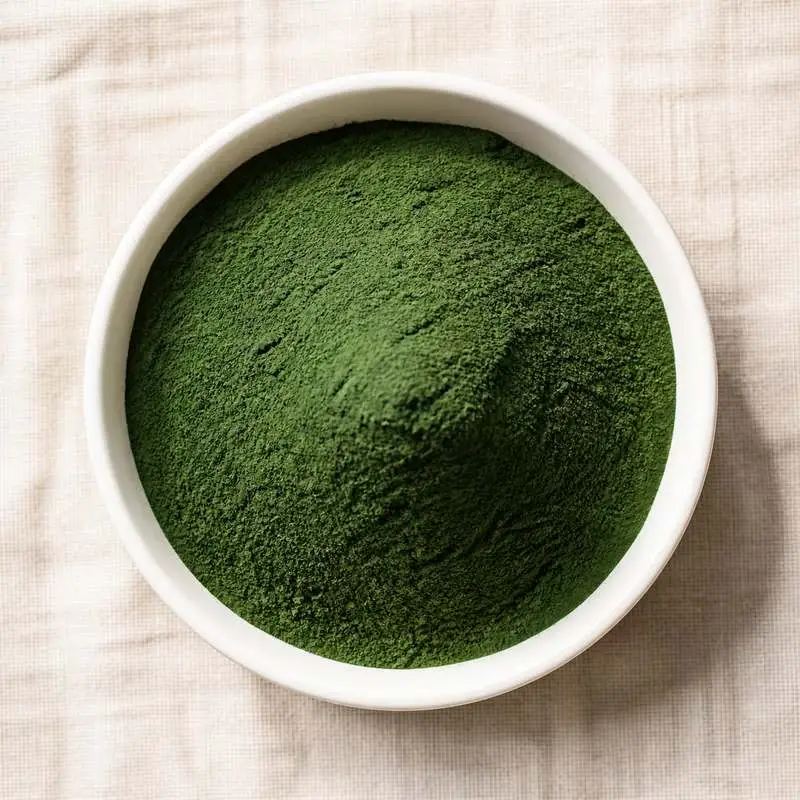
The extract is a green to dark green powder, or an off white to pale yellow powder where the chlorophyll has been removed for cosmetic work, with a characteristic marine, faintly grassy odour. It dissolves largely completely in water to a green solution, is hygroscopic, and its chlorophyll fades on exposure to light, acid and prolonged heat, which limits the systems it can colour and requires opaque packaging.
We source bulk Chlorella Vulgaris Extract from top China manufacturers for our partners. The manufacturer is in Zhejiang. A smaller requirement can ship in a combined container with other ingredients.
Please send the grade you need, the volume and your destination port, and we will come back with a solution and a price.
or call +86-21-6858 0751
- Function
- Plant extract
Specifications
| Item | Specification |
|---|---|
| Appearance | Green to dark green fine powder |
| Source | Chlorella vulgaris cultivated biomass |
| Odour and Taste | Characteristic marine, faintly grassy |
| Identification | Microscopy and chromatographic profile conforming to reference |
| Wall Broken Rate | ≥ 95% |
| Crude Protein | ≥ 50.0% |
| Chlorophyll | ≥ 2.0% |
| Particle Size | ≥ 95% through 80 mesh |
| Loss on Drying | ≤ 7.0% |
| Total Ash | ≤ 8.0% |
| pH (1% solution) | 5.5 to 7.5 |
| Lead | ≤ 2.0 mg/kg |
| Cadmium | ≤ 1.0 mg/kg |
| Mercury | ≤ 0.1 mg/kg |
| Microcystins | ≤ 1.0 μg/g |
| Total Plate Count | ≤ 50,000 cfu/g |
| Yeast and Mould | ≤ 500 cfu/g |
| Escherichia coli | Negative in 1 g |
| Salmonella | Negative in 25 g |
Common Markets Grades
The trade divides first on whether the product is whole cell or extract. Broken cell wall chlorella powder, quoted on a wall broken rate of 95 percent and above and on protein content around fifty to sixty percent, is the volume item and is a food rather than an extract. True extracts are quoted as ratio concentrates at 4:1 and 10:1, or on the soluble nucleotide peptide fraction where the growth factor designation is used.
Beyond that, lots divide on cultivation route, since photobioreactor grown material carries a lower microbiological and contaminant load than open pond material but costs considerably more, and on whether the algae were grown phototrophically or heterotrophically on a sugar feed, the latter giving a paler, lower chlorophyll biomass. Decolourised extracts for cosmetic use are separate items. Powders run at 80 mesh, carrier free or on maltodextrin, with tablet grade material granulated for direct compression. Organic certification is available, and heavy metal and microcystin testing is a standard part of the specification because algal biomass concentrates metals and open ponds can be contaminated by cyanobacteria.
Applications
- Tablets and capsules in the supplement trade, the dominant outlet, sold on protein and chlorophyll content
- Powdered greens blends and nutrition drink mixes, where the extract dissolves without the sediment whole cell powder leaves
- Functional beverages and shots, using the soluble extract so no settling occurs on standing
- Nutrition bars and chews, dosed for both the nutritional profile and the green colour
- Plant based nutrition products, contributing algal protein and vitamin B12 analogues to a formulation
- Noodles, pasta and bakery products, where the whole cell powder colours the dough green
- Skin care serums and creams, using the decolourised extract in the water phase
- Aquaculture and animal feed, applied as a microalgal protein and pigment source
- Cosmetic hair care, where the peptide fraction is the formulation basis
Brands Using Chlorella Vulgaris Extract
Widely-distributed consumer products that list Chlorella Vulgaris Extract on the ingredient label.
Brand names, product names and logos are the property of their owners. They appear here as published evidence that the ingredient is used, taken from the brand's own label or website. Their appearance is not an endorsement, and it does not mean the brand buys from us or from any manufacturer listed on this site.
China Manufacturers of Chlorella Vulgaris Extract
Top Chlorella Vulgaris Extract manufacturers in China.

Company names and logos are the property of the manufacturers themselves. They are listed here because our own directory records them as producing this ingredient. A listing is not an endorsement by them, and we do not represent them or speak on their behalf.
Regulatory Status
In the United States, Chlorella and its extracts are marketed as dietary ingredients under the Dietary Supplement Health and Education Act, with finished products manufactured under 21 CFR Part 111, and dried chlorella is also used as a food. There is no specific food additive listing for the material, and Chlorella derived colour is not among the colour additives listed as exempt from certification, so the green colour it gives a food has to be considered against the colour additive rules. Heavy metal and toxin control is the practical enforcement issue on imported algal biomass.
In the European Union Chlorella vulgaris has a history of consumption as a food before the novel food cut off date and is recorded as such, so conventional dried biomass and water extracts are marketed as foods rather than as novel foods, while preparations from other production routes or of markedly different composition are assessed case by case under the novel food regulation. The material is not an authorised food additive, so no E number applies, and health claims for the alga are unauthorised. Contaminant limits for lead, cadmium and mercury in food supplements apply, and buyers routinely require a microcystin screen. Codex has no commodity standard for chlorella and JECFA has issued no additive specification for it.
Manufacturing Process
Chlorella is cultivated in open raceway ponds or in closed photobioreactors on a mineral medium with carbon dioxide, or heterotrophically in fermenters on a sugar feed. The culture is harvested when the cell density peaks, and the biomass is separated from the growth medium by centrifugation or membrane filtration and washed to remove residual salts.
The concentrated slurry is then disrupted, which is the critical step, using bead milling, high pressure homogenisation or a pressure release method that ruptures the wall without heating the contents. For whole cell products the disrupted slurry is spray dried or drum dried directly at this point. For extracts the disrupted slurry is held with hot water, sometimes with an added cellulase or protease to complete the release, and the insoluble wall debris is separated by centrifugation and filtration. The clarified liquor is concentrated under vacuum at low temperature and spray dried, alone or onto maltodextrin. Where a decolourised grade is required an ethanol wash or an adsorption step removes the chlorophyll before drying. The powder is sieved, tested for heavy metals and cyanobacterial toxins, and packed in foil laminate bags inside fibre drums.