Citrus Flavonoid Extract
Citrus flavonoid extract is a concentrate of the flavonoid fraction of Citrus fruit, recovered almost entirely from the peel, pith and immature fruit left over from juice production. The flavonoids concerned are flavanone glycosides, structurally distinct from the flavonols and anthocyanins of other fruit, and they occur in citrus at levels high enough to make peel a practical industrial source.
Four compounds dominate the trade. Hesperidin, a rutinoside of hesperetin, is the principal flavonoid of sweet orange and lemon peel and is the volume item. Naringin, a neohesperidoside of naringenin, is the bitter compound of grapefruit and of immature bitter orange. Neohesperidin and its dihydrochalcone derivative, and diosmin, prepared by oxidising hesperidin, complete the group. The extract sold as citrus bioflavonoids is a mixture of these together with polymethoxyflavones such as tangeretin and nobiletin.
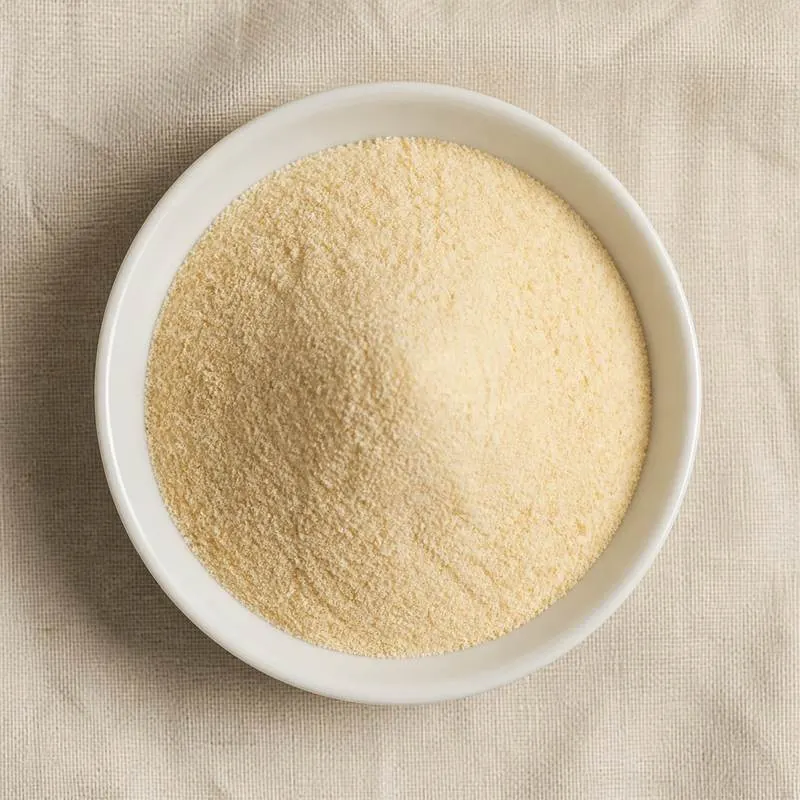
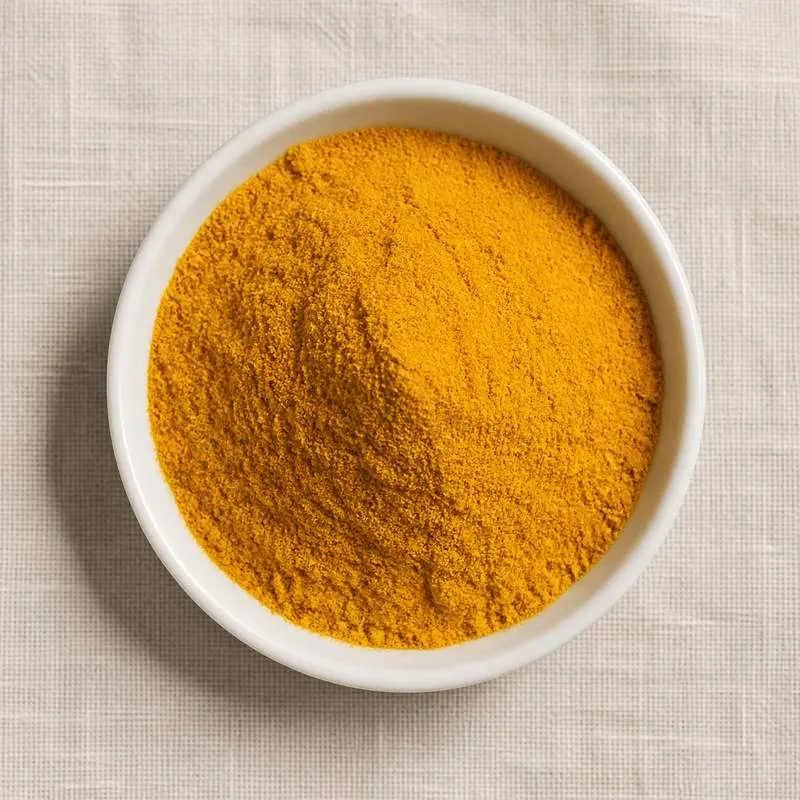
The powder runs off white to pale yellow or light brown, faintly bitter or, in naringin rich grades, distinctly so. The flavanone glycosides are only sparingly soluble in water at neutral pH and dissolve readily in dilute alkali and in aqueous ethanol, so hesperidin in particular is prone to sedimenting out of a beverage on standing and is used micronised, as a soluble derivative or as a dispersion where clarity matters.
We source bulk Citrus Flavonoid Extract from top China manufacturers for our partners. The manufacturer is in Guangdong. A smaller requirement can ship in a combined container with other ingredients.
Please send the grade you need, the volume and your destination port, and we will come back with a solution and a price.
or call +86-21-6858 0751
- Function
- Plant extract
Specifications
| Item | Specification |
|---|---|
| Appearance | Off white to pale yellow fine powder |
| Botanical Source | Citrus peel and immature fruit |
| Odour and Taste | Odourless to faintly citrus, bitter |
| Identification | HPLC retention and UV spectrum match reference standard |
| Hesperidin | ≥ 90.0% (HPLC, dried basis) |
| Total Flavonoids | ≥ 95.0% (UV) |
| Particle Size | ≥ 95% through 100 mesh |
| Loss on Drying | ≤ 5.0% |
| Residue on Ignition | ≤ 2.0% |
| pH (1% suspension) | 5.0 to 7.5 |
| Residual Ethanol | ≤ 0.5% |
| Heavy Metals (as Pb) | ≤ 10 mg/kg |
| Lead | ≤ 2.0 mg/kg |
| Arsenic | ≤ 1.0 mg/kg |
| Total Plate Count | ≤ 1,000 cfu/g |
| Yeast and Mould | ≤ 100 cfu/g |
| Escherichia coli | Negative in 1 g |
| Salmonella | Negative in 25 g |
Common Markets Grades
The trade quotes purity by HPLC on the named compound. Hesperidin is offered at 80, 90, 95 and 98 percent, naringin at 95 and 98 percent, neohesperidin at 95 percent and above, and diosmin at 90 to 95 percent, and the last of these is a semi synthetic product rather than a direct extract. Mixed citrus bioflavonoid grades are quoted on total flavonoids at 25, 40 or 60 percent with the hesperidin figure stated separately, since it usually makes up most of the total.
Beyond assay, lots divide on particle size, with micronised grades used specifically to slow sedimentation in beverages, and on solubility modification, since soluble hesperidin preparations made by glycosylation or complexation are traded as distinct items. Neohesperidin dihydrochalcone, a high intensity sweetener and flavour modifier derived from neohesperidin, is a separate product with its own additive status. Organic certified material is available from certified peel supply, and the citrus species and fruit part are stated because the flavonoid profile follows them directly.
Applications
- Capsule and tablet supplements, particularly vascular and circulatory formulations built around hesperidin and diosmin
- Vitamin C products, where citrus bioflavonoids are a long established companion ingredient
- Bitterness systems in beverages, where naringin supplies a controlled bitter note to tonic style and grapefruit drinks
- Sweetener blends, using neohesperidin dihydrochalcone to round the profile of high intensity sweeteners and mask their aftertaste
- Functional beverages, using micronised or solubilised hesperidin grades so no sediment forms on standing
- Fortified juices and fruit drinks, restoring flavonoids lost during clarification
- Skin care serums and creams, where the flavonoids are used for their antioxidant character
- Feed additive premixes for poultry and aquaculture, applied as a plant flavonoid source
- Analytical reference material for quantifying flavonoids in citrus products and juice authenticity work
Brands Using Citrus Flavonoid Extract
Widely-distributed consumer products that list Citrus Flavonoid Extract on the ingredient label.
- Natural FactorsCitrus Bioflavonoids plus Hesperidin Capsules ↗Each capsule lists 500 mg of citrus bioflavonoids extract from the fruit rind of lemon, orange, grapefruit, mandarin and lime, plus 150 mg hesperidin extract from orange rind.Label verified 2026-08-31
- Bluebonnet NutritionCitrus Bioflavonoid Complex 750 mg Vegetable Capsules ↗Vegetable capsule supplying 750 mg of citrus bioflavonoid complex including hesperidin, sourced from oranges, lemons, tangerines, grapefruit and limes.Label verified 2026-08-31
Brand names, product names and logos are the property of their owners. They appear here as published evidence that the ingredient is used, taken from the brand's own label or website. Their appearance is not an endorsement, and it does not mean the brand buys from us or from any manufacturer listed on this site.
China Manufacturers of Citrus Flavonoid Extract
Top Citrus Flavonoid Extract manufacturers in China.
Company names and logos are the property of the manufacturers themselves. They are listed here because our own directory records them as producing this ingredient. A listing is not an endorsement by them, and we do not represent them or speak on their behalf.
Regulatory Status
In the United States, citrus bioflavonoid preparations are marketed as dietary ingredients under the Dietary Supplement Health and Education Act, with finished products manufactured under 21 CFR Part 111. Naringin and neohesperidin dihydrochalcone are recognised as flavouring materials by the Flavour and Extract Manufacturers Association, and neohesperidin dihydrochalcone has been the subject of a generally recognised as safe determination for use as a flavour modifier. Hesperidin itself has no separate food additive listing and is used as a food ingredient and dietary ingredient rather than as an additive.
In the European Union neohesperidin dihydrochalcone is an authorised food additive as E 959, permitted as a sweetener and flavour enhancer in specified categories with a defined specification, while hesperidin, naringin and diosmin are not food additives and carry no E numbers, being used as food supplement ingredients instead. Citrus peel extracts have a history of consumption in the Union, so conventional preparations are not novel foods, though highly purified single compounds and enzymatically modified soluble derivatives may fall within the novel food regulation. Codex covers neohesperidin dihydrochalcone as a sweetener in the general standard for food additives, and JECFA has issued a specification for it.
Manufacturing Process
Wet peel, pith and immature dropped fruit from a juice plant are milled and extracted with hot water or dilute alkali, with the alkaline route used for hesperidin because the glycoside dissolves far more readily as its phenolate. The liquor is separated from the solids by pressing and decanting and screened to remove pulp and fine fibre.
For hesperidin the alkaline liquor is acidified, which drops the flavonoid out of solution as a fine pale precipitate that is collected by centrifugation or filter press, washed with water to remove salts, and purified by redissolving in dilute alkali or aqueous ethanol, treating with activated carbon and reprecipitating or recrystallising. For naringin the aqueous liquor is loaded onto a macroporous adsorption resin, washed to remove sugars and organic acids, eluted with aqueous ethanol, concentrated under vacuum and crystallised. Diosmin is produced from purified hesperidin by chemical oxidation followed by recrystallisation. In every case the purified solid is dried under vacuum at moderate temperature, milled or micronised to the target particle size, sieved, assayed and packed in double food grade liners inside fibre drums.