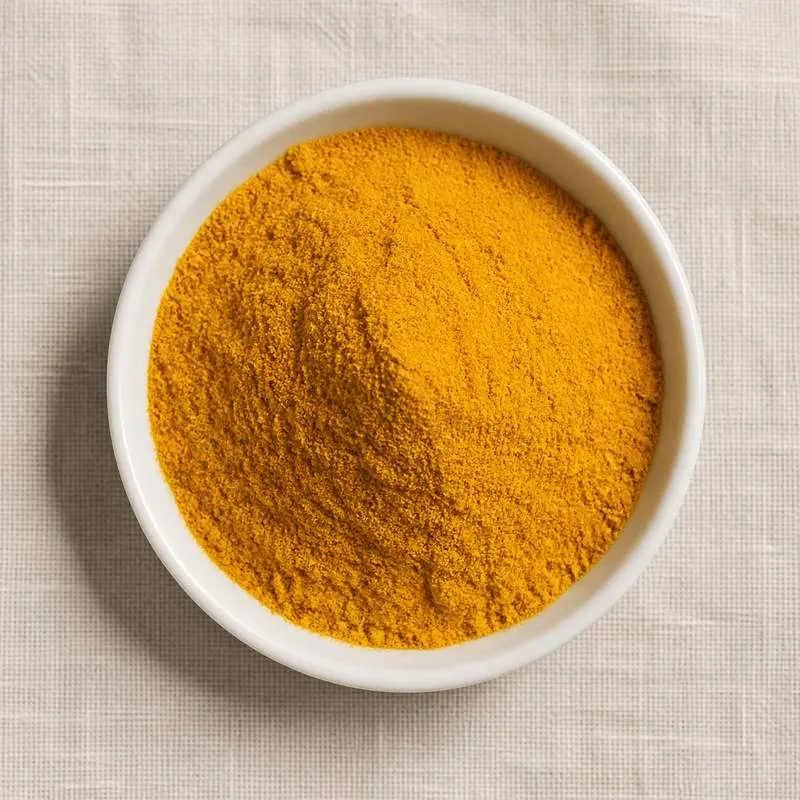
Citrus Bioflavonoids
Citrus Bioflavonoids is a mixed flavonoid concentrate obtained from the peel, pith, and segment membranes of Citrus species, most often C. sinensis, C. aurantium, and C. limon.
The fraction is characterised by its content of hesperidin, diosmin, naringin, neohesperidin, narirutin, and eriocitrin, with smaller amounts of rutin and quercetin glycosides accompanying the main markers.
We source bulk Citrus Bioflavonoids from top China manufacturers for our partners. The manufacturer is in Sichuan. A smaller requirement can ship in a combined container with other ingredients.
Please send the grade you need, the volume and your destination port, and we will come back with a solution and a price.
or call +86-21-6858 0751
- Packaging
- 25 kg kraft paper bag with PE inner liner
- Function
- Plant extract
- ISO 9001
- HACCP
- Halal
- Kosher
Specifications
Grades / Types Available: Pharmaceutical Grade, Food Grade
| Item | Specification |
|---|---|
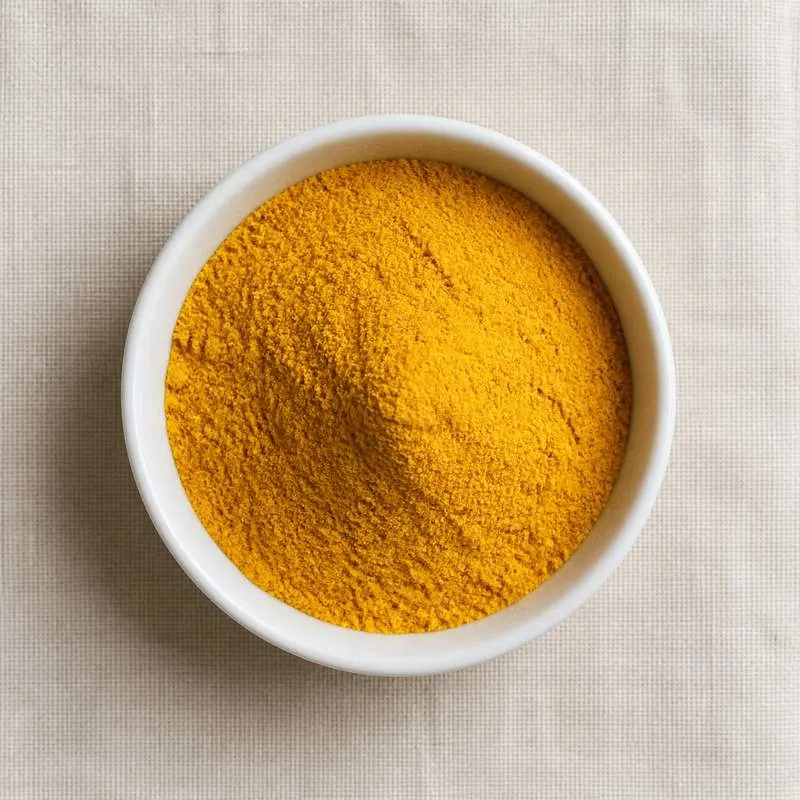
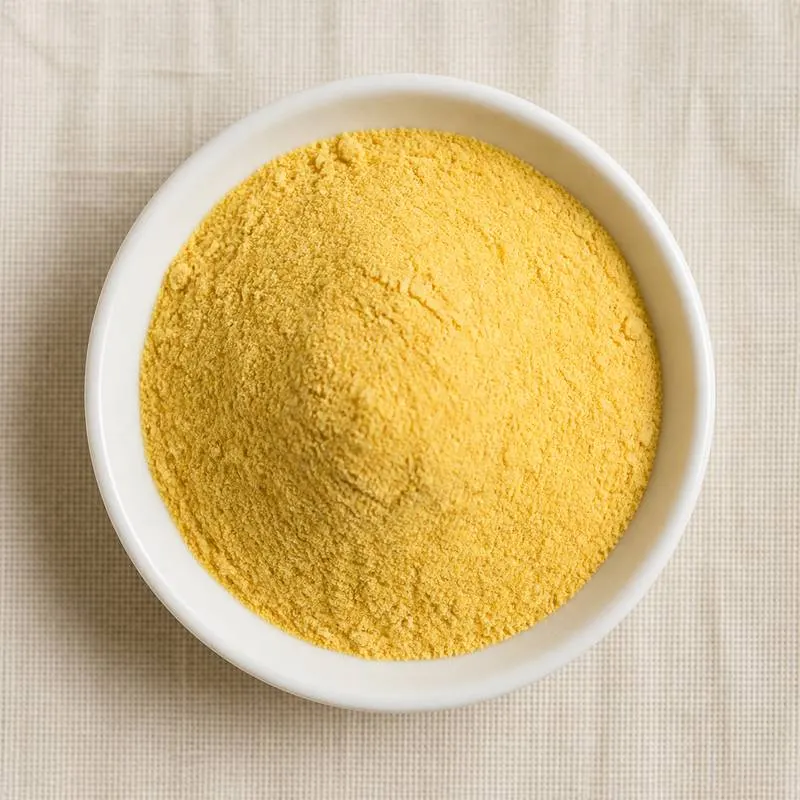
| Appearance | Yellow to light orange powder |
| Assay (Total Bioflavonoids) | ≥ 50% / 60% / 80% (UV) |
| Hesperidin Content | ≥ 25% (HPLC) |
| Particle Size | 95% pass 80 mesh |
| Moisture | ≤ 5.0% |
| Heavy Metals | ≤ 10 ppm |
| Purity/Assay | 90% min |
| Moisture/Loss on Drying | 5% max |
| pH | 4.5 - 6.5 |
| Lead | 1 ppm max |
| Arsenic | 1 ppm max |
| Total Plate Count | 1000 cfu/g max |
| Yeast & Mold | 100 cfu/g max |
Common Markets Grades
Catalogue grades are defined by total bioflavonoid assay and by the identity of the main marker.
A 40 to 50 percent total flavonoid powder is the standard grade for vascular-support supplements and is sold under the historic name 'vitamin P complex'.
60 percent and 80 percent hesperidin-led grades are produced from sweet orange peel for cardiovascular formulas and for nutricosmetic capsule blends.
90 to 95 percent naringin and neohesperidin grades come from bitter orange and grapefruit peel. They serve as starting materials for downstream conversion to neohesperidin dihydrochalcone, a high-intensity sweetener.
A 90 percent diosmin grade, derived by alkaline oxidation of hesperidin, is sold to pharmaceutical buyers formulating venoactive tablets.
Applications
- Venotonic and capillary-support supplements positioned around hesperidin or diosmin content
- Combination tablets with ascorbic acid sold as 'vitamin C with bioflavonoids'
- Lymphatic drainage and heavy-leg formulas in oral and topical formats
- Sports nutrition products targeting recovery and microcirculation
- Nutricosmetic capsules for skin tone, redness, and barrier comfort
- Functional beverages and shots in the cardio-wellness segment
- Confectionery bittering agents based on naringin fractions
- Starting material for neohesperidin dihydrochalcone sweetener synthesis
- Topical creams and serums where the flavonoids act as antioxidants
- Veterinary preparations for small-animal vascular and joint care
Brands Using Citrus Bioflavonoids
Widely-distributed consumer products that list Citrus Bioflavonoids on the ingredient label.
- SolgarSolgar Citrus Bioflavonoid Complex 1000 mg Tablets ↗Official Solgar product page: 1000 mg Citrus Bioflavonoids per tablet as the sole active; other ingredients microcrystalline cellulose, vegetable cellulose, vegetable stearic acid, silica, vegetable glycerin.Label verified 2026-05-24
- NOW FoodsNOW Citrus Bioflavonoids 700 mg Veg Capsules ↗Official NOW Foods page: Supplement Facts list Citrus Bioflavonoid Complex 1.4 g per 2-cap serving with Vitamin C 100 mg.Label verified 2026-05-24
- Nature's WayNature's Way Vitamin C 500 mg with Bioflavonoids ↗Official Nature's Way page: Citrus Bioflavonoid Complex (600 mg per 2-cap serving) from orange, grapefruit, lemon, lime, tangerine alongside 1000 mg Vitamin C.Label verified 2026-05-24
Brand names, product names and logos are the property of their owners. They appear here as published evidence that the ingredient is used, taken from the brand's own label or website. Their appearance is not an endorsement, and it does not mean the brand buys from us or from any manufacturer listed on this site.
China Manufacturers of Citrus Bioflavonoids
Top Citrus Bioflavonoids manufacturers in China.
Company names and logos are the property of the manufacturers themselves. They are listed here because our own directory records them as producing this ingredient. A listing is not an endorsement by them, and we do not represent them or speak on their behalf.
How We Help Source Citrus Bioflavonoids
Direct Factory Sourcing
We run the whole process: selecting the manufacturer from the top Chinese food ingredient producers, negotiating the price, verifying quality, and coordinating the logistics. You deal with us instead of with several factories at once.
Original Packaging and Documents from the Manufacturer
The manufacturer sends your Citrus Bioflavonoids out of its own factory in the original packing, through to your destination port. The COA, COO, MSDS, TDS and any certifications reach you from the manufacturer as well.
Free Samples and Lead Time
We send 100 to 500 g free for your own laboratory to test and you cover only the courier, usually within 2 to 3 working days. ETD is usually within 7 to 15 days once the order is confirmed, and we check that date against the factory's own manufacturing schedule before we give it to you.
Combined Shipment
We can load Citrus Bioflavonoids together with other ingredients such as Astaxanthin, Dehydrated Garlic and Lutein into one 20' FCL. If your quantity is small, we can also ship LCL.
Regulatory Status
Citrus Bioflavonoids are treated as food ingredients or as botanical extracts in most jurisdictions rather than as additives.
In the European Union, hesperidin from sweet orange has a positive Novel Food opinion at defined intake levels, and diosmin is registered as an active pharmaceutical ingredient in several member states.
The United States allows citrus bioflavonoid preparations as dietary ingredients under DSHEA, with a long history of use predating 1994.
Neohesperidin dihydrochalcone, the downstream sweetener, carries the European number E959 and a separate JECFA evaluation.
Pharmacopoeial monographs exist for hesperidin and for diosmin in the European Pharmacopoeia. Kosher and Halal certificates are generally available since processing uses only food-grade solvents.
Manufacturing Process
Production begins with peel and pulp residues collected from juice processing lines in Spain, Italy, Mexico, Argentina, China, and Brazil.
The wet residues are pressed, dried, and milled, then extracted with hot water or dilute aqueous ethanol. Hesperidin and diosmin precipitate on cooling because of their low water solubility, which makes them easy to recover by filtration and washing.
Naringin and neohesperidin remain in solution and are recovered by adsorption on polymeric resin, followed by ethanol elution and crystallisation.
Diosmin is rarely isolated directly. It is produced by alkaline oxidation of hesperidin, using iodine or a manganese catalyst to introduce the 2,3-double bond on the C ring.
Mixed catalogue grades are blended to a target marker content from these isolated fractions and dried to a free-flowing pale yellow powder.