Corn Dietary Fibre
Corn dietary fibre is the concentrated fibre fraction of the maize kernel, Zea mays, recovered principally from the pericarp, the tough outer bran layer separated during wet or dry milling. It is composed largely of arabinoxylan hemicellulose together with cellulose and a small quantity of lignin, and it is almost entirely insoluble, which sets it apart from the soluble corn fibre produced by controlled hydrolysis of starch and sold as resistant dextrin.
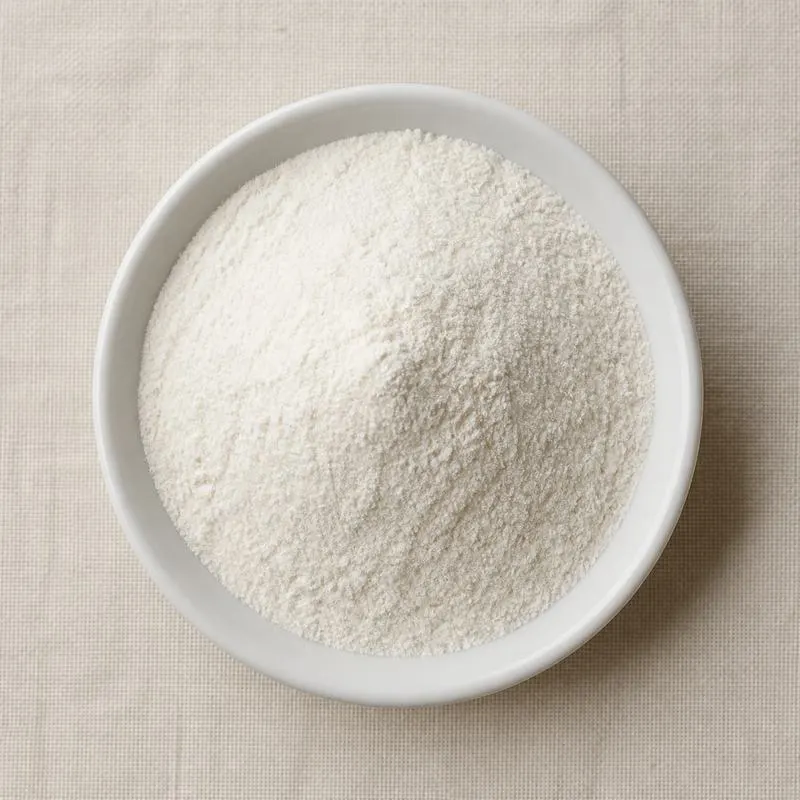
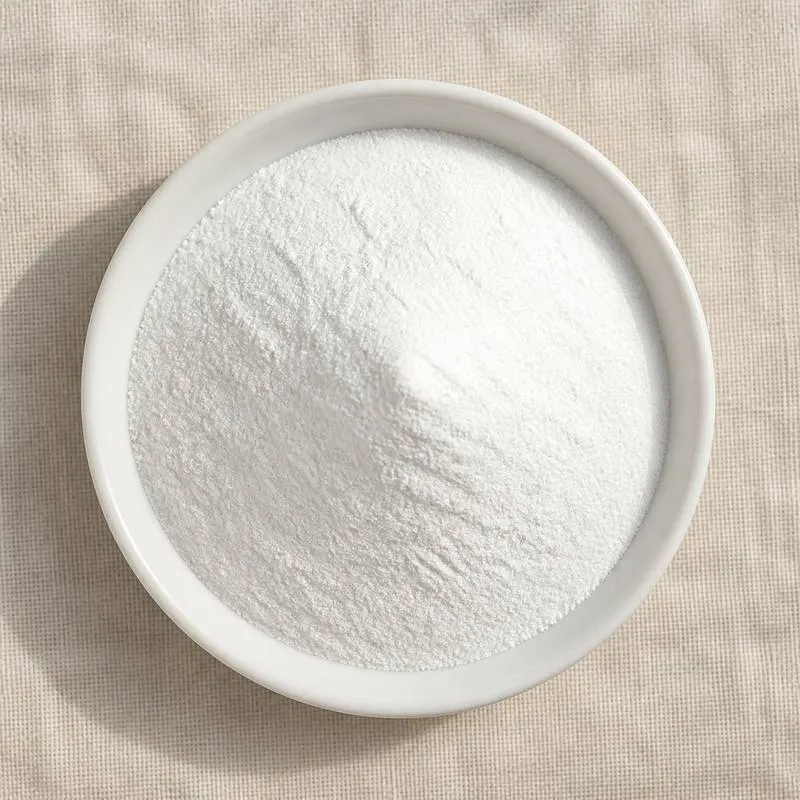
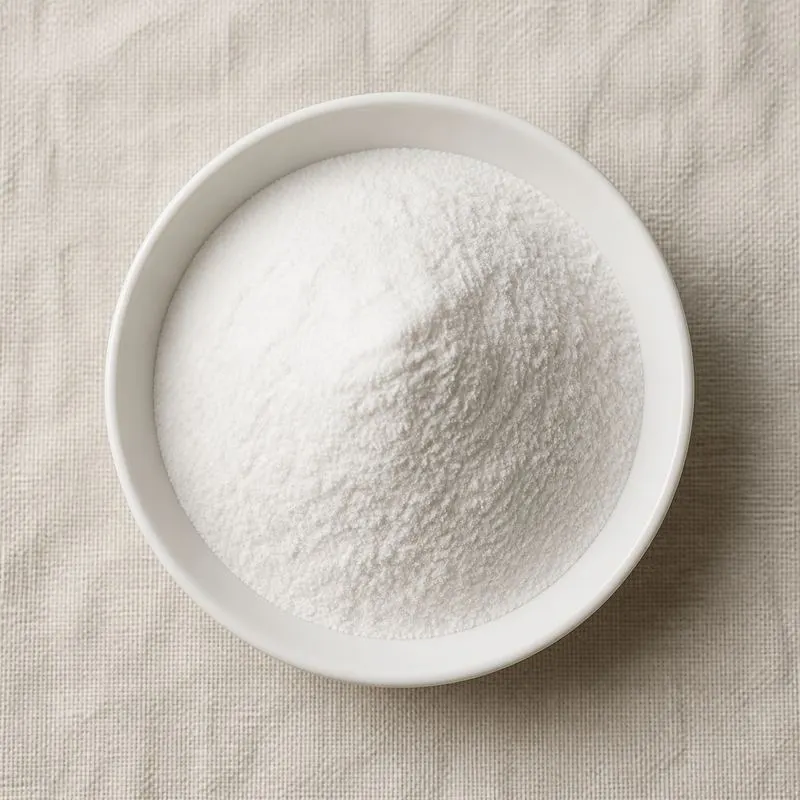
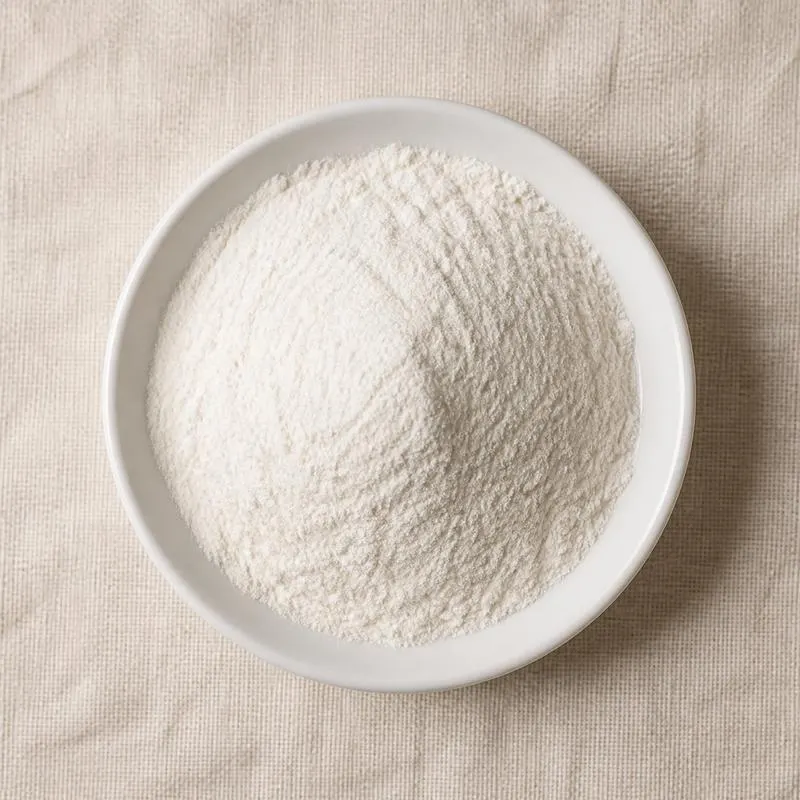
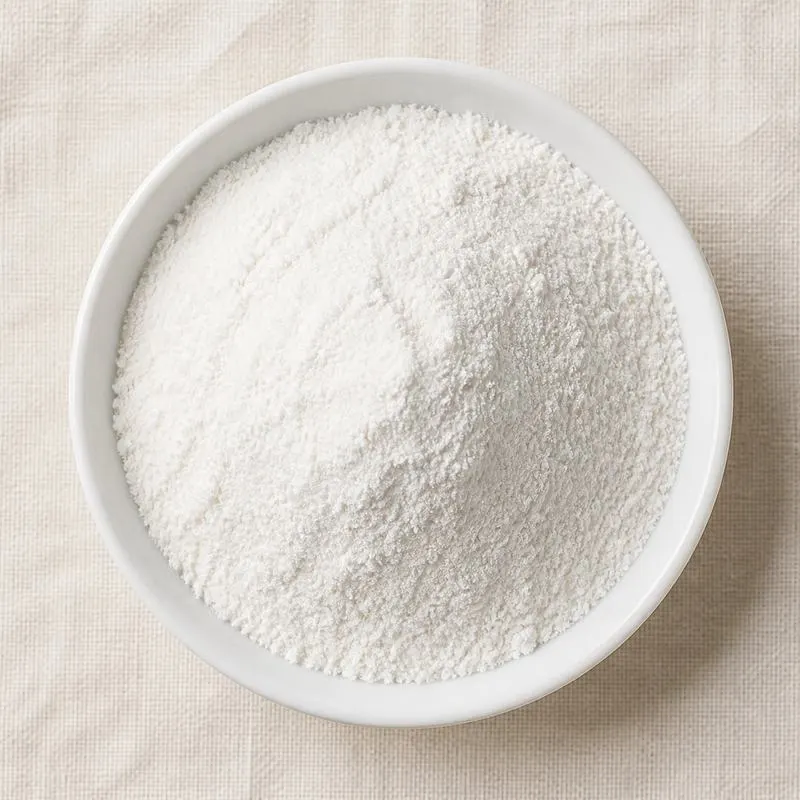
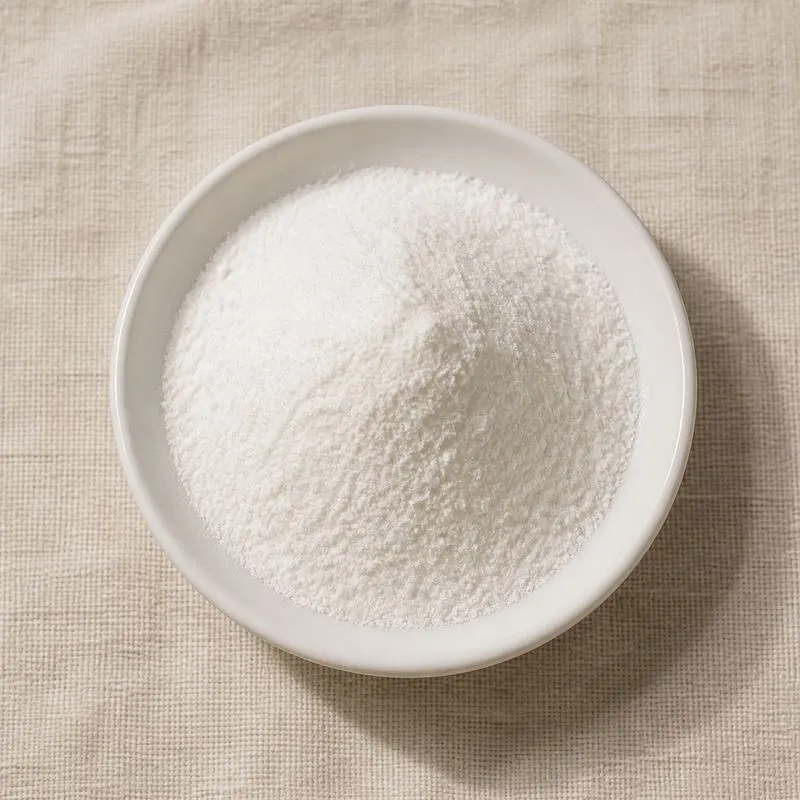
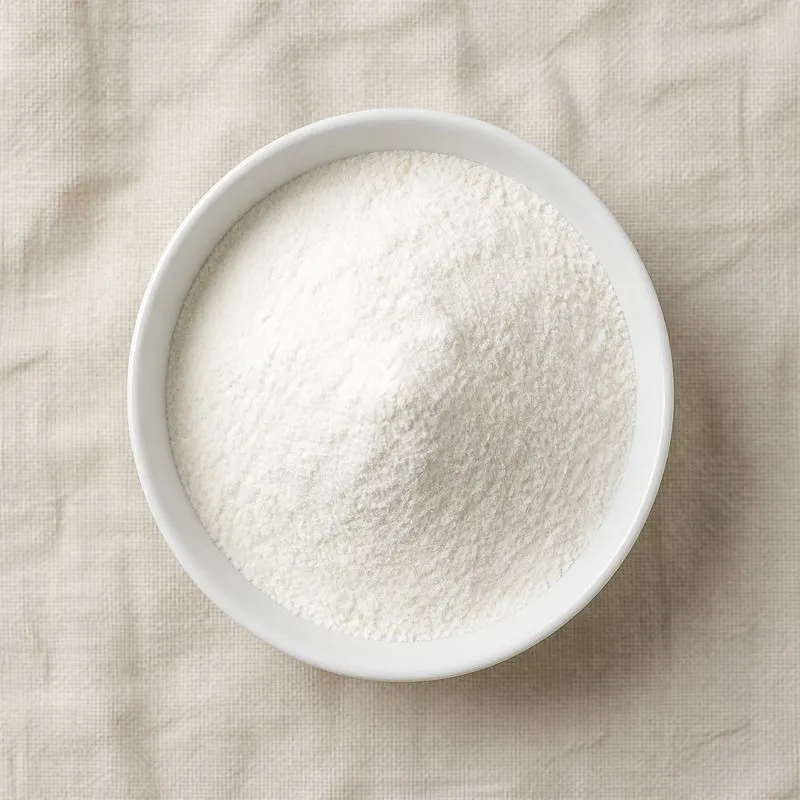
The commercial powder is white to cream in bleached grades and pale yellow in unbleached ones, essentially odourless and tasteless, which is its main advantage over wheat and oat bran fibres in neutral-flavour applications. Total dietary fibre normally runs 75 to 90 per cent on a dry basis, with the balance made up of residual starch, protein and minerals.
It does not dissolve or build viscosity. Functionally it supplies bulk, structure and water binding, holding typically five to ten times its weight in water depending on the grade and particle size, and it is thermally stable, acid stable and unaffected by freeze-thaw cycling. Because it is non-caloric and analytically counted as fibre, its main formulation role is to raise the declared fibre content and reduce the energy density of a product without changing its flavour.
We source bulk Corn Dietary Fibre from top China manufacturers for our partners. The manufacturer is in Henan. A smaller requirement can ship in a combined container with other ingredients.
Please send the grade you need, the volume and your destination port, and we will come back with a solution and a price.
or call +86-21-6858 0751
- Function
- Dietary Fibres
Specifications
| Item | Specification |
|---|---|
| Appearance | White to cream free-flowing powder |
| Total Dietary Fibre | Not less than 80.0 per cent on dry basis |
| Protein | Not more than 4.0 per cent |
| Fat | Not more than 1.0 per cent |
| Moisture | Not more than 8.0 per cent |
| Ash | Not more than 3.0 per cent |
| pH of 1 per cent suspension | 5.0 to 7.0 |
| Lead | Not more than 0.5 mg/kg |
| Arsenic | Not more than 0.5 mg/kg |
| Aflatoxin B1 | Not more than 2 microgram/kg |
| Total Plate Count | Not more than 10000 cfu/g |
| Yeast and Mould | Not more than 100 cfu/g |
| Escherichia coli | Absent in 1 g |
| Salmonella | Absent in 25 g |
Common Markets Grades
Grades are set by particle size and by fibre content. Coarse grades around 40 to 60 mesh give a visible bran texture and are used in breads and extruded products; standard 80 to 100 mesh grades are the general purpose article; superfine grades below 200 mesh are made for beverages, dairy and smooth fillings. Fibre content ranges from about 75 per cent in simply milled bran to above 90 per cent in material that has been enzymatically stripped of residual starch.
Colour is the other axis. Bleached grades, produced with hydrogen peroxide or by an oxidative wash, are white and are specified where the fibre must not tint a pale product; unbleached grades are cheaper and are used where colour is unimportant. Water holding capacity is quoted alongside the fibre figure and can be raised by mechanical activation of the wet fibre. Food grade is the standard, with feed grade traded separately, and non-genetically-modified certification is a common requirement given the maize supply chain. Corn fibre is naturally gluten-free, which is a significant part of its commercial position.
Applications
- Bread, buns and tortillas, raising fibre content without the flavour that wheat bran contributes
- Gluten-free bakery, where a neutral structural fibre is needed in place of wheat bran
- Biscuits, crackers and cereal bars, adding fibre while holding structure
- Extruded snacks and breakfast cereals, surviving the shear and heat of the extruder
- Reduced-calorie and reduced-fat products, replacing digestible carbohydrate and fat volume
- Meat products and analogues, binding added water and brine to limit cook loss
- Sauces, soups and ready meals, as a bulking agent that does not build viscosity
- Pasta and noodles, improving firmness and reducing cooking loss
- Fibre supplements and functional powders based on insoluble bulk
- Pet food and extruded feed, as a low-cost fibre carrier
Brands Using Corn Dietary Fibre
Widely-distributed consumer products that list Corn Dietary Fibre on the ingredient label.
- Fiber One (General Mills)Fiber One Chocolate Chewy Bars ↗Soluble corn fibre appears in the ingredient list of these chewy bars alongside chicory root extract as one of the added fibre sources.Label verified 2026-08-31
- Quest NutritionQuest Cookies & Cream Protein Bar ↗Ingredient list reads in part 'POLYDEXTROSE (PREBIOTIC FIBER), ALMONDS, WATER, COCOA BUTTER, ERYTHRITOL, GLYCERIN, SOLUBLE CORN FIBER, NATURAL FLAVORS'.Label verified 2026-08-31
- Quest NutritionQuest Chocolate Caramel Pecan Crispy Hero Protein Bar ↗Soluble corn fibre is the second ingredient on this bar's panel, after allulose.Label verified 2026-08-31
Brand names, product names and logos are the property of their owners. They appear here as published evidence that the ingredient is used, taken from the brand's own label or website. Their appearance is not an endorsement, and it does not mean the brand buys from us or from any manufacturer listed on this site.
China Manufacturers of Corn Dietary Fibre
Top Corn Dietary Fibre manufacturers in China.
Company names and logos are the property of the manufacturers themselves. They are listed here because our own directory records them as producing this ingredient. A listing is not an endorsement by them, and we do not represent them or speak on their behalf.
Regulatory Status
Corn fibre is a conventional food ingredient rather than a food additive. In the European Union it is declared by its ingredient name and its fibre content appears in the nutrition declaration under the Food Information to Consumers Regulation, with dietary fibre determined by the recognised analytical methods. Maize is not among the substances causing allergies or intolerances listed in that regulation, and corn fibre is not derived from a gluten-containing cereal, so it may be used in products labelled gluten-free provided cross-contamination is controlled.
In the United States corn bran and corn fibre are used as food ingredients in accordance with good manufacturing practice, resting on the history of safe consumption of maize bran. For Nutrition Facts purposes, intrinsic and intact fibre from the corn kernel counts as dietary fibre under the Food and Drug Administration definition; soluble corn fibre, which is a different material produced by hydrolysis of starch, is among the isolated fibres the agency has separately recognised on the basis of a demonstrated physiological benefit, and the two should not be confused on a label. Codex addresses the material through its nutrition labelling guidelines and its definition of dietary fibre.
Manufacturing Process
The feedstock is maize pericarp, the bran fraction separated either in the degerminator of a dry mill or as the fibre stream of a wet corn milling plant, where it comes off after steeping, germ separation and fibre washing. The wet mill fibre arrives carrying substantial residual starch and gluten, which is why washing is the first requirement: the fibre is screened and washed countercurrent on pressure screens to recover the starch back into the main process, and the recovered starch is worth more than the fibre so this step is run hard.
The washed fibre is then treated to remove the starch and protein that remain bound within the matrix, usually with alpha-amylase and glucoamylase followed by a protease or a dilute alkaline wash, and the hydrolysate is washed out. Where a white product is specified, the wet fibre is bleached with hydrogen peroxide and washed free of residue. The cake is dewatered on a press or decanter, dried in a flash or ring dryer at short residence time to avoid scorching, then milled and classified in an air stream to the target particle size. Finished fibre is blended across lots to a uniform fibre content, water holding capacity and colour, sieved, and heat treated where the microbial specification requires it.