Corosolic Acid
Corosolic Acid is a pentacyclic triterpenoid carboxylic acid best known for its insulin-mimetic activity and its role as the principal active marker of banaba leaf (Lagerstroemia speciosa) extract.
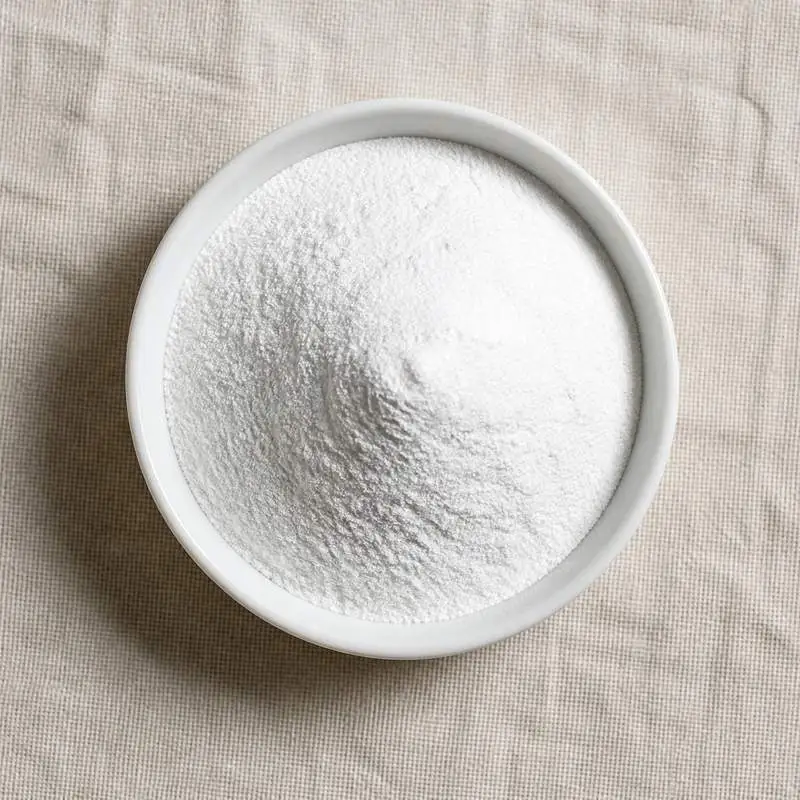
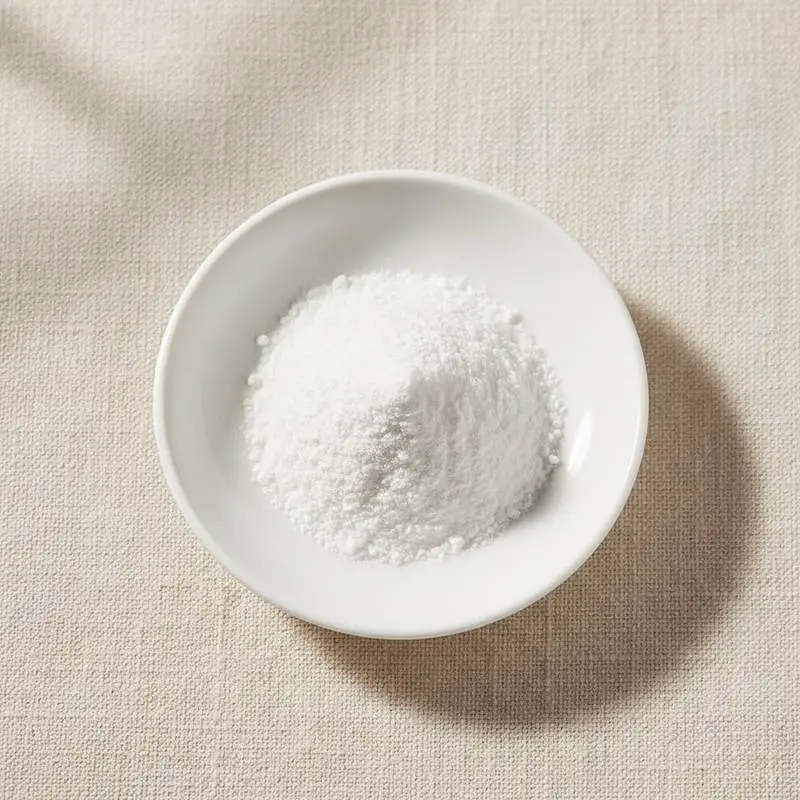
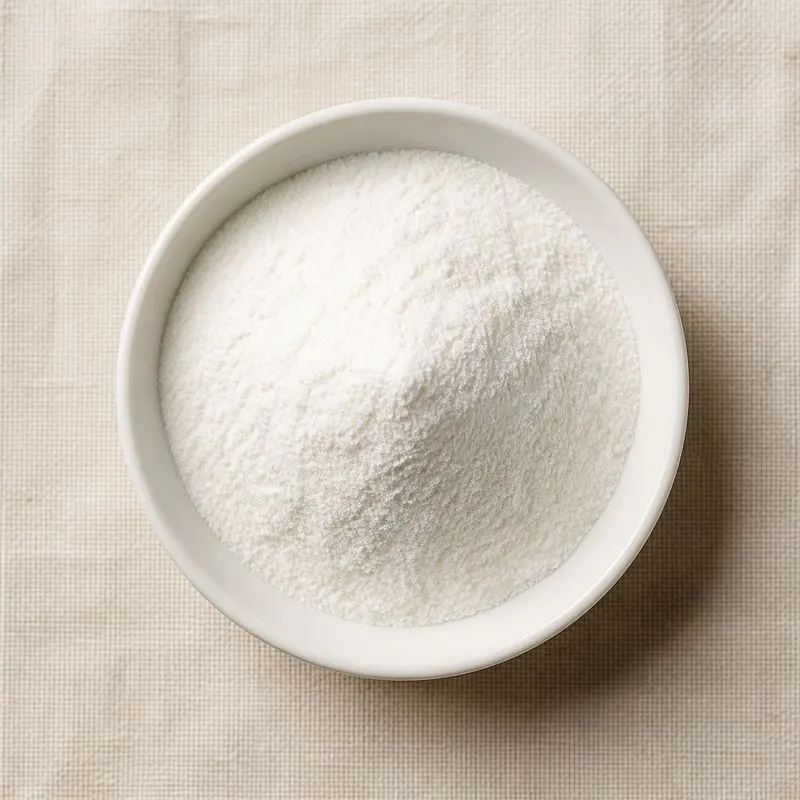
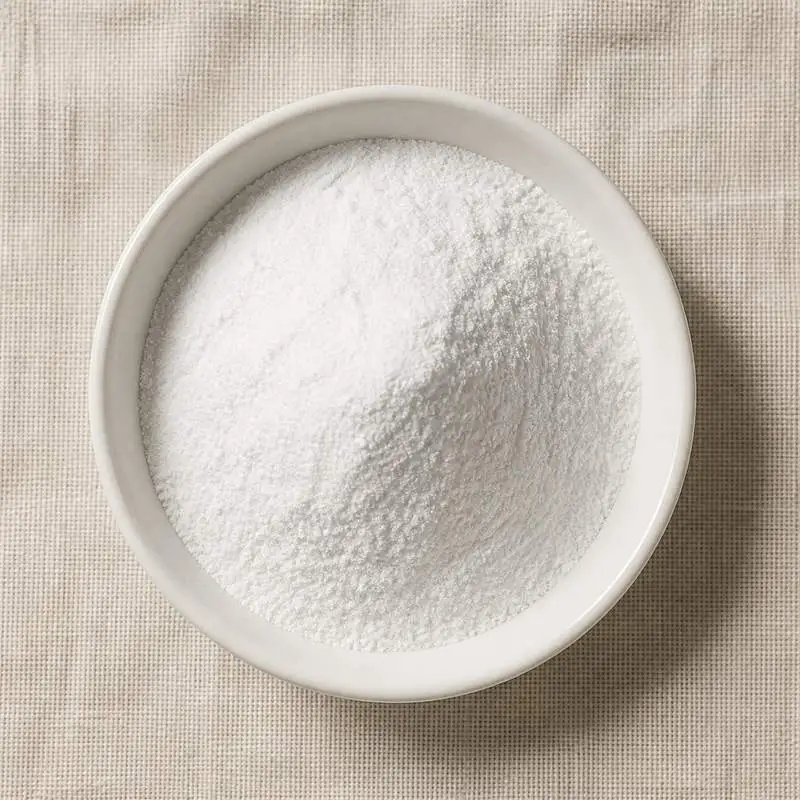
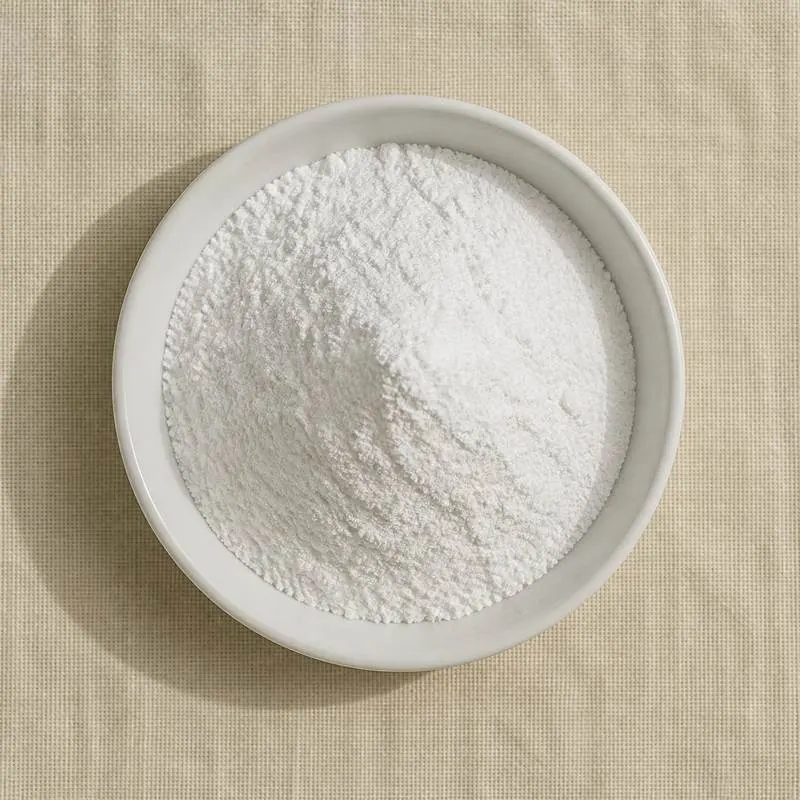
The molecule (CAS 4547-24-4, formula C₃₀H₄₈O₄, molar mass 472.7 g/mol) is structurally a 2α-hydroxy derivative of ursolic acid. It appears as a white-to-off-white crystalline powder, soluble in methanol, ethanol, and DMSO, and practically insoluble in water.
We source bulk Corosolic Acid from top China manufacturers for our partners. The manufacturer is in Shaanxi. A smaller requirement can ship in a combined container with other ingredients.
Please send the grade you need, the volume and your destination port, and we will come back with a solution and a price.
or call +86-21-6858 0751
- Packaging
- 25 kg kraft paper bag with PE inner liner
- ISO 9001
- HACCP
- Halal
- Kosher
Specifications
| Item | Specification |
|---|---|
| Appearance | White to off-white fine powder |
| Corosolic Acid (HPLC) | 1–98% (grade-dependent) |
| Moisture | ≤5.0% |
| Ash | ≤5.0% |
| Extraction Solvent | Ethanol |
| Melting Point | 260–262 °C |
| Particle Size (80 mesh) | ≥95% |
| Heavy Metals (as Pb) | ≤2 mg/kg |
| Pesticide Residues | Complies |
| Total Plate Count | ≤1,000 cfu/g |
| Salmonella | Absent in 25g |
Common Markets Grades
Banaba leaf extracts standardised to corosolic acid are the dominant commercial format.
The typical grades are 1 percent, 2 percent, and 10 percent corosolic acid by HPLC, with 1 percent and 2 percent serving the bulk of capsule and tablet supplement applications.
Concentrated grades at 20 percent, 50 percent, and 90 percent corosolic acid are produced by repeated solvent partition and silica chromatography, and are used in higher-potency glucose-management formulas and as reference material.
Analytical-grade material at greater than 98 percent purity is produced for HPLC calibration, pharmacological screening, and structural research.
Applications
- Blood-glucose support supplements positioned for prediabetic and metabolic-syndrome consumers
- Weight-management formulas combined with chromium, berberine, or cinnamon extract
- Capsules and tablets standardised to 1 to 10 percent corosolic acid from banaba leaf
- Functional teas and herbal infusions where banaba leaf is a hero ingredient
- Liquid drops and oral sprays for fast-onset glucose-balance positioning
- Sports-nutrition products targeting nutrient partitioning before and after meals
- Combination tablets with mulberry leaf, bitter melon, or fenugreek
- Pet supplements for senior dogs and cats with elevated fasting glucose
- Topical cosmetic actives in anti-aging serums leveraging triterpene skin-barrier research
- Research-use reference standards in glucose-uptake and PPAR-γ assay work
Brands Using Corosolic Acid
Widely-distributed consumer products that list Corosolic Acid on the ingredient label.
- SwansonSwanson Superior Herbs High Potency Banaba Extract 2% Corosolic Acid 60 mg ↗Banaba (Lagerstroemia speciosa) leaf extract capsules standardised to 2% corosolic acid, 60 mg per capsule.Label verified 2026-05-24
- Piping RockBanaba Extract (0.6 mg Corosolic Acid), 600 mg, 200 Quick Release Capsules ↗Quick-release capsule delivering 600 mg banaba leaf with 0.6 mg corosolic acid per serving for blood-sugar support.Label verified 2026-05-24
- SupersmartGlucofit 18% Corosolic Acid Banaba Leaf Extract Softgels ↗Softgels of a patented banaba leaf extract standardised to 18% corosolic acid, 5.3 mg per day.Label verified 2026-05-24
- Soft Gel TechnologiesGlucoHelp Banaba Leaf Extract ↗Branded banaba leaf extract standardised to 18% corosolic acid for blood-glucose-support supplements.Label verified 2026-05-24
- Nootropics DepotBanaba Leaf Extract Capsules ↗Capsules of Lagerstroemia speciosa banaba leaf extract standardised to corosolic acid.Label verified 2026-05-24
Brand names, product names and logos are the property of their owners. They appear here as published evidence that the ingredient is used, taken from the brand's own label or website. Their appearance is not an endorsement, and it does not mean the brand buys from us or from any manufacturer listed on this site.
China Manufacturers of Corosolic Acid
Top Corosolic Acid manufacturers in China.
Company names and logos are the property of the manufacturers themselves. They are listed here because our own directory records them as producing this ingredient. A listing is not an endorsement by them, and we do not represent them or speak on their behalf.
How We Help Source Corosolic Acid
Direct Factory Sourcing
We run the whole process: selecting the manufacturer from the top Chinese food ingredient producers, negotiating the price, verifying quality, and coordinating the logistics. You deal with us instead of with several factories at once.
Original Packaging and Documents from the Manufacturer
The manufacturer sends your Corosolic Acid out of its own factory in the original packing, through to your destination port. The COA, COO, MSDS, TDS and any certifications reach you from the manufacturer as well.
Free Samples and Lead Time
We send 100 to 500 g free for your own laboratory to test and you cover only the courier, usually within 2 to 3 working days. ETD is usually within 7 to 15 days once the order is confirmed, and we check that date against the factory's own manufacturing schedule before we give it to you.
Combined Shipment
We can load Corosolic Acid together with other ingredients such as Arachidonic Acid, Coenzyme Q10 and Chondroitin Sulphate Sodium into one 20' FCL. If your quantity is small, we can also ship LCL.
Regulatory Status
Corosolic acid as a banaba leaf extract is a permitted dietary ingredient in the United States under DSHEA, with multiple New Dietary Ingredient notifications on file.
In Japan, banaba leaf extract has a long history of use in foods with health claims for blood-sugar management, and several finished products carry FOSHU (Foods for Specified Health Uses) status.
In the European Union, banaba leaf and its preparations fall under the Novel Food regulation review, with status that varies by member state and finished-product claim.
The substance is not approved as a drug in any major market and may not be marketed with disease-treatment claims.
Kosher and Halal certifications are routinely available for ethanol-extracted material processed on dedicated plant-based lines.
Manufacturing Process
Industrial corosolic acid almost always begins with dried banaba leaves harvested in the Philippines, Vietnam, or southern China.
The dried, milled leaves are extracted with hot ethanol or aqueous ethanol. The crude extract is concentrated under vacuum, and the residue is partitioned between water and ethyl acetate to enrich the triterpene fraction.
Lower-strength grades (1 to 10 percent) are produced by spray-drying the partitioned extract onto a maltodextrin or starch carrier and standardising by HPLC.
High-strength grades (20 percent and above) require column chromatography on silica gel or reversed-phase resin, often followed by recrystallisation from ethanol or methanol to reach greater than 90 percent purity.
A minority of suppliers obtain corosolic acid from Tiarella polyphylla or apple peel waste streams, but banaba remains the cost-leader feedstock.