D-Allulose
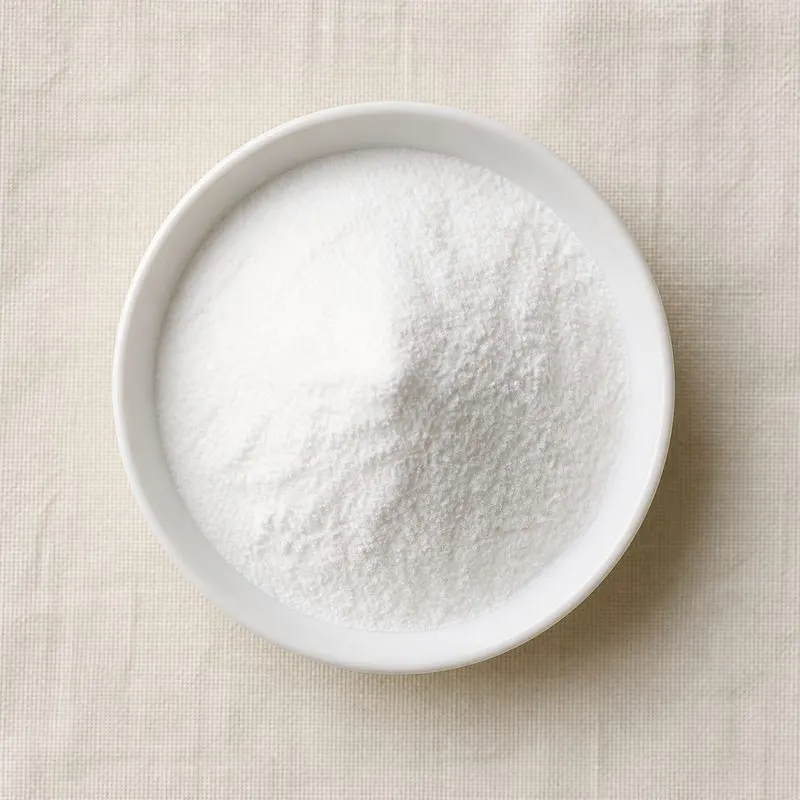
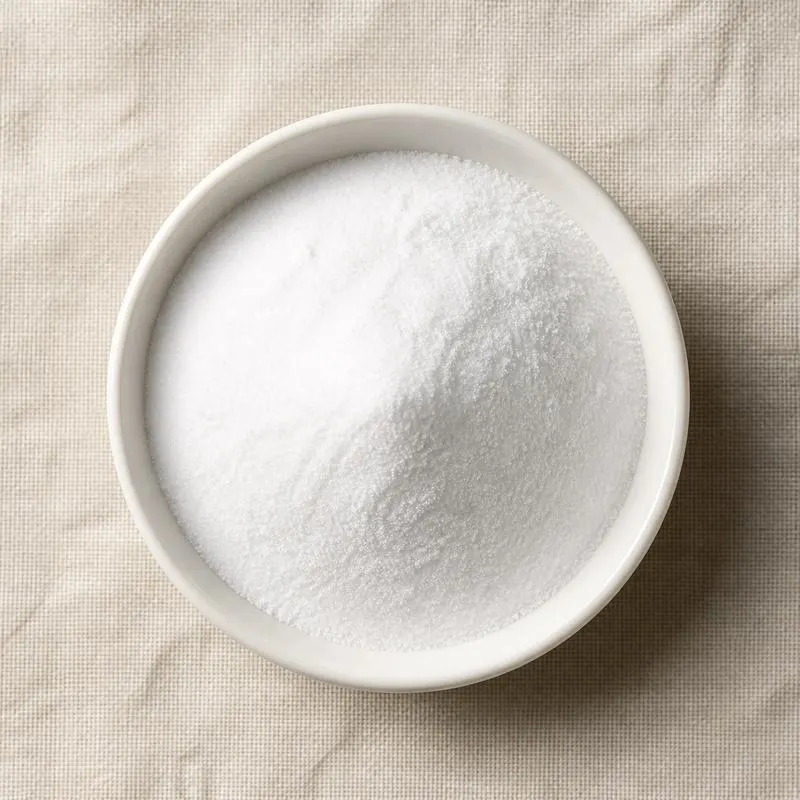
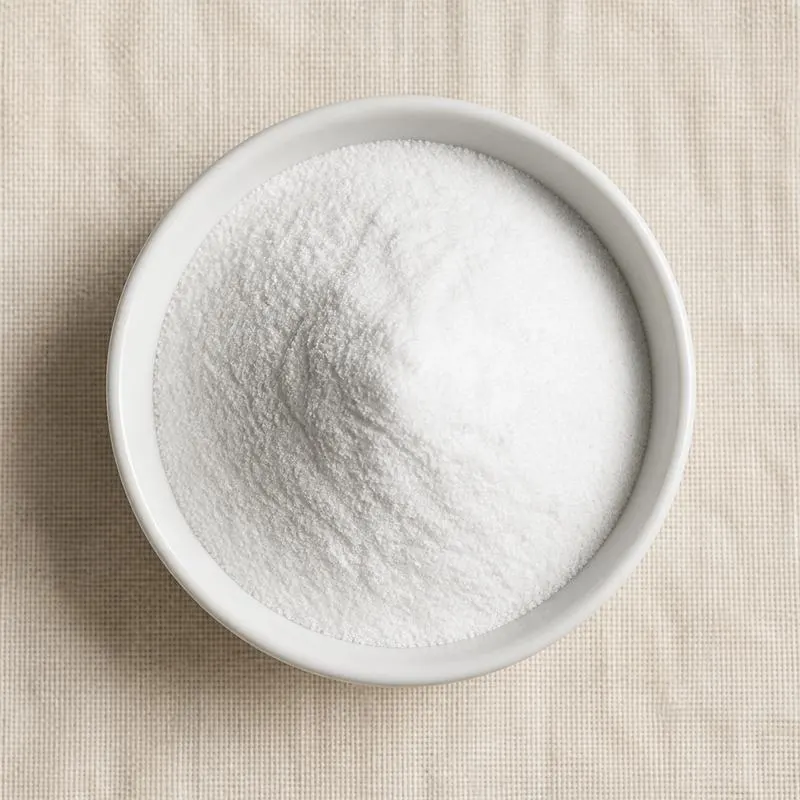
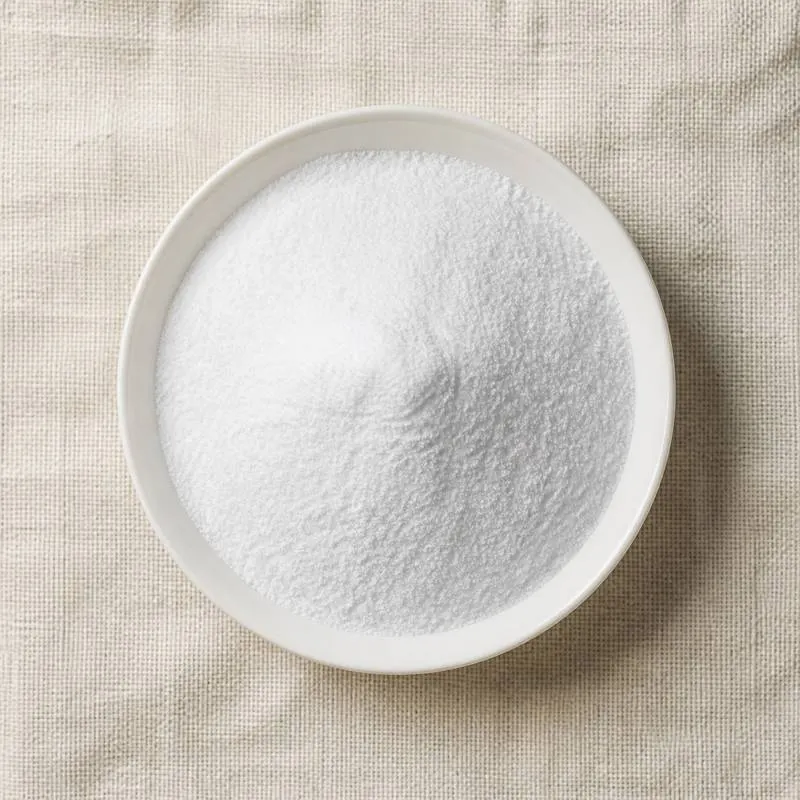
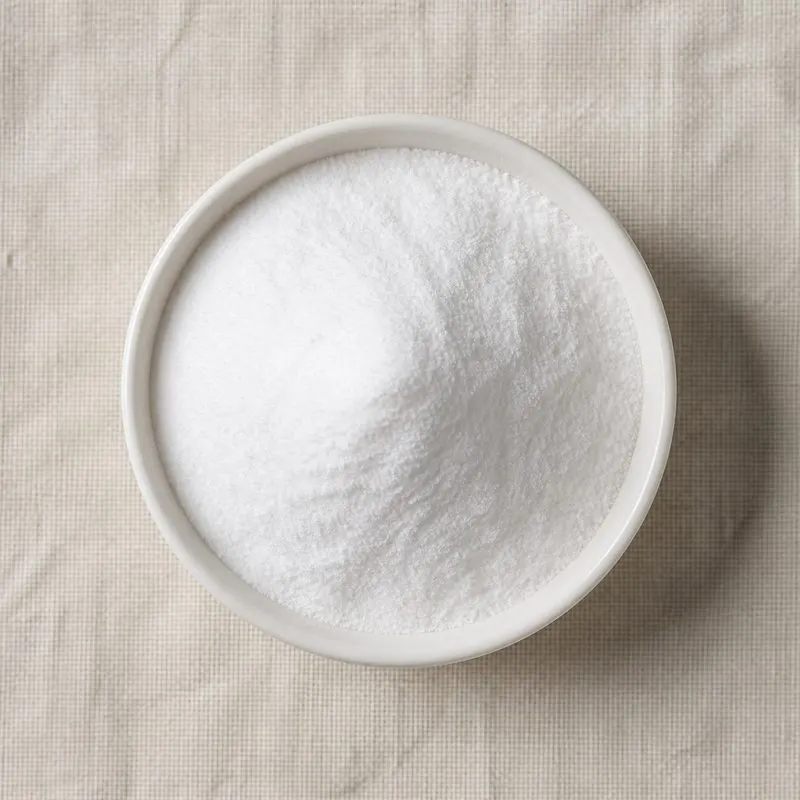
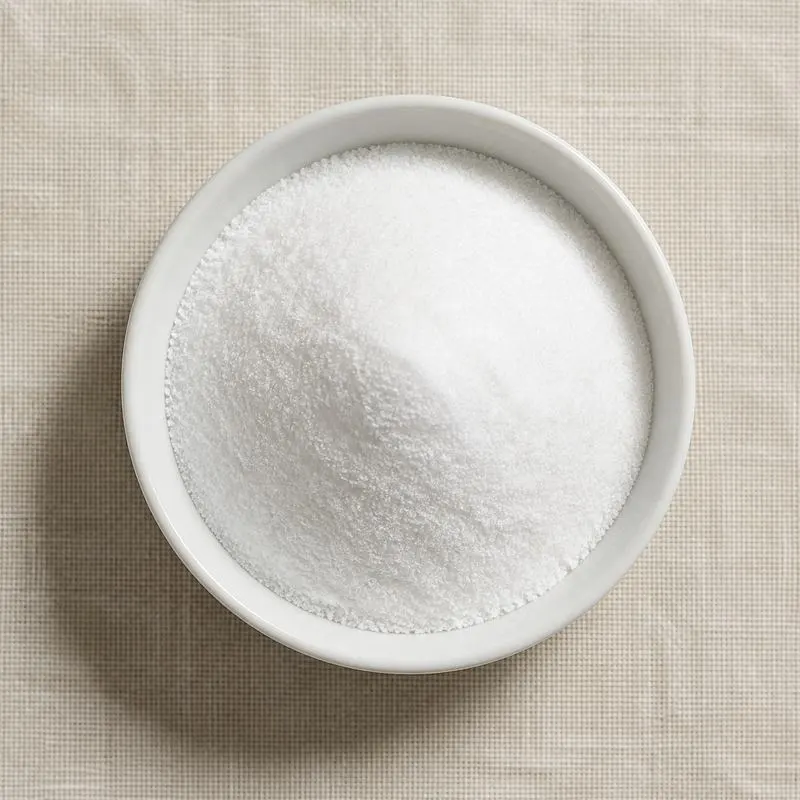
D-Allulose is the pharmaceutical-specification crystalline form of D-psicose, sold at 99 percent minimum purity for clinical-nutrition, research, and high-end functional food applications.
The molecule has formula C₆H₁₂O₆ and CAS 551-68-8 and is identical to the molecule sold as allulose under the broader commercial category, but this entry covers the highly purified single-crystal form rather than blended or syrup grades.
We source bulk D-Allulose from top China manufacturers for our partners. The manufacturers are in Guangdong and Shandong. For this ingredient the minimum order is 1,000 kg and a 20-foot container takes 17 MT, and a smaller requirement can ship in a combined container with other ingredients.
Please send the grade you need, the volume and your destination port, and we will come back with a solution and a price.
or call +86-21-6858 0751
- Minimum order
- 1,000 kg
- Qty in 20' FCL
- 17 MT
- Packaging
- 250 kg plastic drum or 1,000 kg IBC tote
- ISO 9001
- HACCP
- Halal
- Kosher
Specifications
Grades / Types Available: Food Grade
| Item | Specification |
|---|---|
| Appearance | White crystalline powder or clear syrup |
| Assay (on dry basis) | ≥99.0% (powder) / ≥70% (liquid) |
| Loss on Drying (powder) | ≤0.5% |
| Sulphated Ash | ≤0.1% |
| pH (10% sol.) | 4.5–7.0 |
| Reducing Sugars | ≥99% (of total sugars) |
| Specific Rotation [α]20D | +2.7° to +3.5° |
| Heavy Metals (as Pb) | ≤0.5 mg/kg |
| Arsenic | ≤0.5 mg/kg |
| Total Plate Count | ≤1,000 cfu/g |
| Salmonella | Absent in 25g |
| Purity | 99% min |
| Moisture | 0.5% |
| Arsenic Content | 0.1 mg/kg |
| Lead Content | 0.1 mg/kg |
| Particle Size | 80 mesh |
| Melting Point | 100-110°C |
| Caloric Value | 0.2 kcal/g |
| Glycemic Index | Very low |
| Heavy Metal (%) | 0.002% |
Common Markets Grades
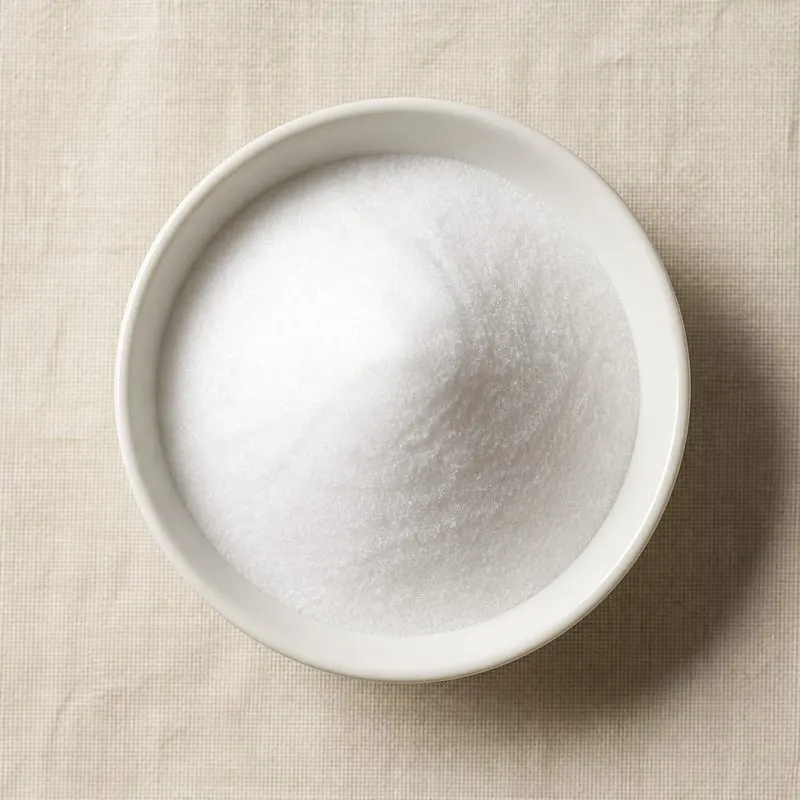
D-Allulose is a free-flowing white crystalline powder at 99 percent minimum assay on a dry basis.
Pharmaceutical-spec material is produced under GMP conditions with tight controls on residual fructose, residual glucose, heavy metals, microbial counts, and endotoxin where applicable.
Standard granulations cover regular crystal for tabletting and dry blending, fine for direct compression and chewable formats, and powdered milled for sachet, capsule, and reconstitution applications.
The material meets FCC specifications for D-psicose and supports USP-NF style monograph compliance where the receiving market has adopted one. Clinical-trial-grade lots ship with extended certificates of analysis covering identity by NMR or HPLC, optical rotation, specific rotation, water content, and residue on ignition.
Applications
- Clinical-nutrition products formulated for diabetes management and blood-glucose control
- Medical foods targeting weight management and metabolic-syndrome populations
- High-purity dietary supplement powders and ready-to-mix sachets
- Nutritional shakes, beverages, and meal replacements where defined sweetener purity is required
- Research and clinical-trial formulations requiring well-characterised D-psicose
- Pharmaceutical oral solutions and syrups as a non-glycemic sweetener vehicle
- Chewable tablets and orally disintegrating tablets in defined-purity formulations
- Premium reduced-sugar bakery and confectionery seeking single-component sweetener identity
- Functional foods marketed with explicit purity claims
- Specialty infant and pediatric nutrition where ingredient definition matters
- Reference material for analytical and method-development laboratories
Brands Using D-Allulose
Widely-distributed consumer products that list D-Allulose on the ingredient label.
- RxSugarRxSugar Allulose Sugar (1 lb / 2 lb canister) ↗100% Non-GMO, USDA Organic Allulose, labeled as 'Allulose' on packLabel verified 2026-05-24
- RxSugarRxSugar Organic Allulose Liquid Sugar ↗Single ingredient: Non-GMO, USDA Organic AlluloseLabel verified 2026-05-24
- Wholesome SweetenersWholesome Allulose Zero Calorie Granulated Sweetener ↗Single ingredient: Allulose (from non-GMO corn via enzymatic process)Label verified 2026-05-24
- Wholesome SweetenersWholesome Allulose Zero Calorie Liquid Sweetener ↗Allulose-based liquid sweetenerLabel verified 2026-05-24
- SplendaSplenda Allulose Sweetener (3 lb bag) ↗Made from allulose (corn-derived via enzymatic conversion) plus natural flavoursLabel verified 2026-05-24
- SplendaSplenda Allulose Plant Based Zero Calorie Sweetener (12 oz pouch) ↗Plant-based zero calorie sweetener; allulose as primary ingredientLabel verified 2026-05-24
- TruviaTruvia Allulose Calorie-Free Sweetener ↗Single ingredient: AlluloseLabel verified 2026-05-24
- Magic SpoonMagic Spoon Cocoa Grain-Free Cereal ↗Ingredient panel lists 'Sweetener Blend (Allulose, Monk Fruit Extracts)'Label verified 2026-05-24
- Magic SpoonMagic Spoon Fruity Grain-Free Cereal ↗Ingredient panel lists 'Sweetener Blend (Allulose, Monk Fruit Extracts)'Label verified 2026-05-24
Brand names, product names and logos are the property of their owners. They appear here as published evidence that the ingredient is used, taken from the brand's own label or website. Their appearance is not an endorsement, and it does not mean the brand buys from us or from any manufacturer listed on this site.
China Manufacturers of D-Allulose
Top D-Allulose manufacturers in China.
- L&P Food Ingredient Co., Ltd.9 ingredients in the directory
 Shadnong Fuyang Bio-tech.Co., Ltd.7 ingredients in the directory
Company names and logos are the property of the manufacturers themselves. They are listed here because our own directory records them as producing this ingredient. A listing is not an endorsement by them, and we do not represent them or speak on their behalf.
How We Help Source D-Allulose
Direct Factory Sourcing
We run the whole process: selecting the manufacturer from the top Chinese food ingredient producers, negotiating the price, verifying quality, and coordinating the logistics. You deal with us instead of with several factories at once.
Original Packaging and Documents from the Manufacturer
The manufacturer sends your D-Allulose out of its own factory in the original packing, through to your destination port. The COA, COO, MSDS, TDS and any certifications reach you from the manufacturer as well.
Free Samples and Lead Time
We send 100 to 500 g free for your own laboratory to test and you cover only the courier, usually within 2 to 3 working days. ETD is usually within 7 to 15 days once the order is confirmed, and we check that date against the factory's own manufacturing schedule before we give it to you.
Combined Shipment
We can load D-Allulose together with other ingredients such as Stevia, Erythritol and Maltitol into one 20' FCL. If your quantity is small, we can also ship LCL.
Regulatory Status
D-Allulose carries the same regulatory status as allulose in each market.
The U.S. Food and Drug Administration has accepted multiple GRAS notifications for D-psicose since 2014. The agency's 2019 guidance, finalized in 2020, exempts allulose from declarations of total sugars and added sugars on the Nutrition Facts label and accepts a caloric value of 0.4 kcal per gram.
Japan, South Korea, Singapore, Mexico, and several Latin American markets have approved allulose for food use. The European Union has not yet authorised allulose under the Novel Food Regulation, and applications continue to progress through EFSA evaluation.
JECFA has not yet completed a full safety evaluation. The substance is Halal and Kosher certifiable and is not a recognised food allergen.
The 99 percent crystalline pharmaceutical-spec form may additionally support drug-master-file or excipient-monograph filings in jurisdictions where applicable.
Manufacturing Process
D-Allulose at the 99 percent specification is produced by the same enzymatic platform used for allulose generally, followed by additional purification and crystallisation steps that lift purity to the pharmaceutical target.
The starting material is high-fructose corn syrup or crystalline fructose. The fructose solution is passed over an immobilized D-tagatose 3-epimerase or D-psicose 3-epimerase enzyme bed, which catalyses the epimerization of fructose at carbon 3 to yield allulose at roughly 30 percent conversion at equilibrium.
The mixed reaction solution is fractionated on simulated-moving-bed chromatographic resin to recover an allulose-enriched stream. Unconverted fructose is recycled to the enzyme reactor for additional passes.
The enriched solution is decolorised on activated carbon, demineralized through cation and anion exchange resins, and concentrated under vacuum. For the 99 percent crystalline grade, the concentrate is subjected to multiple rounds of cooling crystallisation with recrystallisation from purified water and ethanol-water mixtures as needed to drive residual fructose, glucose, and colour bodies below specification.
The final cake is centrifuged, washed, vacuum-dried, milled, and screened. The product passes through metal detection, sieving, and microbial testing before release.