Tagatose
Tagatose is a rare sugar with a sucrose-like taste profile and minimal glycemic impact, used as a low-calorie bulk sweetener in functional foods, beverages, and reduced-sugar bakery.
The molecule is D-tagatose, the C-4 epimer of D-fructose, with formula C₆H₁₂O₆ and CAS 87-79-6. It carries about 92 percent of the sweetness of sucrose, contributes 1.5 kcal per gram, and has a glycemic index of about 3.
We source bulk Tagatose from top China manufacturers for our partners. The manufacturers are in Henan and Shandong. A smaller requirement can ship in a combined container with other ingredients.
Please send the grade you need, the volume and your destination port, and we will come back with a solution and a price.
or call +86-21-6858 0751
- Packaging
- 25 kg kraft paper bag with PE inner liner
- ISO 9001
- HACCP
- Halal
- Kosher
Specifications
| Item | Specification |
|---|---|
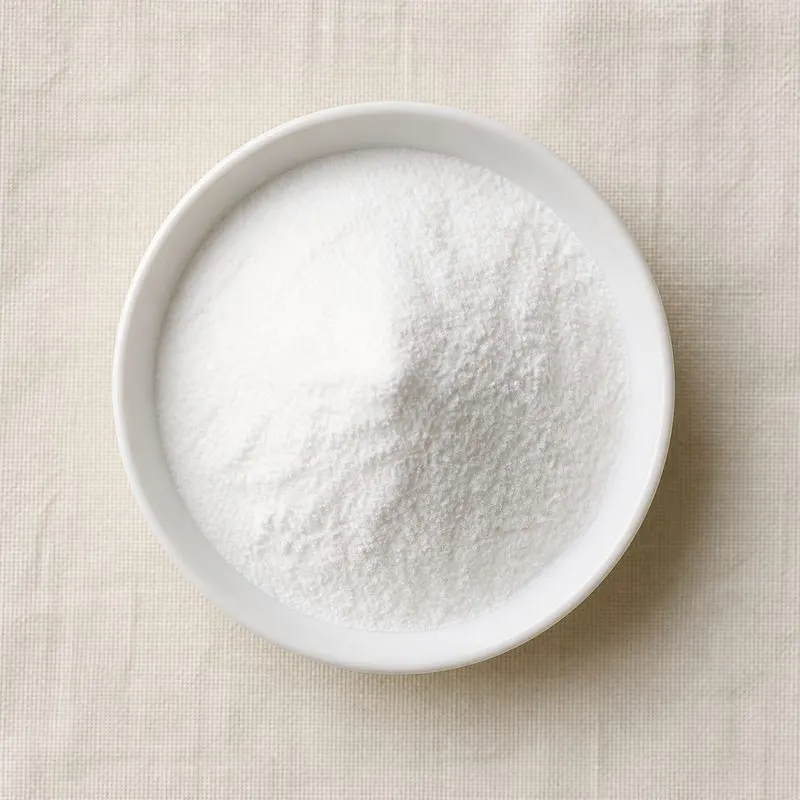
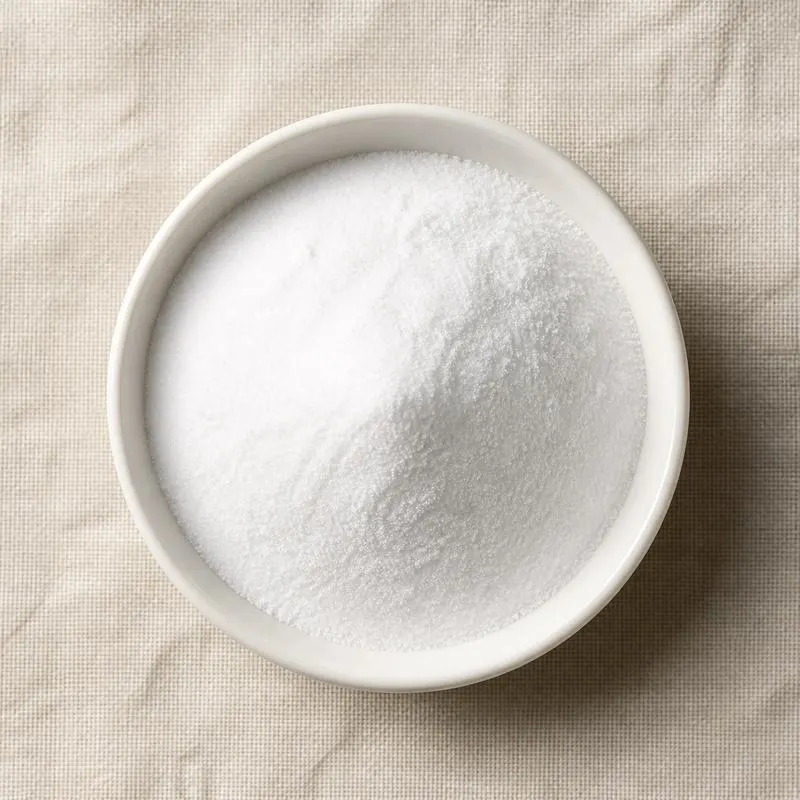
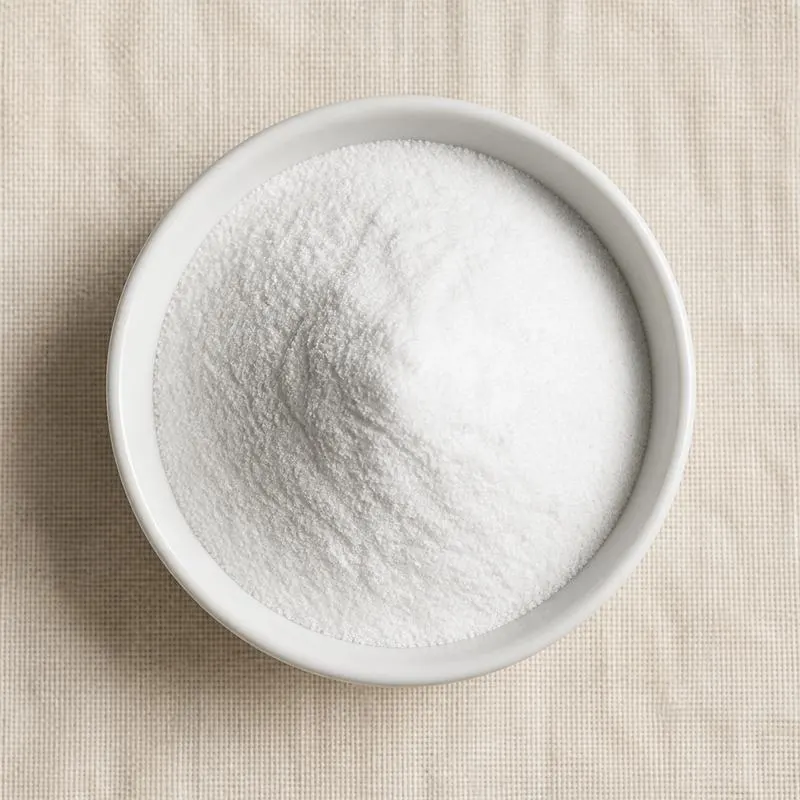
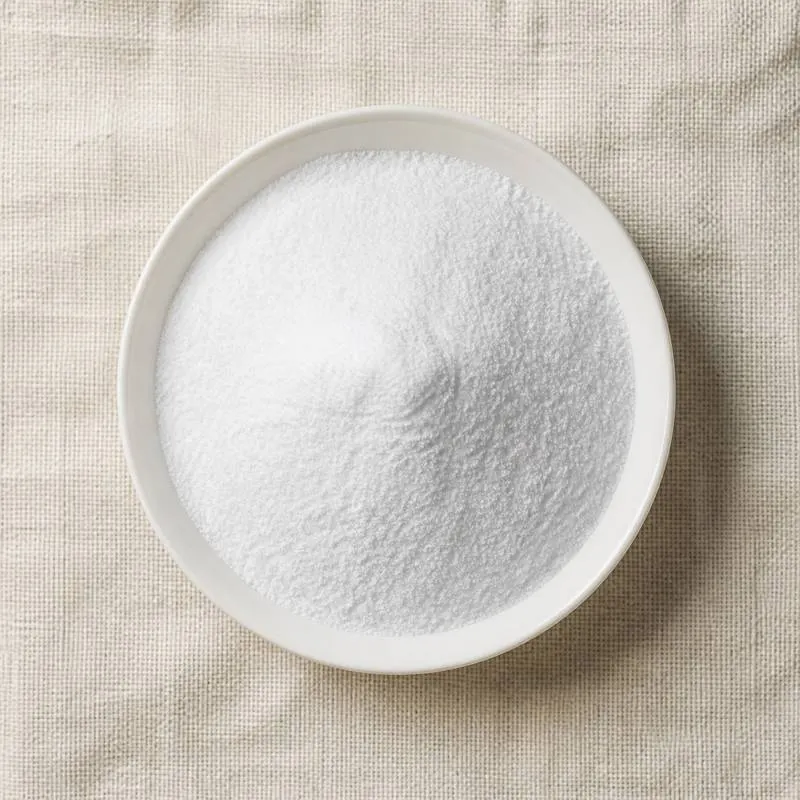
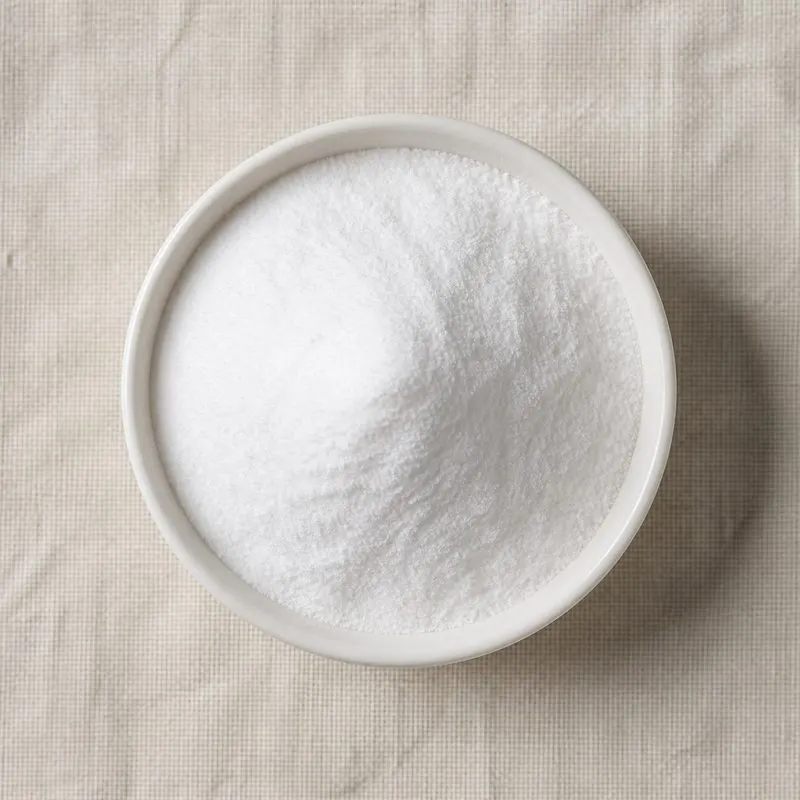
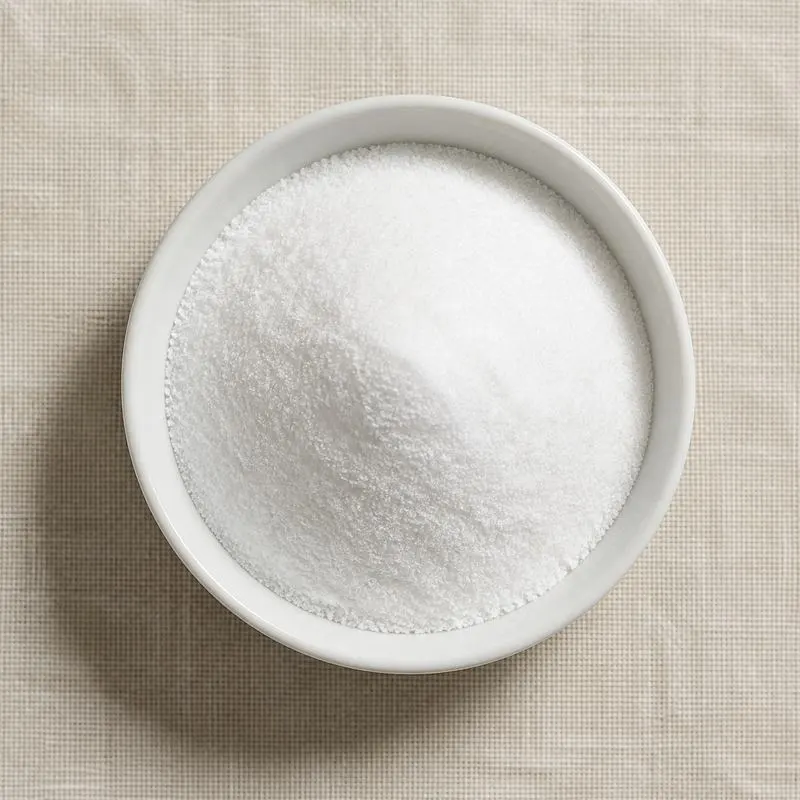
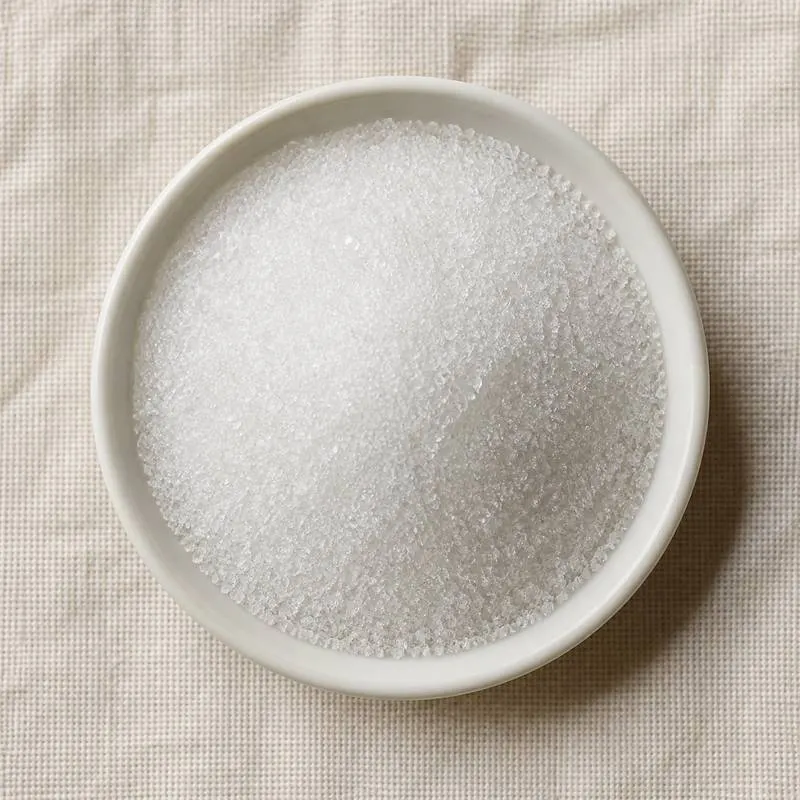
| Appearance | White crystalline powder |
| D-Tagatose Content | ≥ 98.0% |
| Loss on Drying | ≤ 0.5% |
| Residue on Ignition | ≤ 0.1% |
| Specific Rotation [α]D²⁰ | -3° to -5° |
| pH (10% solution) | 3.5–6.5 |
| Heavy Metals (as Pb) | ≤ 0.5 ppm |
| Total Plate Count | ≤ 500 CFU/g |
Common Markets Grades
Tagatose is a free-flowing white crystalline powder at 98 percent minimum assay.
Standard granulations include regular crystal for general food use, fine and extra-fine for tabletting and confectionery, and powdered milled for dry beverage mixes and sachet products.
Pharmaceutical-grade material is produced for chewable tablet and oral-suspension applications under USP-NF type specifications.
Food-grade material meets FCC and JECFA specifications for D-tagatose.
Applications
- Reduced-sugar baked goods including cookies, cakes, and breakfast cereals where browning and caramelization are desired
- Low-glycemic beverages and ready-to-drink dairy products
- Ice cream and frozen desserts where freezing-point depression and texture must be controlled
- Sugar-free chocolate and confectionery in blends with other bulk sweeteners
- Chewing gum and pastilles in combination with polyols
- Tabletop sweeteners and stevia or monk-fruit blends for a one-to-one sucrose substitution
- Diabetic-positioned food products and medical nutrition
- Yogurt, dairy desserts, and reduced-sugar dairy beverages
- Nutrition bars and meal-replacement products
- Sugar-reduced jams, jellies, and fruit preparations
- Dental-friendly confectionery, including non-cariogenic candies and lozenges
Brands Using Tagatose
Widely-distributed consumer products that list Tagatose on the ingredient label.
- Damhert NutritionTagatesse Sweetener (refill box, tablet form) ↗Ingredient panel lists D-tagatose (20%) alongside lactose, sucralose, and bulking agentsLabel verified 2026-05-24
- Damhert NutritionTagatesse Without Sugars (granular) ↗Ingredient panel lists D-tagatose (from milk) blended with isomalt, polydextrose, inulin and sucraloseLabel verified 2026-05-24
- ReleeeseReleeese Milk Chocolate (Box of 10) ↗Patented sweetener blend of tagatose and galactose, first chocolate bar to use the combinationLabel verified 2026-05-24
Brand names, product names and logos are the property of their owners. They appear here as published evidence that the ingredient is used, taken from the brand's own label or website. Their appearance is not an endorsement, and it does not mean the brand buys from us or from any manufacturer listed on this site.
China Manufacturers of Tagatose
Top Tagatose manufacturers in China.
 Henan Yihengyuan Biotechnology Co., Ltd.1 ingredient in the directory
 Shandong Sanyuan Biotechnology Co., Ltd.4 ingredients in the directory
Company names and logos are the property of the manufacturers themselves. They are listed here because our own directory records them as producing this ingredient. A listing is not an endorsement by them, and we do not represent them or speak on their behalf.
How We Help Source Tagatose
Direct Factory Sourcing
We run the whole process: selecting the manufacturer from the top Chinese food ingredient producers, negotiating the price, verifying quality, and coordinating the logistics. You deal with us instead of with several factories at once.
Original Packaging and Documents from the Manufacturer
The manufacturer sends your Tagatose out of its own factory in the original packing, through to your destination port. The COA, COO, MSDS, TDS and any certifications reach you from the manufacturer as well.
Free Samples and Lead Time
We send 100 to 500 g free for your own laboratory to test and you cover only the courier, usually within 2 to 3 working days. ETD is usually within 7 to 15 days once the order is confirmed, and we check that date against the factory's own manufacturing schedule before we give it to you.
Combined Shipment
We can load Tagatose together with other ingredients such as Stevia, Erythritol and Maltitol into one 20' FCL. If your quantity is small, we can also ship LCL.
Regulatory Status
Tagatose holds regulatory approval as a food additive in major markets.
The U.S. Food and Drug Administration accepted GRAS status for D-tagatose in 2001 for use as a sweetener in many food categories. The agency has accepted a labelling caloric value of 1.5 kcal per gram, reflecting the substance's partial absorption and incomplete metabolism.
FDA also authorised health claims permitting tagatose-sweetened foods to bear references to reduced risk of dental caries.
EFSA evaluated D-tagatose as a Novel Food in 2005 and concluded it was safe for use under specified conditions. The substance is authorised in the European Union, with EU labelling requiring the statement excessive consumption may produce laxative effects when a serving delivers more than 15 grams in line with the general polyol-style precaution.
JECFA has reviewed tagatose and accepted it for food use. The substance is Halal and Kosher certifiable. Because the raw material is lactose-derived, allergen-disclosure practice typically includes a milk-derived statement despite the negligible residual protein.
Manufacturing Process
Commercial tagatose is produced by isomerisation of D-galactose.
The starting material is lactose recovered from cheese whey. The lactose is hydrolysed enzymatically with beta-galactosidase to release a glucose-galactose mixture, and the galactose fraction is separated by chromatographic enrichment or selective crystallisation.
The purified D-galactose solution is isomerised to D-tagatose by alkaline catalysis with calcium hydroxide or by enzymatic conversion using L-arabinose isomerase. The reaction reaches an equilibrium of roughly 30 percent tagatose with the remainder as residual galactose.
The mixed solution is neutralised, filtered, demineralized through ion exchange, decolorised on activated carbon, and concentrated under vacuum. Chromatographic separation recovers the tagatose-enriched stream and recycles unconverted galactose.
Controlled cooling crystallisation produces tagatose crystals, which are centrifuged, washed, dried, and milled to the target granulation.