Digestive Enzyme Complex
Digestive enzyme complex is a blended enzyme preparation formulated for dietary supplement use, combining several hydrolase activities so that a single dose covers the main macronutrient classes. A typical blend carries protease for protein, amylase for starch, lipase for fat, lactase for milk sugar, and cellulase or hemicellulase for plant cell wall material, with alpha-galactosidase, invertase, bromelain and papain added in many formulations.
The activities are almost all of microbial origin, principally from Aspergillus oryzae, Aspergillus niger and Trichoderma species, because fungal enzymes stay active across the acidic conditions of the stomach and the near-neutral conditions of the small intestine, whereas animal pancreatic enzymes need enteric protection. Plant proteases from papaya and pineapple are included for their proteolytic contribution rather than as a source of any single activity.
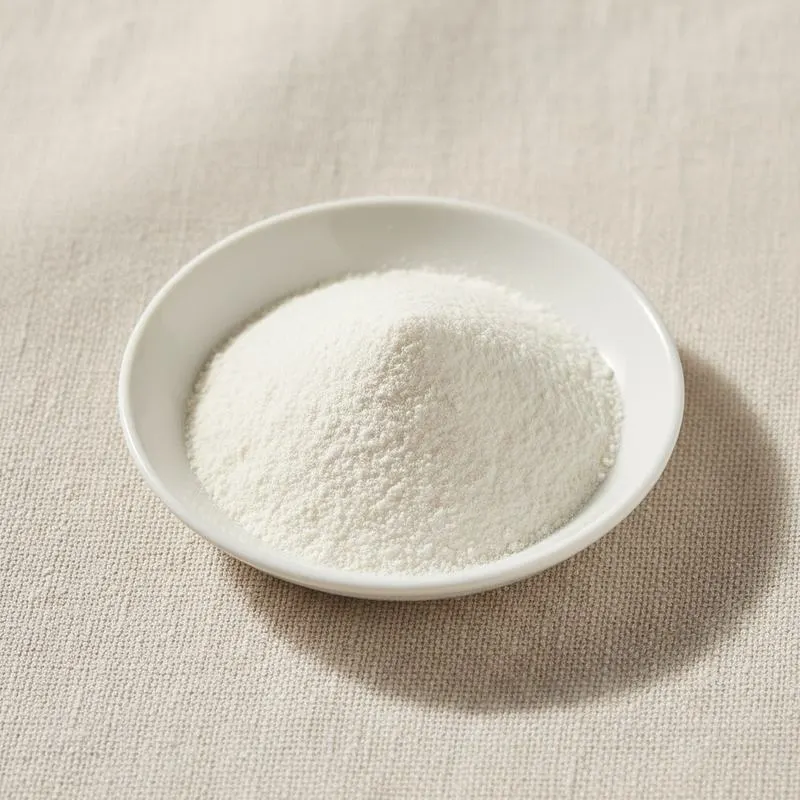
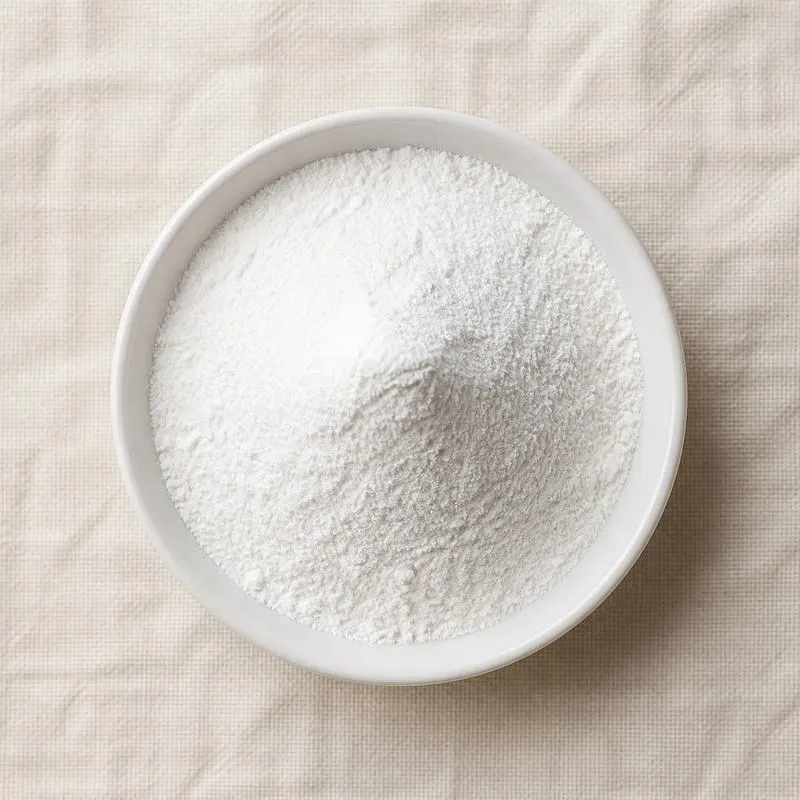
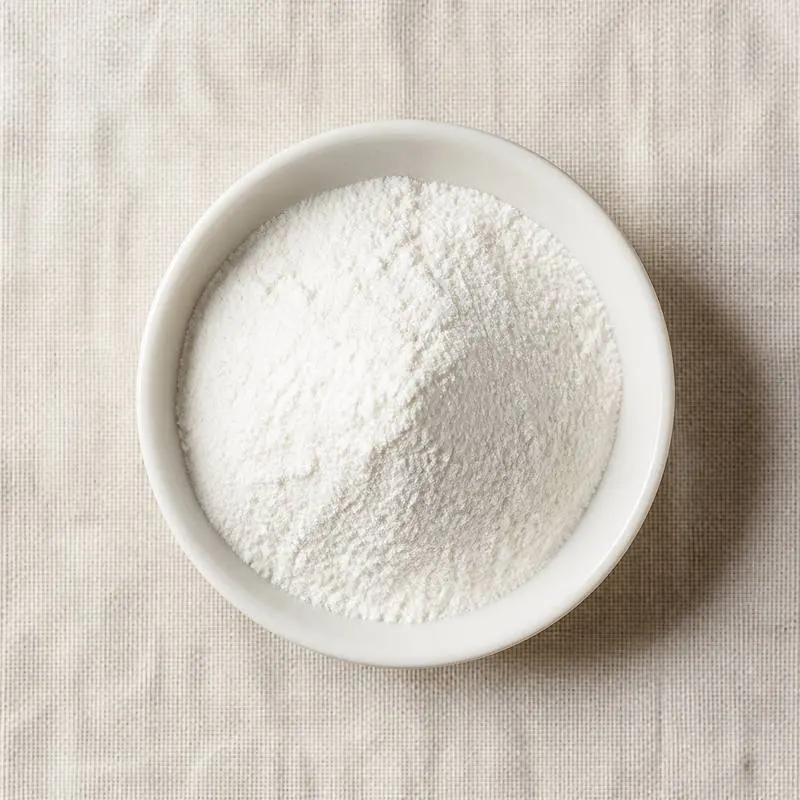
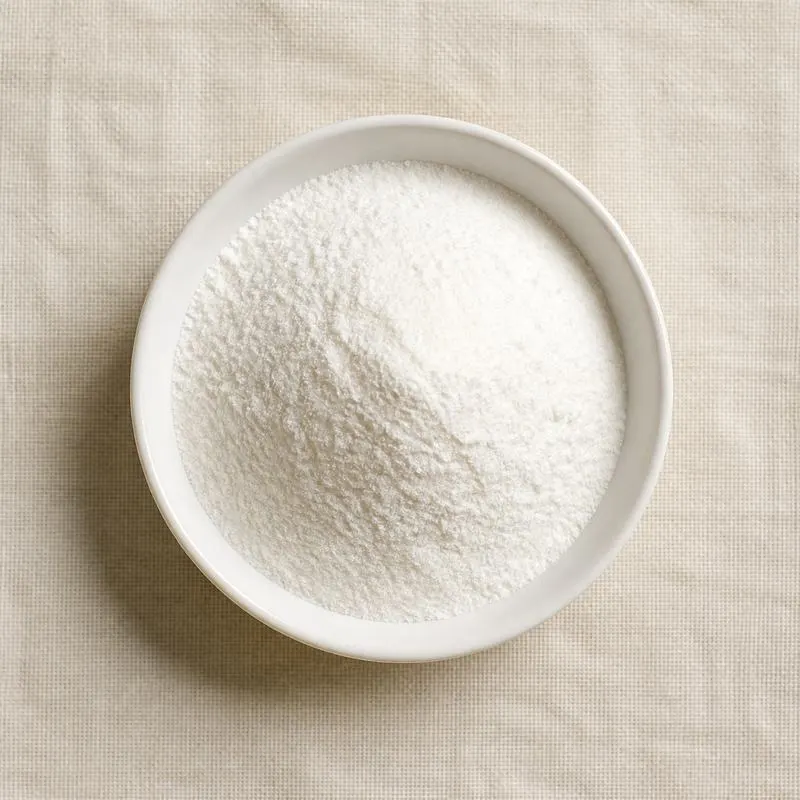
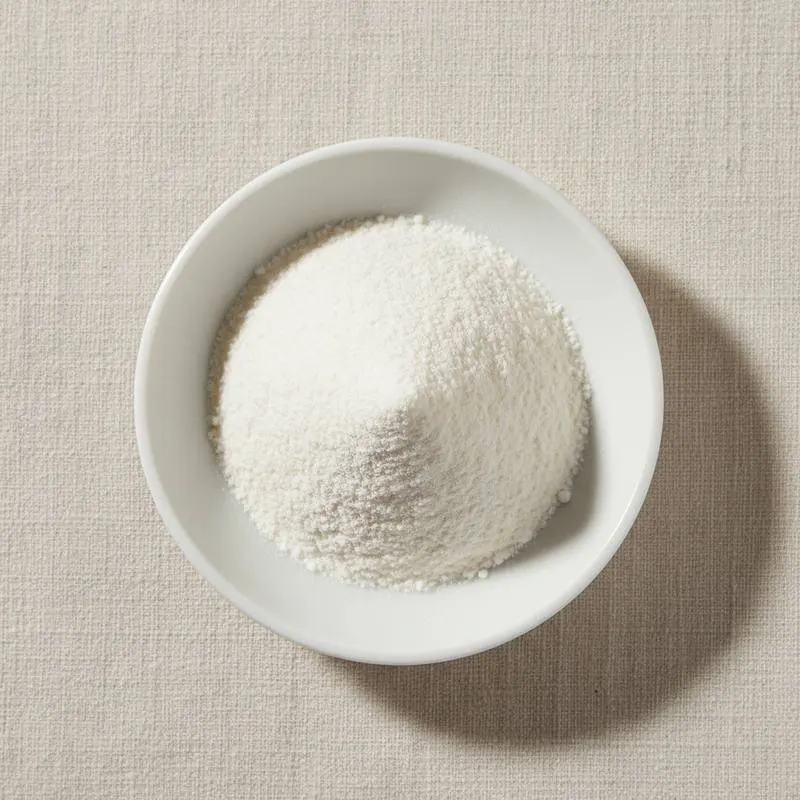
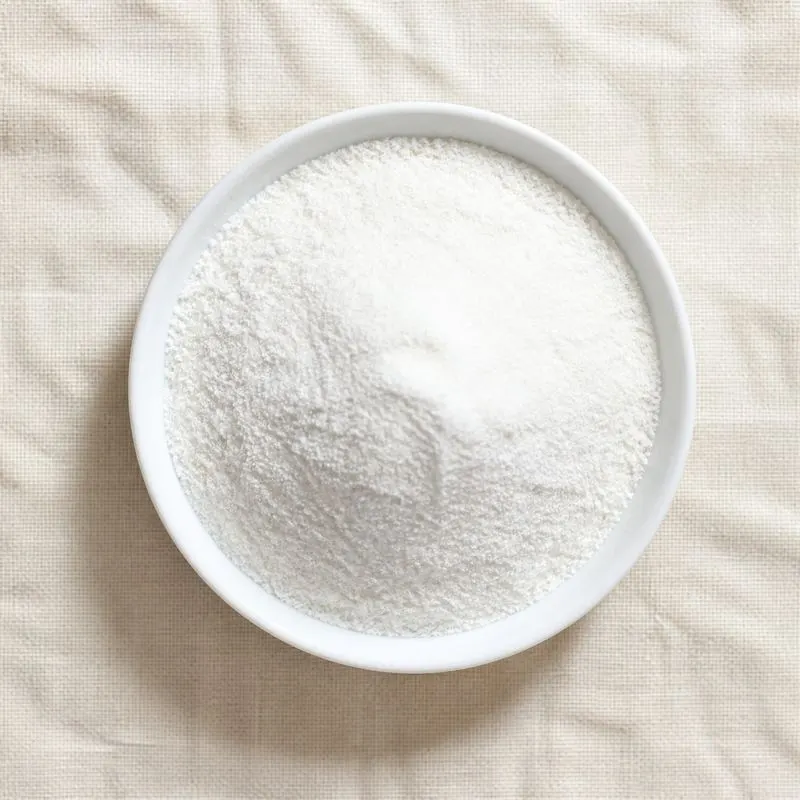
The product is a cream to light tan free-flowing powder standardised on maltodextrin or rice flour, and is filled into capsules, compressed into tablets or blended into powder drink mixes. It is hygroscopic and loses activity in warm humid storage, so it is packed with a desiccant and specified against declared activity per gram for each component rather than by total weight.
or call +86-21-6858 0751
- Function
- Enzyme
Specifications
| Item | Specification |
|---|---|
| Appearance | Cream to light tan free-flowing powder |
| Protease Activity | Standardised to label claim, assay conditions as stated |
| Amylase Activity | Standardised to label claim, assay conditions as stated |
| Lipase Activity | Standardised to label claim, assay conditions as stated |
| Lactase Activity | Standardised to label claim, assay conditions as stated |
| Loss on Drying | ≤ 7.0% |
| Ash | ≤ 10.0% |
| Heavy Metals (as Pb) | ≤ 20 mg/kg |
| Lead | ≤ 3 mg/kg |
| Arsenic | ≤ 2 mg/kg |
| Total Plate Count | ≤ 20,000 cfu/g |
| Yeast and Mould | ≤ 500 cfu/g |
| E. coli | Absent in 25 g |
| Salmonella | Absent in 25 g |
Common Markets Grades
These products are traded as custom blends rather than as a single article, so the grade is defined by the activity table on the specification sheet: each component enzyme is listed with its own unit system and assay conditions, and the blend is standardised so that a stated dose delivers the label claim. Overage is normally built in to cover activity loss over the declared shelf life.
Common variants are a general macronutrient blend, a high-protease blend for protein supplement users, a lactose-focused blend built around lactase, and a blend weighted towards alpha-galactosidase and cellulase for plant-heavy diets. Vegetarian and vegan positions exclude pancreatin, ox bile and any animal-derived component. Physical options are uncoated powder, direct compression grades with added flow aids, and enteric or delayed-release granulations for the acid-sensitive activities.
Applications
- Digestive enzyme capsules and tablets, taken with meals to supplement the body's own enzyme output
- Lactose intolerance products, where the lactase fraction hydrolyses milk sugar in dairy-containing meals
- Protein supplement blends, where added protease is included alongside whey or plant protein in ready-to-mix powders
- Meal replacement and clinical nutrition powders, aiding breakdown of a mixed macronutrient load
- Plant-based diet supplements, with alpha-galactosidase for the oligosaccharides in beans and pulses
- Sports nutrition, added to high-protein and high-carbohydrate formulas for gastrointestinal comfort
- Senior nutrition products, addressing the reduced digestive secretion associated with age
- Companion animal supplements, formulated as a powder topper for cats and dogs
- Functional beverage and gummy formats, where a stable subset of the activities survives the process
Brands Using Digestive Enzyme Complex
Widely-distributed consumer products that list Digestive Enzyme Complex on the ingredient label.
- CodeageFermented Digestive Enzymes ↗A capsule built on a 14 enzyme complex covering protease, amylase, glucoamylase, cellulase, lipase, lactase and others, with probiotics and prebiotics added.Label verified 2026-08-31
- Micro IngredientsSuper Enzymes + Prebiotics & 1 Billion CFU Probiotics ↗A veggie capsule delivering a 20 enzyme digestive complex including amylase, papain and bromelain alongside 200 mg of prebiotics and 1 billion CFU of probiotics.Label verified 2026-08-31
- Amy Myers MDComplete Enzymes ↗A digestive enzyme capsule using a plant and microbial enzyme blend covering protein, peptides, carbohydrates, disaccharides, sugars, fats and vegetable fibre.Label verified 2026-08-31
Brand names, product names and logos are the property of their owners. They appear here as published evidence that the ingredient is used, taken from the brand's own label or website. Their appearance is not an endorsement, and it does not mean the brand buys from us or from any manufacturer listed on this site.
Regulatory Status
In the United States these blends are sold as dietary supplement ingredients under the Dietary Supplement Health and Education Act, manufactured to the dietary supplement good manufacturing practice rules in 21 CFR Part 111. The individual enzyme components are supported either by affirmed generally recognised as safe regulations or by GRAS notices filed with the Food and Drug Administration for the specific enzyme and production organism, and structure and function claims made on the label must be substantiated and carry the required disclaimer.
In the European Union enzymes intended as food ingredients fall under Regulation (EC) No 1332/2008 on food enzymes, and Directive 2002/46/EC governs food supplements, together with national rules that vary between member states on whether enzymes may be sold as supplement ingredients at all. Digestive health claims are controlled by the health claim regulation, and few enzyme claims are authorised. The Joint FAO/WHO Expert Committee on Food Additives publishes general specifications for enzyme preparations used in food processing, which underpin the purity limits on commercial certificates.
Manufacturing Process
The individual enzymes are produced separately by submerged or solid state fermentation of food grade fungal and bacterial strains. Solid state culture on wheat bran and similar substrate is common for Aspergillus oryzae enzymes, while submerged aerated fermentation in stirred vessels is used for most others. Each culture is grown from a working cell bank through seed stages and held under controlled temperature, pH and aeration until secreted activity peaks.
Each broth or solid culture is extracted, clarified by filtration or centrifugation, concentrated and desalted by ultrafiltration, then blended with carrier and spray dried or vacuum dried at a temperature low enough to preserve activity. The dried single enzymes are assayed, and the blend is produced by weighing each component against its measured activity into a ribbon or tumble blender with the carrier and any flow aid. The finished blend is re-assayed for every declared activity, sieved, and packed with desiccant in moisture barrier film before capsule filling or tabletting.