Lactase
Lactase, known in enzymology as beta-galactosidase, hydrolyses the disaccharide lactose into its two constituent monosaccharides, glucose and galactose. The reaction is the basis of every lactose-free dairy product on the market and of the digestive supplements taken by people whose intestinal lactase output has declined after weaning.
Hydrolysis changes more than digestibility. Glucose and galactose are sweeter than lactose, so a lactose-free milk tastes noticeably sweeter than the milk it was made from without any added sugar, and they are far more soluble, which removes the sandy crystallisation that limits how much lactose can be carried in ice cream and condensed milk. At high substrate concentration the same enzyme also runs a transgalactosylation side reaction that builds galacto-oligosaccharides, which is how that prebiotic is manufactured.
Commercial lactase comes from two source families with different working windows. Yeast lactase from Kluyveromyces lactis works near pH 6.5 to 7 and suits milk and whey, while fungal lactase from Aspergillus oryzae and Aspergillus niger works around pH 4.5 to 5 and suits acid whey, fermented products and stomach conditions in supplements. Products take two forms, sterile liquid concentrates for aseptic dosing into milk and spray dried powders for supplements and dry blends.
We source bulk Lactase from top China manufacturers for our partners. The manufacturer is in Hubei. A smaller requirement can ship in a combined container with other ingredients.
Please send the grade you need, the volume and your destination port, and we will come back with a solution and a price.
or call +86-21-6858 0751
Specifications
| Item | Specification |
|---|---|
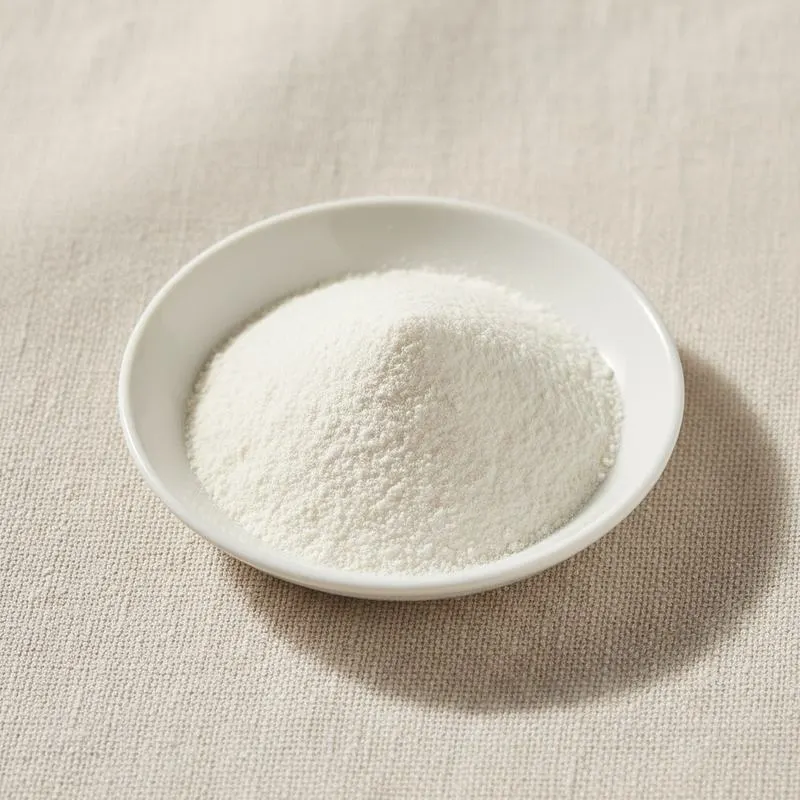
| Appearance | Clear amber liquid or cream free-flowing powder |
| Declared Activity | Standardised to label claim in lactase units per gram |
| Identification | Hydrolysis of lactose to glucose and galactose confirmed by chromatography |
| Optimum pH | 6.5 to 7.0 neutral grade, 4.5 to 5.0 acid grade |
| Stabiliser | Glycerol for liquid grade, maltodextrin for powder |
| Loss on Drying | ≤ 8.0% for dry grades |
| Residue on Ignition | ≤ 10.0% |
| Heavy Metals (as Pb) | ≤ 30 mg/kg |
| Lead | ≤ 5 mg/kg |
| Arsenic | ≤ 3 mg/kg |
| Total Plate Count | ≤ 10 cfu/g for sterile liquid, ≤ 50,000 cfu/g for powder |
| Yeast and Mould | ≤ 100 cfu/g |
| E. coli | Absent in 25 g |
| Salmonella | Absent in 25 g |
Common Markets Grades
Grades divide first by source and pH optimum. Neutral lactase from Kluyveromyces lactis is the dairy processing grade, sold as a sterile-filtered liquid concentrate in glycerol that can be dosed aseptically into pasteurised or ultra-high-temperature milk without introducing microbial load. Acid lactase from Aspergillus is the supplement and acid whey grade, a powder that survives gastric conditions. A thermostable Bacillus grade is used where hydrolysis is carried out at high temperature.
Activity is declared in neutral lactase units, acid lactase units or FCC lactase units depending on the assay, and the assay conditions are stated because the numbers are not interchangeable. Physical grades cover sterile liquid, spray dried powder standardised on maltodextrin, tablet-grade powder with flow aids for supplement compression, and immobilised preparations for continuous column hydrolysis of whey streams.
Applications
- Lactose-free milk, where the enzyme is dosed aseptically after heat treatment and hydrolyses lactose during distribution and storage
- Lactose-free yoghurt, cream and dairy desserts, giving a sweeter product without added sugar
- Ice cream and frozen dessert, preventing the lactose crystallisation that causes sandy texture in high-solids formulations
- Condensed and evaporated milk, allowing higher solids without crystal formation on storage
- Whey processing, hydrolysing lactose in permeate to produce sweet syrups and to avoid crystallisation in spray drying
- Galacto-oligosaccharide manufacture, using the transgalactosylation reaction at high lactose concentration
- Digestive supplements in capsule, tablet and drop form, taken with dairy-containing meals
- Infant formula and follow-on products, adjusting the carbohydrate profile and supporting lactose-reduced variants
- Bakery and confectionery using dairy ingredients, where hydrolysis raises sweetness and browning through the released monosaccharides
- Animal feed milk replacers, improving lactose utilisation in young stock
Brands Using Lactase
Widely-distributed consumer products that list Lactase on the ingredient label.
- Nature's WayCompleteGest ↗A vegan digestive enzyme capsule whose blend includes lactase alongside amylase, protease and lipase.Label verified 2026-08-31
- Double Wood SupplementsDigestive Enzymes Supplement ↗The ten-enzyme blend lists lactase at 200 ALU per serving with bromelain, invertase, lipase and papain.Label verified 2026-08-31
- BulkSupplements.comLactase Enzyme (3000 ALU) Powder ↗A single-ingredient lactase enzyme powder rated at 3000 ALU, sold for digesting dairy.Label verified 2026-08-31
- CodeageFermented Digestive Enzymes ↗Lactase is one of the enzymes in this fermented blend, listed with protease, amylase, cellulase, lipase and phytase.Label verified 2026-08-31
Brand names, product names and logos are the property of their owners. They appear here as published evidence that the ingredient is used, taken from the brand's own label or website. Their appearance is not an endorsement, and it does not mean the brand buys from us or from any manufacturer listed on this site.
China Manufacturers of Lactase
Top Lactase manufacturers in China.

Company names and logos are the property of the manufacturers themselves. They are listed here because our own directory records them as producing this ingredient. A listing is not an endorsement by them, and we do not represent them or speak on their behalf.
Regulatory Status
In the United States generally recognised as safe determinations clear lactase enzyme preparations from Kluyveromyces lactis and from Aspergillus oryzae and Aspergillus niger for food use, with GRAS notices filed with the Food and Drug Administration for the specific enzyme and production organism. Where the enzyme is used to make a lactose-free dairy product it acts during manufacture and is handled as a processing aid, while lactase sold in capsules and drops is marketed as a dietary supplement under the dietary supplement rules and the good manufacturing practice requirements of 21 CFR Part 111.
In the European Union lactase is a food enzyme under Regulation (EC) No 1332/2008, with dossiers assessed by the European Food Safety Authority ahead of entry onto the Union list, and no E number applies. Claims about lactose digestion made on supplement packs are controlled by the health claim regulation, which has authorised a lactase claim for people with lactose intolerance under stated conditions of use. The Joint FAO/WHO Expert Committee on Food Additives has evaluated lactase preparations and publishes identity and purity specifications alongside its general specifications for enzyme preparations used in food processing.
Manufacturing Process
Lactase is produced by submerged fermentation of the chosen production organism. Kluyveromyces lactis yeast is grown on a whey or lactose-containing medium, since lactose induces the enzyme, while Aspergillus strains are grown on a carbohydrate and organic nitrogen medium under aerobic conditions. In each case a working cell bank is taken through seed stages into a stirred aerated fermenter and held under controlled temperature, pH, dissolved oxygen and feed rate until enzyme content peaks.
Yeast lactase is intracellular, so the harvested biomass is separated by centrifugation and the cells are disrupted mechanically or by autolysis to release the enzyme. Cell debris is removed by centrifugation and microfiltration, and the extract is concentrated and desalted by ultrafiltration, then stabilised in glycerol and passed through a sterilising grade filter into sterile containers, which is what allows aseptic dosing into finished milk. Fungal lactase is secreted, so the broth itself is clarified, ultrafiltered, blended with maltodextrin and spray dried at low inlet temperature. Every lot is assayed and standardised to the declared activity before packing.