Disodium 5 Ribonucleotides
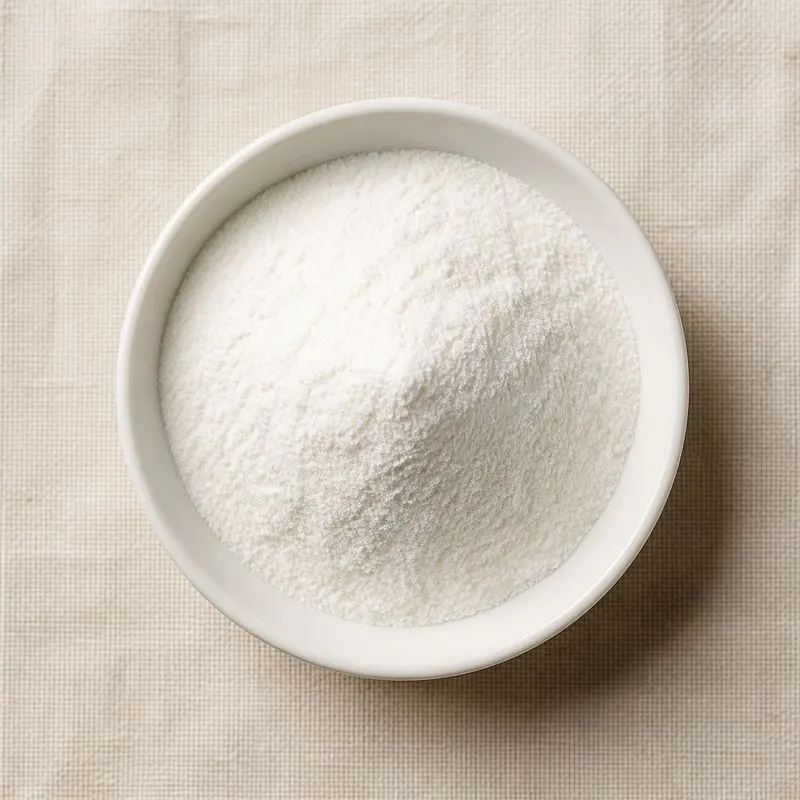
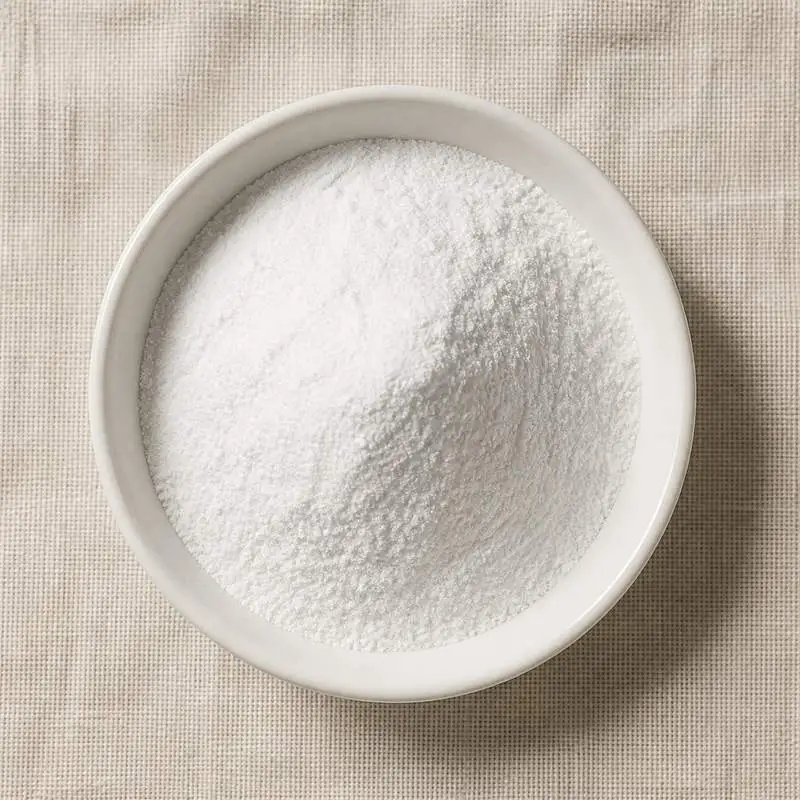
Disodium 5-ribonucleotides is the flavour enhancer made by combining disodium 5-inosinate and disodium 5-guanylate, conventionally in equal parts, and is known throughout the seasoning trade by the shorthand I plus G.
Both components are the sodium salts of purine nucleoside monophosphates, inosine 5-monophosphate and guanosine 5-monophosphate, and both are natural constituents of meat, fish and dried mushroom. They act on the umami taste receptor, but their commercial value lies less in their own taste than in synergy: in the presence of glutamate the perceived umami intensity rises far above the sum of the parts, so a small addition of the nucleotide blend allows a substantial reduction in the monosodium glutamate or salt a formulation needs.
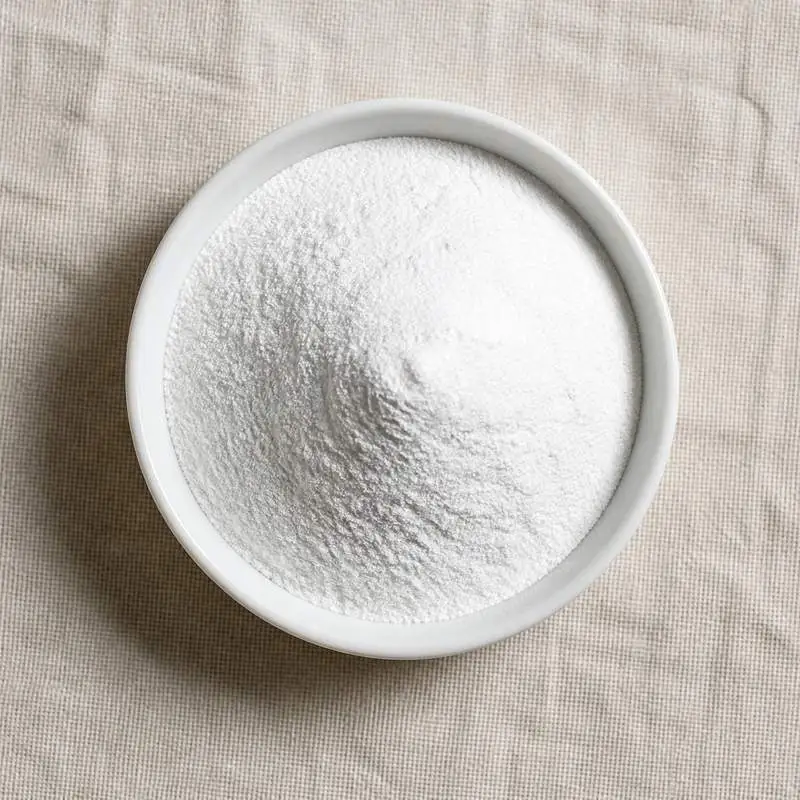
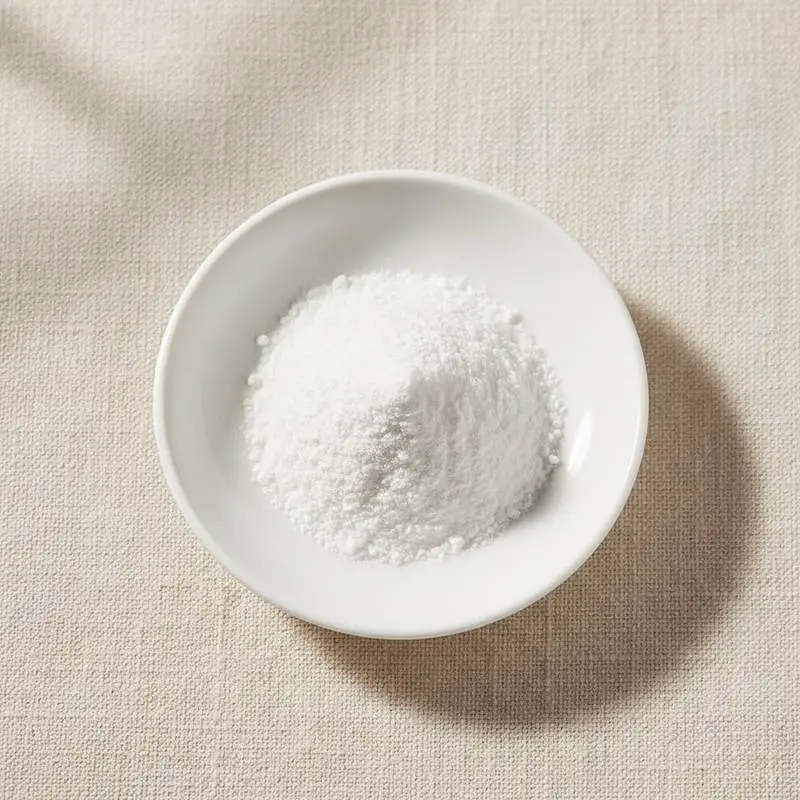
It is a white to off-white crystalline powder or colourless crystals, odourless, freely soluble in water and practically insoluble in ethanol, giving near neutral solutions. It is stable to normal cooking and retorting. The one significant formulation constraint is enzymatic: raw plant and animal materials contain phosphatases that cleave the 5-phosphate group and destroy the activity, so in fresh or lightly processed systems the enzymes must be heat inactivated before the nucleotide is added.
We source bulk Disodium 5 Ribonucleotides from top China manufacturers for our partners. The manufacturer is in Henan. A smaller requirement can ship in a combined container with other ingredients.
Please send the grade you need, the volume and your destination port, and we will come back with a solution and a price.
or call +86-21-6858 0751
Specifications
| Item | Specification |
|---|---|
| Appearance | White to off-white crystalline powder |
| Identification | Ultraviolet absorption conforms to reference |
| Assay, anhydrous basis | Not less than 97.0% |
| Inosinate to Guanylate Ratio | 48:52 to 52:48 |
| Loss on Drying | Not more than 25.0% |
| pH, 5% solution | 7.0 to 8.5 |
| Clarity of Solution | Clear and colourless at 5% |
| Ammonium | Not more than 0.2% |
| Other Nucleotides | Not more than 1.0% |
| Lead | Not more than 1.0 mg/kg |
| Arsenic | Not more than 1.0 mg/kg |
| Total Plate Count | Not more than 1,000 CFU/g |
| Yeast and Mould | Not more than 100 CFU/g |
| Salmonella | Absent in 25 g |
Common Markets Grades
The standard article of trade is the equal parts blend of the two salts, assaying 97 percent or higher on the anhydrous basis, and is sold as a fine crystalline powder. The individual salts, disodium inosinate and disodium guanylate, are traded separately at comparable purity for formulators who want to set their own ratio, since guanylate is the stronger of the two on a weight basis and mushroom style seasonings are sometimes weighted towards it.
Beyond the ratio the variables are physical. Particle size options run from fine powder for dry seasoning blends through to a granular grade matched to the particle size of monosodium glutamate and salt, which matters because a fine powder segregates out of a coarse blend during handling and transport. Pre-blended umami seasonings, in which the nucleotides come already combined with glutamate at a fixed ratio, are a large part of the market and are graded on the declared nucleotide percentage rather than on assay of the salts themselves.
Applications
- Savoury seasoning blends and bouillon cubes, where a small addition replaces a much larger weight of glutamate
- Instant noodle soup bases and sachet seasonings, the single largest volume application
- Snack seasonings for crisps and extruded snacks, dosed onto the surface with the flavour dust
- Processed meat and sausage, where it restores savoury depth lost during comminution and cooking
- Sodium reduced formulations, where umami synergy compensates for the flavour loss when salt is cut
- Soy sauce, oyster sauce and other savoury condiments, added after pasteurisation to avoid phosphatase attack
- Canned and retorted soups, stews and ready meals, where it survives the sterilisation cycle
- Plant based meat analogues, supplying the savoury character the vegetable protein base lacks
- Dried mushroom and seafood style seasonings, where the guanylate weighted blends match the natural profile
China Manufacturers of Disodium 5 Ribonucleotides
Top Disodium 5 Ribonucleotides manufacturers in China.
Company names and logos are the property of the manufacturers themselves. They are listed here because our own directory records them as producing this ingredient. A listing is not an endorsement by them, and we do not represent them or speak on their behalf.
Regulatory Status
In the United States, the food additive regulations in 21 CFR Part 172, subpart F authorise disodium inosinate and disodium guanylate as flavour enhancers, and they are used at levels consistent with good manufacturing practice. They must be declared by name in the ingredient statement. Because they are derived from nucleotide sources and are often paired with glutamate, they are the subject of labelling scrutiny rather than of use restrictions.
In the European Union, the combined product is authorised as food additive E 635, disodium 5-ribonucleotides, with the individual salts designated E 627 for disodium guanylate and E 631 for disodium inosinate. All three are regulated under the food additives framework, with permitted categories and maximum levels set in its annexes and purity criteria in the accompanying specifications regulation, and they are not permitted in foods for infants and young children. JECFA has evaluated the ribonucleotide flavour enhancers and publishes specifications for them, and Codex lists them in its general standard for food additives as flavour enhancers across a range of savoury categories.
Manufacturing Process
Both salts are made by fermentation. In the dominant route, engineered strains of Corynebacterium or Bacillus are grown in submerged culture on a glucose or molasses medium with a defined nitrogen and phosphate supply, and are selected or modified so that they accumulate and excrete the nucleoside monophosphate directly, or accumulate the nucleoside for a subsequent phosphorylation step. An alternative route degrades yeast ribonucleic acid: RNA rich yeast biomass is lysed, the nucleic acid extracted, and a 5-phosphodiesterase of microbial origin cleaves it into the four constituent 5-nucleotides, from which inosinate is obtained by deaminating the adenylate fraction with adenylate deaminase.
Downstream processing is common to both. The broth or digest is heated to stop the reaction and clarified by centrifugation and membrane filtration to remove cells and debris. The clarified liquor is loaded onto ion exchange resin, which separates the target nucleotide from residual sugars, amino acids, inorganic phosphate and the other nucleotides, and the eluate is decolourised on activated carbon. Sodium hydroxide is used to adjust the solution to the disodium salt, which is then concentrated under vacuum at low temperature and crystallised by cooling and by seeding, sometimes with ethanol as an antisolvent. Crystals are centrifuged, washed, dried under vacuum, then milled or granulated to the specified particle size. Finally the inosinate and guanylate streams are dry blended in the declared ratio, sieved, metal checked and packed.