Fermented Whey
Fermented whey is whey, the liquid fraction left after casein is removed in cheese or casein manufacture, that has been fermented with a food culture and then dried or concentrated as the whole broth. It occupies two distinct positions in the market: as a shelf life ingredient carrying the organic acids the culture produced, and as a dairy flavour ingredient carrying the acid, diacetyl and peptide profile of a cultured dairy product.
Whey is an attractive substrate for fermentation because it is abundant, cheap, and contains lactose, soluble protein, minerals and vitamins, which together make a medium that most lactic acid bacteria and propionibacteria grow on without much supplementation. The culture used determines the outcome. Lactococci and lactobacilli convert lactose to lactic acid and produce diacetyl and acetoin, giving a buttery cultured note. Propionibacterium freudenreichii converts lactate to propionic and acetic acid, producing the material used against moulds and against rope in bread, and also the compounds responsible for the flavour of Swiss type cheese. Bacteriocin producing strains contribute nisin like activity in some preparations.
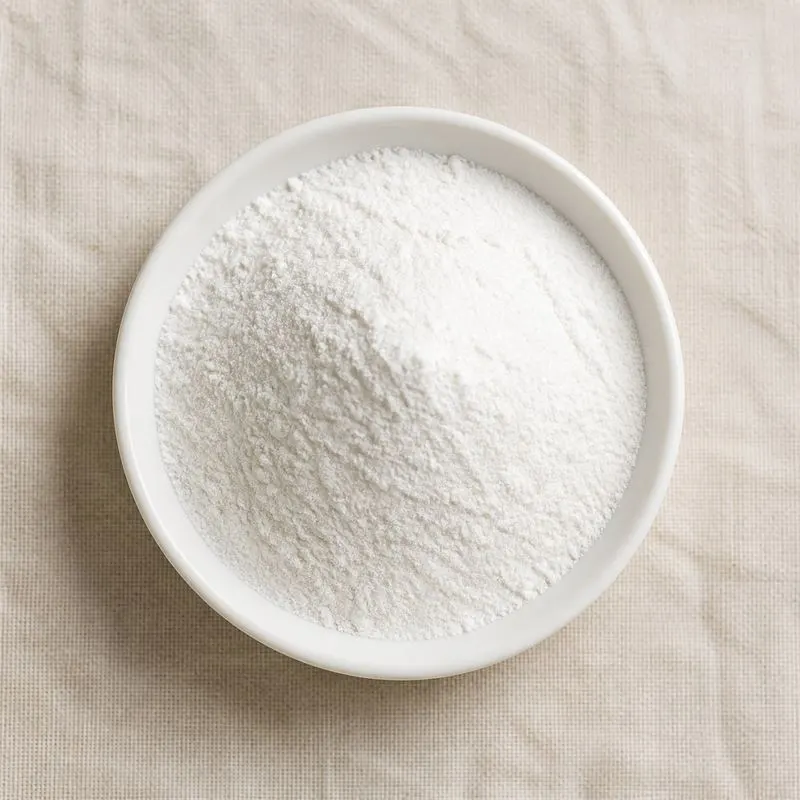
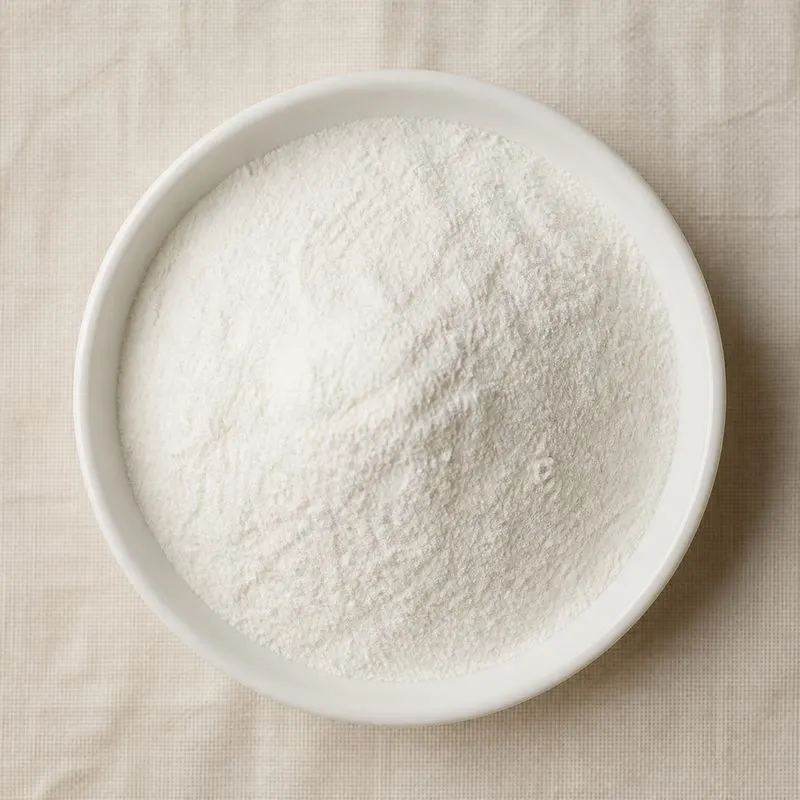
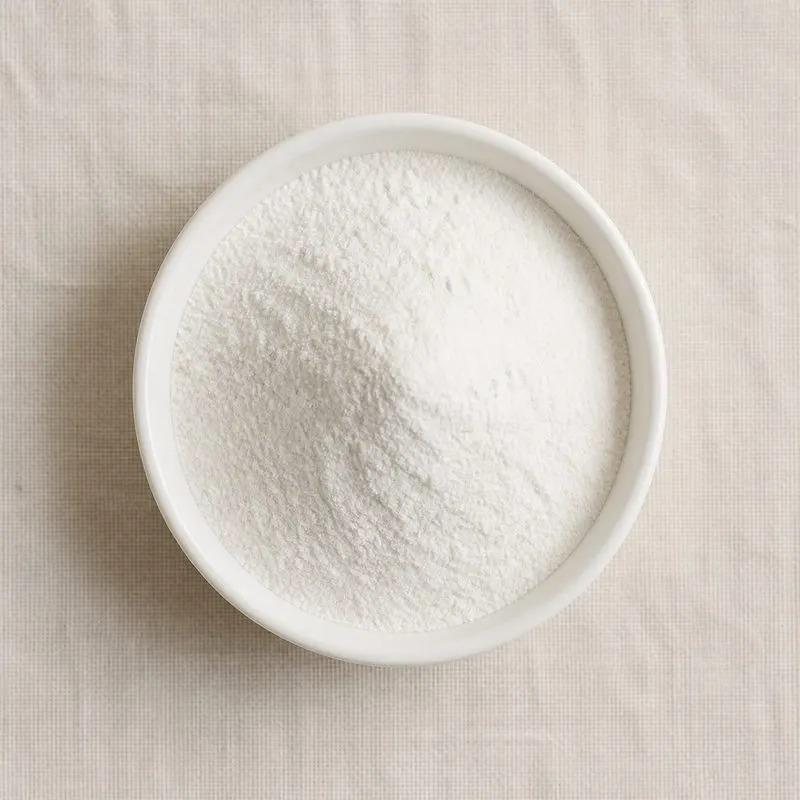
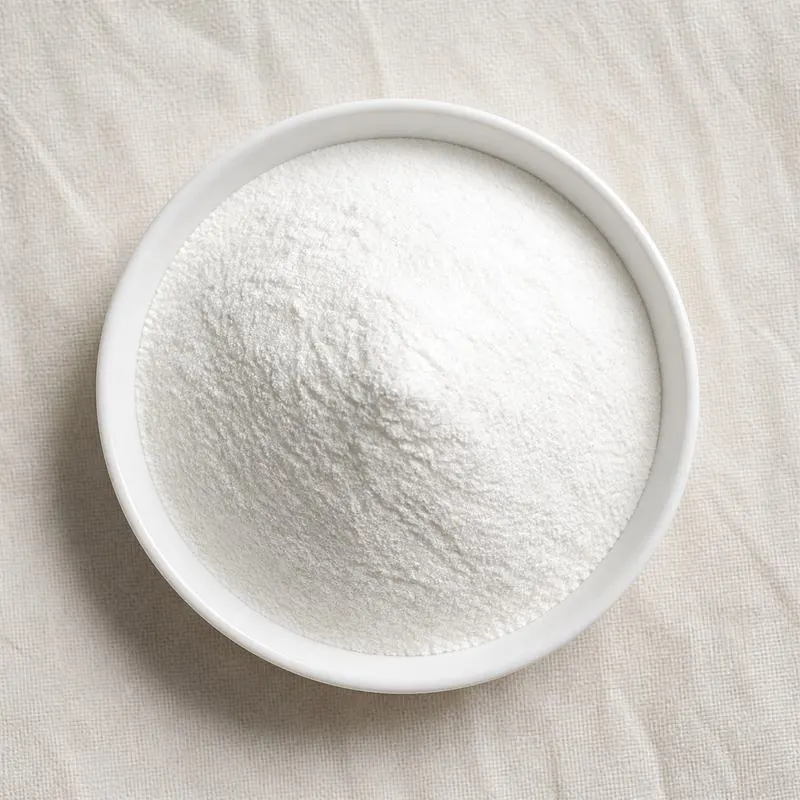
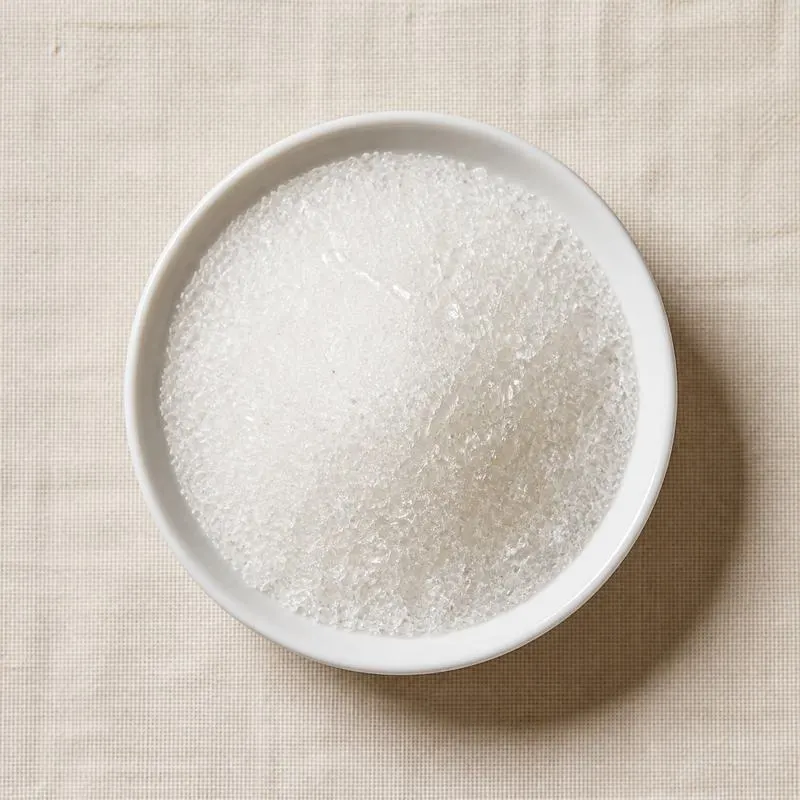
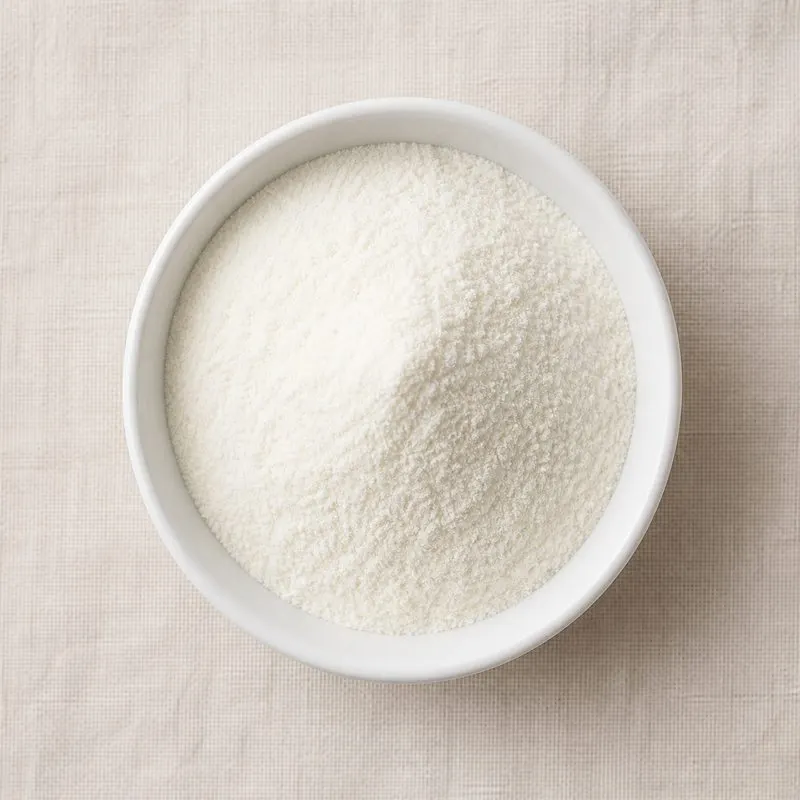
The traded material is a cream to light tan free flowing powder with a cultured dairy or cheesy aroma, soluble in water, and hygroscopic. Composition reflects the whey it was made from, so lactose and mineral content are substantial unless the whey was demineralised or the lactose was largely consumed, and both figures belong on the specification. Because the base is a dairy material, the powder carries a milk allergen declaration in every market.
We source bulk Fermented Whey from top China manufacturers for our partners. The manufacturer is in Jiangsu. A smaller requirement can ship in a combined container with other ingredients.
Please send the grade you need, the volume and your destination port, and we will come back with a solution and a price.
or call +86-21-6858 0751
- Function
- Probiotic
Specifications
| Item | Specification |
|---|---|
| Appearance | Cream to light tan free flowing powder |
| Odour and Taste | Cultured dairy or cheesy, free from foreign odour |
| Propionic Acid (propionate grades) | Not less than 8.0 percent |
| Total Organic Acids | Not less than 15.0 percent |
| Identification | Acid profile conforms to reference by chromatography |
| Protein (Nitrogen x 6.38) | Within declared range for the whey base used |
| Lactose | Within declared range |
| Ash | Not more than 12.0 percent |
| Loss on Drying | Not more than 5.0 percent |
| pH of 10 percent Solution | 4.0 to 6.0 |
| Lead | Not more than 1 mg/kg |
| Arsenic | Not more than 1 mg/kg |
| Total Plate Count | Not more than 10000 cfu/g |
| Coliforms | Not more than 10 cfu/g |
| Yeast and Mould | Not more than 100 cfu/g |
| Escherichia coli | Absent in 10 g |
| Salmonella | Absent in 25 g |
Common Markets Grades
The first grade distinction is function and therefore culture. Propionate bearing grades are specified on propionic and acetic acid content and are directed at bakery and at meat. Lactic and diacetyl grades are specified on lactic acid and on the flavour compounds and are directed at dairy, bakery flavour and prepared foods. Grades produced with bacteriocin forming strains are additionally specified on antimicrobial activity in a defined assay rather than on acid alone.
The second is the whey base. Sweet whey from rennet coagulated cheese and acid whey from fresh cheese and yoghurt manufacture behave differently, acid whey carrying more lactic acid and minerals and less protein before fermentation even begins. Demineralised whey is used where the ash contribution of a standard whey powder would be unacceptable in the finished food, and whey permeate, which is largely lactose, is used where the protein fraction is not wanted. The third axis is concentration and form: dried whole broth is the standard, concentrated grades allow lower addition rates where flavour or lactose contribution is limiting, and liquid concentrates are traded for plants that dose continuously. Grades are also distinguished by whether they have been validated against a microbiological challenge in a model food rather than released on acid assay alone.
Applications
- Bread and bakery products, where propionate bearing grades control mould and rope without a declared preservative
- Tortillas, wraps and part baked products, where mould limits ambient shelf life
- Ready to eat meat products, where the acetate and lactate fraction acts as a growth inhibitor
- Processed and analogue cheese, where the ferment supplies both acidity and cheese flavour
- Dairy desserts and cultured products, where the diacetyl fraction gives a buttery cultured note
- Savoury sauces, dips and dressings, where a cultured dairy character is wanted alongside shelf life extension
- Bakery fillings and cream products, where mould and yeast are the spoilage flora
- Snack seasonings, where the powder supplies a cheese or sour cream note in a dry blend
- Animal feed and pet food, where the ferment is used for palatability and gut health
- Plant based dairy alternatives, where a dairy derived ferment is acceptable to the formulation
Brands Using Fermented Whey
Widely-distributed consumer products that list Fermented Whey on the ingredient label.
- BrickHouse NutritionThe BrickHouse Whey ↗A protein powder built on fermented whey isolate, which the brand uses to make the product lactose free.Label verified 2026-08-31
- BrickHouse NutritionThe BrickHouse Whey Chocolate ↗The chocolate version of the same fermented whey isolate protein powder.Label verified 2026-08-31
Brand names, product names and logos are the property of their owners. They appear here as published evidence that the ingredient is used, taken from the brand's own label or website. Their appearance is not an endorsement, and it does not mean the brand buys from us or from any manufacturer listed on this site.
China Manufacturers of Fermented Whey
Top Fermented Whey manufacturers in China.

Company names and logos are the property of the manufacturers themselves. They are listed here because our own directory records them as producing this ingredient. A listing is not an endorsement by them, and we do not represent them or speak on their behalf.
Regulatory Status
In the United States fermented whey preparations are food ingredients, declared by names such as cultured whey or fermented whey powder, with milk declared as an allergen. Whey and cultured dairy ingredients are established food substances, and the acids produced are themselves generally recognised as safe. The point that remains unsettled is labelling: the Food and Drug Administration requires a chemical preservative to be declared with a statement of its function, so an ingredient added specifically for shelf life may be expected to carry that description, and the treatment of dairy fermentates used for that purpose has been debated rather than resolved. Use in meat and poultry products is additionally governed by the Food Safety and Inspection Service list of permitted substances.
In the European Union whey and cultured whey are foods rather than food additives and carry no E number, and milk requires allergen declaration. The food additives regulation defines an additive by the function it performs rather than by how it was made, so a whey fermentate added to a food specifically to preserve it falls within the definition of a preservative, and the Commission position that such fermentates should be authorised as additives applies to this class as it does to sugar based fermentates. Where the ingredient is genuinely added for flavour it is a food ingredient with flavouring properties under the flavourings regulation. Codex maintains standards for whey powders and for whey cheeses that define the base material, and its general standard for food additives covers the propionates, lactates and acetates as substances.
Manufacturing Process
Liquid whey from cheese or casein manufacture is collected, clarified to remove fines and residual fat, and pasteurised. Depending on the grade being made it may be demineralised by ion exchange or electrodialysis, or ultrafiltered to separate protein from permeate, and it is usually concentrated to raise the solids so that the fermentation runs at a workable substrate concentration. The medium is generally supplemented with a nitrogen source and with any growth factors the chosen organism needs, since whey alone is marginal for propionibacteria.
Fermentation is carried out anaerobically in stirred tanks with pH held by alkali addition, because the acids produced would otherwise stop the culture well before the target acid concentration is reached. A propionibacterial process is generally run in two stages, a lactic fermentation to convert lactose to lactate followed by the propionic stage in which lactate is converted to propionate and acetate, and it is slow, taking days rather than hours. The run is stopped at a defined acid concentration, and the whole broth is pasteurised, which stops the fermentation and kills the culture. There is no separation step: cells, metabolites and residual medium go forward together. The broth is standardised for acid content, concentrated under vacuum, and spray dried under conditions chosen so that the volatile acids are retained, then sieved, assayed for the marker acids and, in the better specifications, verified against a microbiological challenge in a model food, and packed under moisture barrier.