Nisin
Nisin is a 34-amino-acid antimicrobial peptide of the lantibiotic class, produced by certain strains of the lactic acid bacterium Lactococcus lactis. It acts against Gram-positive bacteria, including the spores and vegetative cells of Clostridium and Bacillus species, by forming pores in the cell membrane through binding to lipid II.
The molecule carries the formula C₁₄₃H₂₃₀N₄₂O₃₇S₇ with a CAS number of 1414-45-5. It is one of the few protein-based food preservatives accepted in the major regulated markets, and the only bacteriocin assigned a European E number.
We source bulk Nisin from top China manufacturers for our partners, working with several of them. The manufacturers are mostly in Henan, Shandong and Jiangsu. For this ingredient the minimum order is 500 kg and a 20-foot container takes 5.6 MT, and a smaller requirement can ship in a combined container with other ingredients.
Please send the grade you need, the volume and your destination port, and we will come back with a solution and a price.
or call +86-21-6858 0751
- Minimum order
- 500 kg
- Qty in 20' FCL
- 5.6 MT
- Packaging
- 20 kg fibre drum with double PE liner
- ISO 9001
- HACCP
- Halal
- Kosher
Specifications
| Item | Specification |
|---|---|
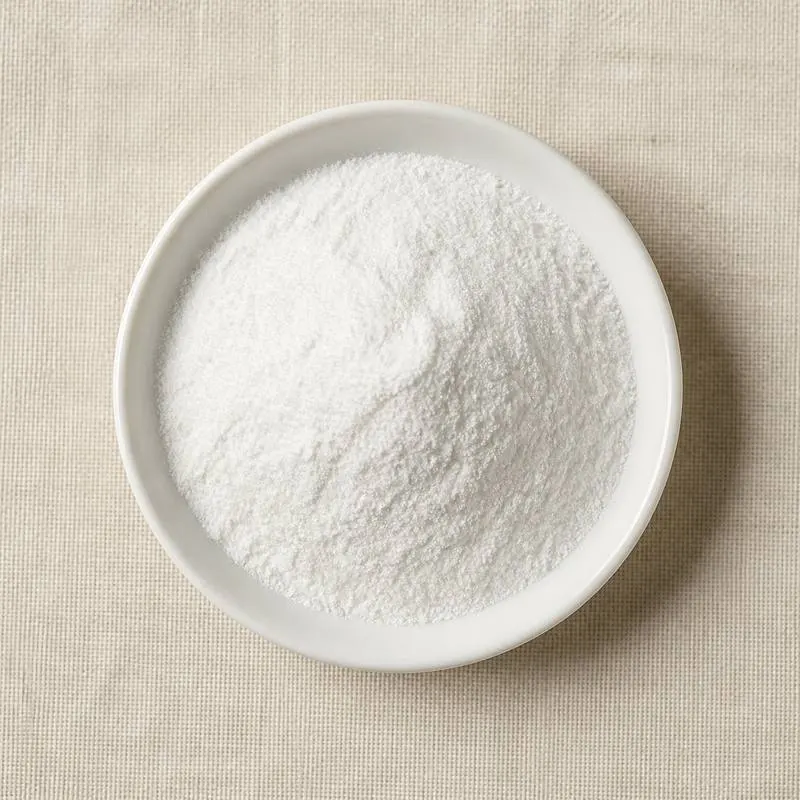
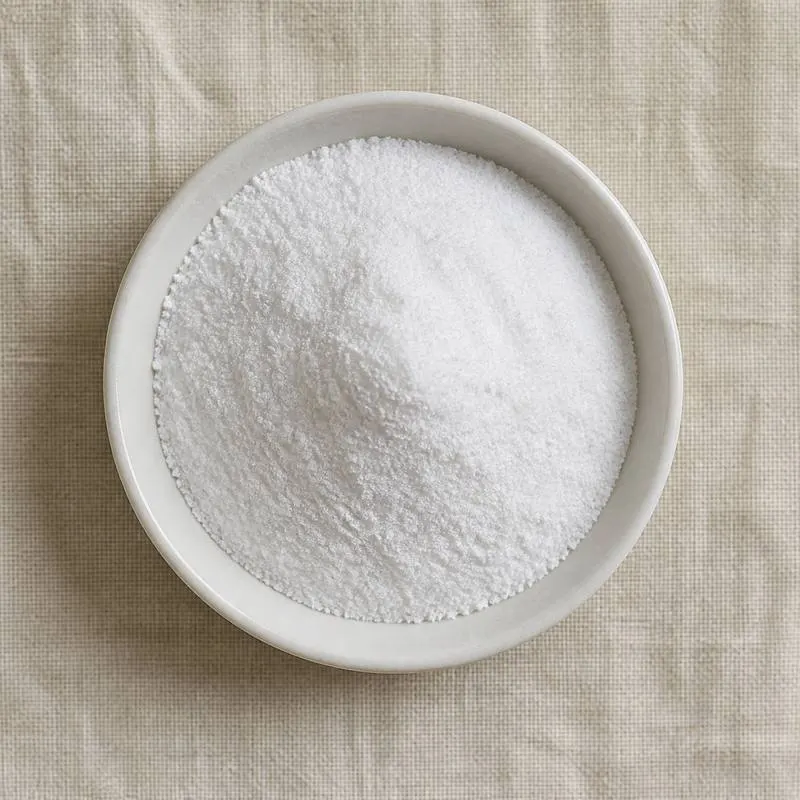
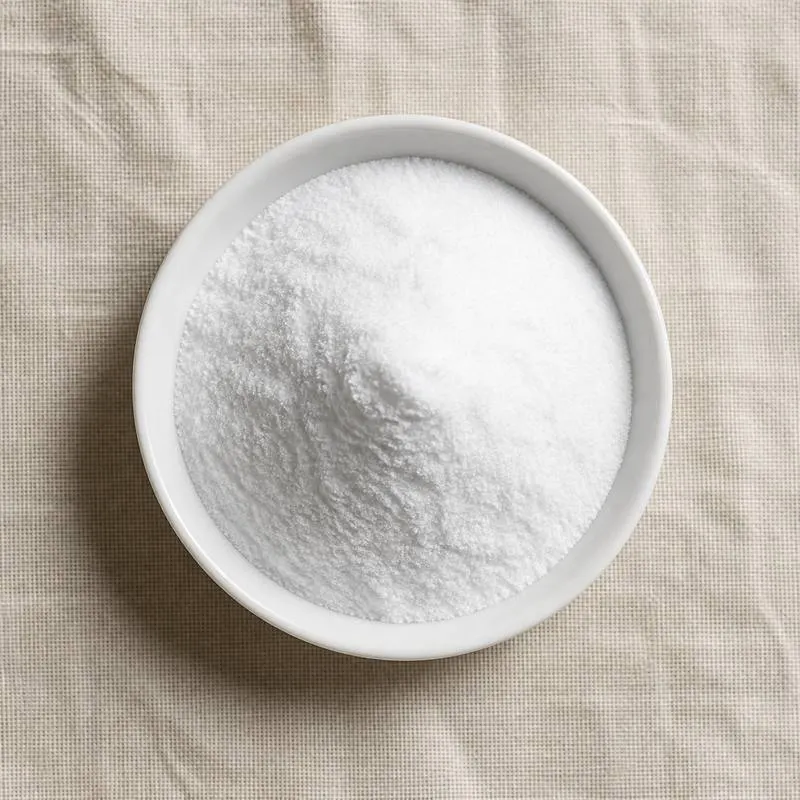
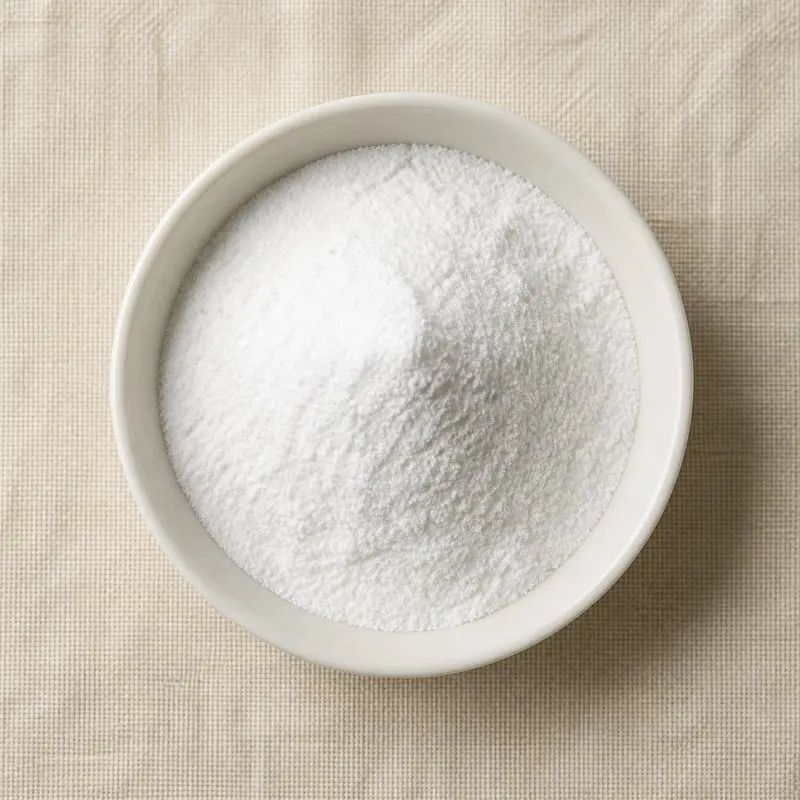
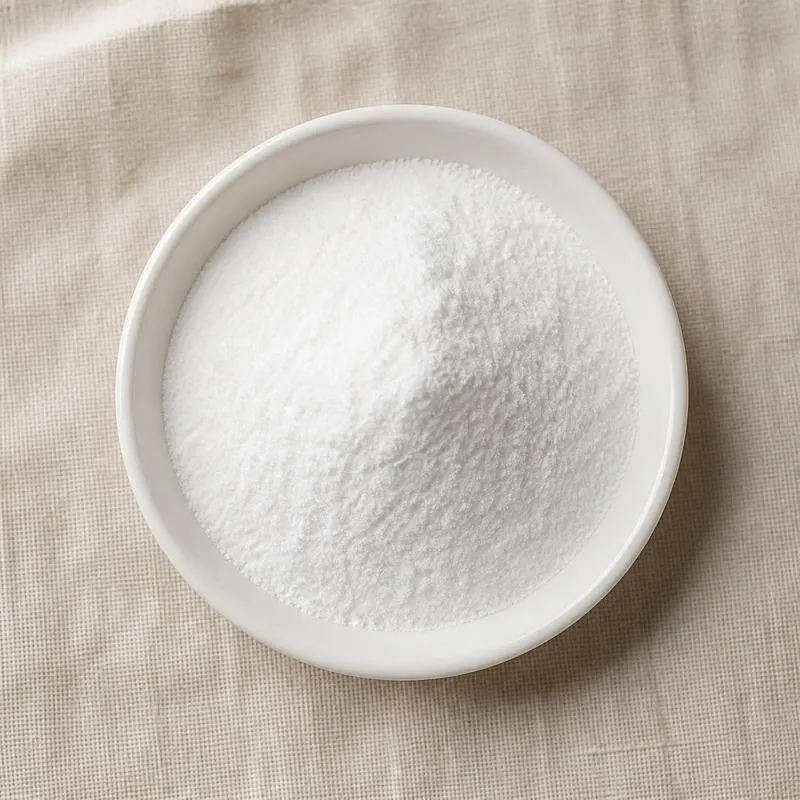
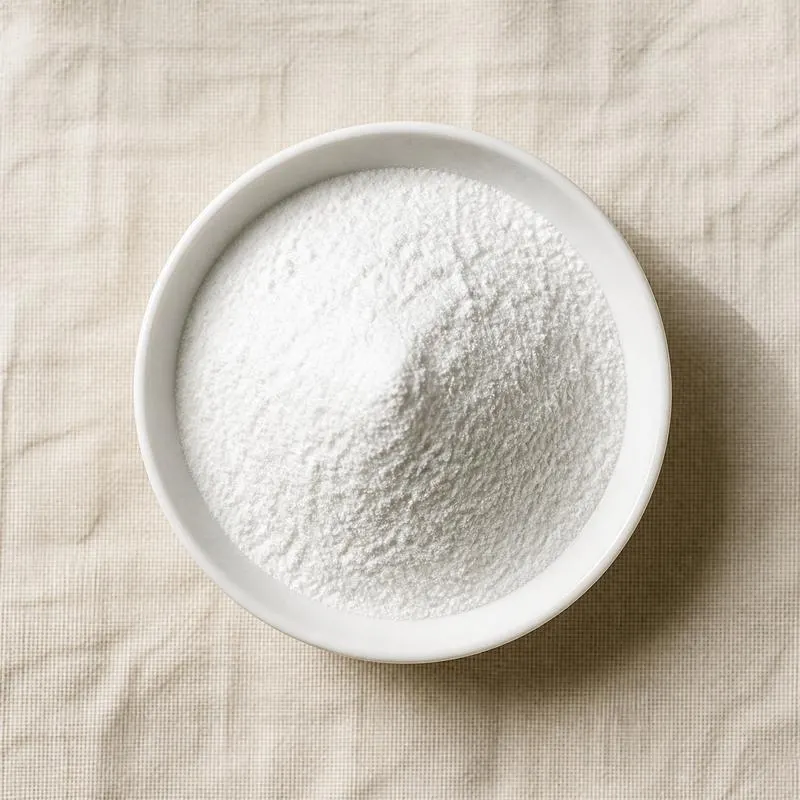
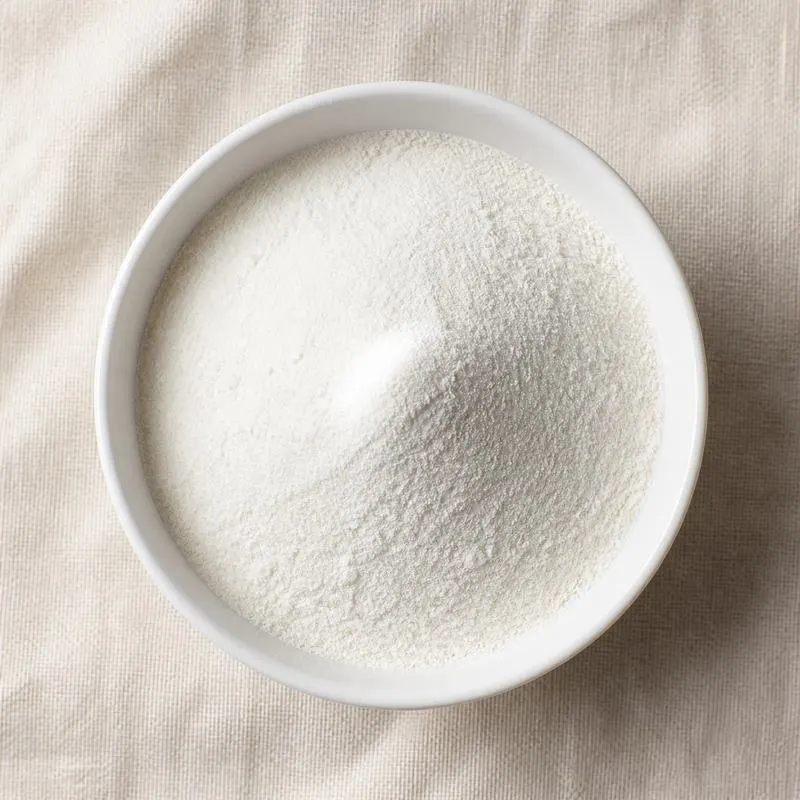
| Appearance | White to off-white powder |
| Activity | ≥ 1,000,000 IU/g (Nisin A) |
| Nisin content | ≥ 2.5% (standard) / ≥ 40% (premium) |
| Loss on drying | ≤ 3.0% |
| Heavy metals (as Pb) | ≤ 10 mg/kg |
| Arsenic | ≤ 1 mg/kg |
| Total plate count | ≤ 10 cfu/g |
| Yeast and mold | ≤ 10 cfu/g |
| E. coli | Negative |
| Salmonella | Negative |
Common Markets Grades
Nisin is graded by activity in International Units per gram. The international standard preparation contains 40 IU per microgram of pure nisin A.
The dominant commercial format is Nisin A at 1,000,000 IU per gram, typically sold diluted with sodium chloride and denatured milk solids as a stabilising carrier. This is the format covered by the food-additive listings in the European Union and the United States.
A higher-purity grade at 2.5 percent or 10 percent active is produced for pharmaceutical, dental, and research applications. Crystalline reference standards exist from pharmacopoeial bodies.
Some producers offer Nisin Z, a natural variant differing by a single amino acid, with very similar antimicrobial activity but greater diffusion in solid foods.
Applications
- Processed cheese, processed cheese spreads, and processed cheese slices to prevent gas-forming clostridial spoilage
- Cottage cheese, cream cheese, and ricotta to extend refrigerated shelf life
- Clotted cream and mascarpone in the European Union under the E234 listing
- Pasteurised liquid eggs and egg products to control Bacillus outgrowth
- Canned vegetables such as peas, mushrooms, and tomatoes to allow reduced thermal processing
- Beer and wine processing to suppress lactic spoilage organisms during fermentation
- Semolina, tapioca, and rice puddings in the European Union under specified maxima
- Plant-based dairy alternatives such as soy and oat puddings in regions that permit use
- Salad dressings and dips with refrigerated distribution
- Frankfurters, hot dogs, and bologna in markets that permit meat application
- Toothpaste and oral-care formulations for plaque-bacteria control
- Mastitis treatment formulations in veterinary medicine
Brands Using Nisin
Widely-distributed consumer products that list Nisin on the ingredient label.
Brand names, product names and logos are the property of their owners. They appear here as published evidence that the ingredient is used, taken from the brand's own label or website. Their appearance is not an endorsement, and it does not mean the brand buys from us or from any manufacturer listed on this site.
China Manufacturers of Nisin
Top Nisin manufacturers in China.
 Chihon Biotechnology Co., Ltd.8 ingredients in the directory
 Jiangsu TUA LLC6 ingredients in the directory
 Shandong Freda Biotechnology Co., Ltd.8 ingredients in the directory
 Weiri (Shandong) Bio-Tech Co., Ltd.7 ingredients in the directory
- Xinxiang Tianyi Biotechnology Co., Ltd.10 ingredients in the directory
 Yota Bio-engineering Co., Ltd.10 ingredients in the directory
 Zhejiang Silver Elephant Bioengineering Co., Ltd.12 ingredients in the directory
 Zhengzhou Bainafo Bioengineering Co., Ltd.8 ingredients in the directory
Company names and logos are the property of the manufacturers themselves. They are listed here because our own directory records them as producing this ingredient. A listing is not an endorsement by them, and we do not represent them or speak on their behalf.
How We Help Source Nisin
Direct Factory Sourcing
We run the whole process: selecting the manufacturer from the top Chinese food ingredient producers, negotiating the price, verifying quality, and coordinating the logistics. You deal with us instead of with several factories at once.
Original Packaging and Documents from the Manufacturer
The manufacturer sends your Nisin out of its own factory in the original packing, through to your destination port. The COA, COO, MSDS, TDS and any certifications reach you from the manufacturer as well.
Free Samples and Lead Time
We send 100 to 500 g free for your own laboratory to test and you cover only the courier, usually within 2 to 3 working days. ETD is usually within 7 to 15 days once the order is confirmed, and we check that date against the factory's own manufacturing schedule before we give it to you.
Combined Shipment
We can load Nisin together with other ingredients such as Calcium Propionate, Sodium Diacetate and Sodium Propionate into one 20' FCL. If your quantity is small, we can also ship LCL.
Regulatory Status
Nisin carries the European E number E234 and is permitted under Annex II of Regulation 1333/2008 in defined food categories at defined maxima. Permitted matrices include clotted cream, mascarpone, ripened and processed cheese, semolina and tapioca puddings, and similar products, with maxima generally in the range of 10 to 12.5 mg per kg.
In the United States, nisin holds GRAS status for use in pasteurised processed cheese spreads under 21 CFR 184.1538 at up to 250 ppm. Additional GRAS notifications cover use in liquid whole eggs, dips, dressings, and meat applications, with the most recent notifications expanding into ready-to-eat meat products.
JECFA evaluated nisin in 1969 and has reconfirmed its acceptability on several occasions. The substance has pharmacopoeial monographs in the European Pharmacopoeia and Food Chemicals Codex.
Halal and Kosher certifications are routinely available, with Kosher status dependent on the milk-based fermentation medium being certified.
Manufacturing Process
Nisin is produced by submerged fermentation of selected strains of Lactococcus lactis subsp. lactis.
Fermentation runs on a medium based on skim milk or whey, with sucrose or lactose as the carbon source. The peptide is secreted into the broth where it binds loosely to cell surfaces.
Downstream processing typically uses pH adjustment to drop the peptide out of solution, followed by foam fractionation or salt precipitation to concentrate the active. The concentrate is then spray-dried with sodium chloride and the residual milk solids that act as a natural stabilising matrix.
The finished powder is standardised by microbiological assay against the international standard to deliver a guaranteed activity in IU per gram. Higher-purity grades go through additional chromatographic steps to remove milk proteins.