Flaxseed Oil Diglyceride
Flaxseed Oil Diglyceride is a partial glyceride emulsifier produced by glycerolysis of cold-pressed flaxseed oil, in which two of the three glycerol hydroxyl groups are esterified with fatty acids drawn from the parent oil.
The fatty acid pool is dominated by alpha-linolenic acid (C18:3 n-3) at 50 to 60 percent, with linoleic acid and oleic acid making up most of the balance. The diglyceride backbone delivers surface-active behaviour while preserving the long-chain omega-3 profile of the source oil.
We source bulk Flaxseed Oil Diglyceride from top China manufacturers for our partners. The manufacturer is in Shandong. A smaller requirement can ship in a combined container with other ingredients.
Please send the grade you need, the volume and your destination port, and we will come back with a solution and a price.
or call +86-21-6858 0751
- Packaging
- 190 kg steel drum or 25 kg jerrican
- ISO 9001
- HACCP
- Halal
- Kosher
Specifications
Grades / Types Available: Food Grade, Feed Grade
| Item | Specification |
|---|---|
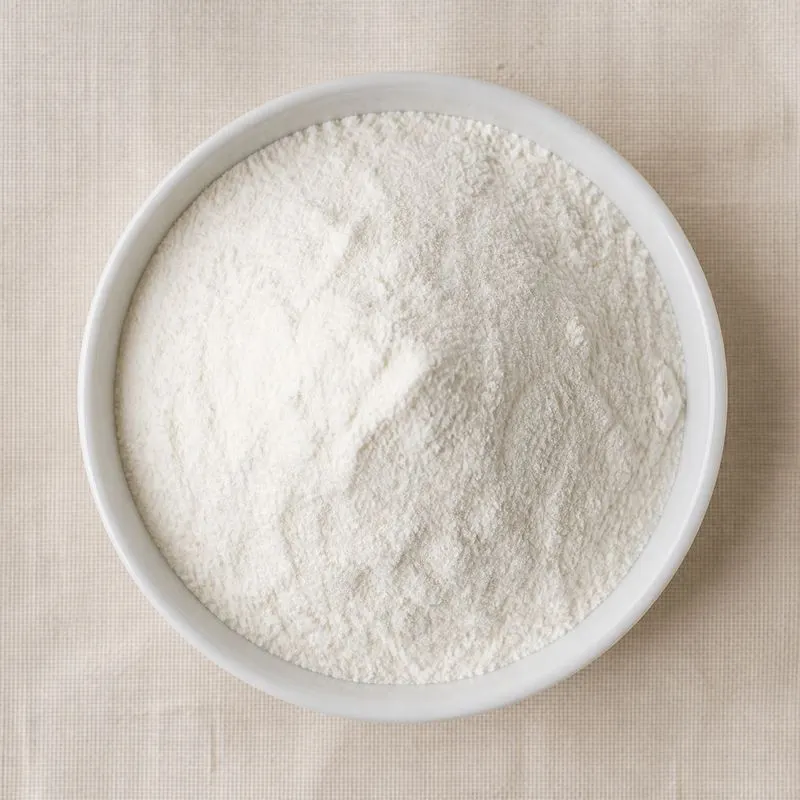
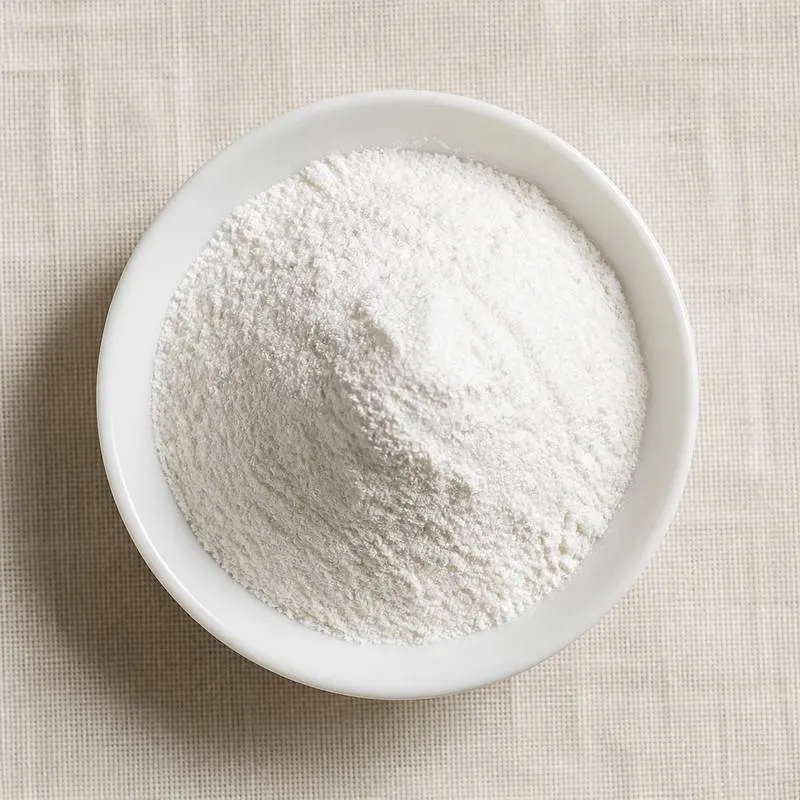
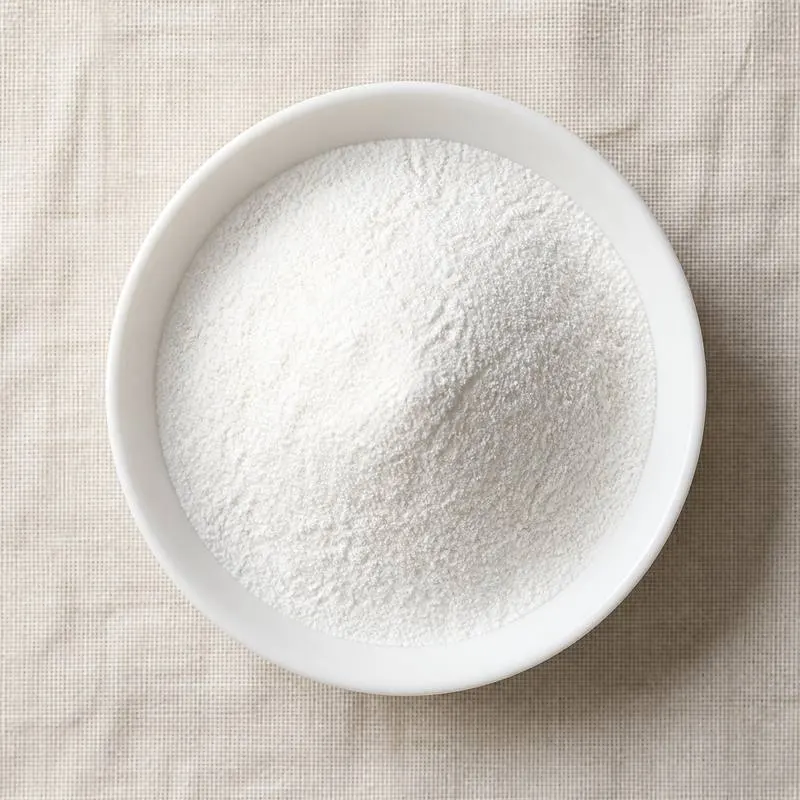
| Appearance | Pale yellow free-flowing powder |
| Oil Content | ≥ 40% |
| Diglyceride (DAG) in Oil | ≥ 40% |
| ALA (in oil) | ≥ 50% |
| Moisture | ≤ 5.0% |
| Peroxide Value | ≤ 5.0 meq/kg |
| Total Plate Count | ≤ 10,000 cfu/g |
| Purity (Food Grade) | ≥ 95% |
| Viscosity | 100-200 mPa.s |
| Moisture/Loss on Drying | ≤ 5% |
| pH | 6.0 - 8.0 |
| Particle Size/Mesh | 100% pass 80 mesh |
| Ash | ≤ 2% |
| Heavy Metals | ≤ 10 mg/kg |
| Lead | ≤ 1 mg/kg |
| Arsenic | ≤ 0.5 mg/kg |
| Yeast & Mold | ≤ 100 cfu/g |
Common Markets Grades
Commercial flaxseed oil diglyceride is graded by diglyceride content and residual mono-/triglyceride balance.
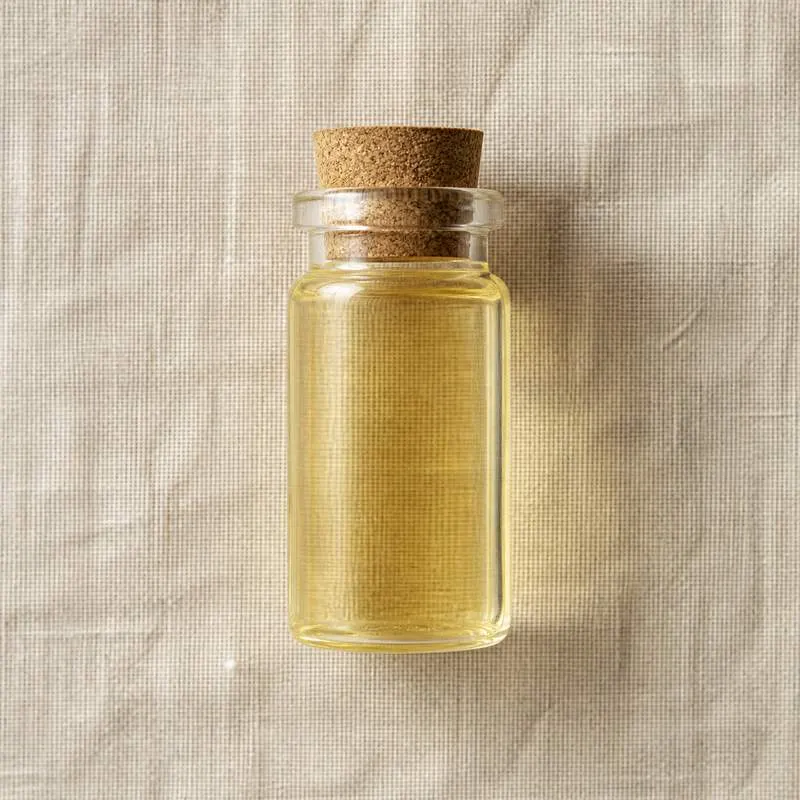
The standard food grade contains 40 to 60 percent 1,2- and 1,3-diglycerides, with 20 to 30 percent triglycerides and the remainder monoglycerides. It is a pale yellow viscous liquid stabilised with mixed tocopherols.
A high-purity nutraceutical grade of 80 percent or greater diglyceride content is processed by molecular distillation and is used in softgel and emulsion supplement formats.
Cold-pressed and certified organic variants are produced for clean-label dressings and infant-nutrition trials. Nitrogen-flushed drum and pail packaging is standard because the alpha-linolenic acid content is highly oxidation-sensitive.
Applications
- Nutritional emulsions and shakes carrying omega-3 fatty acids in a self-emulsifying lipid base
- Softgel and liquid dietary supplements for ALA delivery without added synthetic surfactants
- Salad dressings, mayonnaise-style sauces, and cold spreads where flax-source labelling is desired
- Bakery shortenings and laminated doughs as a partial replacement for distilled monoglycerides
- Plant-based dairy analogues for whitening and mouthfeel improvement
- Functional beverages and meal-replacement powders rehydrated to stable emulsions
- Infant and clinical nutrition trial formulations exploring n-3/n-6 ratios
- Topical cosmetic emulsions positioned on plant-omega skincare claims
- Pet-food coatings and palatability oils for companion animals
- Equine and aquaculture feed top-dressings for coat and skin condition
China Manufacturers of Flaxseed Oil Diglyceride
Top Flaxseed Oil Diglyceride manufacturers in China.

Company names and logos are the property of the manufacturers themselves. They are listed here because our own directory records them as producing this ingredient. A listing is not an endorsement by them, and we do not represent them or speak on their behalf.
How We Help Source Flaxseed Oil Diglyceride
Direct Factory Sourcing
We run the whole process: selecting the manufacturer from the top Chinese food ingredient producers, negotiating the price, verifying quality, and coordinating the logistics. You deal with us instead of with several factories at once.
Original Packaging and Documents from the Manufacturer
The manufacturer sends your Flaxseed Oil Diglyceride out of its own factory in the original packing, through to your destination port. The COA, COO, MSDS, TDS and any certifications reach you from the manufacturer as well.
Free Samples and Lead Time
We send 100 to 500 g free for your own laboratory to test and you cover only the courier, usually within 2 to 3 working days. ETD is usually within 7 to 15 days once the order is confirmed, and we check that date against the factory's own manufacturing schedule before we give it to you.
Combined Shipment
We can load Flaxseed Oil Diglyceride together with other ingredients such as Polyglycerol Esters of Fatty Acids, Non-Dairy Creamer and Mono- and Diglycerides of Fatty Acids into one 20' FCL. If your quantity is small, we can also ship LCL.
Regulatory Status
Flaxseed oil diglyceride falls within the general regulatory category of mono- and diglycerides of fatty acids (E471) when sold as a food emulsifier in the European Union, with sourcing declared per EU labelling rules.
In the United States, 21 CFR 184.1505 covering mono- and diglycerides lists it as generally recognized as safe, with no specific quantitative limit beyond Good Manufacturing Practice.
JECFA has evaluated mono- and diglycerides of fatty acids and assigned an ADI of "not specified." Flaxseed (Linum usitatissimum) is an accepted oilseed source in essentially all jurisdictions for food, supplement, and feed use.
Kosher and Halal certifications are routinely available because the product is fully plant-derived. Non-GMO and organic certifications follow the source-oil documentation.
Manufacturing Process
The standard route is glycerolysis. Refined flaxseed oil is heated with food-grade glycerol in a 2:1 to 3:1 molar ratio under nitrogen at 200 to 240 degrees Celsius in the presence of a basic catalyst such as calcium hydroxide or sodium hydroxide.
The reaction redistributes fatty acids across the glycerol pool, producing an equilibrium mixture of mono-, di-, and triglycerides. After completion the catalyst is neutralised with phosphoric or citric acid, washed out, and the oil is bleached and deodorised at low temperature to protect the polyunsaturates.
Where higher diglyceride purity is required the crude mixture is fed to a short-path molecular distillation unit. Monoglycerides distill first, leaving an enriched diglyceride bottoms fraction that is again bleached and antioxidant-stabilised before packaging.
Some manufacturers use an enzymatic route with immobilized 1,3-specific lipases (Lipozyme or Novozym families) to obtain a regio-selective 1,3-diglyceride product with reduced thermal damage to the omega-3 chains.