Fucoidan Sulphate
Fucoidan sulphate, normally traded simply as fucoidan, is a sulphated polysaccharide from the cell wall of brown seaweed. Its backbone is built from L-fucose residues carrying sulphate ester groups, with smaller quantities of galactose, mannose, xylose, glucuronic acid and glucose depending on the species and the season of harvest. The sulphate content, usually 20 to 35 per cent by weight, is the defining feature and is what the material is specified and priced on.
The main commercial sources are Undaria pinnatifida, particularly its sporophyll, Fucus vesiculosus, Laminaria japonica and Ascophyllum nodosum, and the fucoidan from each differs in sulphation pattern, branching and molecular weight, so species is stated on every specification. Molecular weights range from a few thousand daltons in depolymerised grades to several hundred thousand in native extracts.
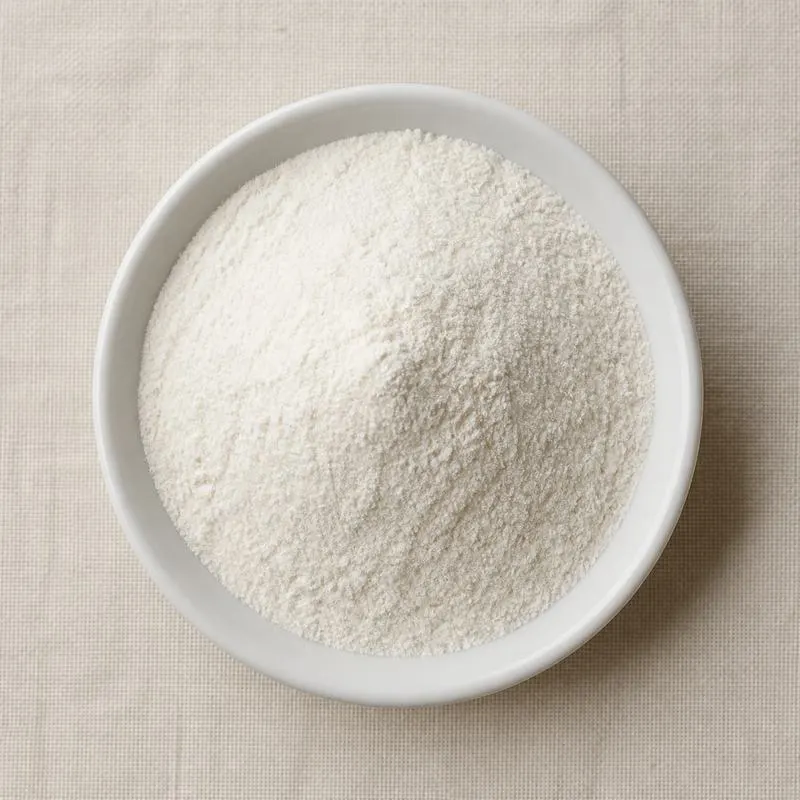
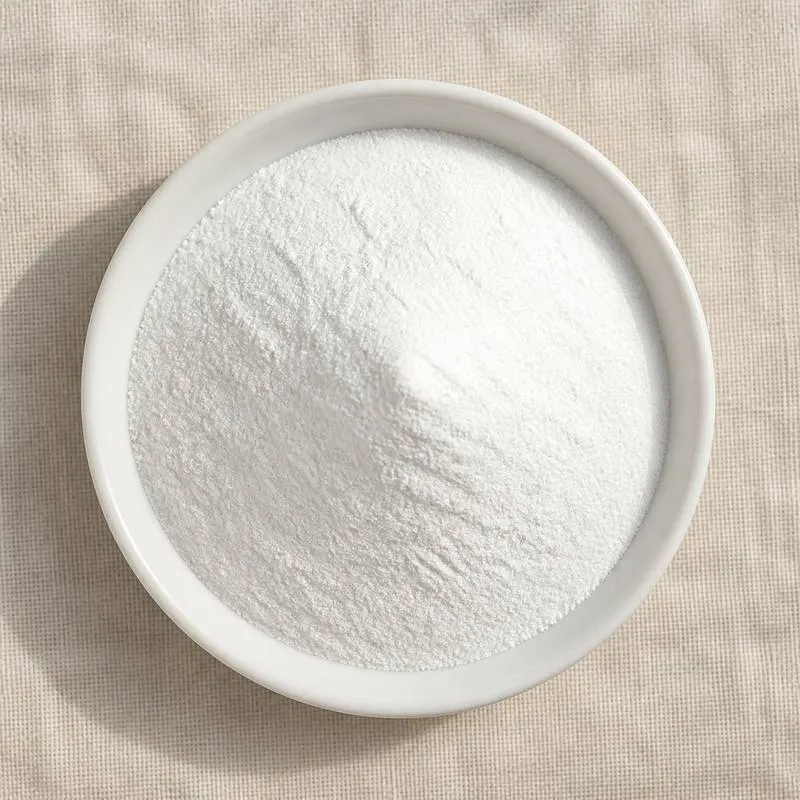
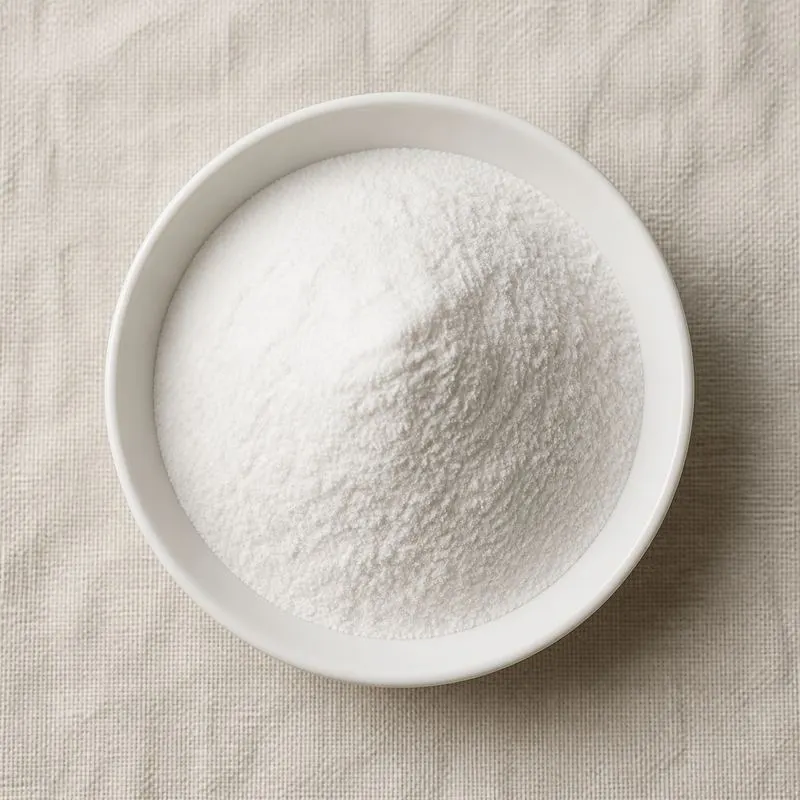
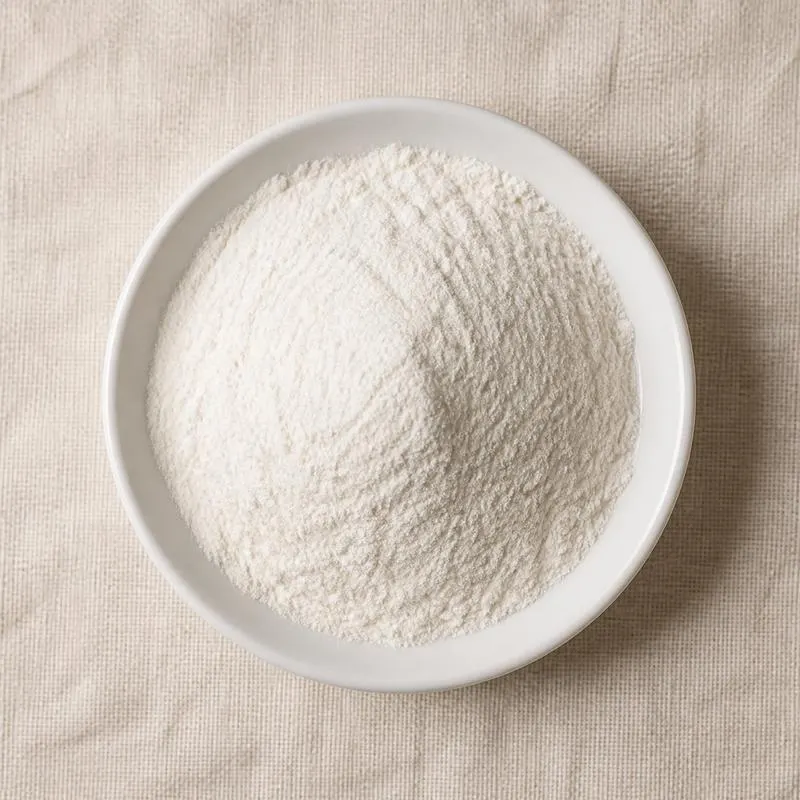
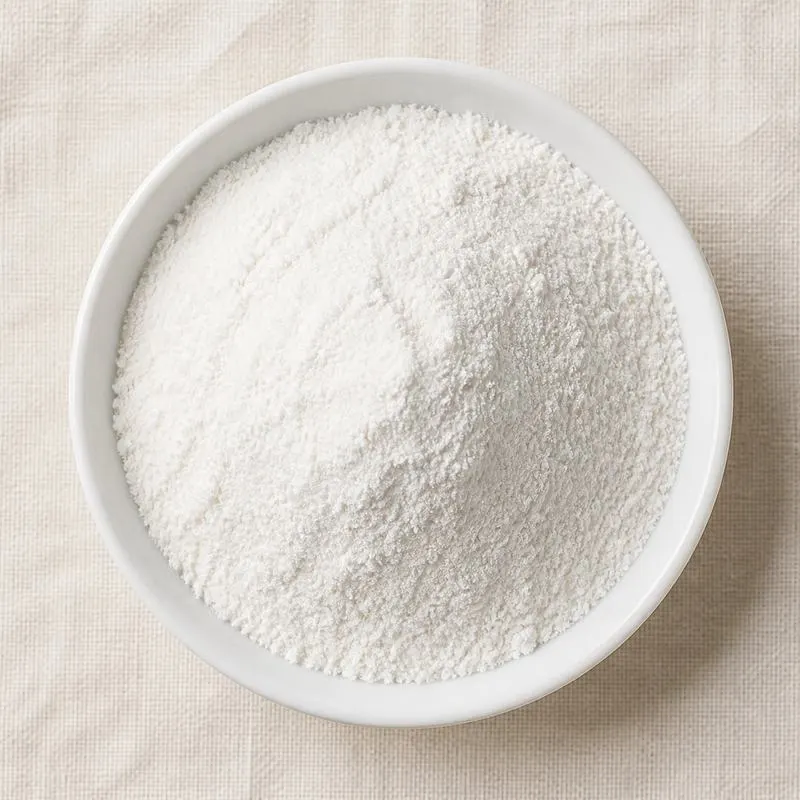
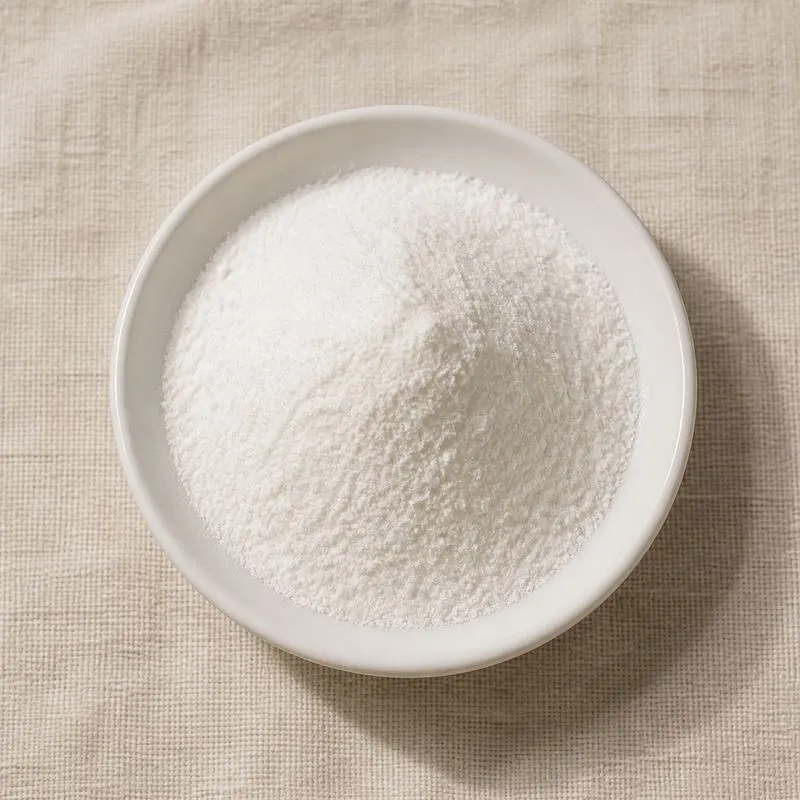
The material is a white to light brown hygroscopic powder that dissolves in water to give a slightly viscous, faintly saline solution and is insoluble in ethanol. It is strongly anionic, which decides how it behaves: it interacts with proteins and with cationic surfaces, is precipitated by polyvalent cations, and is stable to heat and to mildly acid conditions but loses sulphate under strong acid or prolonged high temperature. It does not gel.
We source bulk Fucoidan Sulphate from top China manufacturers for our partners. The manufacturer is in Shandong. A smaller requirement can ship in a combined container with other ingredients.
Please send the grade you need, the volume and your destination port, and we will come back with a solution and a price.
or call +86-21-6858 0751
- Function
- Dietary Fibres
Specifications
| Item | Specification |
|---|---|
| Appearance | White to light brown hygroscopic powder |
| Fucoidan Assay | Not less than 85.0 per cent on dry basis |
| Fucose Content | Not less than 25.0 per cent |
| Loss on Drying | Not more than 8.0 per cent |
| Ash | Not more than 10.0 per cent |
| pH of 1 per cent solution | 5.0 to 7.5 |
| Iodine | Not more than 500 mg/kg |
| Inorganic Arsenic | Not more than 1.0 mg/kg |
| Lead | Not more than 1.0 mg/kg |
| Cadmium | Not more than 1.0 mg/kg |
| Total Plate Count | Not more than 1000 cfu/g |
| Yeast and Mould | Not more than 100 cfu/g |
| Escherichia coli | Absent in 1 g |
| Salmonella | Absent in 25 g |
Common Markets Grades
Grades are set by fucoidan assay and by species. Crude extracts at 30 to 50 per cent fucoidan carry alginate, mannitol, salts and laminarin and are used where cost is the deciding factor. Standard grades at 85 per cent and refined grades at 95 per cent or higher have been through alginate removal and membrane or chromatographic purification, and are what supplement and cosmetic buyers specify. Sulphate content, fucose content and molecular weight distribution are reported alongside the assay.
Depolymerised or low molecular weight grades, produced by controlled acid, enzymatic or oxidative degradation, are a distinct product traded where absorption or a low solution viscosity is required. Food, cosmetic and pharmaceutical grades differ in their heavy metal, iodine, microbiological and residual solvent limits, with iodine content a specific concern for seaweed-derived material intended for daily supplement use. Organic certification is available where the seaweed is harvested from certified waters, and species and harvest origin documentation is a routine requirement given the variability of wild-collected raw material.
Applications
- Dietary supplements in capsule, tablet and powder form, the principal commercial outlet
- Functional beverages and health drinks, using the low viscosity depolymerised grades
- Skin care serums and creams, as a moisturising and film-forming marine active
- Hair care and scalp treatments, using the anionic polysaccharide character
- Wound care and medical device formulations at pharmaceutical purity
- Aquaculture and animal feed, as an immune-supporting feed additive
- Functional food and confectionery in Asian markets, where seaweed ingredients have an established position
- Cosmetic masks and gels, contributing slip and a marine positioning
- Research and analytical supply, where defined molecular weight fractions are required
Brands Using Fucoidan Sulphate
Widely-distributed consumer products that list Fucoidan Sulphate on the ingredient label.
- VitapiaFucoidan 85% ↗A brown seaweed extract capsule standardised to 85 percent fucoidan polysaccharides, at 1,000 mg of extract per serving.Label verified 2026-08-31
- VitapiaNMN & Fucoidan ↗A combination capsule that pairs NMN with the same 85 percent fucoidan extract from brown seaweed.Label verified 2026-08-31
Brand names, product names and logos are the property of their owners. They appear here as published evidence that the ingredient is used, taken from the brand's own label or website. Their appearance is not an endorsement, and it does not mean the brand buys from us or from any manufacturer listed on this site.
China Manufacturers of Fucoidan Sulphate
Top Fucoidan Sulphate manufacturers in China.

Company names and logos are the property of the manufacturers themselves. They are listed here because our own directory records them as producing this ingredient. A listing is not an endorsement by them, and we do not represent them or speak on their behalf.
Regulatory Status
Fucoidan preparations have a mixed regulatory position that follows the history of consumption of the source seaweed. In the United States, fucoidan preparations from Undaria pinnatifida and Fucus vesiculosus have been the subject of generally recognised as safe notifications for defined food uses at specified levels, and the material is also marketed as a dietary ingredient in supplements, where a new dietary ingredient notification may be required depending on the preparation. Brown seaweeds themselves are conventional foods in the United States.
In the European Union, a purified fucoidan preparation intended for food use falls under the novel food framework, since selective extraction of a single polysaccharide fraction goes beyond the traditional consumption of the whole seaweed, and Union authorisation covering the specific preparation and its conditions of use is required. Regulation (EC) No 1223/2009 governs cosmetic use instead. Iodine is the practical regulatory constraint across markets, because brown seaweed accumulates it and national authorities have issued guidance on iodine intake from seaweed products, so iodine content is controlled and declared. Codex has no specific standard for fucoidan, and inorganic arsenic limits applicable to seaweed products are the other contaminant issue routinely addressed.
Manufacturing Process
Harvested brown seaweed is washed in fresh water to remove sand, epiphytes and surface salt, then dried and milled. Most plants carry out a preliminary extraction with aqueous ethanol or a dilute organic solvent to remove pigments, mannitol, lipids and low molecular weight compounds, since these would otherwise colour and contaminate the extract. The washed and dewaxed biomass is then extracted with hot water made mildly acidic with dilute hydrochloric acid, at a temperature and pH held within a narrow range because stronger conditions strip sulphate from the polysaccharide and degrade the chain.
The extract is separated from the residue by filtration or centrifugation and treated to remove alginate, which is the principal co-extracted polysaccharide, most often by adding calcium chloride so that the alginate precipitates as calcium alginate and can be filtered off. The clarified liquor is concentrated and desalted by ultrafiltration, which also removes low molecular weight impurities and can be used to fractionate the fucoidan by molecular weight. Where a refined grade is required the concentrate is further purified by ion exchange or by precipitation with a quaternary ammonium salt followed by regeneration. The purified solution is decolourised on carbon, concentrated under vacuum, and spray dried or precipitated with ethanol and vacuum dried before milling and blending to the target assay.