Gardenia Green
Gardenia green is a water soluble green food colour made by blending gardenia yellow with gardenia blue, both derived from the fruit of Gardenia jasminoides.
The yellow component is crocin, a water soluble carotenoid glycoside. The blue component is a polymer formed by hydrolysing the fruit iridoid geniposide to genipin and reacting the genipin with amino acids under controlled conditions. Neither is green, and the shade of the finished colour is set entirely by the ratio at which the two are blended, which is why gardenia green sells as a shade series rather than as a single specification.
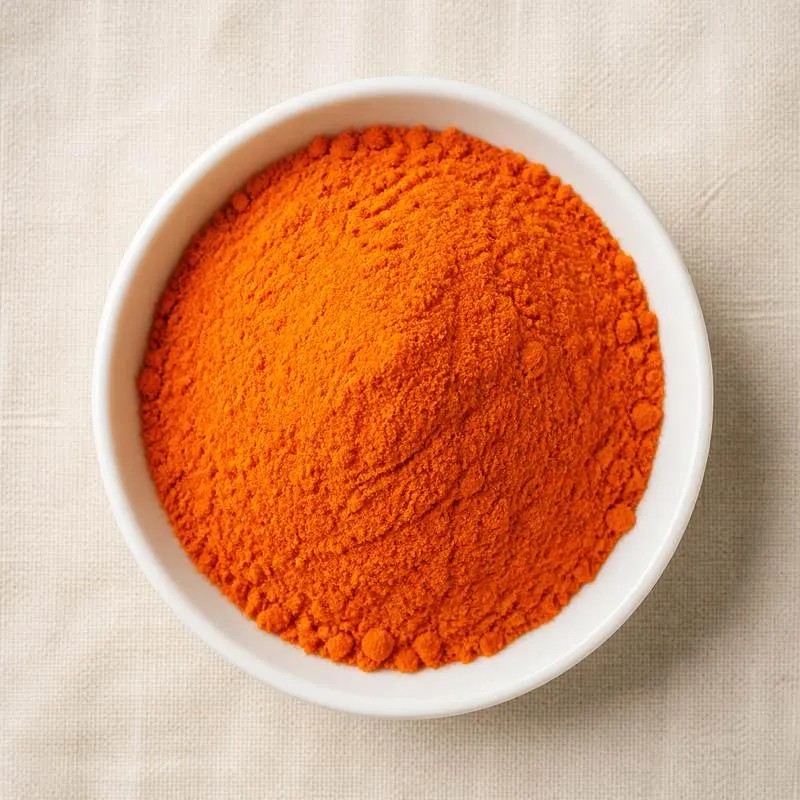
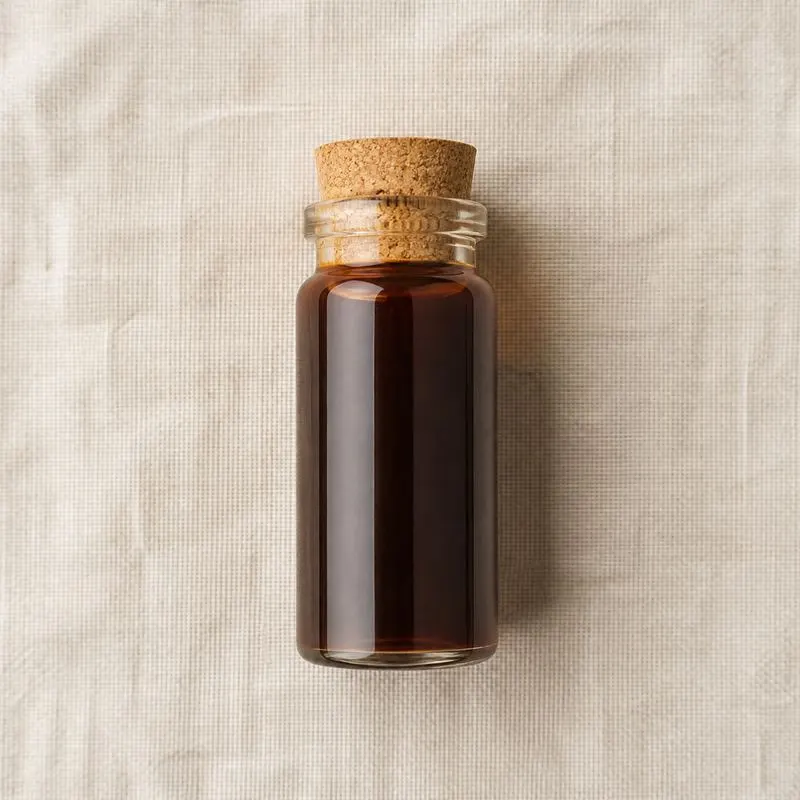
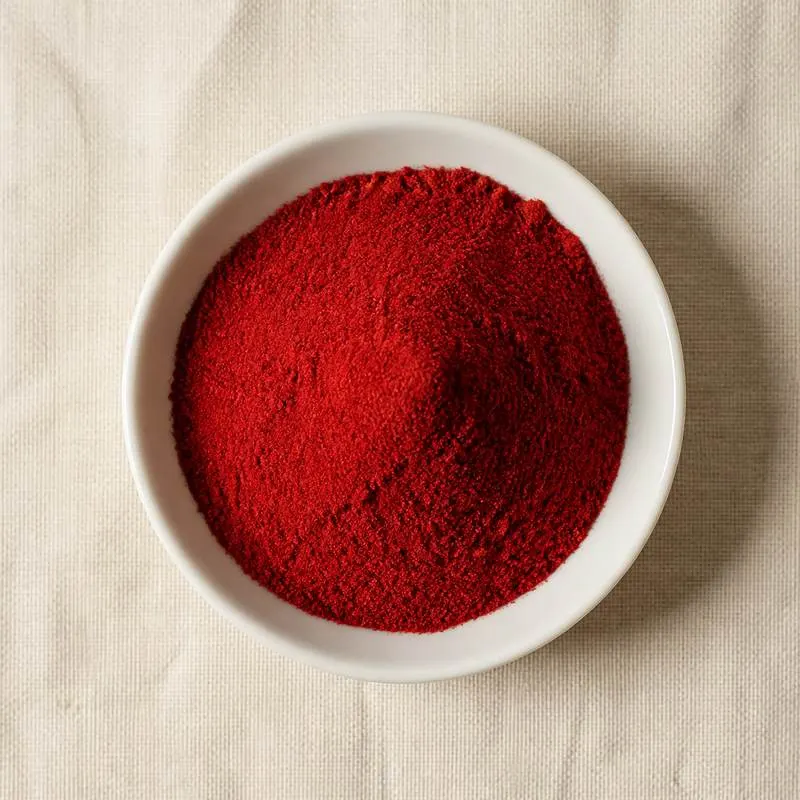
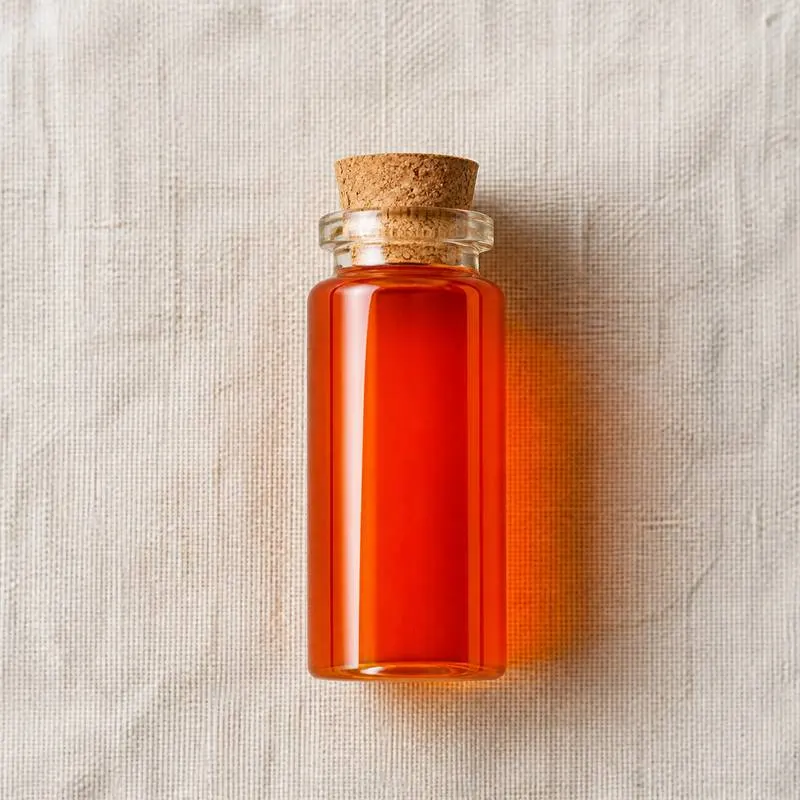
It is offered as a spray dried powder standardised on colour value, and as a liquid concentrate. Both dissolve readily in water to give a clear solution with no dispersion step. The blend holds its hue well from pH 4 to pH 8 and through short heat treatments, but below about pH 3 the blue component fades and the colour turns toward yellow, and prolonged exposure to light degrades the crocin fraction and shifts the shade toward blue. For that reason it is used in neutral and lightly acid foods and packed in opaque containers.
We source bulk Gardenia Green from top China manufacturers for our partners. The manufacturer is in Henan. A smaller requirement can ship in a combined container with other ingredients.
Please send the grade you need, the volume and your destination port, and we will come back with a solution and a price.
or call +86-21-6858 0751
- Function
- Colorant
Specifications
| Item | Specification |
|---|---|
| Appearance | Dark green free flowing powder |
| Shade | Matches the retained standard for the declared shade number |
| Colour Value E 1%/1cm | 100 ± 10 at 620 nm |
| Solubility | Clear green solution in water at 1% |
| pH of 1% Solution | 4.5 to 7.0 |
| Loss on Drying | ≤ 8.0% |
| Total Ash | ≤ 6.0% |
| Residual Ethanol | ≤ 1,000 mg/kg |
| Lead | ≤ 2.0 mg/kg |
| Arsenic | ≤ 1.0 mg/kg |
| Total Plate Count | ≤ 1,000 cfu/g |
| Yeast and Mould | ≤ 100 cfu/g |
| E. coli | Absent in 1 g |
| Salmonella | Absent in 25 g |
Common Markets Grades
The trade is organised by shade and by colour value. Shades run from a yellow leaning lime green through a mid leaf green to a blue leaning deep green, each set by a fixed yellow to blue ratio and matched against a retained colour standard. Colour value, expressed as the absorbance of a one percent solution in a one centimetre cell, is commonly offered at 50, 100 or 200 for diluted powders, with maltodextrin or dextrin as the standardising carrier.
Liquid grades carry the same shades in water with glycerol or propylene glycol and are chosen where dry dispersion is inconvenient. Acid tolerant versions are blended with a higher proportion of the blue fraction to allow for the fade that occurs at low pH, and light stable packing under nitrogen in foil laminate is standard for the powder.
Applications
- Wet noodles and steamed dough products, where a vegetable green is required without adding spinach or matcha solids
- Green tea and matcha flavoured confectionery, where the natural leaf colour is lost during processing
- Jelly, gummy and starch jelly sweets made at near neutral pH
- Ice cream, sorbet and frozen dessert bases, where low temperature and neutral pH suit the blend
- Surimi and imitation seafood, used together with a blue shade to reproduce the darker surface of the product
- Wasabi, mustard and green seasoning pastes dosed at low addition levels
- Pickled vegetables and seasoned side dishes, restoring colour lost in brine
- Sugar panned tablets and coated confectionery, added into the coating syrup
- Bakery creams and fillings that stay above pH 5 through baking
China Manufacturers of Gardenia Green
Top Gardenia Green manufacturers in China.
Company names and logos are the property of the manufacturers themselves. They are listed here because our own directory records them as producing this ingredient. A listing is not an endorsement by them, and we do not represent them or speak on their behalf.
Regulatory Status
Gardenia green is not an authorised food colour in the European Union and has no E number. In the United States gardenia blue was approved as a colour additive in 2025 for a defined set of beverage uses, but gardenia yellow is not a listed colour additive, so the green blend cannot be used in food there. Its use is concentrated in East and Southeast Asian markets whose national colour lists include gardenia colours.
Because the blue fraction is formed by reacting genipin with an amino acid source, the identity of that reactant carries through into the finished colour and any soy or milk derived hydrolysate is declared for allergen purposes. Codex has not adopted a specification for gardenia colours.
Manufacturing Process
Dried gardenia fruit is milled and extracted with hot water. The clarified extract is passed over macroporous adsorption resin, which holds the crocin and lets the geniposide fraction be recovered separately. The crocin is eluted, concentrated under vacuum and set aside as the yellow component.
The geniposide fraction is hydrolysed with beta glucosidase to genipin, and the genipin is reacted with an amino acid or protein hydrolysate under controlled pH, temperature and aeration until the blue polymer reaches its target hue. Ultrafiltration removes unreacted amino acid and low molecular weight material, and the retentate is concentrated. The yellow and blue concentrates are then blended against a colour standard, adjusted to the declared colour value with maltodextrin, and spray dried, or diluted and filled as a liquid concentrate.