Licorice Extract
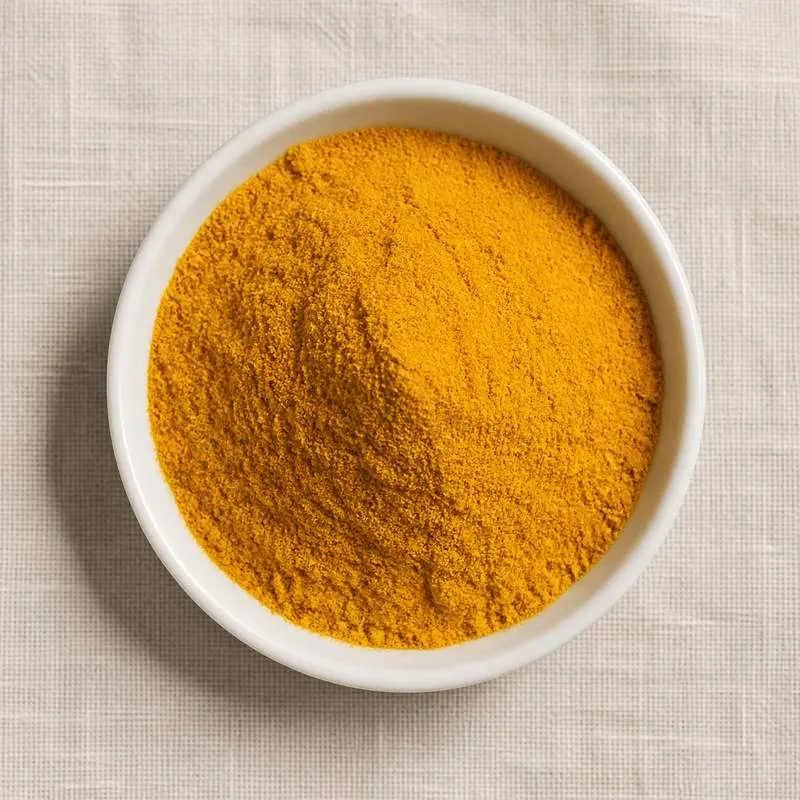
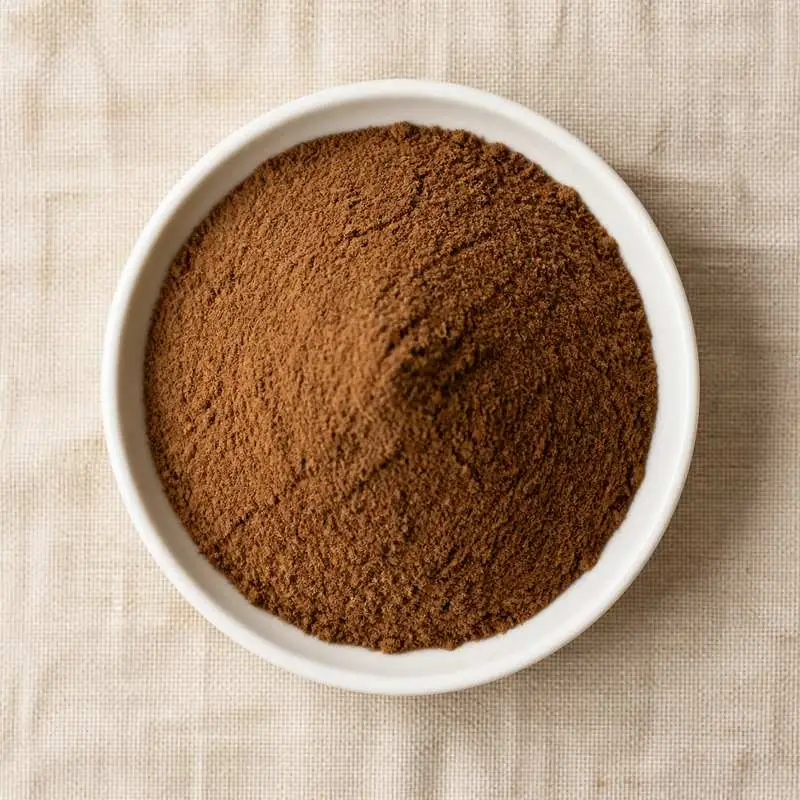
Licorice Extract is a concentrated preparation of the dried root and stolon of Glycyrrhiza glabra, sold as a viscous dark-brown block, a fluid concentrate, or a free-flowing powder.
The flavour is intensely sweet because of glycyrrhizin, the triterpene saponin that accounts for the bulk of the sweet taste and that is roughly fifty times sweeter than sucrose on a weight basis.
Accompanying glycyrrhizin are flavonoids of the liquiritin and liquiritigenin family, isoflavonoids such as glabridin, polysaccharides, and aromatic volatiles.
We source bulk Licorice Extract from top China manufacturers for our partners, working with several of them. The manufacturers are mostly in Beijing, Henan and Qinghai. For this ingredient the minimum order is 500 kg, and a smaller requirement can ship in a combined container with other ingredients.
Please send the grade you need, the volume and your destination port, and we will come back with a solution and a price.
or call +86-21-6858 0751
- Minimum order
- 500 kg
- Packaging
- 25 kg fibre drum with double PE liner
- ISO 9001
- HACCP
- Halal
- Kosher
Specifications
| Item | Specification |
|---|---|
| Appearance | Light yellow to yellow-brown free-flowing powder |
| Glycyrrhizic acid (HPLC) | 10% / 25% / 40% / 98% (grade dependent) |
| Total flavonoids | ≥ 5% |
| Particle size | 95% pass 80 mesh |
| Loss on drying | ≤ 5.0% |
| Residue on ignition | ≤ 5.0% |
| Heavy metals (as Pb) | ≤ 2 mg/kg |
| Total plate count | ≤ 1000 cfu/g |
| Source | Glycyrrhiza glabra or Glycyrrhiza uralensis root |
Common Markets Grades
Trade grades reflect both physical form and glycyrrhizin assay.
Block licorice is the historic confectionery form. It comes in 5 to 25 kilogram cakes wrapped in laurel leaves or polythene, with a glycyrrhizic acid content of 8 to 12 percent.
Fluid extract is a clarified, partially deresinified solution at 30 to 50 percent solids, designed for direct dosing into beverages and tobacco casings.
Standardised extract powders are graded at 5, 10, 20, and 25 percent glycyrrhizin for supplement and pharmaceutical buyers.
Deglycyrrhizinated licorice (DGL) is a separate grade in which glycyrrhizin is reduced to below 3 percent, leaving the flavonoid fraction intact. DGL is preferred where the blood-pressure caution associated with glycyrrhizin is unwanted.
Applications
- Confectionery, including traditional pastilles, gums, and Nordic salty licorice
- Brewing adjunct for stouts and porters where the extract contributes body and head retention
- Tobacco casing for cigarettes, pipe tobacco, and smokeless products
- Throat lozenges, cough syrups, and herbal pastilles
- Digestive-comfort supplements built around the deglycyrrhizinated grade
- Adrenal-support and adaptogen blends in traditional and modern herbalism
- Functional beverages and herbal teas as a natural sweetener and body modifier
- Topical skincare for hyperpigmentation, redness, and after-sun comfort
- Oral-care products such as toothpaste, mouthwash, and gum strips
- Flavour modifier and bitterness masker in protein drinks and pharmaceuticals
Brands Using Licorice Extract
Widely-distributed consumer products that list Licorice Extract on the ingredient label.
- NOW FoodsNOW Licorice Root 450 mg Veg Capsules ↗Official NOW Foods product page: 450 mg Licorice (Glycyrrhiza glabra) root per veg capsule; other ingredients cellulose (capsule) and vegetable stearic acid.Label verified 2026-05-24
- Nature's WayNature's Way Licorice Root 450 mg ↗Official Nature's Way product page: Licorice (Glycyrrhiza glabra L.) root 450 mg per capsule (900 mg per 2-cap serving); plant-derived hypromellose capsule, free of gluten, soy, corn, dairy.Label verified 2026-05-24
- SolaraySolaray Licorice Root 450 mg ↗Official Solaray product page: 450 mg whole Licorice (Glycyrrhiza glabra) root per capsule for digestive, liver and menopausal support; available in gelatin and VegCap formulations.Label verified 2026-05-24
- Herb PharmHerb Pharm Licorice Liquid Herbal Extract ↗Official Herb Pharm product page: cold-extracted from root and stolon of certified organic Glycyrrhiza glabra; extraction rate 350 mg herb per 0.7 mL; other ingredients distilled water and certified organic cane alcohol (19-29%).Label verified 2026-05-24
- Gaia HerbsGaia Herbs Licorice Root Liquid Extract ↗Official Gaia Herbs ingredient page: liquid extract of Licorice root (Glycyrrhiza spp.) in water with 25-35% pure grain alcohol USP (alcohol-free version available).Label verified 2026-05-24
- Traditional MedicinalsThroat Coat Tea (Original) ↗Official Throat Coat tea ingredient panel: organic licorice root 760 mg plus organic licorice root dry aqueous extract (8:1) 60 mg per serving, with slippery elm bark and marshmallow root.Label verified 2026-05-24
- Yogi TeaYogi Egyptian Licorice Tea ↗Official Yogi Tea page: organic licorice root is the lead ingredient with organic cinnamon bark, orange peel, ginger root, cardamom pod and clove bud.Label verified 2026-05-24
Brand names, product names and logos are the property of their owners. They appear here as published evidence that the ingredient is used, taken from the brand's own label or website. Their appearance is not an endorsement, and it does not mean the brand buys from us or from any manufacturer listed on this site.
China Manufacturers of Licorice Extract
Top Licorice Extract manufacturers in China.
 Beijing Gingko Group Biotechnology Co., Ltd.12 ingredients in the directory
 Luoyang Lansealy Technology Co., Ltd.6 ingredients in the directory
- Qinghai Lake Pharmaceutical Co., Ltd.8 ingredients in the directory
 Zhangjiagang Free Trade Zone Hongyufeng Bio-Technology Co., Ltd.11 ingredients in the directory
Company names and logos are the property of the manufacturers themselves. They are listed here because our own directory records them as producing this ingredient. A listing is not an endorsement by them, and we do not represent them or speak on their behalf.
How We Help Source Licorice Extract
Direct Factory Sourcing
We run the whole process: selecting the manufacturer from the top Chinese food ingredient producers, negotiating the price, verifying quality, and coordinating the logistics. You deal with us instead of with several factories at once.
Original Packaging and Documents from the Manufacturer
The manufacturer sends your Licorice Extract out of its own factory in the original packing, through to your destination port. The COA, COO, MSDS, TDS and any certifications reach you from the manufacturer as well.
Free Samples and Lead Time
We send 100 to 500 g free for your own laboratory to test and you cover only the courier, usually within 2 to 3 working days. ETD is usually within 7 to 15 days once the order is confirmed, and we check that date against the factory's own manufacturing schedule before we give it to you.
Combined Shipment
We can load Licorice Extract together with other ingredients such as Astaxanthin, Dehydrated Garlic and Lutein into one 20' FCL. If your quantity is small, we can also ship LCL.
Regulatory Status
Licorice extract is a long-established food ingredient, flavouring, and traditional herbal substance in most regulated markets.
In the European Union it is permitted as a food and as a flavouring under Regulation 1334/2008, with national guidance on maximum glycyrrhizinic acid intake in confectionery and beverages.
In the United States it is GRAS for use as a flavour and flavour enhancer under 21 CFR 184.1408. 21 CFR 184.1408 covers ammoniated glycyrrhizin and monoammonium glycyrrhizinate as well.
JECFA has reviewed glycyrrhizinic acid and recommends prudent intake limits in line with the European guidance.
The European Pharmacopoeia, the United States Pharmacopeia, and the Chinese Pharmacopoeia all carry monographs on licorice root and on standardised licorice extracts.
Manufacturing Process
Cultivated and wild-collected Glycyrrhiza glabra roots are sourced primarily from Uzbekistan, Turkmenistan, Iran, Afghanistan, Turkey, and southern Russia.
Roots are washed, chopped, and extracted with hot water in counter-current diffusers. The dilute extract is filtered, concentrated under vacuum, and either cast into block form or spray-dried.
Standardised powders go through an additional purification step. The crude concentrate is acidified, which precipitates glycyrrhizic acid. The crude acid is redissolved as the ammonium salt, decolourised on activated carbon, and recrystallised to monoammonium glycyrrhizinate.
Blending purified glycyrrhizinate back into a deresinified extract base gives reproducible 10, 20, and 25 percent grades.
Deglycyrrhizinated licorice is produced by selective adsorption of glycyrrhizin on macroporous resin, leaving a flavonoid-rich raffinate that is spray-dried.