Green And red Pepper Extract
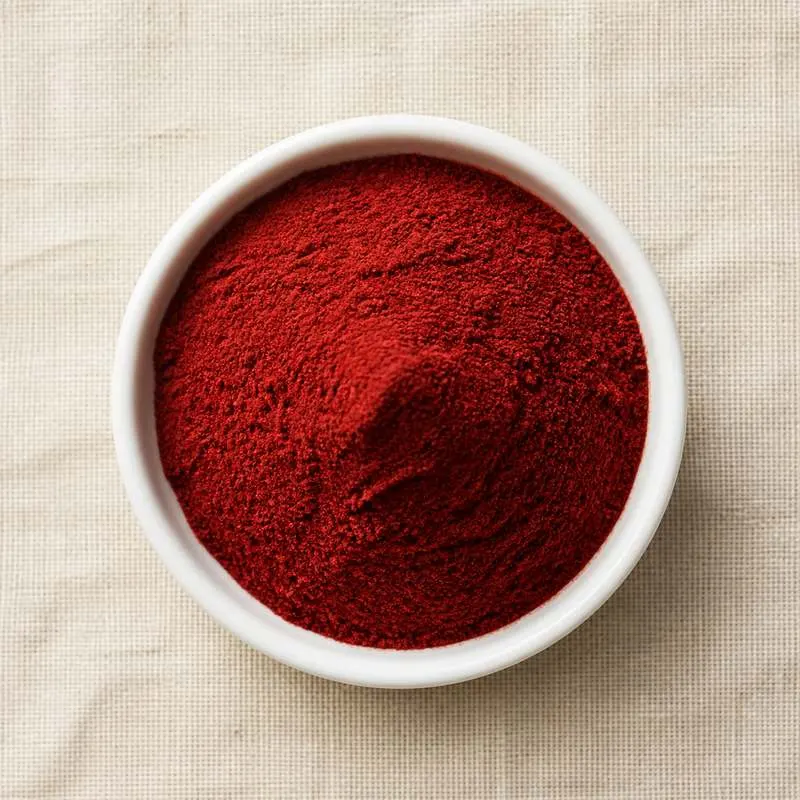
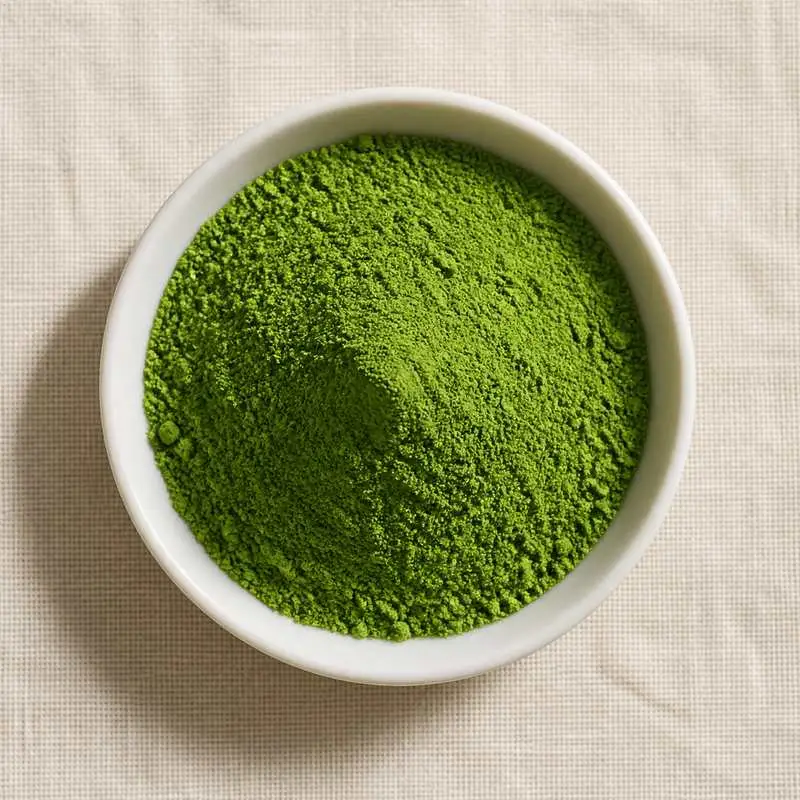
Green and red pepper extract is a botanical extract of the fruit of Capsicum annuum, taken from peppers picked at two different stages of ripeness and processed either as separate streams or as a combined preparation. The distinction is not cosmetic. Green fruit is harvested unripe and carries chlorophylls, green leafy aldehydes such as 2-isobutyl-3-methoxypyrazine and a fresh vegetative character, while fully ripe red fruit has degraded its chlorophyll and accumulated the carotenoids capsanthin and capsorubin, which give both the deep red colour and a sweeter, fruitier profile.
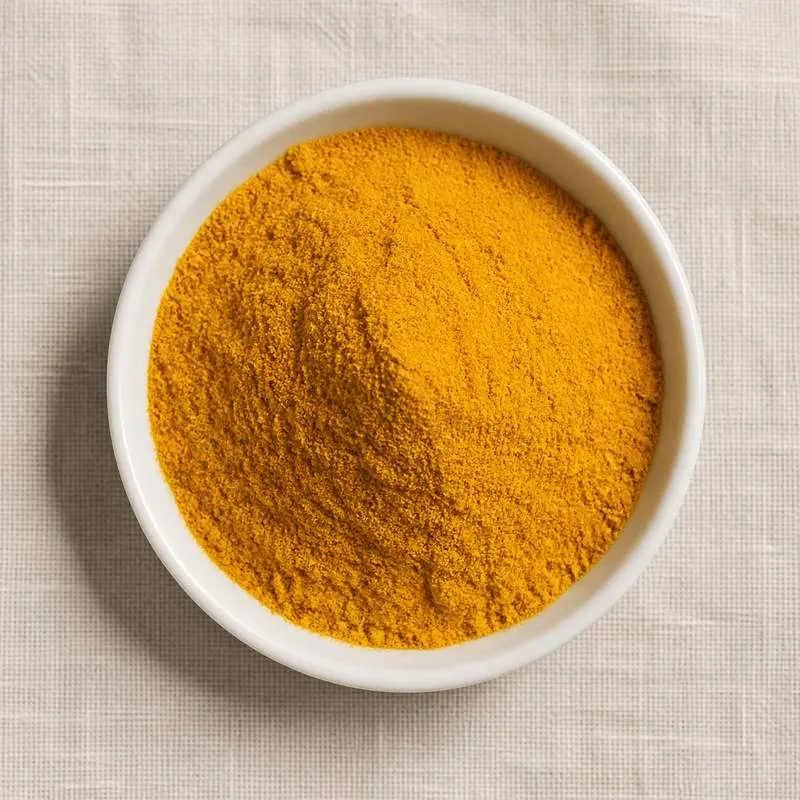
The material is traded mainly as an oleoresin, a viscous liquid ranging from dark green to deep red depending on the fruit stage, and as a spray dried powder on a carrier. Oleoresin is oil soluble and needs a polysorbate or a modified starch emulsifier to disperse in an aqueous system. Powdered water dispersible grades are made specifically to avoid that step.
Where the extract comes from sweet varieties it functions primarily as a colour and a flavour. Where pungent varieties are used it also carries capsaicinoids, and pungency then has to be declared and controlled separately from colour, since the two properties come from unrelated compounds and vary independently.
We source bulk Green And red Pepper Extract from top China manufacturers for our partners. The manufacturer is in Yunnan. A smaller requirement can ship in a combined container with other ingredients.
Please send the grade you need, the volume and your destination port, and we will come back with a solution and a price.
or call +86-21-6858 0751
- Function
- Plant extract
Specifications
| Item | Specification |
|---|---|
| Appearance | Viscous dark red to dark green oleoresin |
| Odour and Taste | Characteristic of capsicum, no rancid or scorched notes |
| Identification | Conforms by carotenoid absorption spectrum |
| Colour Value | Not less than 60,000 ASTA units for red grade |
| Capsaicinoid Content | Not more than 100 mg/kg for the non-pungent grade |
| Volatile Oil | Not less than 2.0 ml per 100 g |
| Moisture | Not more than 2.0% |
| Refractive Index at 20 degrees Celsius | 1.480-1.510 |
| Residual Hexane | Not more than 25 mg/kg |
| Heavy Metals | Not more than 10 mg/kg |
| Lead | Not more than 2.0 mg/kg |
| Arsenic | Not more than 1.0 mg/kg |
| Total Plate Count | Not more than 1,000 cfu/g |
| Yeast and Mould | Not more than 100 cfu/g |
| Salmonella | Absent in 25 g |
Common Markets Grades
Red pepper oleoresin from sweet varieties is specified on colour value in ASTA units, commonly 40,000 to 100,000 for a standard paprika-type oleoresin and higher for concentrated grades, with pungency declared as not detectable or below a stated Scoville figure. Pungent red grades from chilli varieties are specified the other way round, on capsaicinoid content or Scoville heat units, with colour as a secondary attribute. Green pepper extract is specified on flavour strength and on chlorophyll-derived colour, and is a much smaller line because green pigments are far less stable than the red carotenoids.
Beyond the liquid oleoresins, the trade offers water dispersible grades emulsified with polysorbate 80, oil dispersible grades cut with vegetable oil to a standard colour value, and spray dried powders on maltodextrin, modified starch or salt carriers for dry seasoning work. Encapsulated grades give better light stability, which matters because capsanthin fades under UV. Solvent extracted, ethanol extracted and supercritical carbon dioxide extracted lots are traded separately, and organic certification is available on all three routes.
Applications
- Snack seasonings and coated crisps, where red pepper oleoresin on a salt carrier supplies both the colour and the paprika note
- Processed meat and sausage, colouring emulsions and pastes to a stable red without added synthetic colour
- Sauces, ketchups and condiments, correcting and standardising a colour that varies batch to batch with the fresh tomato or pepper input
- Instant noodle and soup seasoning sachets, using the powdered dispersible grade
- Ready meals and retort dishes, where the carotenoid fraction survives the thermal process better than fresh pepper colour
- Cheese and dairy analogue products, giving an orange to red shade in the fat phase
- Green pepper extract in vegetable and herb flavour bases, contributing a fresh capsicum top note to dressings and dips
- Marinades and rubs, delivering pepper flavour without the water load of a fresh or pureed input
- Pet food and aquaculture feed, where carotenoid pigments are used for colour deposition
- Poultry feed, where red pepper carotenoids raise yolk and skin pigmentation
China Manufacturers of Green And red Pepper Extract
Top Green And red Pepper Extract manufacturers in China.
Company names and logos are the property of the manufacturers themselves. They are listed here because our own directory records them as producing this ingredient. A listing is not an endorsement by them, and we do not represent them or speak on their behalf.
Regulatory Status
In the United States paprika and paprika oleoresin are listed as colour additives exempt from certification and may be used to colour food generally in amounts consistent with good manufacturing practice, which is the basis for most red pepper extract use there. Capsicum and capsicum oleoresin are separately listed among the spices, essential oils, oleoresins and natural extractives that are generally recognised as safe for their intended flavour use. Green pepper extract used as a flavouring falls under the same natural extractive provisions. Where a product is sold for colour it must be declared as a colour additive on the label rather than folded into a generic spice extract declaration.
In the European Union paprika extract, covering capsanthin and capsorubin, is an authorised food colour with the E number E 160c, and its use is limited to the categories and maximum levels set out in the additives regulation, with purity criteria including a limit on residual capsaicin. Capsicum extracts used purely for flavour are handled instead under the flavourings regulation as flavouring preparations from a food source. Codex includes paprika oleoresin among the food colours in its general standard for food additives, and JECFA has evaluated paprika extract. Residual extraction solvent is controlled to the limits set for solvents used in food production.
Manufacturing Process
Fruit is harvested at the target ripeness, washed, destemmed and deseeded, since the seed carries oil that dilutes the colour value and the placental tissue carries most of the capsaicinoid load in pungent varieties. The cleaned fruit is sliced and dried, usually in a hot air tunnel or a rotary drier, down to a moisture level in single figures. Drying temperature is the critical control for red fruit, because capsanthin degrades and the colour value falls if the material is held hot for too long. The dried fruit is milled to a coarse flake and conditioned back to a low moisture level that suits solvent penetration.
Extraction is by countercurrent percolation with a food grade solvent, most often hexane or ethanol, or by supercritical carbon dioxide where a solvent-free product is required. The miscella is filtered and the solvent stripped in a falling film and then a wiped film evaporator under vacuum, driving residual solvent down to the permitted limit and leaving the oleoresin. The oleoresin is standardised to a declared colour value by cutting with vegetable oil, and for dispersible grades it is emulsified with polysorbate or blended with a modified starch and spray dried. Lots are assayed for colour value, capsaicinoid content and residual solvent before packing in lined drums under nitrogen.