High-tem Alpha Amylase
High-temperature alpha-amylase is the thermostable grade of endo-acting starch hydrolase used for the liquefaction step in starch processing, brewing and alcohol production. It cleaves internal alpha-1,4 bonds in gelatinised starch at random, collapsing the viscosity of a hot slurry within minutes and converting it into soluble dextrins that can be pumped, heat exchanged and saccharified.
The enzyme is obtained from Bacillus licheniformis and from engineered variants of the same protein, and its distinguishing property is thermal tolerance: it works at 95 to 105 degrees Celsius through a jet cooker and a downstream hold tube, conditions under which fungal and mid-temperature bacterial amylases denature immediately. Modern engineered grades also tolerate lower pH and reduced calcium, which removes the acid and calcium adjustment steps that older processes required.
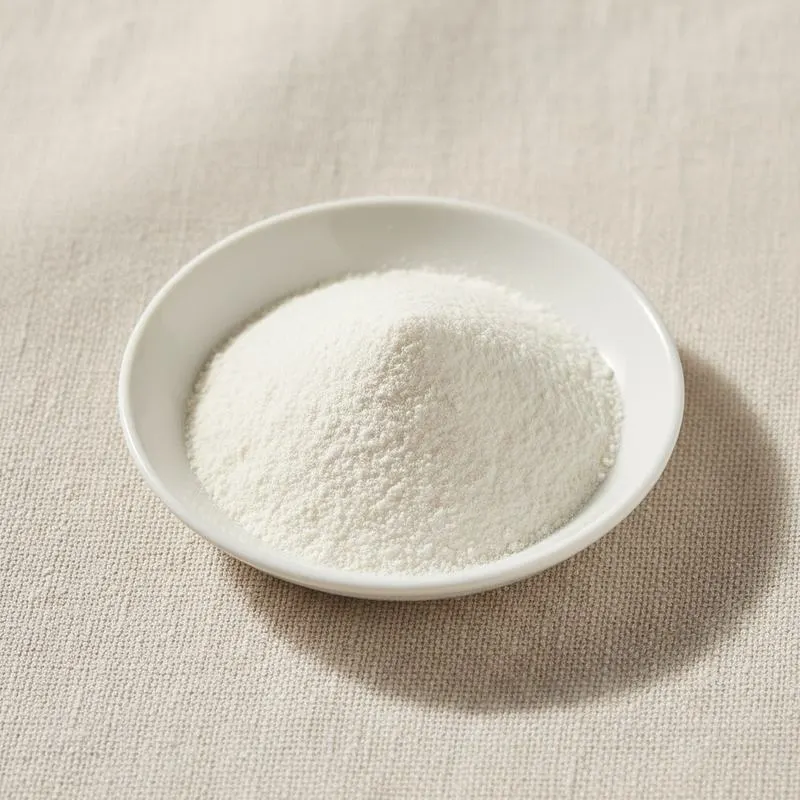
The dominant form is an amber liquid concentrate for in-line metering into the slurry tank, with a spray dried powder where ambient storage life matters. It works between about pH 5.2 and pH 6.5, requires a low residual level of calcium ion for structural stability in the classic grades, and is deactivated at the end of liquefaction by dropping pH and holding, so that saccharification enzymes can set the final syrup profile.
We source bulk High-tem Alpha Amylase from top China manufacturers for our partners. The manufacturer is in Shandong. A smaller requirement can ship in a combined container with other ingredients.
Please send the grade you need, the volume and your destination port, and we will come back with a solution and a price.
or call +86-21-6858 0751
- Function
- Enzyme
Specifications
| Item | Specification |
|---|---|
| Appearance | Amber to brown liquid, free from sediment |
| Declared Activity | Standardised to label claim, assay conditions as stated |
| Identification | Starch-liquefying activity confirmed by iodine method |
| Working pH Range | 5.2 to 6.5 |
| Density (20 degrees Celsius) | 1.15 to 1.25 g/mL |
| Total Solids | 30% to 45% |
| pH of Product | 5.0 to 7.0 |
| Heavy Metals (as Pb) | ≤ 30 mg/kg |
| Lead | ≤ 5 mg/kg |
| Arsenic | ≤ 3 mg/kg |
| Total Plate Count | ≤ 50,000 cfu/g |
| E. coli | Absent in 25 g |
| Salmonella | Absent in 25 g |
| Antimicrobial Activity | None detected |
Common Markets Grades
Grades are separated by thermal and pH tolerance and by calcium requirement. Classic Bacillus licheniformis grades run at pH 6.0 to 6.5 with added calcium, while engineered low-pH, low-calcium grades operate near pH 5.2 and allow liquefaction at the natural pH of the starch slurry. Ultra-thermostable grades rated for peak jet cooking temperatures above 105 degrees Celsius are offered for plants that push cook severity to improve starch conversion.
Activity is declared in the producer's own liquefying units against a stated substrate, pH, temperature and calcium level, so unit numbers are not comparable between suppliers without the assay conditions. Liquid concentrates dominate the trade, with spray dried powders and granulates made for markets where cold chain storage is difficult. Food grade material carries full microbiological limits, while technical grades for textile desizing and fuel ethanol are sold to looser specifications.
Applications
- Starch liquefaction in glucose and fructose syrup plants, thinning the gelatinised slurry ahead of saccharification
- Maltodextrin production, where the reaction is stopped at a controlled dextrose equivalent between 10 and 20
- Fuel and potable alcohol production, converting cereal and tuber starch to dextrin in the jet cooker before fermentation
- Brewing with high adjunct loads, liquefying rice and maize grits in the cereal cooker before they join the mash
- Modified starch manufacture, producing thin-boiling and low-viscosity starches for confectionery moulding
- Sugar refining and syrup blending, removing residual starch that would otherwise cause haze and filtration problems
- Textile desizing, where technical grades strip the starch size from woven fabric at high temperature
- Paper and board coating, breaking down starch to a viscosity suitable for surface sizing
- Vegetable and fruit processing, degrading starch in banana, potato and pea streams before filtration
China Manufacturers of High-tem Alpha Amylase
Top High-tem Alpha Amylase manufacturers in China.
Company names and logos are the property of the manufacturers themselves. They are listed here because our own directory records them as producing this ingredient. A listing is not an endorsement by them, and we do not represent them or speak on their behalf.
Regulatory Status
In the United States thermostable alpha-amylase preparations count as cleared food enzymes: 21 CFR 184.1012 affirms alpha-amylase from Bacillus stearothermophilus as generally recognised as safe, and GRAS notices filed with the Food and Drug Administration support other bacterial amylase and production strain combinations. Engineered production strains are covered by their own notices, and the strain named on the certificate is what determines the applicable clearance.
In the European Union the enzyme is a food enzyme under Regulation (EC) No 1332/2008, with dossiers assessed by the European Food Safety Authority ahead of entry onto the Union list, and no E number applies. Because the enzyme is inactivated before the syrup is finished, it is treated as a processing aid and is not declared on the finished product. The Joint FAO/WHO Expert Committee on Food Additives has evaluated bacterial alpha-amylase preparations and publishes identity and purity specifications alongside its general specifications for enzyme preparations used in food processing.
Manufacturing Process
The enzyme is made by submerged fermentation of Bacillus licheniformis or an engineered derivative carrying the modified amylase gene. A working cell bank is grown through seed stages into a large stirred aerated fermenter charged with a starch or glucose carbon source, an organic nitrogen source such as soy meal or corn steep liquor, and mineral salts including the calcium the enzyme needs for folding stability. The run is held under closely controlled temperature, pH, dissolved oxygen and feed rate for one to several days while the strain secretes amylase into the broth.
Recovery starts with flocculation of the broth and removal of biomass on a rotary vacuum filter or by microfiltration. The clarified filtrate is concentrated and desalted by ultrafiltration, then polished through fine filters and a sterilising grade filter. Liquid product is stabilised with a polyol and a preservative salt, adjusted for pH and standardised to the declared activity, while dry product is blended with carrier and spray dried or granulated. Each lot is assayed under the declared conditions before filling into drums or intermediate bulk containers.