Human Milk Oligosaccharides Fl Sl
Human milk oligosaccharides of the fucosyllactose and sialyllactose families are non digestible carbohydrates built on a lactose core, produced commercially by microbial fermentation and used as functional carbohydrate ingredients in infant and adult nutrition. The commercial set is dominated by 2'-fucosyllactose, difucosyllactose, lacto-N-tetraose, 3'-sialyllactose and 6'-sialyllactose, the same structures that make up the third largest solid fraction of human breast milk after lactose and lipids.
Functionally these oligosaccharides pass through the small intestine largely intact, reach the colon and are fermented selectively by bifidobacteria, while the sialylated structures also act as soluble decoy receptors that bind certain pathogenic bacteria and viral particles. In a finished formulation they contribute negligible sweetness and no significant viscosity, so they are added for physiological rather than textural reasons.
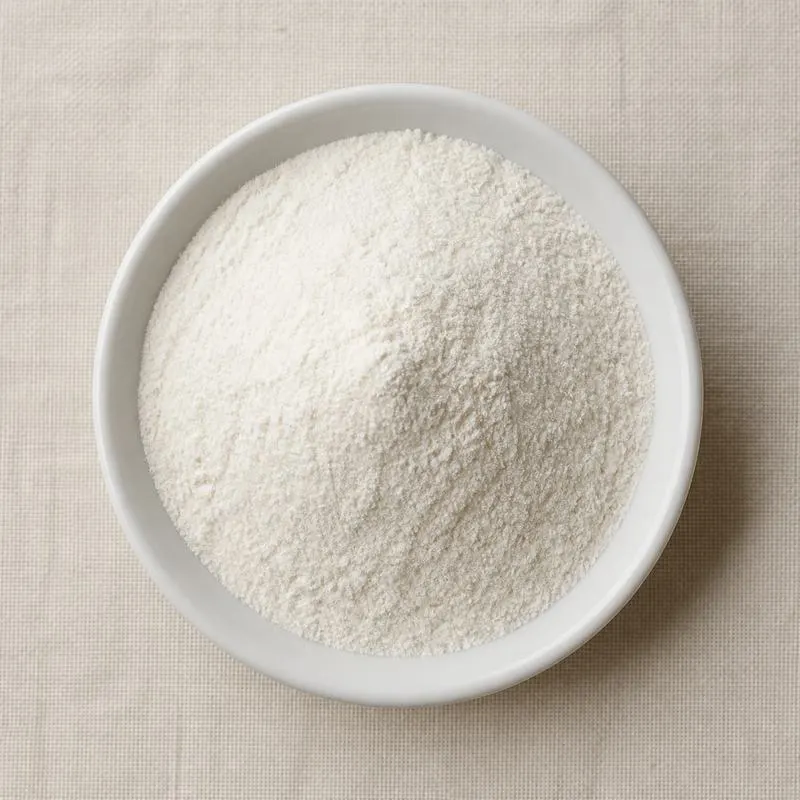
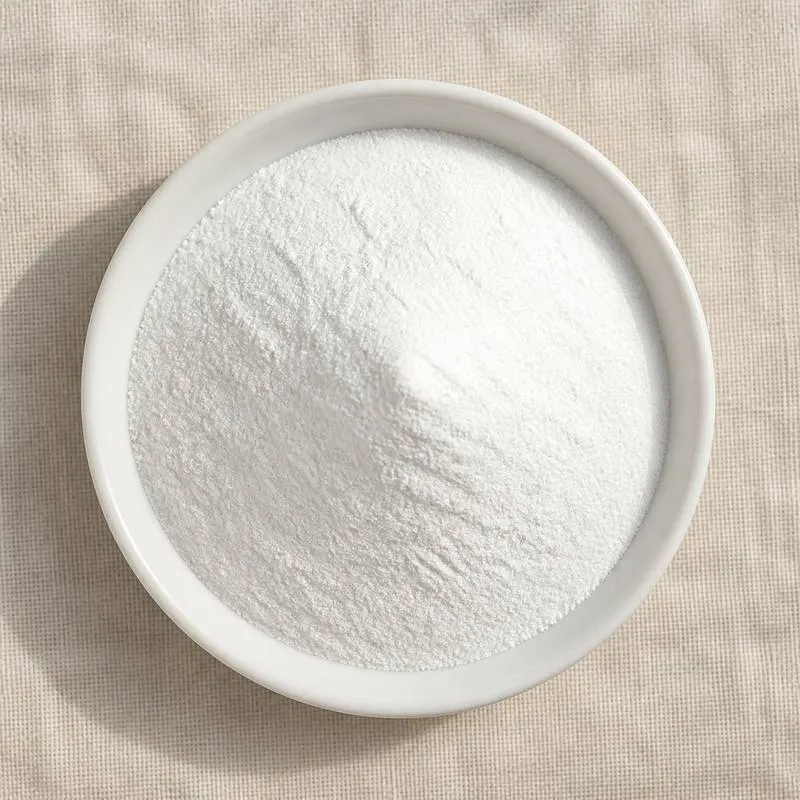
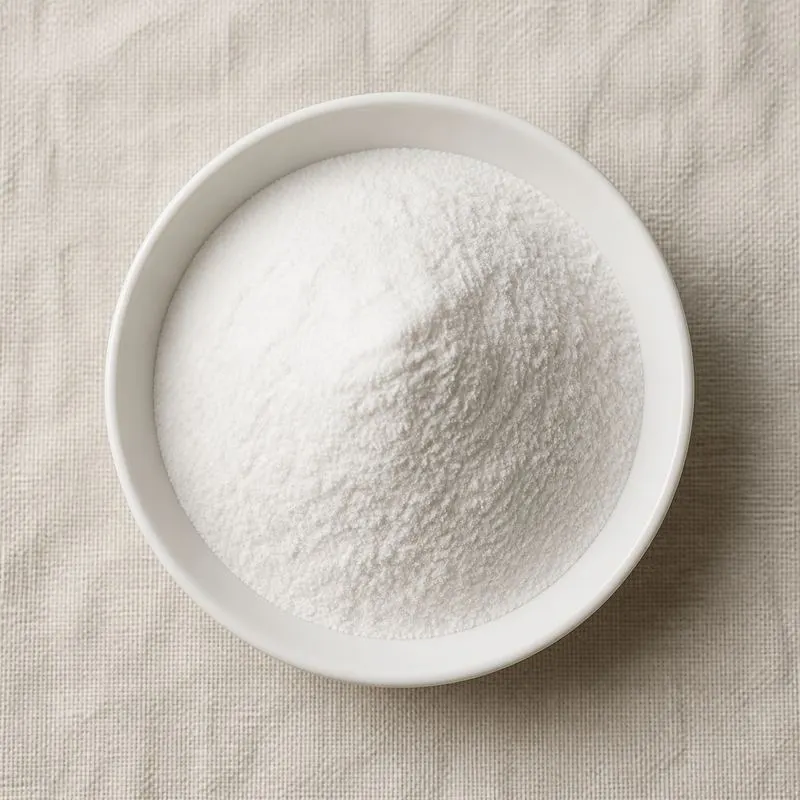
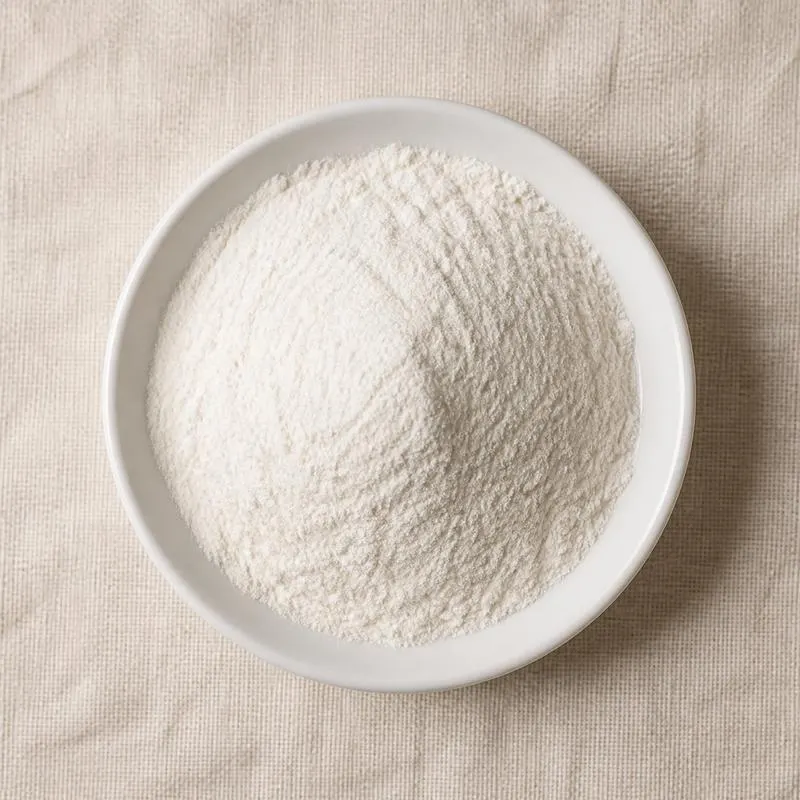
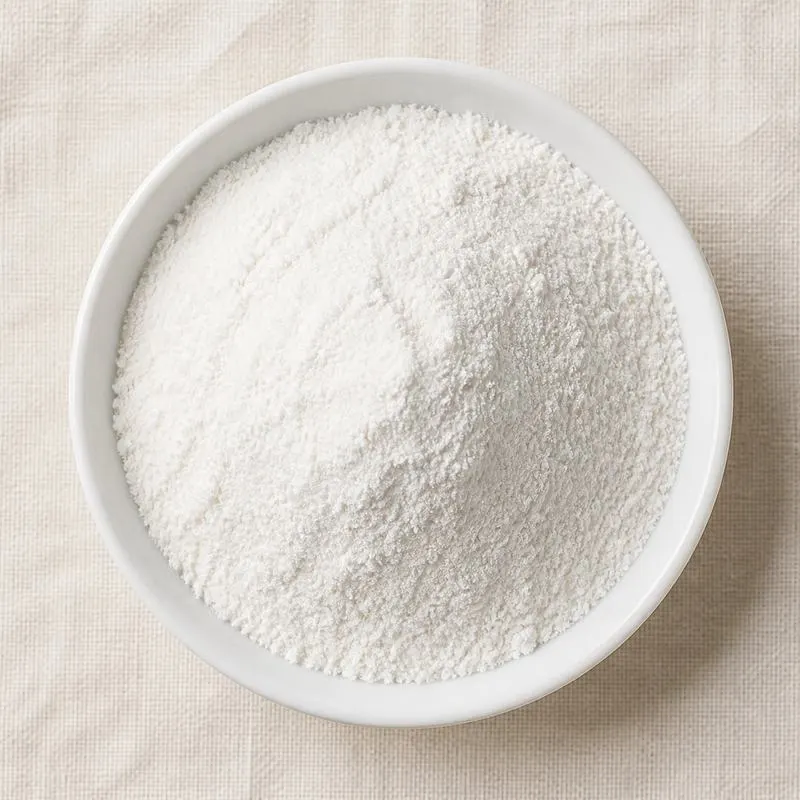
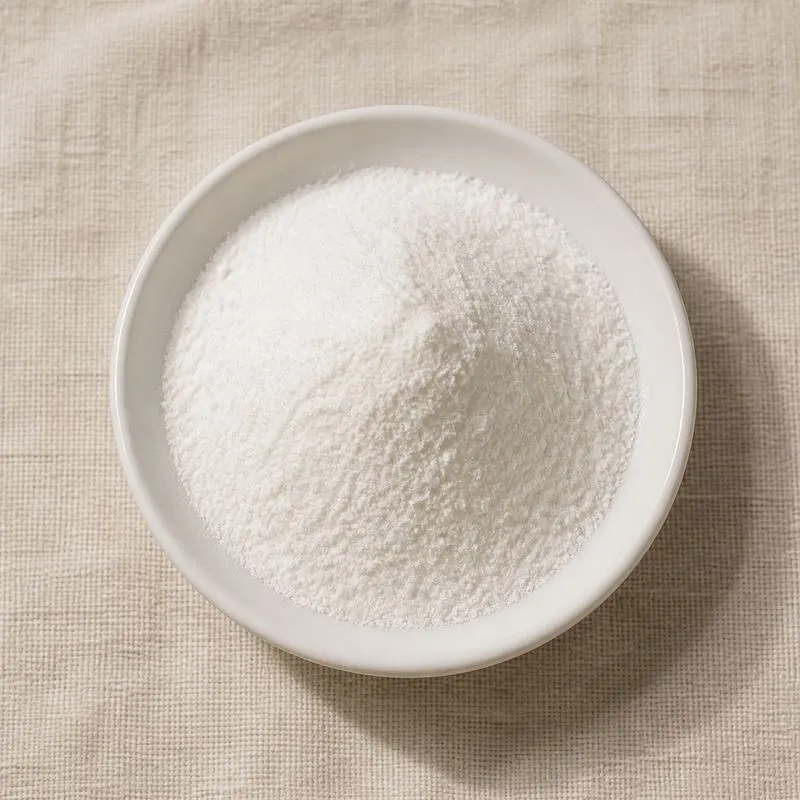
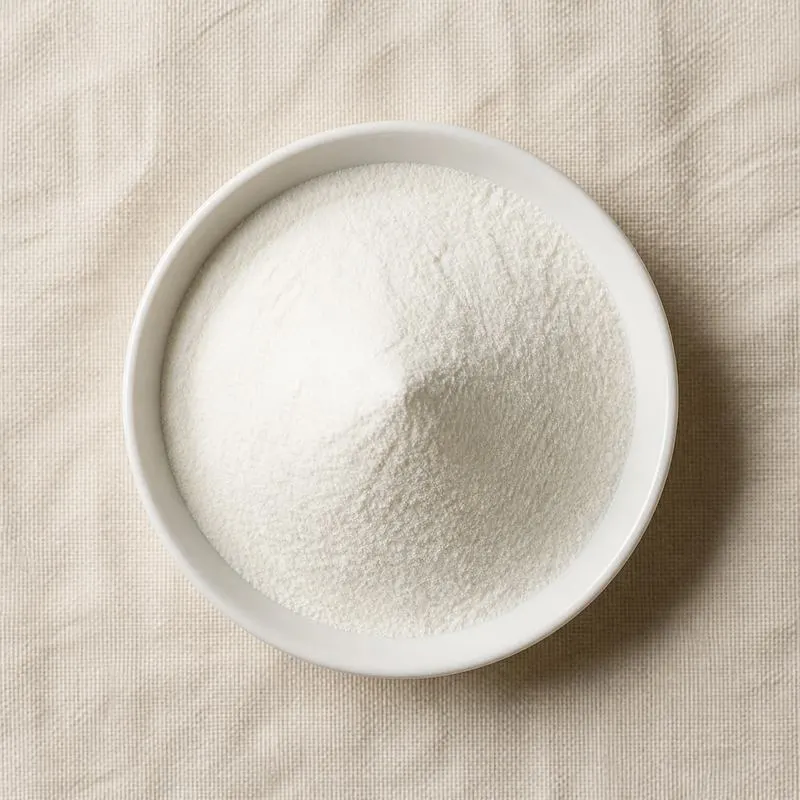
The materials are white to off white free flowing powders, either spray dried amorphous solids or crystalline solids, freely soluble in water at ambient temperature. They are stable through pasteurisation, ultra high temperature treatment and spray drying, though sialyllactose is more sensitive to prolonged low pH and the fucosylated structures brown slowly in the presence of protein at high temperature.
We source bulk Human Milk Oligosaccharides Fl Sl from top China manufacturers for our partners. The manufacturer is in Hubei. A smaller requirement can ship in a combined container with other ingredients.
Please send the grade you need, the volume and your destination port, and we will come back with a solution and a price.
or call +86-21-6858 0751
- Function
- Dietary Fibres
Specifications
| Item | Specification |
|---|---|
| Appearance | White to off white free flowing powder |
| Identification | Conforms by high performance anion exchange chromatography and nuclear magnetic resonance |
| Assay, target oligosaccharide, dry basis | ≥ 90.0% |
| Lactose | ≤ 5.0% |
| Loss on drying | ≤ 6.0% |
| Sulphated ash | ≤ 1.5% |
| pH, 5% solution | 4.0 to 7.0 |
| Residual protein | ≤ 0.01% |
| Lead | ≤ 0.1 mg/kg |
| Arsenic | ≤ 0.2 mg/kg |
| Total plate count | ≤ 1000 cfu/g |
| Yeast and mould | ≤ 100 cfu/g |
| Escherichia coli | Absent in 1 g |
| Salmonella | Absent in 25 g |
Common Markets Grades
The trade distinguishes single structure grades from blends. Single structure grades are sold by identity, most commonly 2'-fucosyllactose at 90 to 95 percent purity on a dry basis, 3'-sialyllactose and 6'-sialyllactose usually as sodium salts at 75 to 95 percent, and lacto-N-neotetraose at 85 percent or above, with residual lactose, monosaccharides and related oligosaccharides making up the balance and declared on the certificate of analysis.
Physical formats include spray dried powder for dry blending into infant formula bases, crystalline material where lower hygroscopicity and longer shelf life are wanted, and liquid concentrates at 30 to 50 percent solids for wet mix dosing in liquid ready to feed lines. Infant grade material is produced to tightened endotoxin, residual protein and residual DNA limits, while grades intended for adult supplements and medical nutrition follow the same identity specification with less restrictive microbiological ceilings.
Applications
- Infant and follow on formula, where they reproduce part of the oligosaccharide profile of breast milk and shift the faecal microbiota towards bifidobacteria
- Growing up milks and toddler powders, dosed alongside galacto-oligosaccharides to raise total prebiotic content
- Medical nutrition for preterm and low birth weight infants, where gut barrier maturation is the target
- Adult gut health capsules and sachets, typically 2'-fucosyllactose at gram level doses
- Fermented dairy and drinking yoghurt, added post fermentation because the cultures barely consume them
- Clinical and oral nutrition drinks for patients with disturbed microbiota after antibiotic therapy
- Synbiotic blends, where they act as the selective substrate for a bifidobacterial strain in the same sachet
- Animal milk replacers for young livestock and companion animals, where sialylated structures are used for pathogen binding
China Manufacturers of Human Milk Oligosaccharides Fl Sl
Top Human Milk Oligosaccharides Fl Sl manufacturers in China.

Company names and logos are the property of the manufacturers themselves. They are listed here because our own directory records them as producing this ingredient. A listing is not an endorsement by them, and we do not represent them or speak on their behalf.
Regulatory Status
In the United States 2'-fucosyllactose, lacto-N-neotetraose, 3'-sialyllactose sodium salt, 6'-sialyllactose sodium salt and difucosyllactose have been the subject of GRAS notices for use in infant formula and in conventional foods, and the Food and Drug Administration has responded to those notices without questioning the conclusions. Each notice is specific to a production organism and a purity specification, so the regulatory cover follows the individual manufacturing route rather than the substance in the abstract.
In the European Union these oligosaccharides are novel foods authorised under Regulation 2015/2283, with individual implementing regulations setting the conditions of use, the maximum levels in infant formula, follow on formula and food supplements, and the specification each authorised producer must meet. They are not food additives and carry no E number. Codex has no commodity standard specific to them, although the Codex standard for infant formula sets out the general requirement that added ingredients be safe and suitable for the age group.
Manufacturing Process
Commercial human milk oligosaccharides are made by precision fermentation rather than extraction from milk. A production strain of Escherichia coli K-12 or Bacillus subtilis carries the glycosyltransferase genes and the nucleotide sugar pathway needed to add a fucose or a sialic acid residue onto lactose. The fermenter is charged with glucose or glycerol as carbon and energy source and with lactose as the acceptor sugar, and is run fed batch under controlled dissolved oxygen, temperature and pH until the target oligosaccharide accumulates in the broth.
Downstream processing separates the product from the biomass and from the remaining sugars. Cells are removed by centrifugation and microfiltration, the clarified broth is passed through ultrafiltration to strip residual protein, DNA and endotoxin, then through cation and anion exchange resins to remove salts and charged impurities, and through activated carbon to remove colour bodies. Nanofiltration concentrates the oligosaccharide while allowing monosaccharides and salts to permeate. The concentrate is either spray dried directly to an amorphous powder or crystallised from an aqueous alcohol system, washed and dried under vacuum where a crystalline grade is required.