Hydrolyzed Sodium Hyaluronate
Hydrolysed sodium hyaluronate is sodium hyaluronate whose polymer chain has been deliberately cut into much shorter fragments, giving a material of low molecular weight, typically below 50,000 daltons and in many grades below 10,000, against the one to two million daltons of the native polymer.
The repeating disaccharide of D-glucuronic acid and N-acetyl-D-glucosamine is unchanged; only the chain length is. That single change alters almost everything of practical consequence. Viscosity collapses, so a solution that would be a thick gel at native molecular weight remains thin and pourable, which allows the ingredient to be used at high concentration in a serum or a beverage without an unacceptable texture. Solubility and dissolution speed rise. Most importantly for the applications it is sold into, the smaller molecules are small enough to pass between the cells of the stratum corneum rather than sitting on the surface as a film, which is the basis of the claim that low molecular weight hyaluronate hydrates the skin from within rather than only from without.
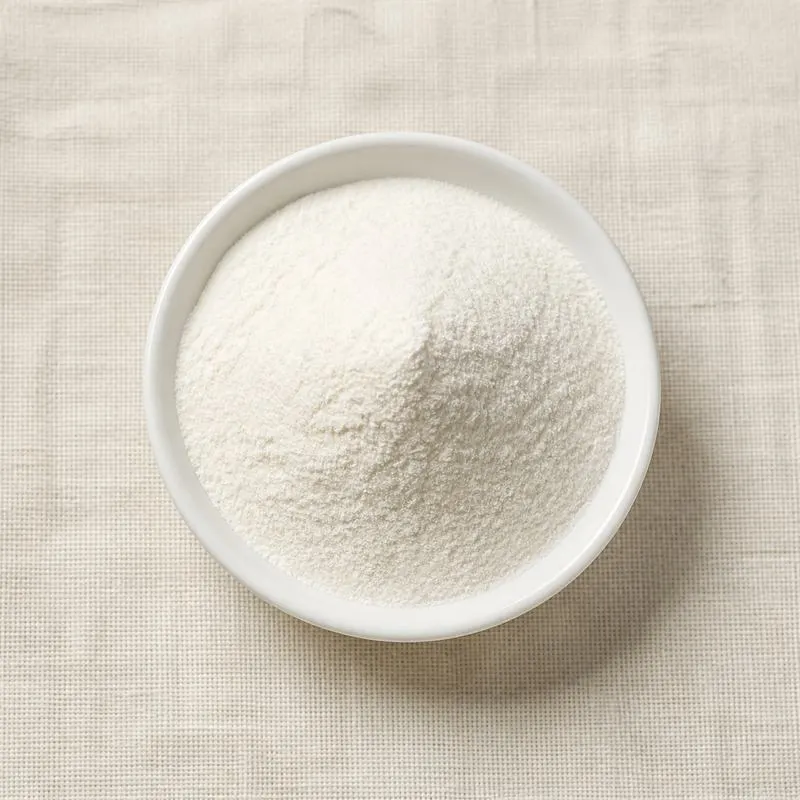
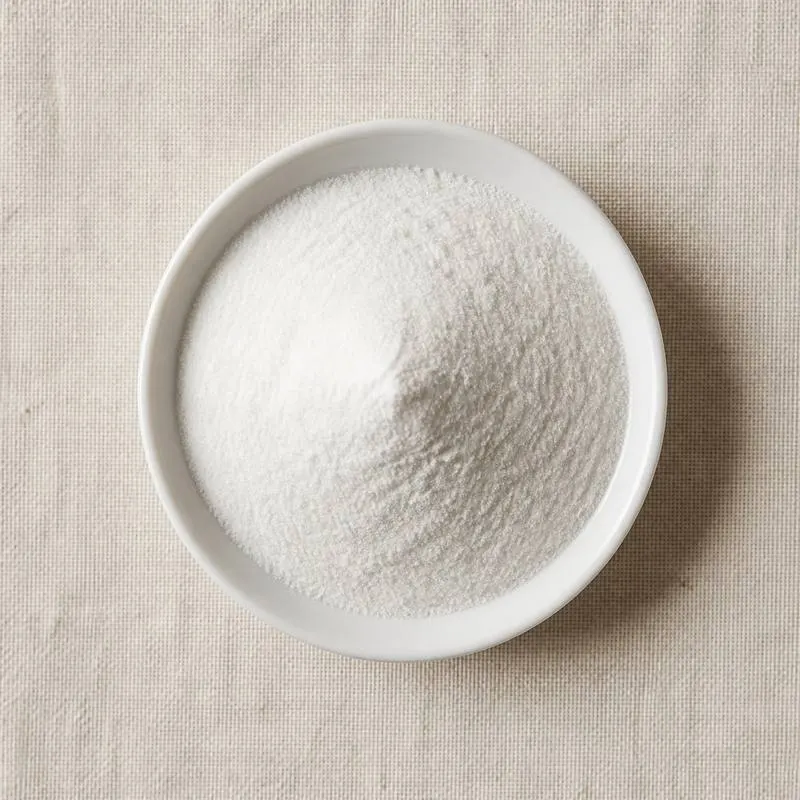
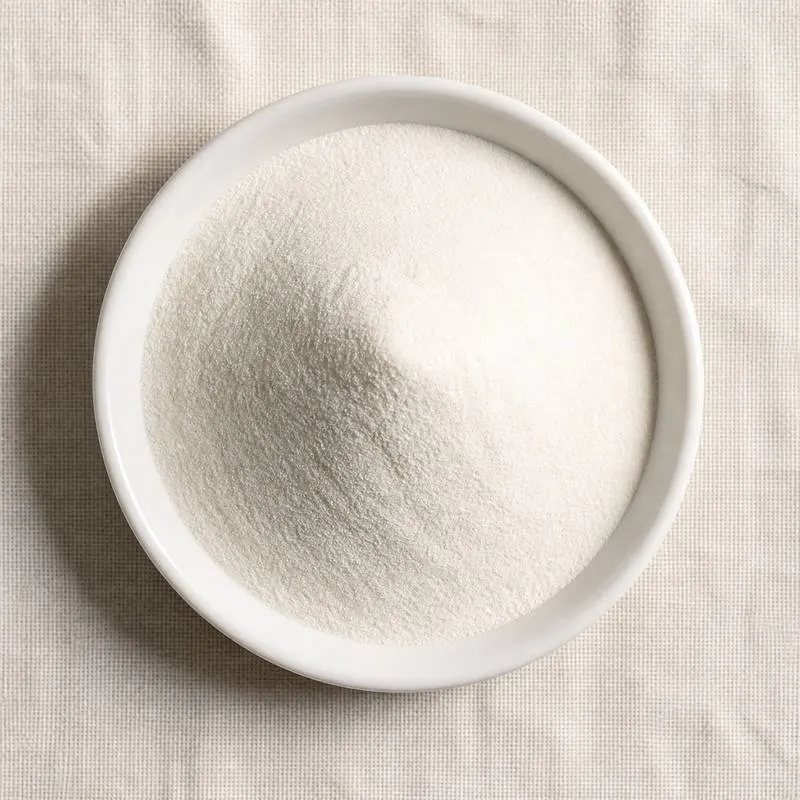
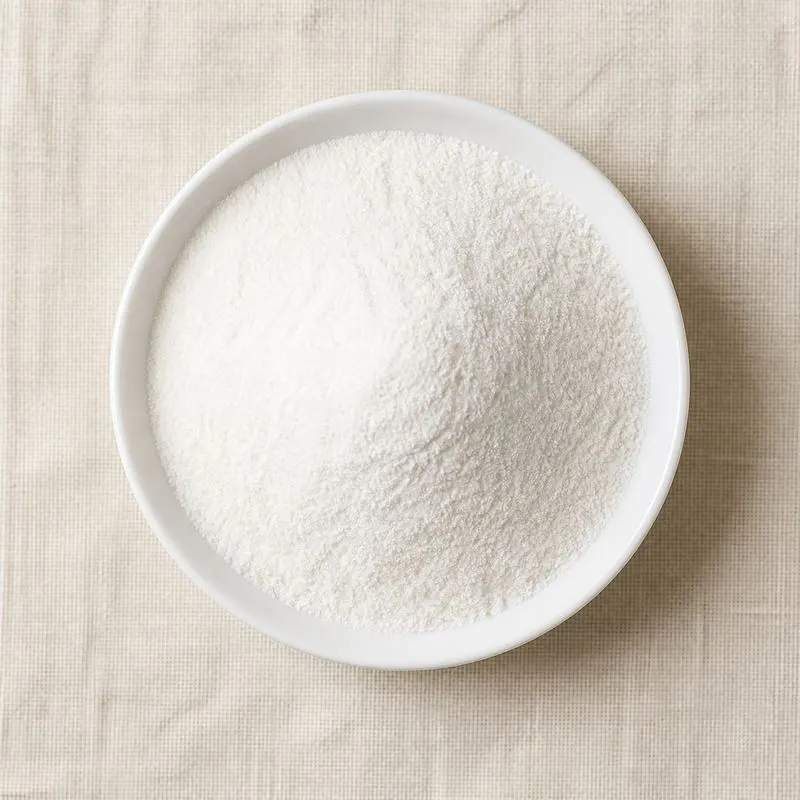
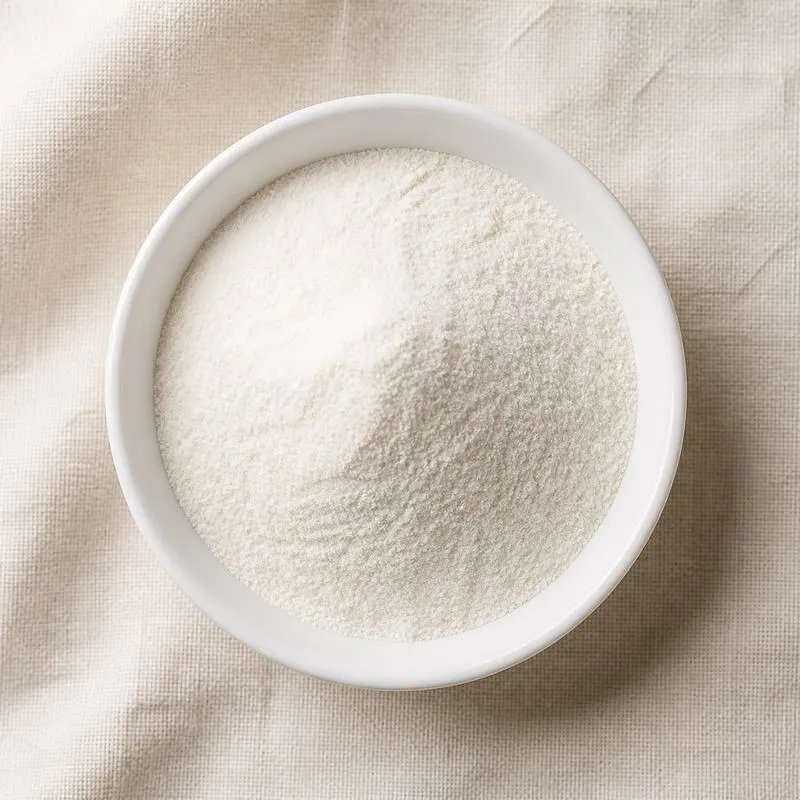
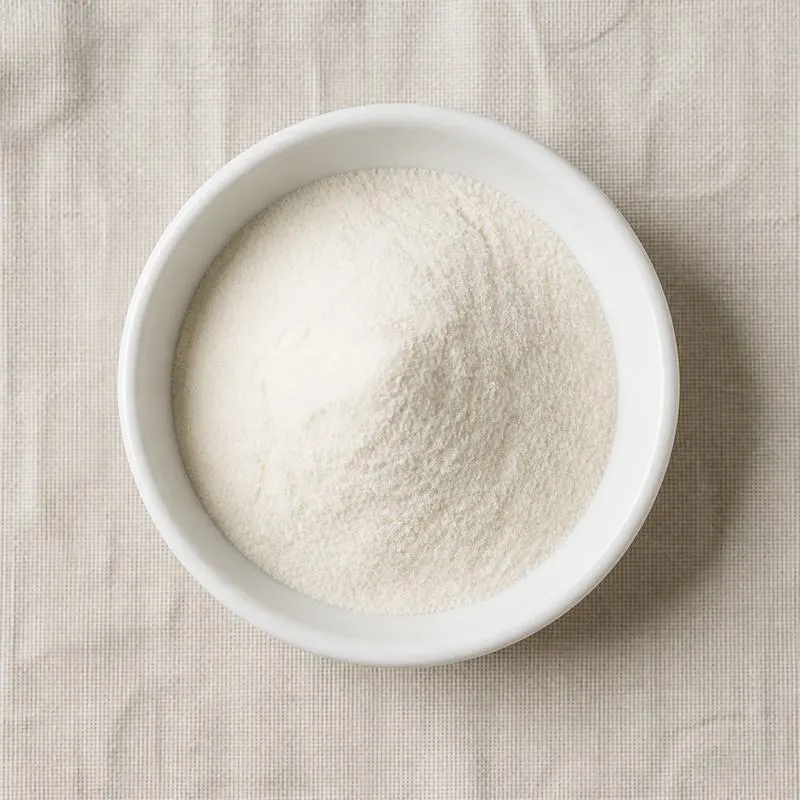
It is a white to off-white free-flowing powder, readily soluble in cold water to a clear low viscosity solution of near neutral pH. Because the fragments no longer entangle, it contributes essentially no thickening, and a formulation that needs both penetration and viscosity generally uses a blend of molecular weights.
We source bulk Hydrolyzed Sodium Hyaluronate from top China manufacturers for our partners. The manufacturer is in Shanghai. A smaller requirement can ship in a combined container with other ingredients.
Please send the grade you need, the volume and your destination port, and we will come back with a solution and a price.
or call +86-21-6858 0751
- Function
- Thickener / Hydrocolloid
Specifications
| Item | Specification |
|---|---|
| Appearance | White to off-white free-flowing powder |
| Odour | Odourless |
| Identification | Positive for glucuronic acid and N-acetylglucosamine on hydrolysis |
| Assay as sodium hyaluronate, dry basis | Not less than 92.0% |
| Molecular Weight | Not more than 10,000 daltons |
| Glucuronic Acid, dry basis | Not less than 42.0% |
| Viscosity, 1% solution at 25 degrees Celsius | Not more than 10 mPa s |
| Loss on Drying | Not more than 10.0% |
| Sulphated Ash | Not more than 20.0% |
| pH, 1% solution | 6.0 to 8.0 |
| Protein | Not more than 0.1% |
| Transmittance, 1% solution at 600 nm | Not less than 98% |
| Lead | Not more than 1 mg/kg |
| Arsenic | Not more than 1 mg/kg |
| Total Plate Count | Not more than 100 CFU/g |
| Yeast and Mould | Not more than 50 CFU/g |
| Salmonella | Absent in 25 g |
Common Markets Grades
Molecular weight is the specification, and it is the only one that really separates grades. Material is sold in bands, commonly below 10,000 daltons for the smallest fragments, 10,000 to 50,000 for the general low molecular weight range, and 50,000 to 300,000 for intermediate grades that retain some viscosity. The distribution matters as well as the mean, since a broad distribution behaves as a mixture, and better producers quote both.
Beyond molecular weight, grades separate by application. Cosmetic grade is specified for clarity, colour and microbiology. Food and supplement grade adds heavy metal and residual protein limits and is normally supported by documentation on its regulatory status in the market of sale. Oligosaccharide grades taken down to a handful of disaccharide units are traded as hyaluronan oligosaccharides and are a distinct product with their own claimed biology, so the intended fragment size should be stated explicitly rather than left to the phrase low molecular weight.
Applications
- Skin care serums and essences, where the small fragments penetrate the stratum corneum rather than forming a surface film
- High concentration hydrating formulations that would be unusably thick at native molecular weight
- Multi-weight hyaluronate blends, paired with high molecular weight material for both surface film and deeper hydration
- Oral supplements marketed for skin hydration and joint comfort, where the low molecular weight is promoted for absorption
- Functional beverages and jelly formats carrying a beauty or joint positioning
- Sheet masks and essence products requiring fast dissolution and low viscosity
- Hair care, giving conditioning and moisture retention without weighing the fibre down
- Post-procedure and sensitive skin products, providing hydration with a light texture
- Eye drops and ocular comfort formulations where low viscosity is required
- Sprayable and mist formats that a viscous polymer would block
Brands Using Hydrolyzed Sodium Hyaluronate
Widely-distributed consumer products that list Hydrolyzed Sodium Hyaluronate on the ingredient label.
- The INKEY ListEctoin Hydro-Barrier Serum ↗Hydrolyzed sodium hyaluronate is listed sixth in the ingredient list, directly after ectoin and ahead of sodium hyaluronate, as one of four hyaluronic acid forms in the serum.Label verified 2026-08-31
- KlurImmersion ↗The product copy describes a layered humectant system of beta-glucan, sodium hyaluronate, hydrolysed sodium hyaluronate, sodium PCA and cassia angustifolia polysaccharide.Label verified 2026-08-31
Brand names, product names and logos are the property of their owners. They appear here as published evidence that the ingredient is used, taken from the brand's own label or website. Their appearance is not an endorsement, and it does not mean the brand buys from us or from any manufacturer listed on this site.
China Manufacturers of Hydrolyzed Sodium Hyaluronate
Top Hydrolyzed Sodium Hyaluronate manufacturers in China.
Company names and logos are the property of the manufacturers themselves. They are listed here because our own directory records them as producing this ingredient. A listing is not an endorsement by them, and we do not represent them or speak on their behalf.
Regulatory Status
Hydrolysed sodium hyaluronate is not a food additive and carries no E number, so its position depends on the application and on the market.
In the United States sodium hyaluronate produced by fermentation has been the subject of generally recognised as safe notifications for food and beverage use to which the agency responded without objection, and it is used as a dietary ingredient in supplements; a low molecular weight grade should be checked against the specification of the notification or determination being relied upon, since fragment size may fall outside it. In the European Union the ingredient is used in cosmetics and in food supplements rather than as an additive, and a fermentation derived material intended for food must either demonstrate significant consumption in the Union before May 1997 or hold an authorisation under the novel food regulation, a question on which the molecular weight and the production route are both relevant, so the status of the specific grade should be established rather than assumed. Cosmetic use falls under the cosmetics regulation with the ingredient listed in the European cosmetic ingredient inventory, and the INCI name identifies the hydrolysed form separately from the native polymer. Any grade intended for ophthalmic or injectable use falls under the medical devices or medicinal products framework instead.
Manufacturing Process
Manufacture starts from native sodium hyaluronate made by microbial fermentation. A production strain, typically an attenuated Streptococcus equi subspecies zooepidemicus or an engineered non-pathogenic host, is grown in a stirred tank on a glucose and yeast extract medium, secreting the polymer into the broth. The broth is heat treated, clarified by centrifugation and microfiltration to remove cells, and treated with a protease and activated carbon to strip protein and colour.
The depolymerisation step is then applied, either to the purified solution or to redissolved native powder. Three routes are used. Enzymatic hydrolysis with hyaluronidase gives the narrowest fragment distribution and the best control of the endpoint but is the most costly. Acid or alkaline hydrolysis under controlled temperature and time is cheaper but broadens the distribution and risks deacetylation if pushed too far. Oxidative degradation, usually with hydrogen peroxide, is fast and inexpensive and is widely used, with the peroxide subsequently destroyed and the fragments checked for oxidation by-products. In all three the reaction is tracked by molecular weight measurement on samples drawn during the run rather than stopped on a fixed time, because the relationship between conditions and chain length is steep.
The hydrolysed solution is neutralised, desalted by ultrafiltration or dialysis against a membrane with a cut-off below the target fragment size, then precipitated with ethanol, washed, dried under vacuum or by freeze drying, milled and sieved. Molecular weight and distribution are confirmed on the finished powder.