L-Cysteine Hydrochloride Anhydrous
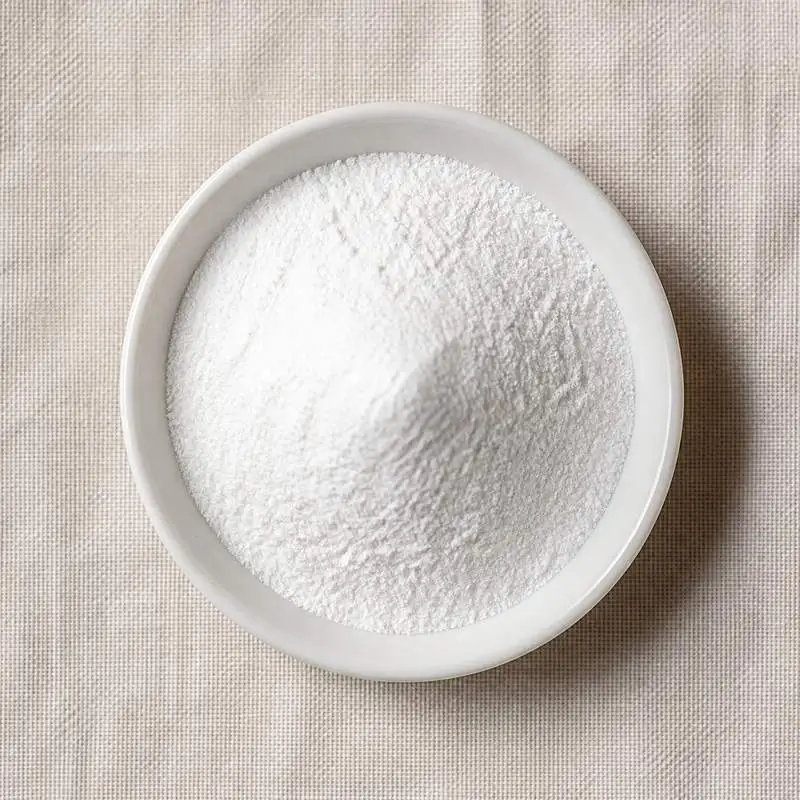
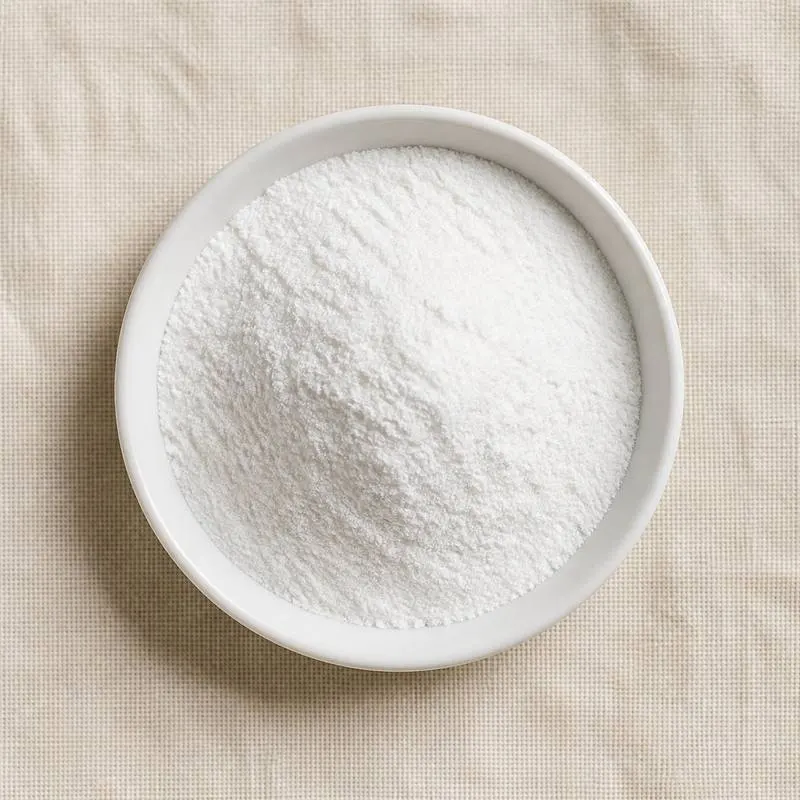
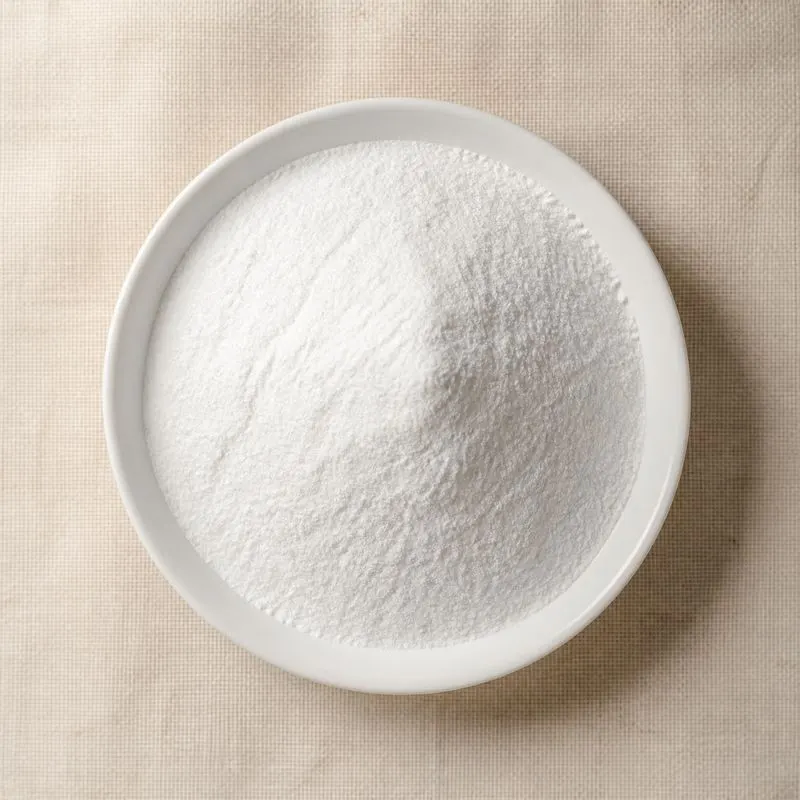
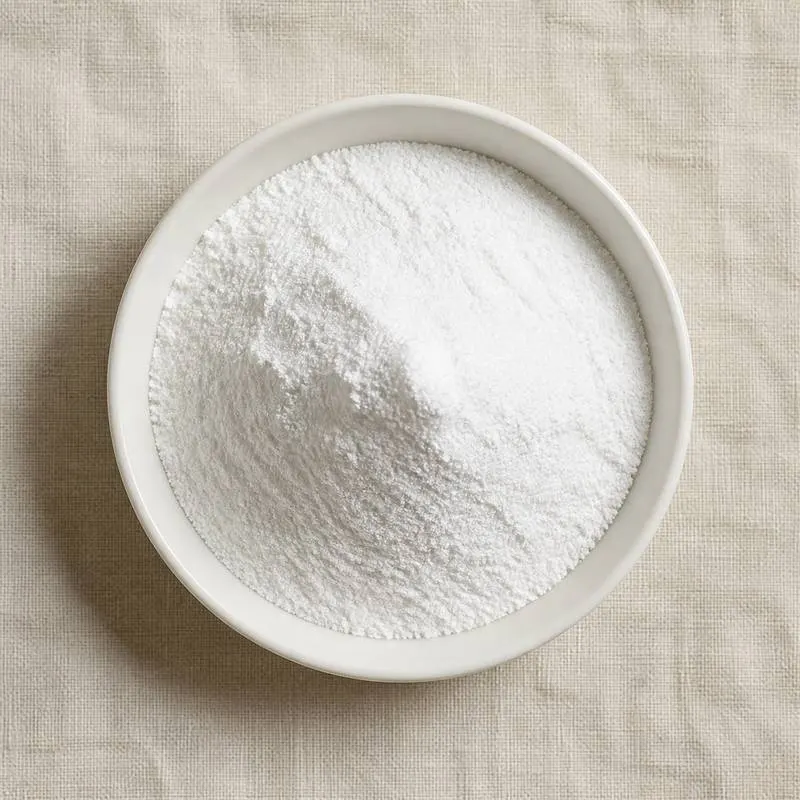
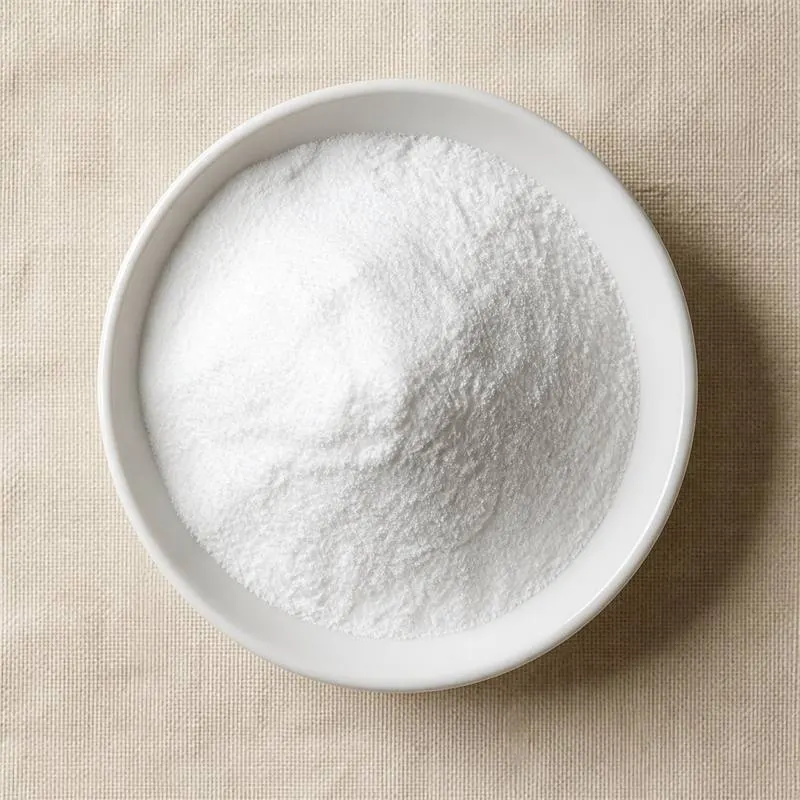
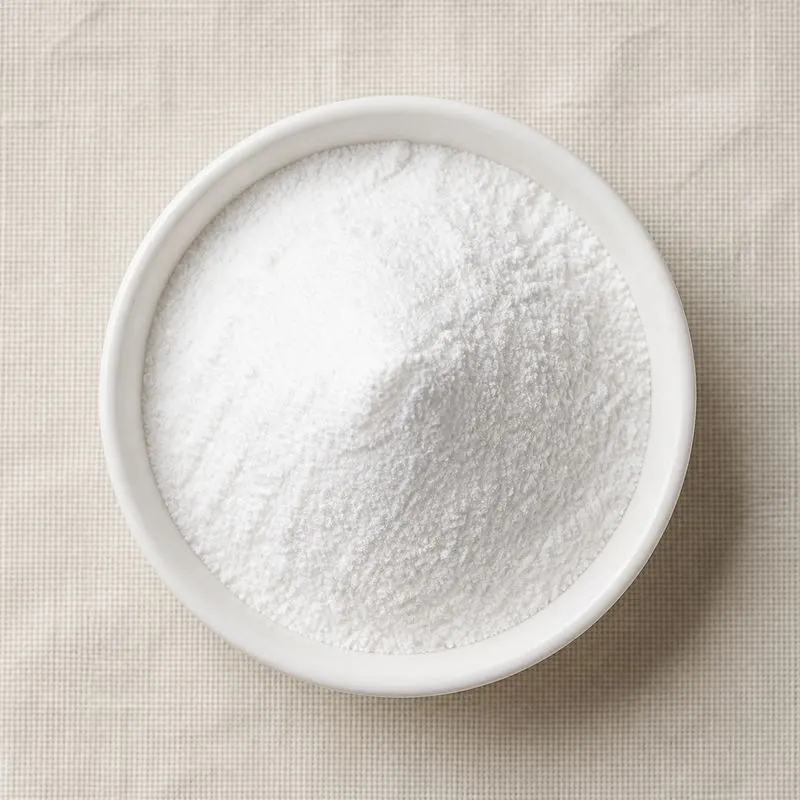
L-Cysteine Hydrochloride Anhydrous is the hydrochloric acid salt of the sulphur-containing amino acid L-cysteine, sold as a white crystalline powder with a faint sulfury odour and a sharp acid taste.
The molecule has the formula C₃H₇NO₂S·HCl, a molar mass of 157.62 g/mol, and CAS number 52-89-1. The anhydrous crystal form is preferred where moisture pickup must be controlled, in contrast to the more common monohydrate.
We source bulk L-Cysteine Hydrochloride Anhydrous from top China manufacturers for our partners, working with several of them. The manufacturers are in Hebei. For this ingredient the minimum order is 500 kg and a 20-foot container takes 12 MT, and a smaller requirement can ship in a combined container with other ingredients.
Please send the grade you need, the volume and your destination port, and we will come back with a solution and a price.
or call +86-21-6858 0751
- Minimum order
- 500 kg
- Qty in 20' FCL
- 12 MT
- Packaging
- 25 kg kraft paper bag with PE inner liner
- ISO 9001
- HACCP
- Halal
- Kosher
Specifications
Grades / Types Available: AJI97
| Item | Specification |
|---|---|
| Appearance | White crystalline powder |
| Assay | ≥98.5% |
| Specific Rotation [α]D20 | +5.0° to +8.0° |
| Loss on Drying | ≤0.5% |
| Residue on Ignition | ≤0.1% |
| pH (2% solution) | 1.0–2.5 |
| Heavy Metals (as Pb) | ≤10 ppm |
| Arsenic | ≤1 ppm |
| Iron | ≤10 ppm |
| Total Plate Count | ≤1000 CFU/g |
| Assay, % | 98.0~102.0 |
| Loss on drying, % | ≤1.0 |
| Transmittance, % | ≥98.0 |
| Sulfate (as SO4), % | ≤0.02 |
| Ammonium as (as NH4), % | ≤0.02 |
| pH Value | 0.5~2.0 |
| Residue on ignition, % | ≤0.1 |
| Other amino acid | No detd |
Common Markets Grades
Food, feed, and pharmaceutical specifications cover L-Cysteine Hydrochloride Anhydrous, and all three hold the assay at 98.5 percent minimum on the dry basis.
Food grade meets the FCC and JECFA monographs and is the standard format for bakery dough conditioning, where the active level sits in the tens of parts per million range.
USP and Ph. Eur. grades are produced for parenteral nutrition formulas, infant formula fortification, and pharmaceutical synthesis intermediates. These grades carry tighter limits on heavy metals, residual solvents, and microbial counts.
Feed grade ships in 25 kg fibre drums for poultry and aquaculture premixes where cysteine is added as a sulphur amino acid balancer.
Applications
- Bread and bun dough conditioning under E920 to relax gluten and shorten mixing time
- Pizza dough, tortilla, and flatbread blends for improved machinability
- Cracker and biscuit doughs to reduce dock-pin sticking and improve sheet release
- Savory reaction flavour systems for meat-type and roasted notes by Maillard chemistry
- Infant formula fortification as a conditionally essential amino acid for neonates
- Parenteral nutrition amino acid solutions for clinical feeding
- Pharmaceutical synthesis intermediate for N-acetylcysteine and other derivatives
- Hair-care products including permanent-wave neutralisers and straightening systems
- Cosmetic formulations as a thiol antioxidant in skin and scalp preparations
- Animal feed premixes for poultry, swine, and aquaculture diets
- Cell-culture media as a sulphur source in industrial biotechnology
- Antioxidant in fruit and vegetable processing to suppress enzymatic browning
Brands Using L-Cysteine Hydrochloride Anhydrous
Widely-distributed consumer products that list L-Cysteine Hydrochloride Anhydrous on the ingredient label.
- Pillsbury (General Mills)Pillsbury Original Crescent Rolls ↗Pillsbury Original Crescent Rolls ingredient panel includes L-Cysteine Hydrochloride as a dough conditioner; the same ingredient appears across Pillsbury's crescent and cinnamon roll lines (Grands! Crescents, Butter Flake, Cinnamon Rolls).Label verified 2026-05-24
- Pillsbury (General Mills)Pillsbury Cinnamon Rolls with Original Icing ↗Pillsbury Cinnamon Rolls with Original Icing ingredient panel lists L-cysteine hydrochloride as a dough conditioner (E920 function) to soften and relax the refrigerated dough.Label verified 2026-05-24
- Lender's Bagels (Conagra Brands)Lender's Original Plain Bagels ↗Lender's Original Plain Bagels ingredient list includes L-cysteine hydrochloride among the dough conditioners (with calcium sulfate); the ingredient also appears in Lender's whole wheat and French toast bagel varieties.Label verified 2026-05-24
- NOW FoodsL-Cysteine 500 mg Tablets ↗Official NOW Foods product page declares 'L-Cysteine (from L-Cysteine Hydrochloride) 500 mg' per tablet, confirming L-cysteine hydrochloride as the active source material in this consumer supplement.Label verified 2026-05-24
Brand names, product names and logos are the property of their owners. They appear here as published evidence that the ingredient is used, taken from the brand's own label or website. Their appearance is not an endorsement, and it does not mean the brand buys from us or from any manufacturer listed on this site.
China Manufacturers of L-Cysteine Hydrochloride Anhydrous
Top L-Cysteine Hydrochloride Anhydrous manufacturers in China.
 Hebei Huafan Biological Technology Co., Ltd.15 ingredients in the directory
- Hebei Huaheng Biological Technology Co., Ltd.9 ingredients in the directory
- Hebei Huayang Biological Technology Co., Ltd.13 ingredients in the directory
Company names and logos are the property of the manufacturers themselves. They are listed here because our own directory records them as producing this ingredient. A listing is not an endorsement by them, and we do not represent them or speak on their behalf.
How We Help Source L-Cysteine Hydrochloride Anhydrous
Direct Factory Sourcing
We run the whole process: selecting the manufacturer from the top Chinese food ingredient producers, negotiating the price, verifying quality, and coordinating the logistics. You deal with us instead of with several factories at once.
Original Packaging and Documents from the Manufacturer
The manufacturer sends your L-Cysteine Hydrochloride Anhydrous out of its own factory in the original packing, through to your destination port. The COA, COO, MSDS, TDS and any certifications reach you from the manufacturer as well.
Free Samples and Lead Time
We send 100 to 500 g free for your own laboratory to test and you cover only the courier, usually within 2 to 3 working days. ETD is usually within 7 to 15 days once the order is confirmed, and we check that date against the factory's own manufacturing schedule before we give it to you.
Combined Shipment
We can load L-Cysteine Hydrochloride Anhydrous together with other ingredients such as Glycine, L-Arginine and L-Leucine into one 20' FCL. If your quantity is small, we can also ship LCL.
Regulatory Status
L-Cysteine Hydrochloride is approved as a food additive in essentially every regulated market.
In the European Union it is permitted as flour treatment agent E920 and is also allowed in flavourings. JECFA has evaluated the substance and assigned a not-specified ADI when used as a processing aid.
The U.S. Food and Drug Administration lists L-Cysteine Hydrochloride as GRAS for use as a dough strengthener under 21 CFR 184.1271, with a maximum use level of 90 ppm in flour-based products.
Pharmacopoeial monographs appear in the United States Pharmacopeia (USP), the European Pharmacopoeia (Ph. Eur.), and the Japanese Pharmacopoeia (JP). The FCC monograph is recognised in Codex Alimentarius reference work.
Halal and Kosher certifications exist for fermentation-derived material. Buyers concerned with vegan labelling typically require documentation that the source is bacterial fermentation rather than keratin hydrolysate.
Manufacturing Process
Two production routes dominate global supply.
The fermentation route uses engineered strains of Escherichia coli or Pantoea ananatis that secrete L-cysteine into the broth under aerobic glucose feeding. The free amino acid is recovered by ion exchange, converted to the hydrochloride salt with HCl, and crystallised. This route now accounts for the majority of food-grade supply and carries vegan-friendly and Kosher-friendly status.
The hydrolysis route extracts L-cysteine from keratin-rich biomass, human hair, hog bristle, or poultry feathers, by hot HCl treatment. The hydrolysate is purified by activated carbon, ion-exchange chromatography, and crystallisation. Material from this route is still made at scale in several regions and is the historical reference standard.
For the anhydrous grade, the recovered monohydrate is dried under vacuum at controlled temperature to drive off the water of crystallisation without inducing oxidation of the thiol group.