L-Potassium Lactate
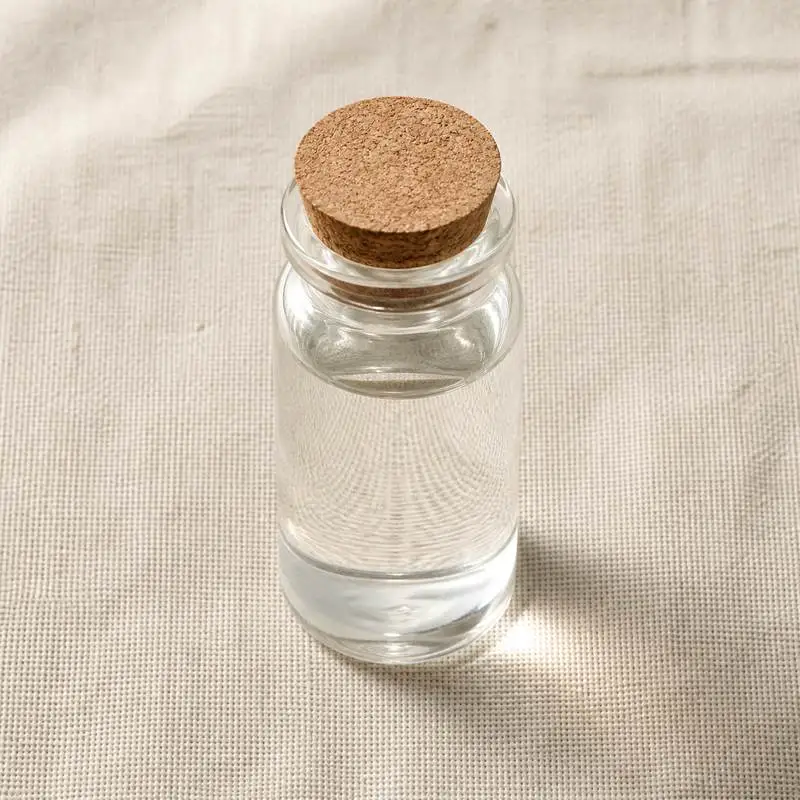
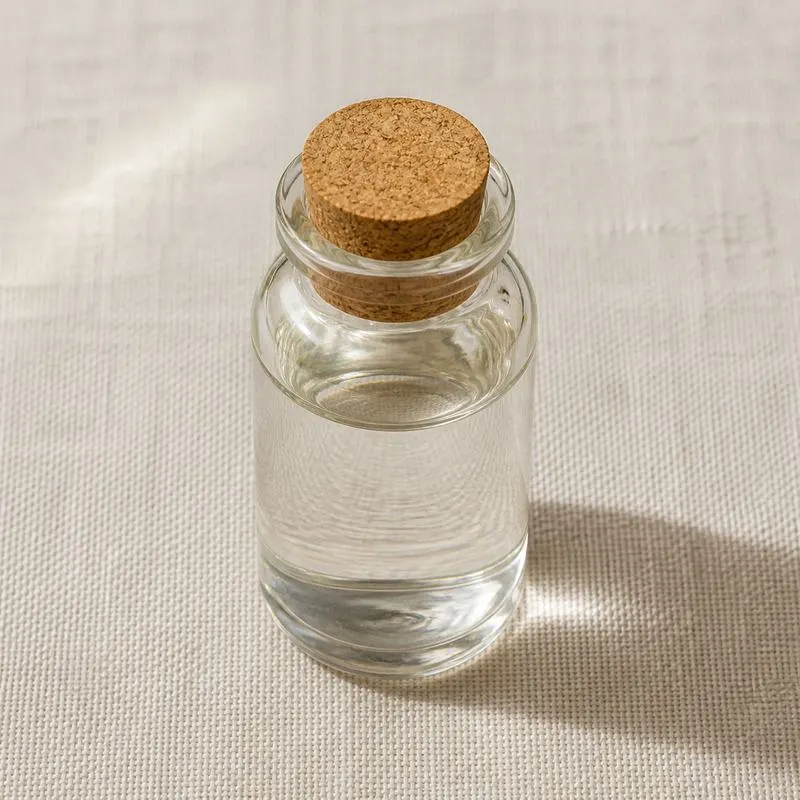
L-Potassium Lactate is the high-optical-purity L-(+)-isomer of potassium lactate, sold as a clear, slightly viscous aqueous solution. It is the metabolically native enantiomer, identical to the lactate produced in human muscle and in the milk of all mammals.
The compound (CAS 996-31-6, molar mass 128.17 g/mol) typically ships at minimum 95 to 99 percent L-isomer optical purity. It is the premium specification within the potassium lactate family and is the preferred choice for infant nutrition, clinical IV use, and clean-label fermentation-positioning food.
We source bulk L-Potassium Lactate from top China manufacturers for our partners. The manufacturer is in Shandong. A smaller requirement can ship in a combined container with other ingredients.
Please send the grade you need, the volume and your destination port, and we will come back with a solution and a price.
or call +86-21-6858 0751
- Packaging
- 250 kg plastic drum or 1,000 kg IBC tote
- ISO 9001
- HACCP
- Halal
- Kosher
Specifications
Grades / Types Available: Food grade FCC
| Item | Specification |
|---|---|
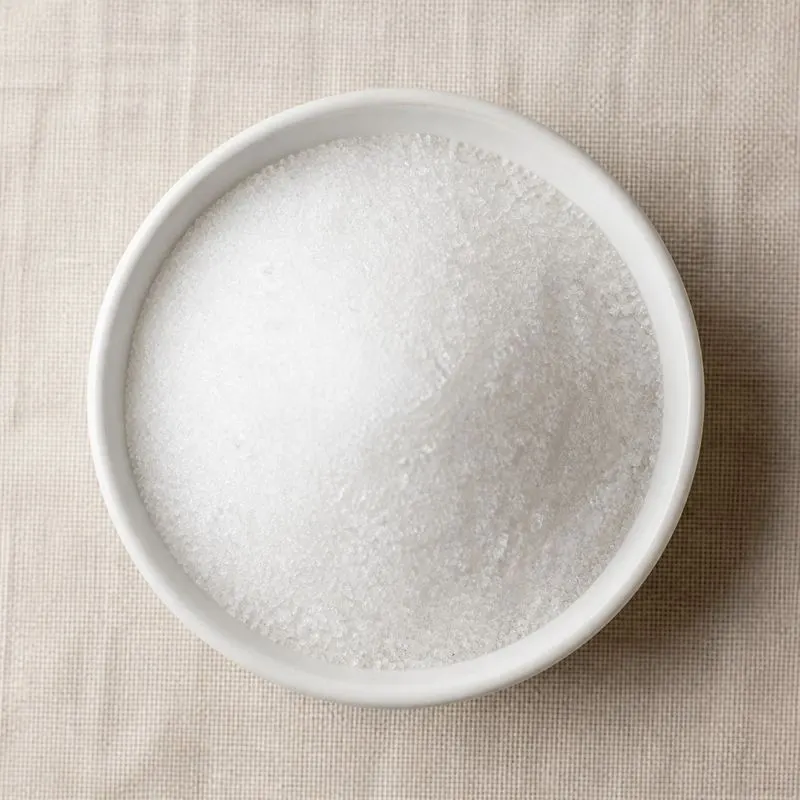
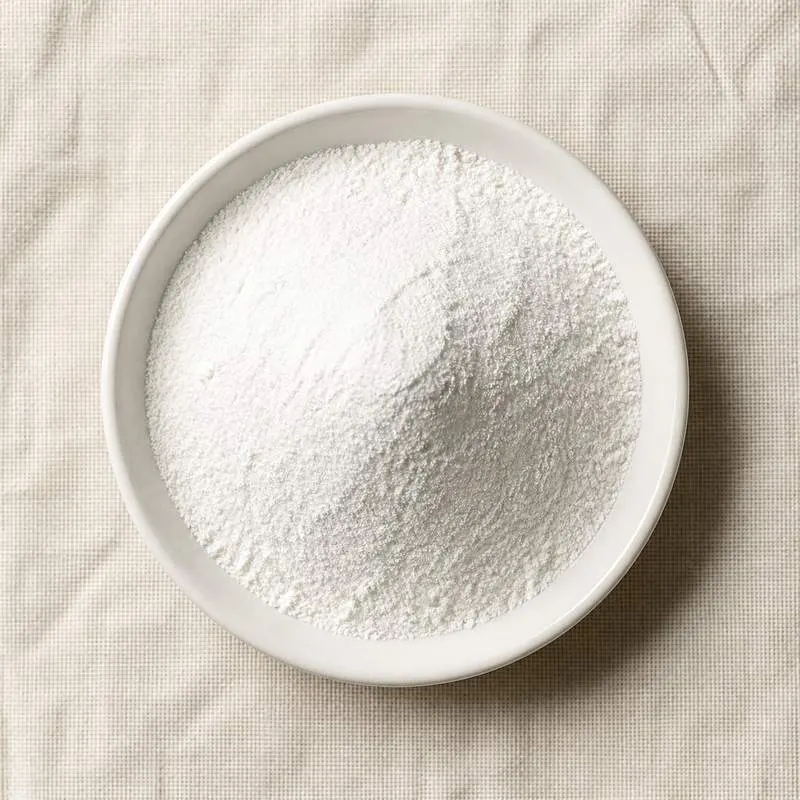
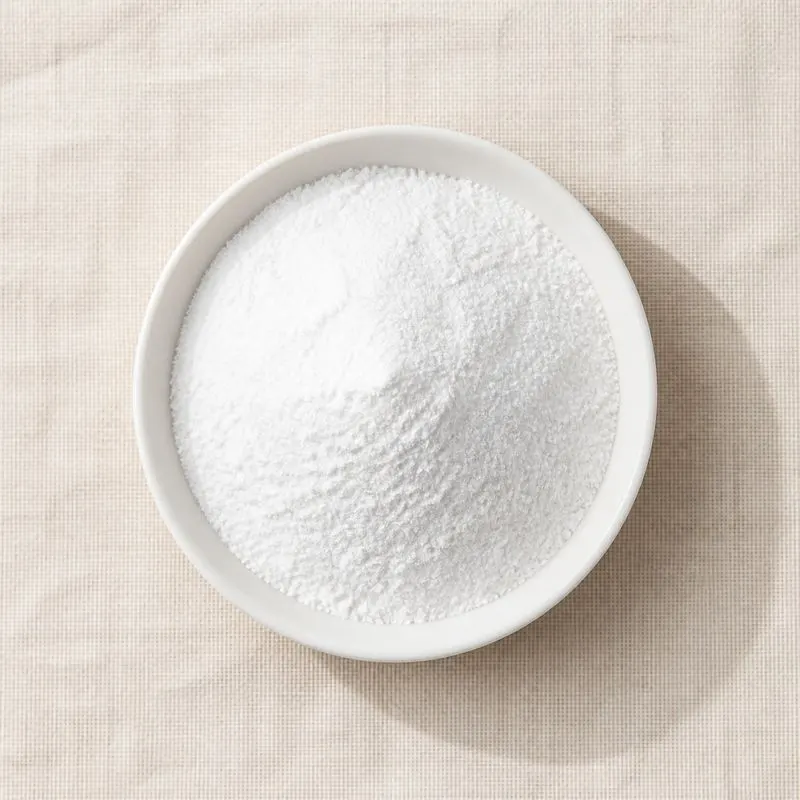
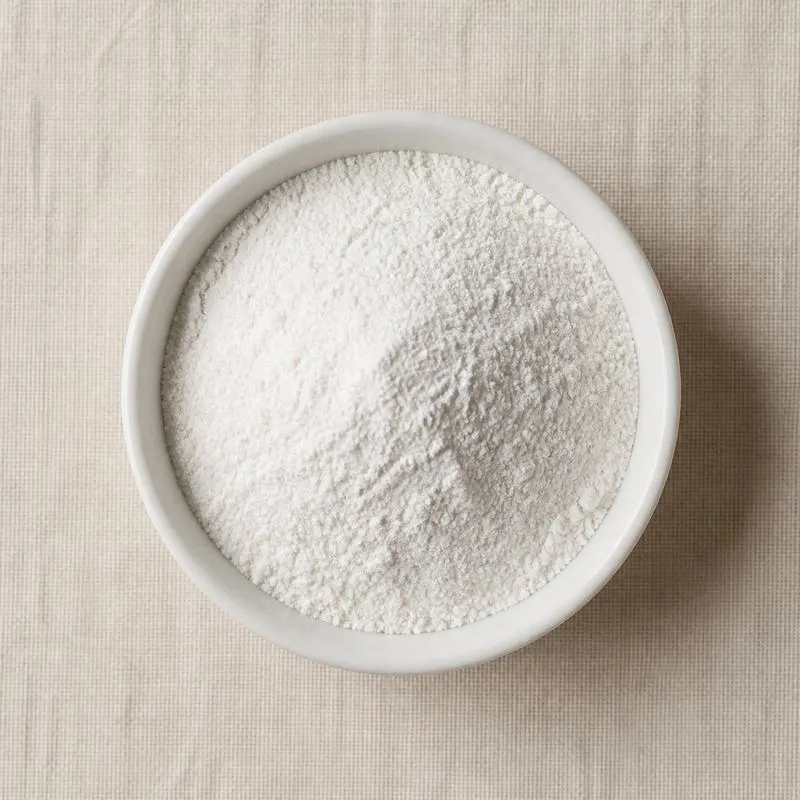
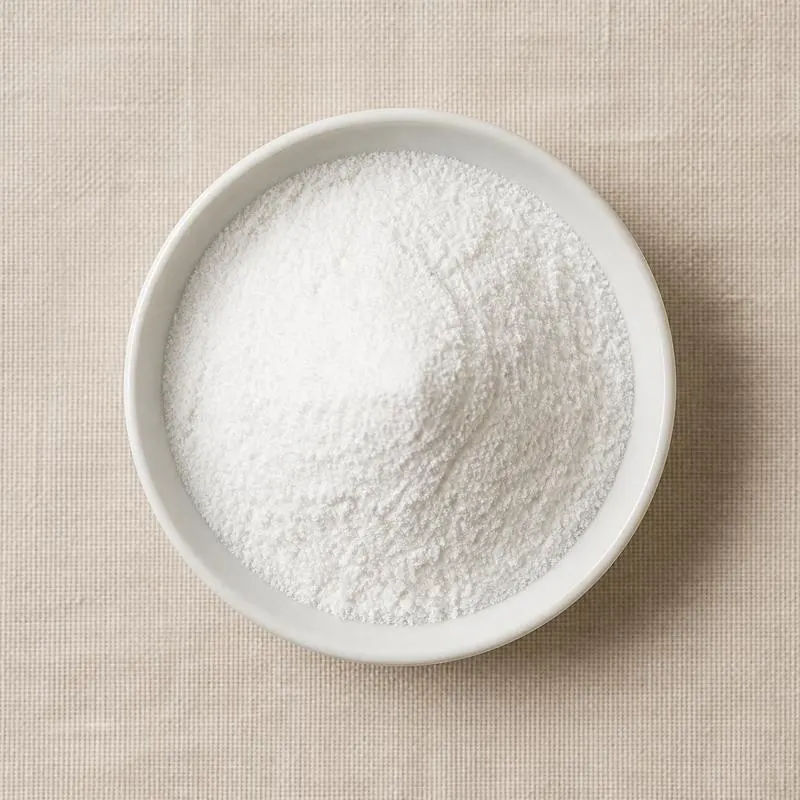
| Appearance | Clear to light yellow syrup (60% solution) or white hygroscopic powder |
| Assay (as Potassium Lactate) | ≥ 98.0% (dry basis) |
| L-Lactic Acid Content (in solution) | 58.0–62.0% (for 60% solution grade) |
| Loss on Drying | ≤ 1.0% (powder grade) |
| pH (10% solution) | 6.5–8.5 |
| Citric/Oxalic Acid | Passes test |
| Heavy Metals (as Pb) | ≤ 5 mg/kg |
| Lead (as Pb) | ≤ 2 mg/kg |
| Arsenic (as As) | ≤ 1 mg/kg |
| Total Plate Count | ≤ 100 CFU/g |
| Yeast & Mold | ≤ 10 CFU/g |
| E. coli | Negative/g |
| Purity/Assay (Potassium lactate) | 97.8% |
| Water content | 0.78% |
| Heavy metals as Pb | <10 ppm |
| Mesophilic bacteria | <10 cfu/g |
| Moulds | <10 cfu/g |
| Yeasts | <10 cfu/g |
Common Markets Grades
L-Potassium Lactate is differentiated from racemic and DL grades by its optical purity specification.
Food grade is a 60 percent w/w aqueous solution at minimum 60.0 percent assay, with L-isomer content typically specified at minimum 95 percent. Premium clinical-nutrition grade specifies minimum 99 percent L-isomer with controlled limits on the D-form.
Infant-nutrition grade meets the Codex Alimentarius restriction on D-lactate for foods intended for infants below 12 months and is typically sold at minimum 99 percent L-isomer with full traceability from a single L-selective production strain.
USP and Ph. Eur. injection grades come as 50 percent solutions with declared L-isomer content, for ringer's lactate and balanced electrolyte solution manufacture.
Cosmetic grade is produced as the same 60 percent solution with declaration of natural-source L-isomer status for INCI-compliant labelling and natural-cosmetic certification schemes.
Applications
- Infant formula and follow-on formula pH buffering, where D-lactate is restricted
- Clinical and parenteral nutrition for neonates, infants, and pediatric patients
- Ringer's L-lactate and balanced electrolyte IV solutions for sensitive patient populations
- Natural-positioning ready-to-eat meat and poultry preservation
- Premium clean-label shelf-life extension in deli, hot dog, and sausage categories
- Fermented dairy and plant-based beverage pH adjustment with native-isomer claim
- Sports recovery and rehydration formulations highlighting muscle-identical lactate
- Cosmetic humectant and pH buffer in natural and organic-certified skincare
- Infant skincare and gentle baby products where L-only specification is preferred
- Pet-food preservation for premium and natural-positioning brands
- Functional beverage fortification with L-lactate as a marketed performance ingredient
Brands Using L-Potassium Lactate
Widely-distributed consumer products that list L-Potassium Lactate on the ingredient label.
- Hormel FoodsHormel Extra Lean Ham (97% Fat Free) ↗Commercial food-grade potassium lactate (e.g. Corbion PURASAL and Jungbunzlauer Potassium L(+)-Lactate) is the L-isomer produced by fermentation of plant sugars; products such as Hormel Extra Lean Ham declare it on label as 'potassium lactate' without L/D differentiation. Used as antilisterial preservative and humectant.Label verified 2026-05-24
- Kraft Heinz (Oscar Mayer)Oscar Mayer Deli Fresh Lower Sodium Oven Roasted Turkey Breast ↗Oscar Mayer Deli Fresh Lower Sodium Turkey Breast ingredient panel lists 'Potassium Lactate' as part of the antimicrobial / shelf-life blend; commercial supply (Corbion PURASAL, Jungbunzlauer) is the L(+) enantiomer derived from fermentation, though end-product labels do not distinguish the isomer.Label verified 2026-05-24
Brand names, product names and logos are the property of their owners. They appear here as published evidence that the ingredient is used, taken from the brand's own label or website. Their appearance is not an endorsement, and it does not mean the brand buys from us or from any manufacturer listed on this site.
China Manufacturers of L-Potassium Lactate
Top L-Potassium Lactate manufacturers in China.

Company names and logos are the property of the manufacturers themselves. They are listed here because our own directory records them as producing this ingredient. A listing is not an endorsement by them, and we do not represent them or speak on their behalf.
How We Help Source L-Potassium Lactate
Direct Factory Sourcing
We run the whole process: selecting the manufacturer from the top Chinese food ingredient producers, negotiating the price, verifying quality, and coordinating the logistics. You deal with us instead of with several factories at once.
Original Packaging and Documents from the Manufacturer
The manufacturer sends your L-Potassium Lactate out of its own factory in the original packing, through to your destination port. The COA, COO, MSDS, TDS and any certifications reach you from the manufacturer as well.
Free Samples and Lead Time
We send 100 to 500 g free for your own laboratory to test and you cover only the courier, usually within 2 to 3 working days. ETD is usually within 7 to 15 days once the order is confirmed, and we check that date against the factory's own manufacturing schedule before we give it to you.
Combined Shipment
We can load L-Potassium Lactate together with other ingredients such as Sodium Acetate, Calcium Citrate and Sodium Lactate into one 20' FCL. If your quantity is small, we can also ship LCL.
Regulatory Status
L-Potassium Lactate carries the same broad food, pharmaceutical, and cosmetic clearances as racemic potassium lactate, with additional preference in regulations that restrict D-lactate.
In the European Union the substance is approved as E326 under quantum satis principles. EU Regulation 609/2013 and the underlying Codex Alimentarius standard for infant formula restrict the D-lactate content of foods intended for infants below 12 months, effectively requiring the L-isomer for this category.
The U.S. Food and Drug Administration affirms potassium lactate as GRAS under 21 CFR 184.1639, with the L-isomer being the form generally used in infant formula and clinical pediatric nutrition consistent with FDA infant-formula nutrient specifications.
The USDA Food Safety and Inspection Service permits use in standardised meat and poultry products as an antimicrobial at the same use levels as the racemic form.
Pharmacopoeial monographs for L-lactate injection appear in the USP, Ph. Eur., and JP. The substance is accepted for natural cosmetics under COSMOS, Ecocert, and NaTrue when produced by recognised fermentation routes. Halal and Kosher certifications are standard.
Manufacturing Process
L-Potassium Lactate is made by the same neutralisation route as the racemic salt, but starts from a fermentation run with an L-selective production strain.
The dominant production organism is Lactobacillus delbrueckii subsp. bulgaricus, which carries only an L-lactate dehydrogenase and produces effectively pure L-(+)-lactate from glucose or sucrose. Engineered Bacillus coagulans and Lactobacillus casei strains are also used at large scale for high optical purity output.
Fermentation is run anaerobically at 40 to 50 degrees Celsius on a corn-dextrose or cane-sugar substrate, with continuous neutralisation by calcium hydroxide or potassium hydroxide to keep broth pH above 5 and avoid product inhibition. Strict process hygiene is required to prevent contamination by D-producing or DL-producing wild lactobacilli that would erode the optical purity specification.
The broth is filtered, the lactic acid is recovered by acidification and ion exchange (or by direct potassium neutralisation of the broth if a potassium-only route is run), purified by activated carbon and polishing filtration, and concentrated to the target 60 percent w/w solution.
Optical purity is verified by enzymatic assay using stereospecific L-lactate dehydrogenase or by chiral HPLC on every commercial lot.