Lake Tartrazine
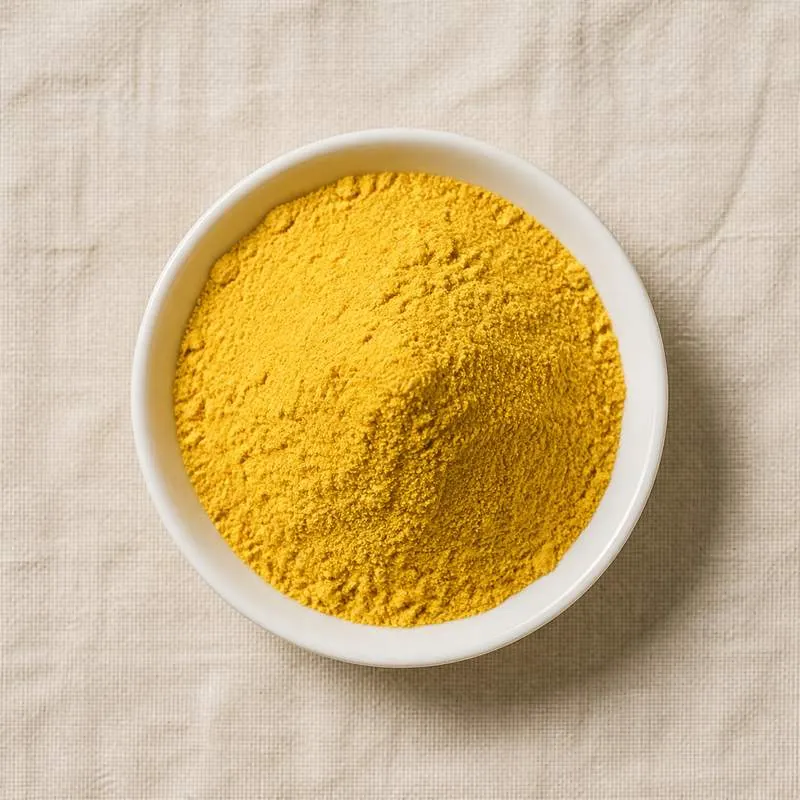
Lake tartrazine is the aluminium lake of tartrazine, an insoluble pigment made by precipitating the water soluble azo dye onto a substrate of hydrated alumina.
The parent dye is trisodium 5 hydroxy 1 para sulphonatophenyl 4 para sulphonatophenylazo pyrazole 3 carboxylate, the lemon yellow colour known in the United States as FD and C Yellow No. 5 and in the European Union as E102. Laking converts the soluble sodium salt into the insoluble aluminium salt held on the alumina surface, so the lake colours by dispersion rather than by solution. Dye content, meaning the proportion of the pigment that is tartrazine itself, is the figure that decides colour strength and is the main specification a buyer works to.
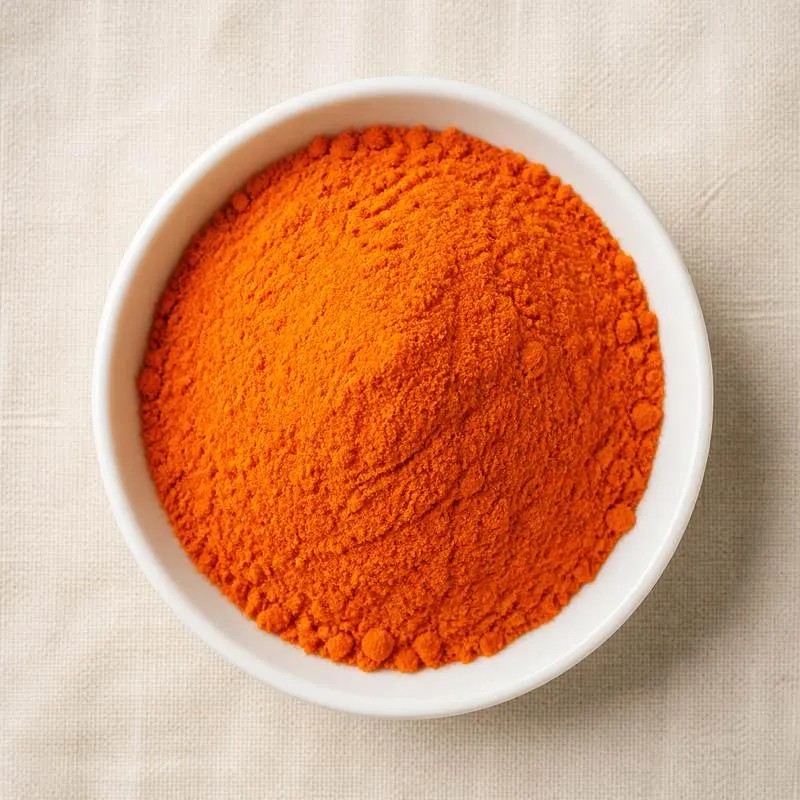
The material is a bright lemon yellow powder that is practically insoluble in water, in ethanol and in oil. Because it does not dissolve, it does not migrate or bleed between adjacent layers, which is the reason it is preferred over the dye in fat based, low moisture and multi coloured products. Shade is stable to light and heat but the pigment can be stripped back to the soluble dye under strongly acid or strongly alkaline conditions, and it is sensitive to reducing agents such as ascorbic acid and sulphur dioxide.
We source bulk Lake Tartrazine from top China manufacturers for our partners. The manufacturer is in Zhejiang. A smaller requirement can ship in a combined container with other ingredients.
Please send the grade you need, the volume and your destination port, and we will come back with a solution and a price.
or call +86-21-6858 0751
- Function
- Colorant
Specifications
| Item | Specification |
|---|---|
| Appearance | Bright lemon yellow fine powder |
| Dye Content | 15.0 to 17.0% |
| Identification | Absorption maximum at 426 nm after extraction, matching the standard |
| Shade | Conforms to the retained reference standard |
| Loss on Drying at 135°C | ≤ 20.0% |
| Water Soluble Chlorides and Sulphates | ≤ 2.0% as sodium salts |
| Matter Insoluble in Hydrochloric Acid | ≤ 0.5% |
| Ether Extractable Matter | ≤ 0.2% |
| pH of 10% Aqueous Slurry | 4.0 to 9.0 |
| Particle Size | ≥ 99% through 325 mesh |
| Lead | ≤ 10 mg/kg |
| Arsenic | ≤ 3 mg/kg |
| Mercury | ≤ 1 mg/kg |
| Total Heavy Metals as Lead | ≤ 20 mg/kg |
Common Markets Grades
Lakes are traded by dye content, with the common bands running at 11 to 13 percent, 15 to 17 percent, 25 to 27 percent and 35 to 40 percent. A lower dye content means more alumina substrate and a lighter, more opaque colour at a given addition rate, while high dye content grades give more chroma per unit weight and are used where the carrier load has to be kept down.
Particle size is specified separately and matters more than for a soluble dye, since the lake colours by dispersion. Standard grades are milled to pass 325 mesh, while micronised grades with a median particle size in the region of one to five micrometres are used for tablet coating, printing inks and thin fat coatings where visible specks would be a defect. Pre dispersed forms in glycerol, propylene glycol, sugar syrup or a vegetable fat base are offered for direct addition, and blended shades are produced by combining lakes of different colours in fixed ratios.
Applications
- Compressed tablets and sugar or film coated confectionery, where an insoluble pigment prevents colour migrating into the core
- Chewing gum and gum coatings, where a soluble dye would bleed at the interface between layers
- Compound chocolate, cream fillings and fat based coatings, in which no water phase exists for a dye to dissolve into
- Cake decorations, icings and sugar paste, where opacity and resistance to bleeding into adjacent colours are required
- Extruded and fried snacks, where the pigment is applied in the oil slurry of the surface seasoning
- Dry seasoning and instant powder blends, in which a soluble dye would form coloured specks on any moisture pickup
- Edible printing inks for confectionery surfaces and printed wafer paper
- Coated pharmaceutical and supplement dose forms, where batch to batch shade reproducibility is specified
- Pet food and treat coatings, where surface colour has to survive extrusion and drying
Brands Using Lake Tartrazine
Widely-distributed consumer products that list Lake Tartrazine on the ingredient label.
Brand names, product names and logos are the property of their owners. They appear here as published evidence that the ingredient is used, taken from the brand's own label or website. Their appearance is not an endorsement, and it does not mean the brand buys from us or from any manufacturer listed on this site.
China Manufacturers of Lake Tartrazine
Top Lake Tartrazine manufacturers in China.
Company names and logos are the property of the manufacturers themselves. They are listed here because our own directory records them as producing this ingredient. A listing is not an endorsement by them, and we do not represent them or speak on their behalf.
Regulatory Status
In the United States tartrazine holds a listing as FD and C Yellow No. 5, a straight colour that the Food and Drug Administration certifies batch by batch, with its listing at 21 CFR 74.705 and its specification at 21 CFR 74.705 and the related certification provisions. Aluminium lakes of certified straight colours are produced from certified dye and used under the same certified colour framework, and the finished food declares the colour by name.
In the European Union tartrazine is E102, authorised in Annex II of the food additive Regulation for a defined list of food categories with maximum levels, and the lake is covered by the same entry. Foods containing it must carry the statement that the colour may have an adverse effect on activity and attention in children. JECFA has evaluated tartrazine and published specifications for the colour and for its aluminium lake, and Codex includes it in the General Standard for Food Additives.
Manufacturing Process
A filtered solution of pure tartrazine is prepared and a substrate of freshly precipitated hydrated alumina is made in a separate vessel by reacting aluminium sulphate with sodium carbonate or sodium hydroxide. The two are combined under controlled pH, temperature and agitation. As the aluminium salt of the dye forms it is adsorbed onto the alumina surface, and the endpoint of the laking reaction sets both the dye content and the shade.
The slurry is filtered on a plate or belt filter and washed repeatedly with soft water to strip out sodium chloride, sodium sulphate and any unreacted dye, since residual soluble matter would show up as bleeding in the finished food. The washed press cake is dried in a band or vacuum drier at a moderate temperature, then milled and air classified to the specified particle size, blended for shade uniformity across sub lots, and packed. Every lot is checked for dye content, shade against a retained standard, and soluble matter before release, and in the United States the parent dye is drawn from a batch that has been certified.