Litchi Fermentation
Litchi fermentation, also traded as litchi enzyme or litchi ferment, is a fermented preparation of litchi fruit pulp or juice produced by lactic acid bacteria and yeasts, and sold as a stabilised liquid or as a spray dried powder.
The starting fruit is high in sucrose, glucose and fructose and carries polyphenols including procyanidins and flavonol glycosides. Fermentation converts most of the free sugar to organic acids, principally lactic and acetic, with a small ethanol fraction from the yeast component, and it hydrolyses part of the bound polyphenol fraction into lower molecular weight forms. The result is a product markedly more acidic and less sweet than the fruit, with a fermented, slightly winey aroma over the characteristic litchi note.
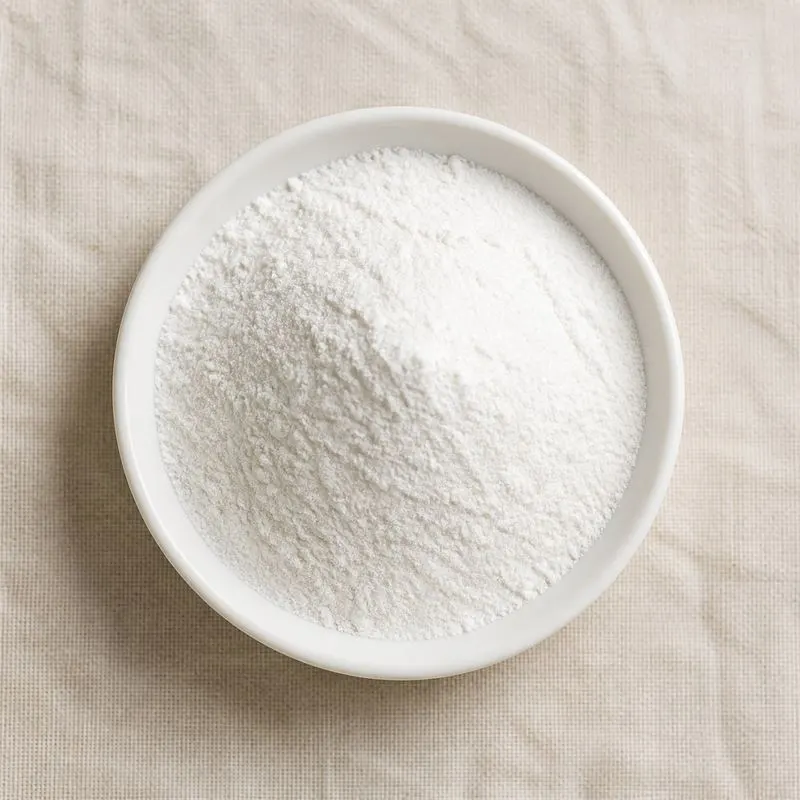
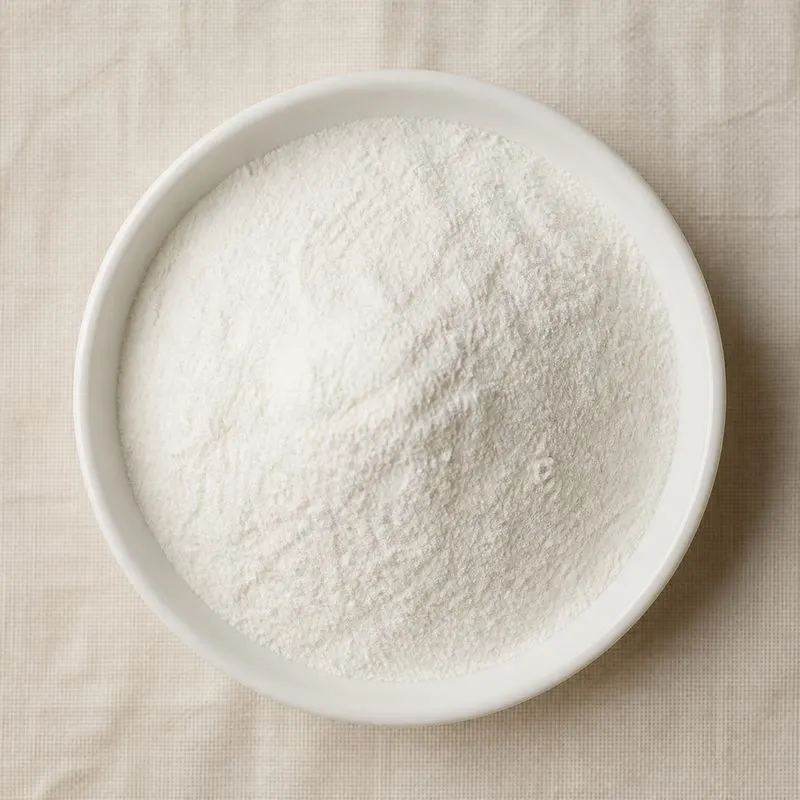
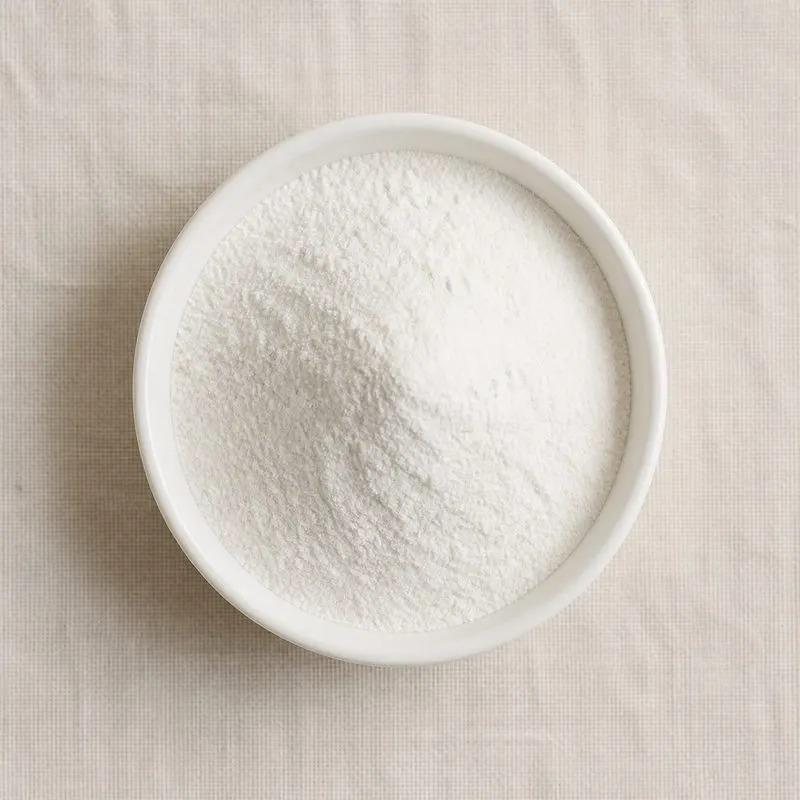
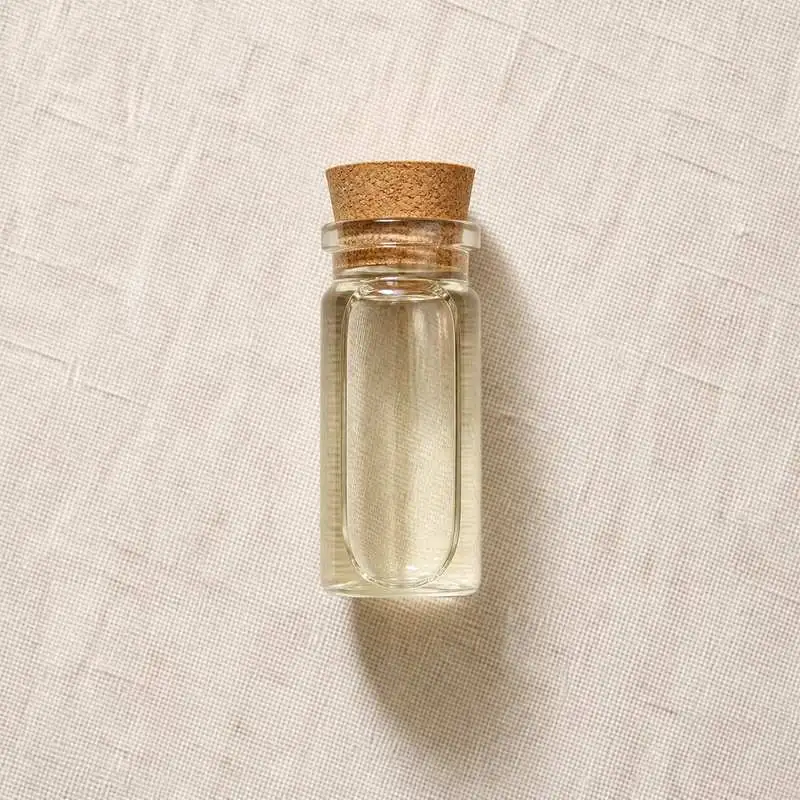
Liquid product is a pale amber to light brown solution, fully water miscible, typically at pH 3.2 to 4.0 and stable at that acidity. Powder is produced by drying the concentrate onto maltodextrin, giving a hygroscopic light tan powder that redissolves cleanly but browns if held warm and moist.
We source bulk Litchi Fermentation from top China manufacturers for our partners. The manufacturer is in Guangdong. A smaller requirement can ship in a combined container with other ingredients.
Please send the grade you need, the volume and your destination port, and we will come back with a solution and a price.
or call +86-21-6858 0751
- Function
- Probiotic
Specifications
| Item | Specification |
|---|---|
| Appearance | Pale amber to light brown clear liquid, free of sediment |
| Odour and Taste | Characteristic fermented litchi, sour, free of off notes |
| Soluble Solids | Not less than 8.0 degrees Brix |
| Total Acidity as Lactic Acid | 0.8 to 2.5 percent w/v |
| pH | 3.2 to 4.0 |
| Residual Ethanol | Not more than 0.5 percent v/v |
| Total Polyphenols | Not less than 300 mg/L as gallic acid equivalent |
| Lead as Pb | Not more than 0.3 mg/kg |
| Arsenic as As | Not more than 0.2 mg/kg |
| Total Plate Count | Not more than 100 CFU/mL |
| Yeast and Mould | Not more than 20 CFU/mL |
| E. coli | Absent in 1 mL |
| Salmonella | Absent in 25 mL |
Common Markets Grades
Trade separates on format and on whether live organisms remain. Raw unpasteurised ferment retains viable cultures and continues to acidify, so it moves under refrigeration and is used mainly where a live positioning is wanted. Pasteurised or sterile filtered liquid is ambient stable and is the form used as a compounding ingredient.
Concentrates are offered at two to five fold and are standardised on soluble solids and titratable acidity rather than on any single marker compound. Spray dried powders are standardised on the ratio of fruit ferment solids to maltodextrin carrier, and organic certified grades are produced from organically grown fruit.
Applications
- Fermented fruit drinks and shots sold on a fermented ingredient positioning
- Functional beverage bases, where it supplies acidity and a fermented fruit note without added acidulant
- Jelly, gummy and konjac dessert products carrying a litchi flavour direction
- Supplement stick packs and solid beverage powders using the dried form
- Yoghurt and fermented milk fruit preparations
- Vinegar style drinking products blended with fruit vinegar
- Skin care and personal care formulations using the filtered ferment as an aqueous phase
- Sauces and dressings needing a mild fruit acid rather than citric acid
China Manufacturers of Litchi Fermentation
Top Litchi Fermentation manufacturers in China.

Company names and logos are the property of the manufacturers themselves. They are listed here because our own directory records them as producing this ingredient. A listing is not an endorsement by them, and we do not represent them or speak on their behalf.
Regulatory Status
In the United States a fermented fruit preparation of this kind is treated as a conventional food ingredient rather than as a food additive, since the fruit, the fermentation organisms and the carrier are all ordinary food materials. Products sold as supplements fall under the dietary supplement framework, and any residual ethanol has to be controlled where an alcohol free claim is made.
In the European Union fermented fruit juices with a history of consumption before May 1997 are handled as ordinary food ingredients, while a preparation made by a fermentation process not previously used in the Union for that fruit may require assessment under the novel food framework. No E number applies, since the material functions as an ingredient rather than as an additive. Codex has no commodity standard covering fermented fruit ferments of this type.
Manufacturing Process
Fresh or frozen litchi is peeled, destoned and pulped, then held or enzyme treated with pectinase to break down the pectin and free the juice. The pulp or juice is pasteurised to remove the native flora, cooled, and inoculated with a defined starter of lactic acid bacteria, usually with a yeast component where an acetic phase is wanted. Fermentation runs in temperature controlled stainless tanks for several days to several weeks, monitored by titratable acidity and residual sugar rather than by time alone.
When the acidity endpoint is reached the broth is separated from the biomass and solids by centrifugation and filtration. Liquid product is then pasteurised or sterile filtered for ambient stability. Where a concentrate or powder is wanted, the clarified ferment is concentrated by vacuum evaporation or by membrane at low temperature to protect the aroma and polyphenol fraction, blended with maltodextrin and spray dried at a moderate inlet temperature.