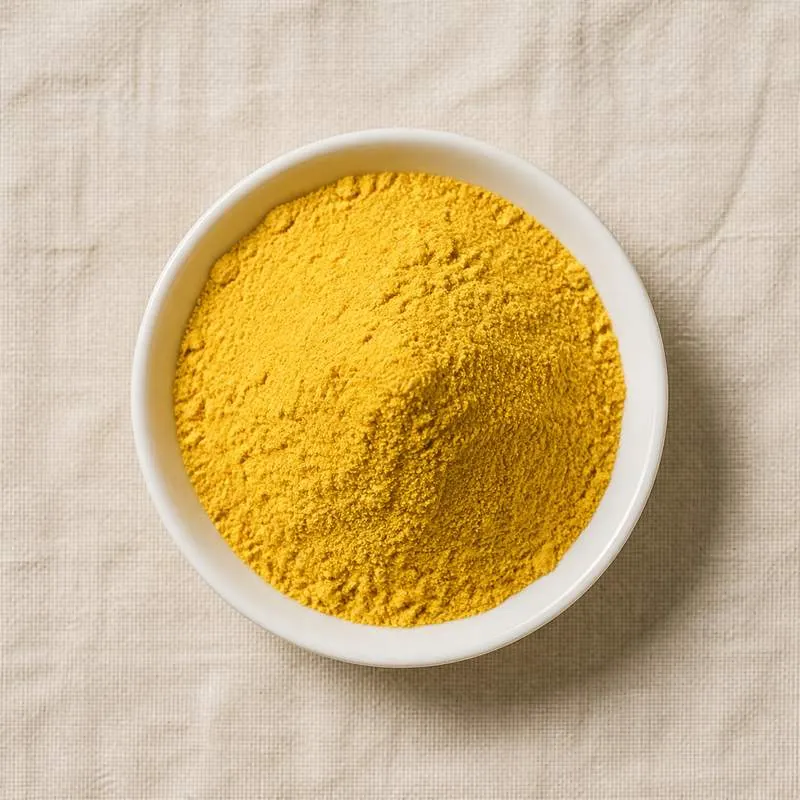
Magnesium Chlorophyll
Magnesium chlorophyll is the native green pigment of higher plants, a chlorin macrocycle carrying a magnesium ion at the centre of its tetrapyrrole ring and a long phytol chain esterified to one of the propionic acid side chains.
Extracted plant material contains two forms, chlorophyll a, which is blue green, and chlorophyll b, which is yellow green, normally in a ratio near three to one. The phytol tail makes both forms lipophilic, so the pigment is soluble in oils, fats and organic solvents and insoluble in water, and it reaches the market as an oil dispersion, a paste or a dry powder on a carrier rather than as a water soluble colour.
Stability is the defining property in use. The central magnesium is only loosely held and is displaced by hydrogen ions under acid conditions, converting the pigment to olive brown pheophytin, and the same change is driven by heat and by prolonged storage. Magnesium chlorophyll therefore holds a true green only in neutral to slightly alkaline, low temperature, oil continuous systems, which is why the copper substituted chlorophyllins are chosen instead where an acid or aqueous food has to stay green.
We source bulk Magnesium Chlorophyll from top China manufacturers for our partners. The manufacturer is in Zhejiang. A smaller requirement can ship in a combined container with other ingredients.
Please send the grade you need, the volume and your destination port, and we will come back with a solution and a price.
or call +86-21-6858 0751
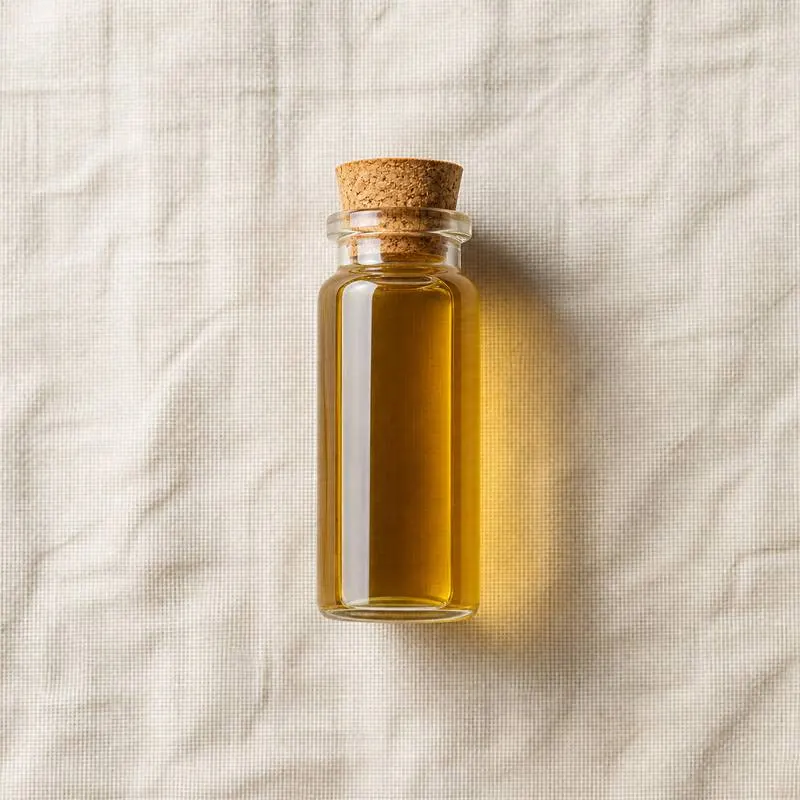
- Function
- Colorant
Specifications
| Item | Specification |
|---|---|
| Appearance | Dark green viscous paste or oil solution |
| Odour | Faint characteristic vegetable odour |
| Total Chlorophyll | ≥ 5.0% by spectrophotometry |
| Identification | Absorption maxima near 410 nm and 660 nm in acetone |
| Solubility | Miscible with vegetable oil, insoluble in water |
| Loss on Drying | ≤ 3.0% |
| Sulphated Ash | ≤ 2.0% |
| Acid Value | ≤ 10 mg KOH/g |
| Residual Solvent | ≤ 50 mg/kg acetone, ≤ 50 mg/kg hexane |
| Lead | ≤ 2.0 mg/kg |
| Arsenic | ≤ 1.0 mg/kg |
| Total Plate Count | ≤ 1,000 cfu/g |
| Yeast and Mould | ≤ 100 cfu/g |
| Salmonella | Absent in 25 g |
Common Markets Grades
The pigment is traded as an oil soluble paste, as a solution standardised in a vegetable oil, and as a spray dried powder on maltodextrin or modified starch. Content is declared as total chlorophyll, commonly between 2 and 10 percent for the pastes and oil solutions and lower for the dried powders, and is verified spectrophotometrically at the red absorption maximum. Some grades additionally declare the chlorophyll a to chlorophyll b ratio, since it shifts the hue between blue green and yellow green.
Botanical source is specified because it affects both the pigment ratio and the accompanying wax and lipid load. Alfalfa, nettle and grass are the usual feedstocks, with spinach and silkworm droppings used regionally. A dewaxed grade is offered where the residual plant wax would cause haze or a gritty mouthfeel, and a fully water dispersible grade is made by emulsifying the oil phase into a hydrocolloid matrix before drying.
Applications
- Edible oils, dressings and infused oils, where the oil continuous phase suits a lipophilic pigment
- Chewing gum, where the near neutral, low moisture base keeps the magnesium form intact
- Sugar confectionery and fondants coloured in the fat or sugar phase rather than in water
- Ice cream and frozen desserts, where low temperature slows the conversion to pheophytin
- Herbal liqueurs and spirit based drinks, which use ethanol as the carrying solvent
- Fat based bakery fillings, creams and coatings held above pH 5
- Soft gelatin capsule shells and supplement dose forms requiring a natural green
- Toothpaste, mouthwash and personal care products, where the pigment doubles as a deodorising claim ingredient
- Cosmetic emulsions and soaps coloured through the oil phase
China Manufacturers of Magnesium Chlorophyll
Top Magnesium Chlorophyll manufacturers in China.

Company names and logos are the property of the manufacturers themselves. They are listed here because our own directory records them as producing this ingredient. A listing is not an endorsement by them, and we do not represent them or speak on their behalf.
Regulatory Status
In the European Union chlorophylls are authorised as E140, with the magnesium bearing native pigment covered as E140 part one and the water soluble chlorophyllins as E140 part two. Both are permitted in a broad set of food categories at quantum satis, with identity and purity criteria set out in the additive specification Regulation. The copper complexes are the separate additive E141.
In the United States chlorophyll itself is not a listed colour additive for food. The only related listing is sodium copper chlorophyllin at 21 CFR 73.125, which permits its use to colour citrus based dry beverage mixes, so a magnesium chlorophyll preparation cannot be used as a food colour there. It is used in the United States in cosmetics and in some drug and personal care applications under the relevant listings for those categories. JECFA has evaluated chlorophylls and published specifications for them, and Codex includes chlorophylls in the General Standard for Food Additives.
Manufacturing Process
Dried alfalfa, nettle or grass is milled and extracted with acetone, ethanol or a hydrocarbon solvent at a controlled temperature, since the pigment degrades if the extraction runs hot or long. The miscella is filtered to remove leaf solids and then concentrated by evaporating the solvent under vacuum, which is done at reduced temperature and under nitrogen because the isolated pigment oxidises readily in air and light.
The crude concentrate carries plant waxes, carotenoids and free fatty acids alongside the chlorophyll. Waxes are removed by chilling the concentrate and filtering the precipitate, and further purification is done by partitioning between solvents or by passing the concentrate over an adsorbent. Throughout the train the pH is held neutral or slightly alkaline so that the magnesium is not stripped from the ring. The purified pigment is finally standardised to the declared chlorophyll content in refined vegetable oil, or emulsified with a carrier and spray dried, and packed under nitrogen in light proof containers.