N-Acetylneuraminic Acid
N-Acetylneuraminic acid is the principal mammalian sialic acid, a nine carbon amino sugar acid formed from N acetylmannosamine and pyruvate. It is the terminal residue on many glycoprotein and glycolipid chains, occupying the outermost position on cell surface glycans, where its negative charge and exposed position control cell recognition, pathogen binding and the circulating half life of glycoproteins.
In nutrition its interest centres on infant development. Human milk carries sialylated oligosaccharides at concentrations well above those of bovine milk, and the compound is a structural component of gangliosides in brain grey matter, which is the basis for its use in infant formula and in cognitive positioned supplements. It is also the receptor determinant that influenza virus binds, so it is used as a substrate and reference material in antiviral research.
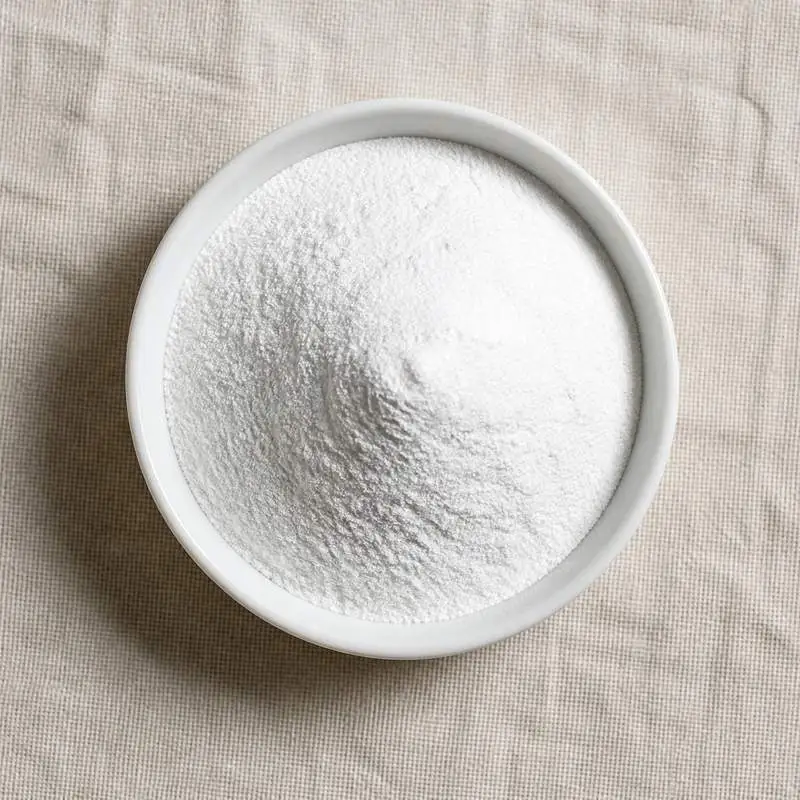
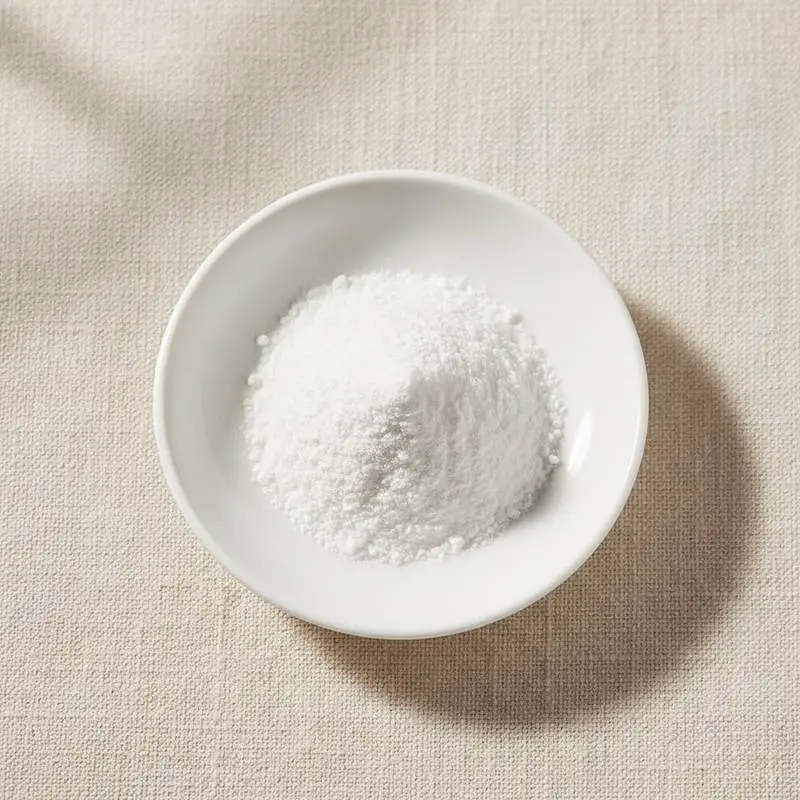
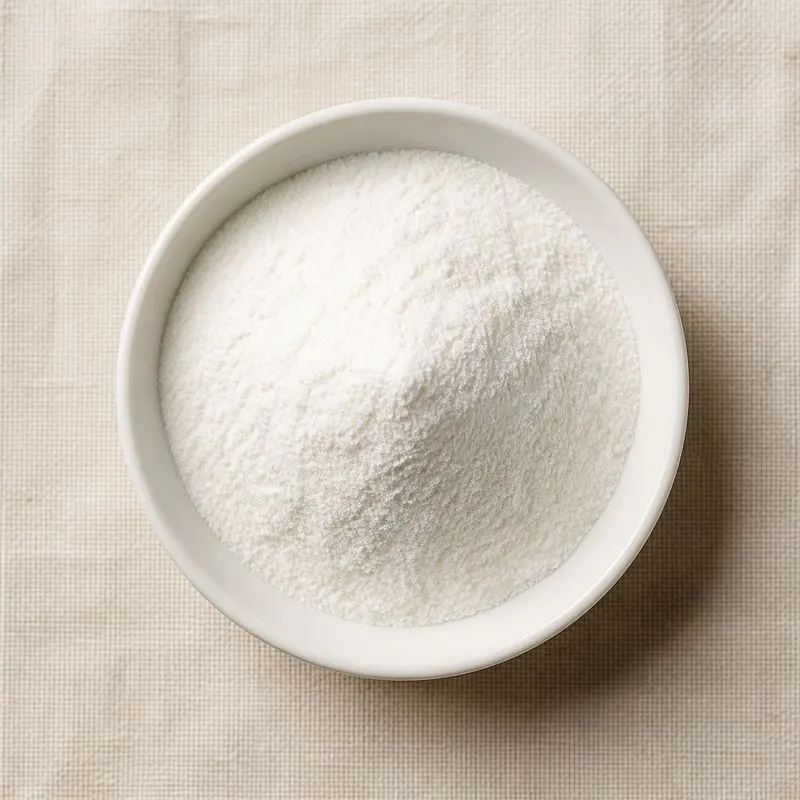
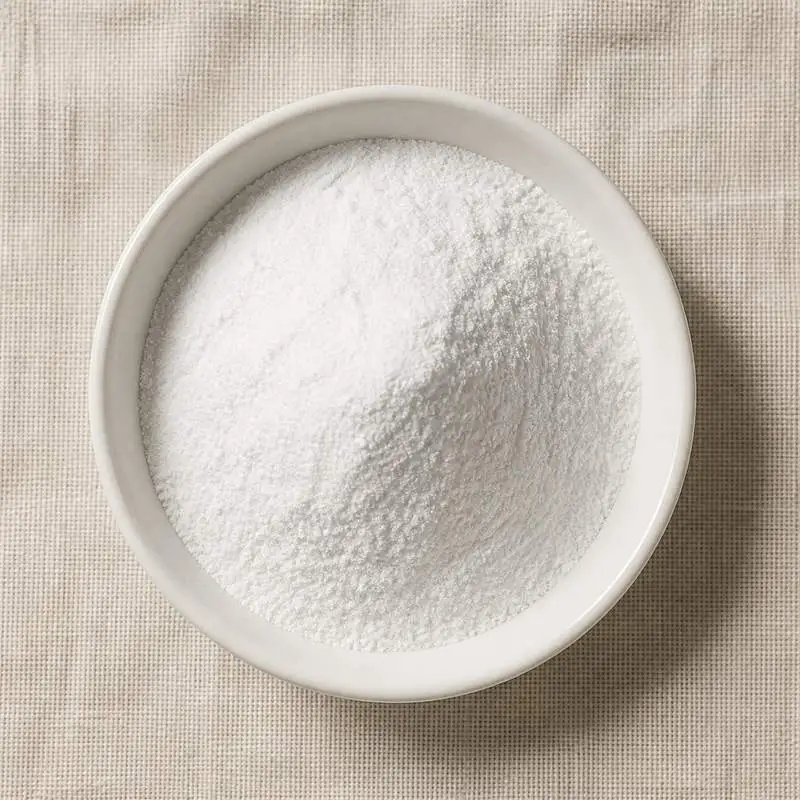
Commercial material is a white crystalline powder, freely soluble in water where it gives a distinctly acidic solution, and only sparingly soluble in ethanol. It is hygroscopic and is packed with desiccant. In aqueous solution it is stable at neutral pH but the glycosidic and acetamido functions hydrolyse under strong acid and prolonged heating, so it is dosed late into thermal processes and formulations are held away from low pH.
We source bulk N-Acetylneuraminic Acid from top China manufacturers for our partners. The manufacturers are in Hubei and Jiangsu. A smaller requirement can ship in a combined container with other ingredients.
Please send the grade you need, the volume and your destination port, and we will come back with a solution and a price.
or call +86-21-6858 0751
- Function
- Nutraceutical
Specifications
| Item | Specification |
|---|---|
| Appearance | White to off white crystalline powder |
| Assay (HPLC, anhydrous basis) | Not less than 98.0 percent |
| Identification | Infrared spectrum and HPLC retention conform to reference |
| Specific Optical Rotation | Minus 32 to minus 36 degrees |
| N Acetylmannosamine | Not more than 0.5 percent |
| Related Substances (total) | Not more than 1.5 percent |
| Loss on Drying | Not more than 2.0 percent |
| Residue on Ignition | Not more than 0.5 percent |
| pH (5 percent solution) | 1.7 to 2.5 |
| Protein | Not more than 0.1 percent |
| Endotoxin | Not more than 10 EU/g |
| Lead | Not more than 0.5 mg/kg |
| Arsenic | Not more than 0.5 mg/kg |
| Total Plate Count | Not more than 1000 cfu/g |
| Yeast and Mould | Not more than 100 cfu/g |
| Cronobacter sakazakii | Absent in 10 g |
| Salmonella | Absent in 25 g |
Common Markets Grades
Food and supplement grade material is traded at 98 percent minimum and 99 percent minimum assay by high performance liquid chromatography, with the higher figure normal for infant formula use. Related sugars, principally N acetylmannosamine and residual pyruvate or lactic acid from the production route, are controlled as named impurities, and endotoxin is specified where the material is fermentation derived and destined for infant or clinical use.
The commercial distinction is by source rather than by grade tier. Fermentation derived material from an engineered Escherichia coli dominates supply and carries a specification that addresses host cell protein, residual DNA and endotoxin. Enzymatically produced material from N acetylglucosamine and pyruvate is also traded. Extracted material, historically obtained from swallow nest, casein glycomacropeptide or egg, is a niche trade sold on its natural origin and carries a lower and more variable assay. Physical presentation is limited to crystalline and micronised powder, and the compound is not offered coated or encapsulated. Kosher, halal and non genetically modified declarations accompany most food grade offers.
Applications
- Infant and follow on formula, dosed to bring sialic acid content closer to that of human milk
- Growing up milks and toddler nutrition, formulated on brain and cognitive development positioning
- Adult cognitive support supplements and nootropic blends
- Clinical and medical nutrition products for preterm and low birth weight infants
- Substrate for enzymatic synthesis of sialyllactose and other human milk oligosaccharides
- Raw material for the synthesis of neuraminidase inhibitor antiviral drug substances
- Cell culture media supplementation in biopharmaceutical glycoprotein production
- Cosmetic preparations, where sialic acid is used as a skin conditioning and moisture binding agent
- Analytical reference standard for sialic acid quantification in glycan and dairy analysis
- Research reagent for glycobiology, influenza binding and receptor studies
China Manufacturers of N-Acetylneuraminic Acid
Top N-Acetylneuraminic Acid manufacturers in China.
 CABIO Biotech (Wuhan) Co., Ltd.9 ingredients in the directory
 Changzhou Kansenbio Technology Co., Ltd.5 ingredients in the directory
Company names and logos are the property of the manufacturers themselves. They are listed here because our own directory records them as producing this ingredient. A listing is not an endorsement by them, and we do not represent them or speak on their behalf.
Regulatory Status
In the United States N-acetylneuraminic acid produced by fermentation has been notified to the Food and Drug Administration as generally recognised as safe for use in infant formula and in other specified food categories, with the agency responding without objection, and it is also sold as a dietary ingredient under the dietary supplement framework. Use in infant formula is further governed by the infant formula regulations covering nutrient content, quality factors and pre market notification.
In the European Union synthetic and fermentation derived N-acetylneuraminic acid was authorised as a novel food following a European Food Safety Authority safety opinion, with the permitted food categories, target populations and maximum use levels set out in the Union list of novel foods, and the authorisation covers use in infant formula, follow on formula, food for special medical purposes and food supplements within stated limits. Authorisation attaches to the specific production route and specification, so material from a different process requires its own listing rather than inheriting an existing one. It is not a food additive and holds no E number, and neither JECFA nor Codex has published specifications for it.
Manufacturing Process
Industrial supply is by fermentation or by enzymatic conversion, both having displaced the older extraction routes from animal and avian material. In the fermentation route an engineered Escherichia coli carrying the sialic acid biosynthetic genes is grown in a stirred aerated fermenter on a glucose based medium, with N acetylglucosamine or its precursors supplied in the feed. The culture is run for several days under controlled temperature, pH and dissolved oxygen, with the feed profile arranged so that the organism secretes the product into the broth rather than accumulating it intracellularly. In the enzymatic route N acetylglucosamine is first epimerised to N acetylmannosamine, chemically under alkaline conditions or enzymatically with an epimerase, then condensed with pyruvate by a sialic acid aldolase in a stirred reactor, with the equilibrium driven toward product by a pyruvate excess.
Downstream processing is common to both routes. The reaction liquor or broth is heated to stop the conversion, then clarified by centrifugation and microfiltration to remove cells and enzyme. The product, an acid, is captured on an anion exchange resin and eluted with a salt or acid gradient that separates it from residual amino sugars and pyruvate. The eluate is desalted by nanofiltration or electrodialysis, decolourised on activated carbon, then concentrated under vacuum at low temperature. Crystallisation from an aqueous alcohol system gives the product, which is centrifuged, washed with cold alcohol and dried under vacuum. Dried crystals are milled and sieved in a low humidity room and packed in foil laminate with desiccant.