Nervonic Acid
Nervonic acid is cis-15-tetracosenoic acid, a very long chain monounsaturated fatty acid of twenty-four carbons with a single double bond at the fifteenth position, and it is the elongation product of oleic acid within the same omega-9 family. It takes its name from nerve tissue, where it is a characteristic constituent of the sphingolipids of myelin, and that association is the basis of its commercial positioning in brain and nerve nutrition.
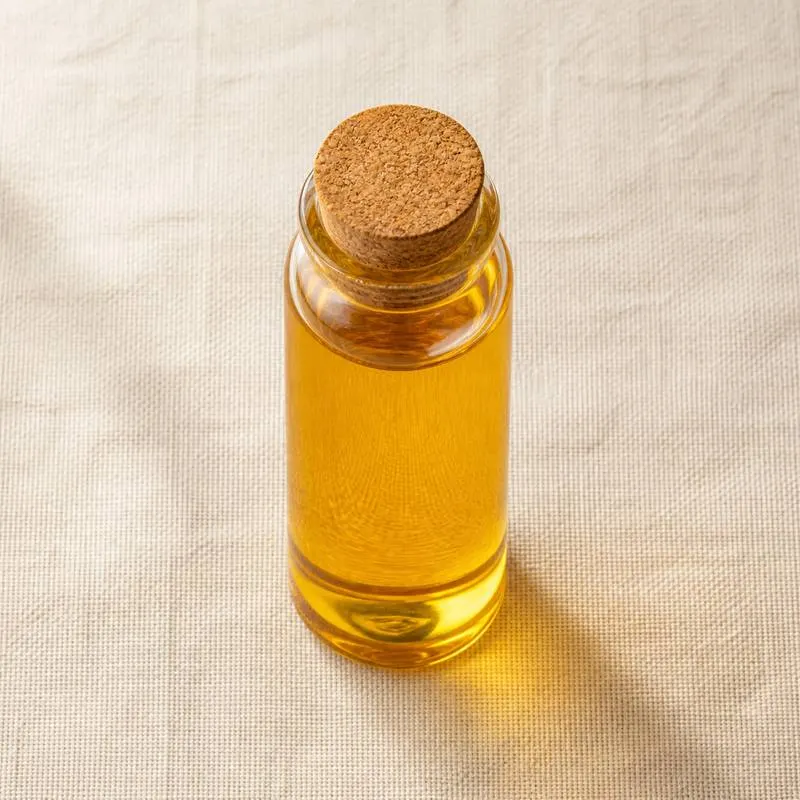
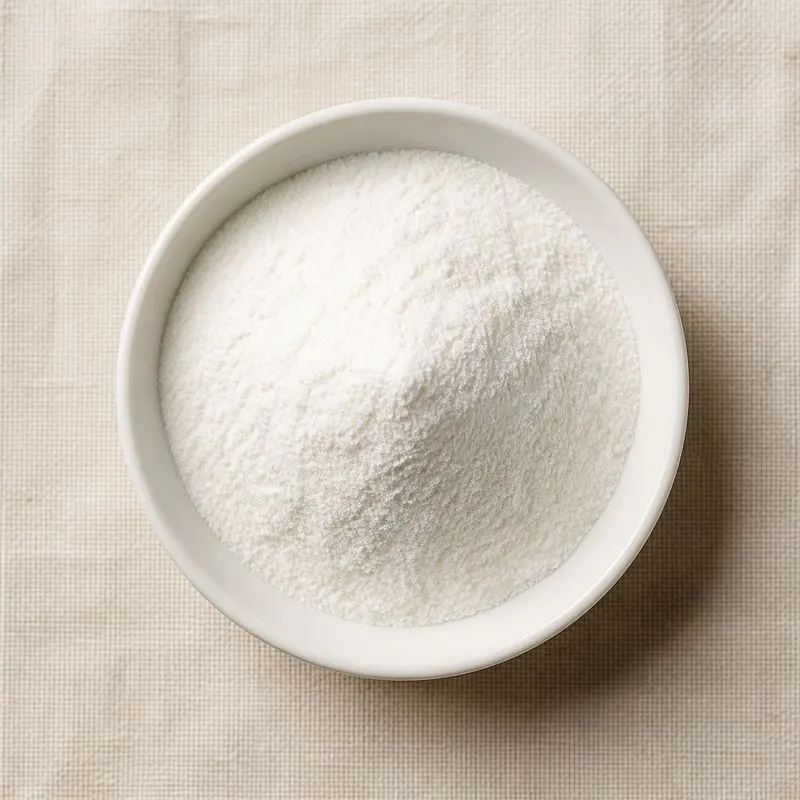
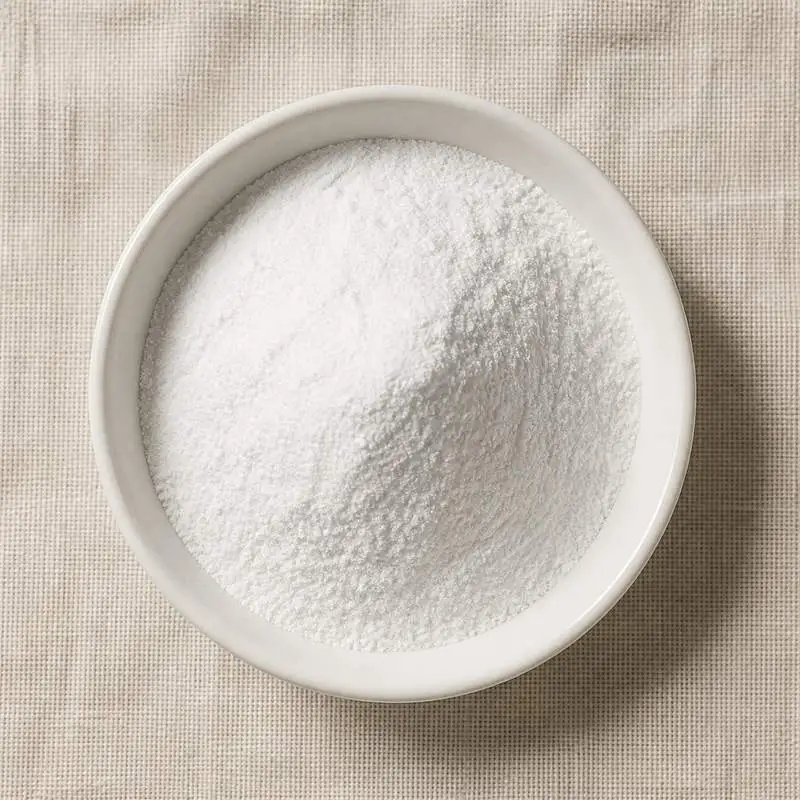
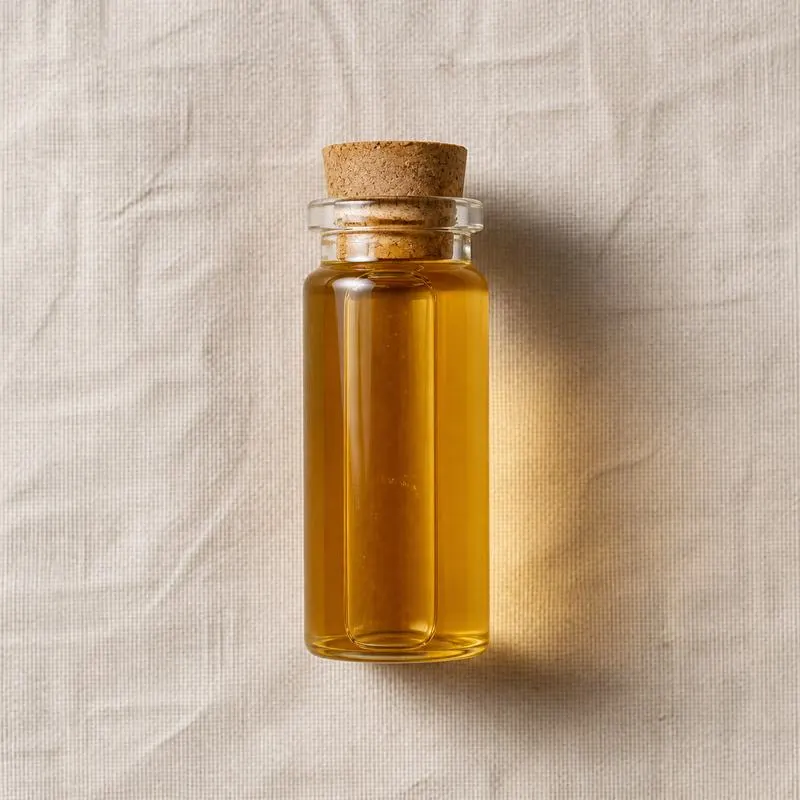
The ingredient is traded in two quite different forms. The first is a seed oil naturally rich in the acid, pressed from Acer truncatum, the purpleblow maple, or from Malania oleifera, in which nervonic acid makes up roughly 5 to 12 percent of the total fatty acids in the maple oil and considerably more in Malania; this is a golden yellow oil used for softgel filling. The second is a concentrate, in which the acid or its ethyl ester has been enriched to 30, 50 or 90 percent by fractionation, and which is a waxy solid or a semi-solid at ambient temperature because the pure acid melts at around 42 degrees Celsius.
The material is oil soluble and insoluble in water. Being monounsaturated and very long chain, it is more oxidatively stable than a polyunsaturated oil but still requires tocopherol addition, nitrogen packing and cool dark storage, and the high melting point of the concentrated forms means they must be warmed before dosing and will solidify in a cold warehouse.
We source bulk Nervonic Acid from top China manufacturers for our partners. The manufacturers are in Shaanxi and Shandong. A smaller requirement can ship in a combined container with other ingredients.
Please send the grade you need, the volume and your destination port, and we will come back with a solution and a price.
or call +86-21-6858 0751
- Function
- Nutraceutical
Specifications
| Item | Specification |
|---|---|
| Appearance, seed oil | Clear golden yellow oil, free from sediment at 25 degrees Celsius |
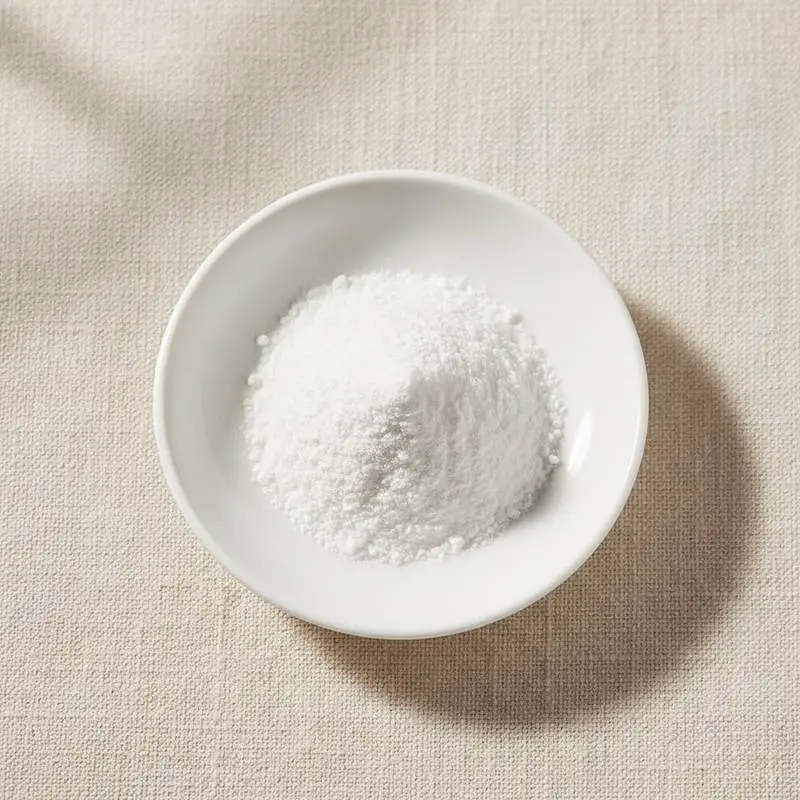
| Appearance, concentrate | Off-white to pale yellow waxy solid at ambient temperature |
| Odour and taste | Bland, characteristic, free from rancidity |
| Nervonic acid, seed oil grade | Not less than 5.0 percent of total fatty acids |
| Nervonic acid, concentrate grade | Not less than 50.0 percent of total fatty acids |
| Identification by gas chromatography | Fatty acid profile corresponds to reference standard |
| Free fatty acid as oleic acid | Not more than 0.5 percent |
| Peroxide value | Not more than 5.0 meq/kg |
| Anisidine value | Not more than 10.0 |
| Moisture and volatile matter | Not more than 0.1 percent |
| Residual ethanol, ester grade | Not more than 0.5 percent |
| Lead | Not more than 0.1 mg/kg |
| Arsenic | Not more than 0.1 mg/kg |
| Tocopherol added as antioxidant | Declared, within permitted limits |
Common Markets Grades
The lowest grade is the crude or refined seed oil, specified by its nervonic acid content as a percentage of total fatty acids, commonly 5 to 6 percent for cold pressed Acer truncatum oil, together with the standard oil parameters of free fatty acid, peroxide value, anisidine value and colour. Cold pressed and unrefined grades are distinguished from refined, bleached and deodorised grades, which are paler and blander but have lost some of the minor constituents.
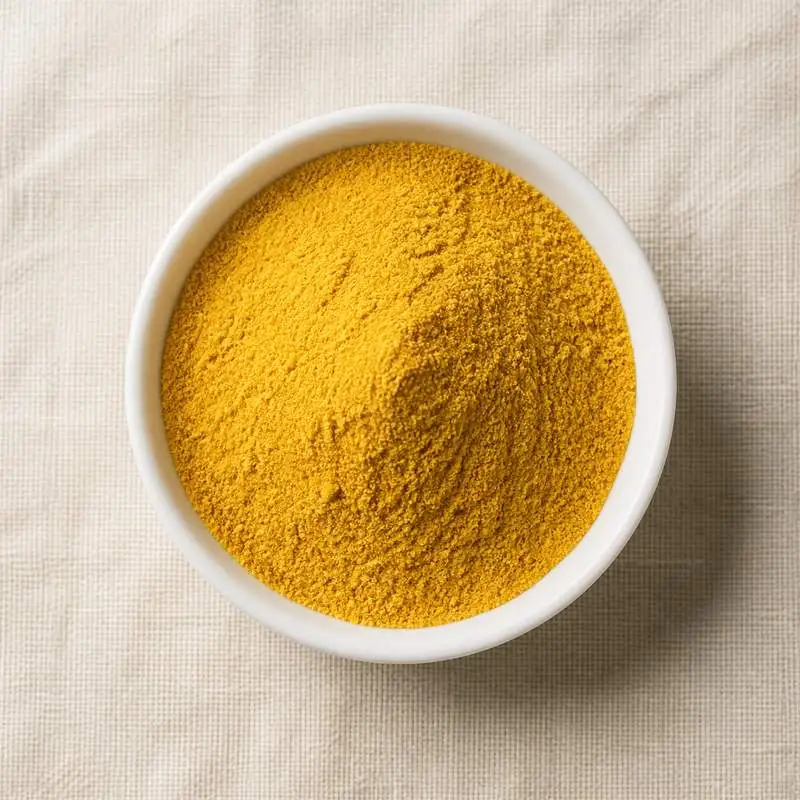
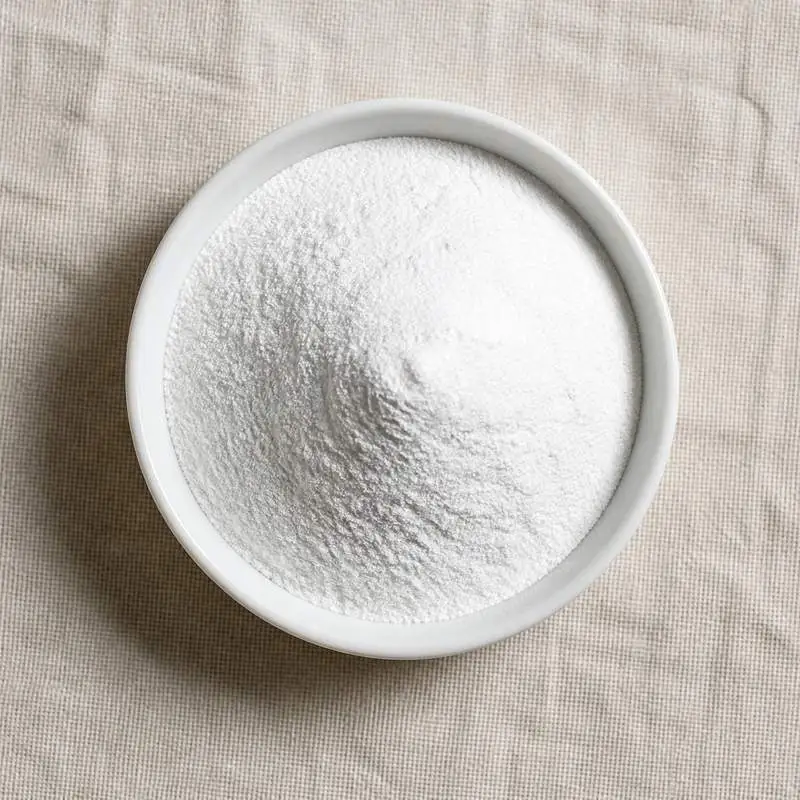
Above that sit the concentrates, sold at 30, 50, 70 and 90 percent nervonic acid, and the specification must state the chemical form, since a concentrate may come as the free fatty acid, as the ethyl ester or as a re-esterified triglyceride, and the three behave differently in a formulation and are labelled differently. Powdered grades, in which the oil is microencapsulated in a protein or modified starch wall and spray dried to 20 to 50 percent oil load, are made for dry sachets and tablets. Botanical origin is a specification point in its own right, since Malania oleifera is a protected species in China and material from it carries sourcing constraints that maple seed oil does not.
Applications
- Brain and cognitive support softgels, the largest outlet, formulated with phosphatidylserine and docosahexaenoic acid
- Infant and childrens nutrition supplements in markets where the ingredient is permitted for that use
- Nerve and myelin support formulations sold to older consumers
- Encapsulated oil powders for nutrition sachets, drink mixes and tablets
- Nutritional oil blends, where the seed oil is combined with algal or fish oil
- Functional edible oils sold at retail in Asian markets on their nervonic acid content
- Medical and clinical nutrition products requiring a defined very long chain fatty acid contribution
- Confectionery and bar inclusions using the encapsulated powder
- Cosmetic emollients and skin barrier formulations using the seed oil, outside food
Brands Using Nervonic Acid
Widely-distributed consumer products that list Nervonic Acid on the ingredient label.
Brand names, product names and logos are the property of their owners. They appear here as published evidence that the ingredient is used, taken from the brand's own label or website. Their appearance is not an endorsement, and it does not mean the brand buys from us or from any manufacturer listed on this site.
China Manufacturers of Nervonic Acid
Top Nervonic Acid manufacturers in China.
- Focusherb Corp.6 ingredients in the directory
- Shandong Yuanlitai Nutratech Co., Ltd.3 ingredients in the directory
Company names and logos are the property of the manufacturers themselves. They are listed here because our own directory records them as producing this ingredient. A listing is not an endorsement by them, and we do not represent them or speak on their behalf.
Regulatory Status
In the United States nervonic acid preparations are marketed as dietary ingredients in supplements under the Dietary Supplement Health and Education Act. Seed oil from Acer truncatum has been the subject of a new dietary ingredient notification to FDA, and a manufacturer relying on that route documents the identity, manufacturing process and use level of its own preparation. Use in conventional food would require an independent determination for the specific preparation, since there is no food additive regulation covering the substance. Claims are limited to structure and function statements with the required disclaimer, and claims relating to nerve disease are not permitted.
In the European Union oil from Acer truncatum seed has no established history of consumption before May 1997 and is therefore a novel food; placing it on the market requires authorisation under Regulation (EU) 2015/2283, which sets the permitted preparation, the food categories and the maximum use levels in the authorisation itself, and a nervonic acid concentrate is a further preparation whose status has to be assessed on its own facts. Fatty acids used in food supplements are otherwise regulated under Directive 2002/46/EC and national rules. No health claim relating to nervonic acid has been authorised. The substance is not a food additive and carries no E number. Codex Alimentarius has no standard for nervonic acid or for maple seed oil; the Standard for Named Vegetable Oils does not list it, so the general standard for fats and oils not covered by individual standards applies.
Manufacturing Process
Production starts from the seed. Acer truncatum samaras are dehulled, cleaned and conditioned, then cold pressed on a screw press or extracted with hexane where yield matters more than the cold pressed description; the crude oil is degummed, neutralised, bleached over activated earth and deodorised by steam stripping under vacuum to give a refined seed oil. Where the seed oil is the finished article, tocopherol is added and the oil is filled under nitrogen.
Concentration to a higher nervonic acid content requires the triglycerides to be broken down first. The refined oil is hydrolysed with alkali or with a lipase, or transesterified with ethanol under alkaline catalysis to give ethyl esters, and the resulting mixture of free acids or esters is separated by chain length and saturation. Molecular or short path distillation under high vacuum removes the shorter chain esters, and urea complexation, in which saturated and monounsaturated straight chain species are selectively crystallised with urea from an alcoholic solution, or low temperature solvent winterisation, is used to enrich the C24:1 fraction further. The enriched fraction may then be re-esterified with glycerol using an immobilised lipase to return it to the triglyceride form. The concentrate is deodorised at low temperature, stabilised with antioxidant, and either filled as an oil or emulsified with a wall material and spray dried to a powder.