Pleurotus Ostreatus Extract
Pleurotus ostreatus extract is a concentrated preparation of the oyster mushroom, obtained by hot water or hydroalcoholic extraction of the cultivated fruiting body or of submerged cultured mycelium. Its defining constituent is pleuran, an insoluble to partly soluble beta-1,3/1,6-glucan of the cell wall, accompanied by soluble glucans and heteropolysaccharides, proteins and peptides, free amino acids, ergothioneine, sterols including ergosterol, and naturally occurring lovastatin.
Two functional roles drive its use. In supplements the glucan fraction is the reason for purchase and the material is standardised on beta-glucan content. In savoury food the extract works as an umami base, since oyster mushroom carries free glutamate together with 5'-nucleotides that reinforce meaty character and allow salt and hydrolysed protein to be reduced.
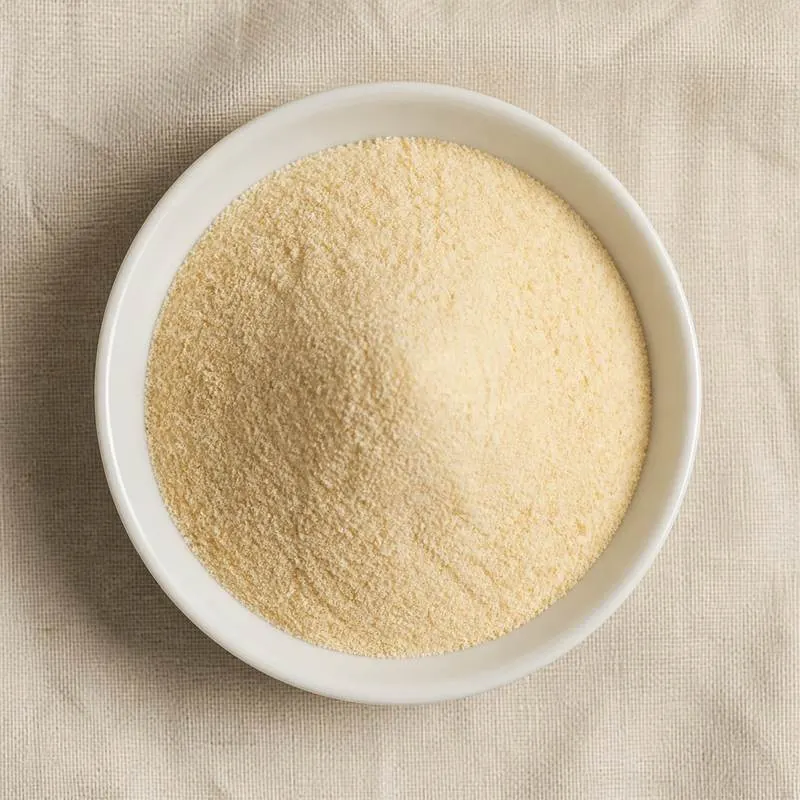
The commercial form is a light beige to pale brown free flowing powder, usually spray dried, with a soft earthy mushroom aroma and a mild savoury taste. The soluble fraction dissolves in warm water to a slightly hazy solution while the insoluble glucan disperses rather than dissolving, so specifications distinguish soluble from total glucan. The powder is hygroscopic and holds its taste and colour through baking and retort processing.
We source bulk Pleurotus Ostreatus Extract from top China manufacturers for our partners. The manufacturer is in Shaanxi. A smaller requirement can ship in a combined container with other ingredients.
Please send the grade you need, the volume and your destination port, and we will come back with a solution and a price.
or call +86-21-6858 0751
- Function
- Plant extract
Specifications
| Item | Specification |
|---|---|
| Appearance | Light beige to pale brown free flowing powder |
| Odour and Taste | Characteristic mushroom aroma, mild savoury taste |
| Beta-1,3/1,6-glucan (enzymatic) | ≥ 30.0% |
| Total Polysaccharides | ≥ 40.0% |
| Identification | Conforms by TLC against reference extract |
| Loss on Drying | ≤ 5.0% |
| Total Ash | ≤ 8.0% |
| Starch | ≤ 5.0% |
| Particle Size | 100% through 80 mesh |
| Residual Ethanol | ≤ 0.5% |
| Lead | ≤ 2.0 mg/kg |
| Arsenic | ≤ 1.0 mg/kg |
| Cadmium | ≤ 1.0 mg/kg |
| Total Plate Count | ≤ 10,000 cfu/g |
| Yeast and Mould | ≤ 100 cfu/g |
| E. coli | Negative |
| Salmonella | Absent in 25 g |
Common Markets Grades
Grades are distinguished first by source material, since fruiting body extracts and mycelium on grain products differ in glucan structure, starch content and price, and buyers specify which is used. Standardisation is on beta-1,3/1,6-glucan measured enzymatically, commonly at 20, 30 or 40 percent, or on total polysaccharide by the phenol sulphuric method at 10 to 50 percent. The two assays give very different numbers on the same batch, so the method is named on the specification.
Ratio extracts at 4:1 or 10:1 without a marker are traded for seasoning use. Physical grades cover spray dried powder at 80 mesh, a coarser granulated version that resists caking in dry blends, and liquid concentrate at around 30 percent solids for wet sauce manufacture. Organic certified material is available, and a hot water plus alcohol dual extract is offered where both the polysaccharide and the sterol fraction are to be captured.
Applications
- Dietary supplements in capsule and tablet form standardised on beta-glucan content
- Immune support formulations, where oyster mushroom glucan is combined with other fungal extracts
- Vegetarian bouillon and stock powders, replacing meat extract as the source of savoury depth
- Meat analogue formulations, masking the bean and pea notes of plant protein isolates
- Clean label seasoning blends, supplying umami without a declared flavour enhancer
- Instant noodle sachets and soup bases, where the powder disperses in hot water without residue
- Salt reduced processed foods, where glutamate and nucleotides compensate for lower sodium
- Functional beverages and mushroom coffee blends built on fungal extracts
- Bakery and snack applications, where the extract adds a savoury background at low dosage
- Pet food palatants, where the nucleotide fraction improves acceptance
China Manufacturers of Pleurotus Ostreatus Extract
Top Pleurotus Ostreatus Extract manufacturers in China.

Company names and logos are the property of the manufacturers themselves. They are listed here because our own directory records them as producing this ingredient. A listing is not an endorsement by them, and we do not represent them or speak on their behalf.
Regulatory Status
Pleurotus ostreatus is a widely cultivated edible mushroom, so in the United States both the mushroom and its aqueous extract are handled as conventional food rather than as additives. Commercial extracts are marketed on a self affirmed or notified GRAS basis and as dietary ingredients under the Dietary Supplement Health and Education Act. There is no food additive regulation and no colour additive listing for the material, and claims relating to the glucan fraction are constrained to structure and function statements rather than disease claims.
In the European Union oyster mushroom has a clear history of consumption before May 1997, so the fruiting body and conventional aqueous extracts of it are not novel foods under Regulation 2015/2283. Mycelial biomass grown by submerged fermentation and concentrated glucan fractions made by processes without a use history are a different matter and may require novel food assessment. The extract has no E number because it is not an additive. Codex has no commodity standard for mushroom extracts, so contaminant expectations follow the general Codex standard for contaminants in foods, with cadmium monitored because cultivated fungi concentrate it.
Manufacturing Process
Cultivated oyster mushrooms are harvested, graded, washed and hot air dried to around 10 percent moisture, then milled to a coarse meal. Mycelial material follows a different front end, being grown by submerged fermentation on a glucose and yeast extract medium in stirred tank fermenters, after which the whole broth or the separated biomass is taken forward. Both routes converge at extraction.
The milled material is extracted with hot water at 80 to 95 degrees Celsius over several stages, often after a cellulase and protease pre-treatment that opens the chitinous cell wall and raises the yield of soluble glucan and free amino acid. Solids are removed on a decanter centrifuge and the liquor clarified by plate and membrane filtration. Where a high glucan specification is required the clarified liquor is concentrated and the polysaccharide precipitated with food grade ethanol, then recovered, redissolved and the alcohol recovered by distillation. Dual extract grades run a separate ethanol extraction of the spent solids to capture sterols and recombine the two streams. The final concentrate is standardised, blended with maltodextrin where a carrier is specified, spray dried, sieved, metal checked and packed under a moisture barrier.