Polygonum Cuspidatum Extract
Polygonum cuspidatum extract is prepared from the dried root and rhizome of Japanese knotweed, a species also catalogued as Reynoutria japonica and Fallopia japonica. The root is the dominant commercial source of trans-resveratrol worldwide, and the extract also carries polydatin, the 3-beta-glucoside of resveratrol, along with anthraquinones such as emodin and physcion, catechins and stilbene oligomers.
Which of these is the target defines the product. Resveratrol standardised grades are the largest volume and are used as an antioxidant dietary ingredient. Polydatin grades are traded for their better water solubility, and low anthraquinone specifications matter because emodin has a laxative action and is the constituent that regulators and buyers restrict.
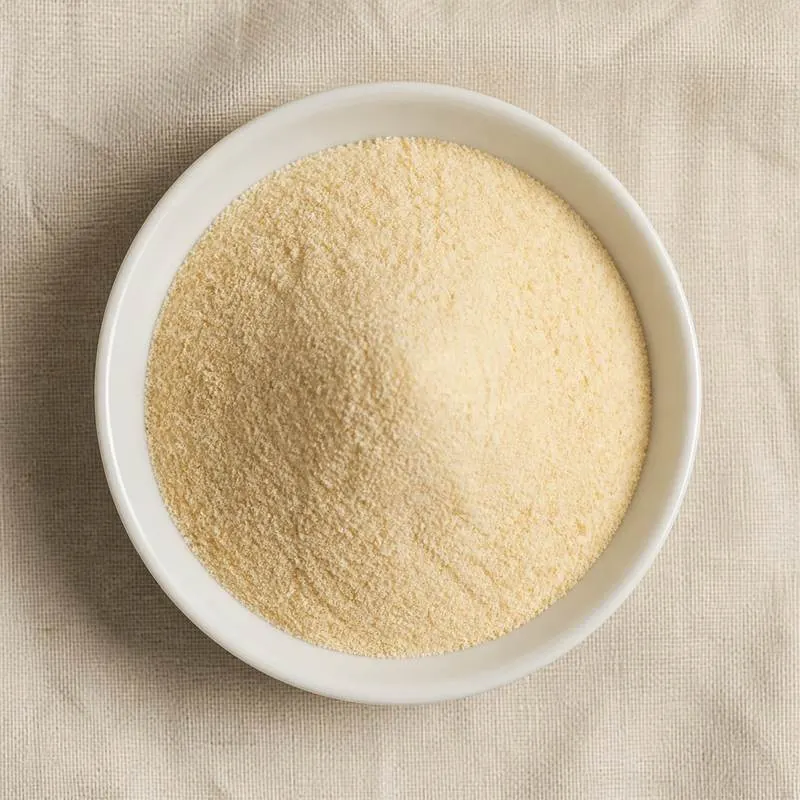
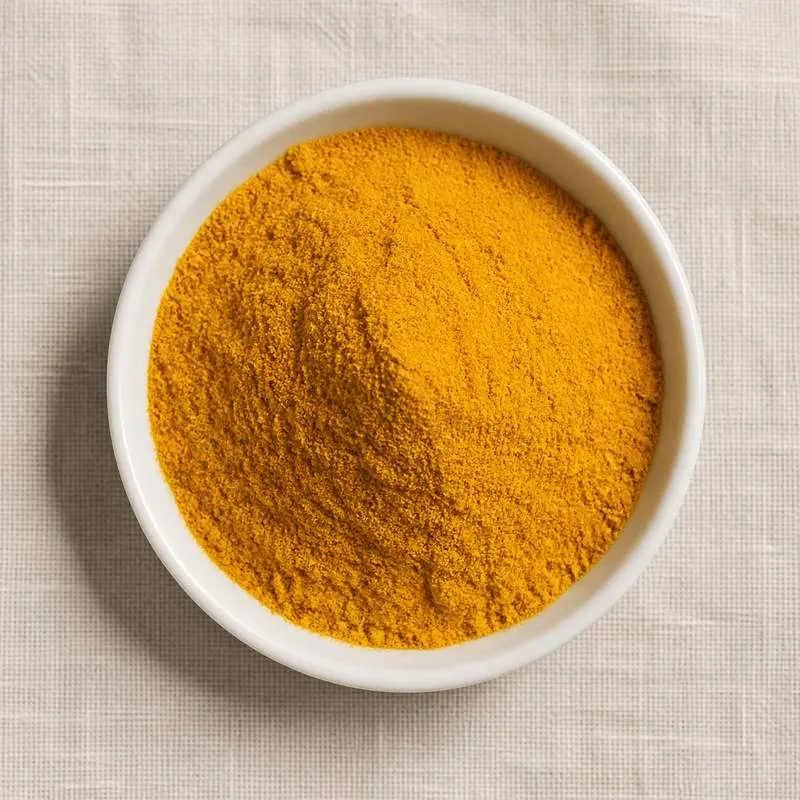
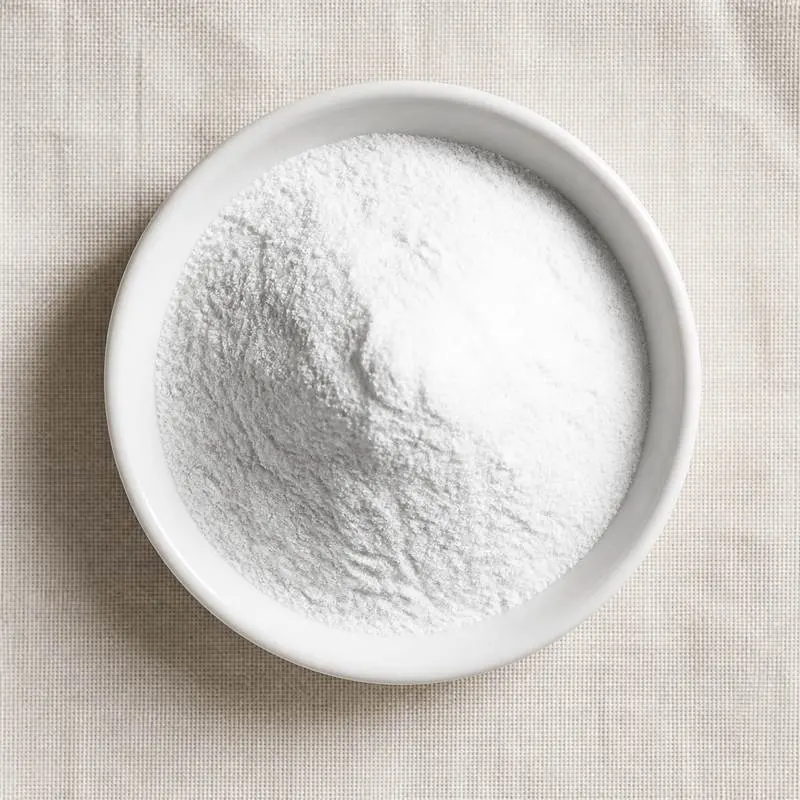
Resveratrol grades are off white to light beige powders, practically insoluble in water, soluble in ethanol and in propylene glycol, and are dispersed or micronised for aqueous dosing. Total extracts standardised at lower assay are brown powders carrying the anthraquinone colour. The trans isomer is the active form and converts to the cis form under ultraviolet light, so material is handled in light resistant packaging and formulated away from strong illumination.
We source bulk Polygonum Cuspidatum Extract from top China manufacturers for our partners. The manufacturer is in Zhejiang. A smaller requirement can ship in a combined container with other ingredients.
Please send the grade you need, the volume and your destination port, and we will come back with a solution and a price.
or call +86-21-6858 0751
- Function
- Plant extract
Specifications
| Item | Specification |
|---|---|
| Appearance | Off white to light beige fine powder |
| Odour and Taste | Slight characteristic, faintly bitter |
| trans-Resveratrol (HPLC) | ≥ 98.0% |
| Total Resveratrol | ≥ 98.5% |
| Identification | Conforms by HPLC retention and UV spectrum |
| Emodin | ≤ 100 mg/kg |
| Loss on Drying | ≤ 1.0% |
| Residue on Ignition | ≤ 0.5% |
| Particle Size | 100% through 80 mesh |
| Residual Ethanol | ≤ 0.5% |
| Lead | ≤ 1.0 mg/kg |
| Arsenic | ≤ 1.0 mg/kg |
| Cadmium | ≤ 1.0 mg/kg |
| Total Plate Count | ≤ 1,000 cfu/g |
| Yeast and Mould | ≤ 100 cfu/g |
| E. coli | Negative |
| Salmonella | Absent in 25 g |
Common Markets Grades
Resveratrol standardised extracts run at 5, 10, 20, 50 and 98 percent by HPLC, with the 98 percent grade effectively an isolated compound rather than a botanical extract. Every grade states trans isomer content separately from total resveratrol because the cis form is not counted as active. Polydatin grades are traded at 20, 50 and 98 percent, and simple ratio extracts at 4:1 or 10:1 are sold for traditional herbal preparations.
Anthraquinone content is the second axis of the specification. Emodin is limited, commonly to below 1 percent in supplement grades and to a few hundred parts per million in the higher purity resveratrol products, and the specification names the limit. Physical grades cover crystalline and spray dried powder at 80 mesh, micronised material for dissolution rate, and water dispersible versions carried on modified starch or complexed with cyclodextrin. Fermentation derived resveratrol made by engineered yeast is traded alongside the botanical article and is distinguished on the certificate.
Applications
- Dietary supplements in capsule, tablet and softgel form standardised on trans-resveratrol content
- Anti-ageing and longevity formulations, the largest supplement outlet for the extract
- Cardiovascular support blends, where resveratrol is combined with polyphenols such as quercetin and grape seed extract
- Sports nutrition products positioned on antioxidant recovery
- Functional beverages and shots, dosed as a water dispersible or cyclodextrin complexed grade
- Skin care serums and creams, where the stilbene fraction is used for radical scavenging and pigmentation control
- Sun care formulations combining antioxidant protection with ultraviolet filters
- Traditional herbal preparations and decoction granules in Asian markets
- Animal feed and pet supplements, where resveratrol is used as a natural antioxidant
Brands Using Polygonum Cuspidatum Extract
Widely-distributed consumer products that list Polygonum Cuspidatum Extract on the ingredient label.
Brand names, product names and logos are the property of their owners. They appear here as published evidence that the ingredient is used, taken from the brand's own label or website. Their appearance is not an endorsement, and it does not mean the brand buys from us or from any manufacturer listed on this site.
China Manufacturers of Polygonum Cuspidatum Extract
Top Polygonum Cuspidatum Extract manufacturers in China.

Company names and logos are the property of the manufacturers themselves. They are listed here because our own directory records them as producing this ingredient. A listing is not an endorsement by them, and we do not represent them or speak on their behalf.
Regulatory Status
In the United States trans-resveratrol from Polygonum cuspidatum is marketed as a dietary ingredient under the Dietary Supplement Health and Education Act, and several resveratrol preparations have been the subject of GRAS notices to the Food and Drug Administration for defined food and beverage uses, to which the agency responded without objection. There is no general food additive regulation and no colour additive listing for the extract, so food use rests on the applicable GRAS conclusion rather than on a blanket permission.
In the European Union trans-resveratrol has been authorised as a novel food under Regulation 2015/2283 for use in food supplements, with the authorisation setting out the permitted source, specification and conditions of use, and the botanical extract itself is used in supplements on that basis. The material has no E number because it is not an additive. Hydroxyanthracene derivatives, which include emodin, are restricted in food supplements under Regulation 2021/468, which is the reason anthraquinone content is controlled so tightly in commercial grades. Regulation 1223/2009 governs cosmetic use. Codex has no standard for the extract and JECFA has not evaluated it.
Manufacturing Process
Knotweed roots and rhizomes are harvested, washed, sliced and dried, then milled to a coarse powder. Extraction runs in countercurrent flow with aqueous ethanol at 60 to 80 degrees Celsius over several stages, which takes both the free stilbene and its glucoside. Where resveratrol rather than polydatin is the target, the extract is treated with a glucosidase enzyme or held under controlled acid hydrolysis so that polydatin is converted to free resveratrol, raising the yield of the target compound substantially.
The liquor is filtered, the ethanol recovered under vacuum, and the aqueous concentrate loaded onto a macroporous adsorption resin that binds the stilbenes while sugars, salts and part of the tannin fraction pass to waste. The stilbene fraction is eluted with ethanol, and a dedicated alkaline wash or a second chromatography step removes emodin and the other anthraquinones down to the specified limit. The purified eluate is concentrated, crystallised from an ethanol and water mixture for high assay grades, filtered on a centrifuge and dried under vacuum at low temperature in the dark. Crystals are milled, assayed by HPLC for total and trans content and for emodin, and packed under nitrogen in light resistant drums.