Potassium Gluconate
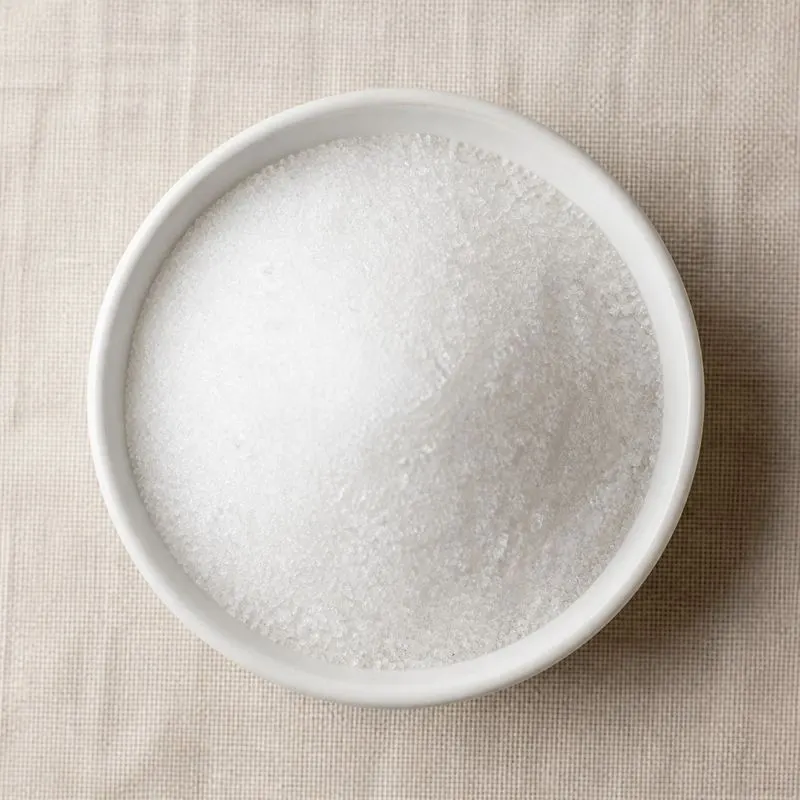
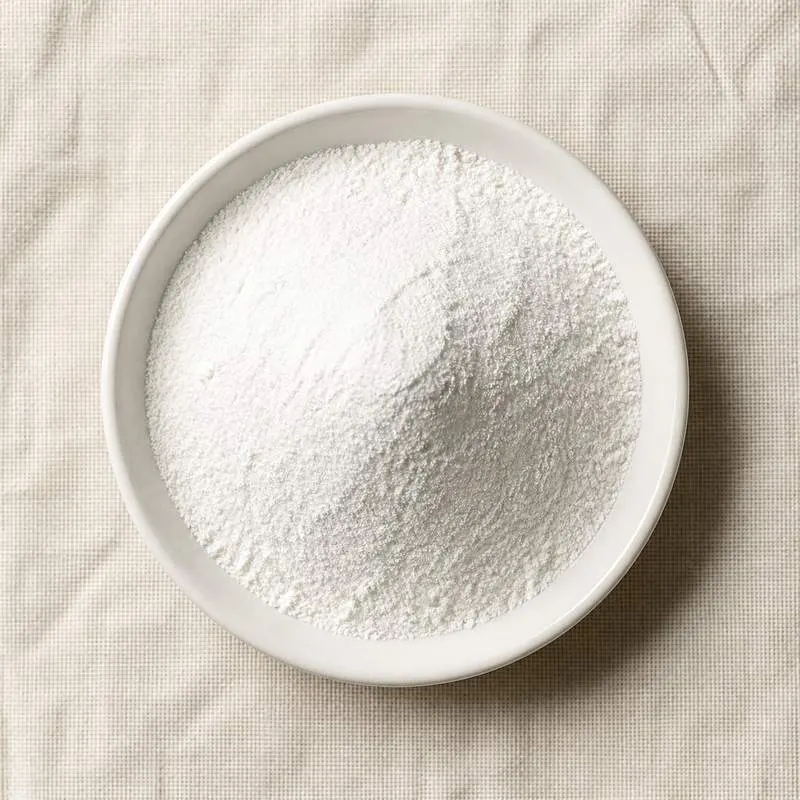
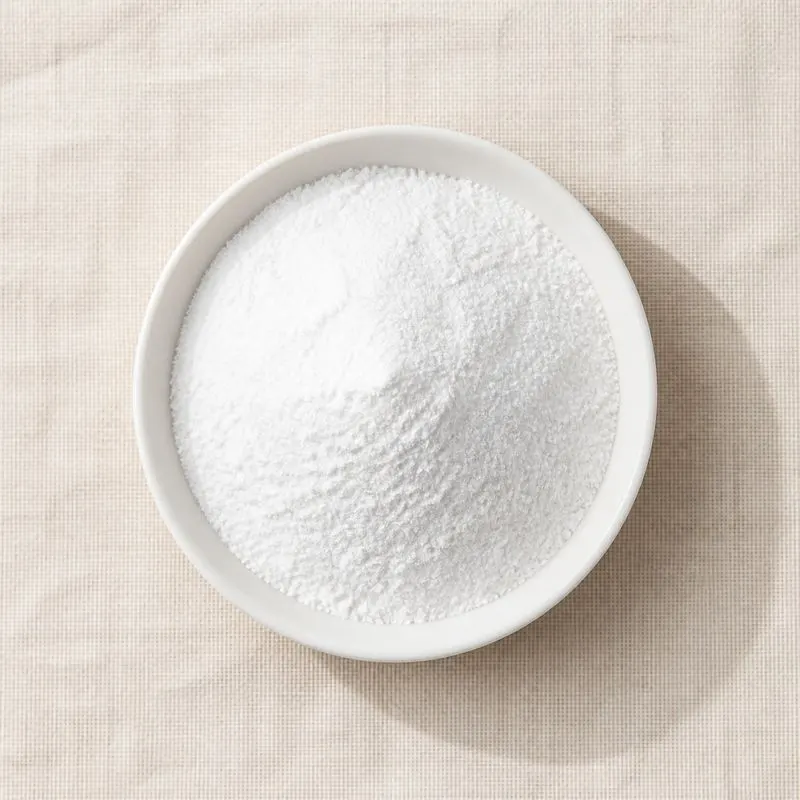
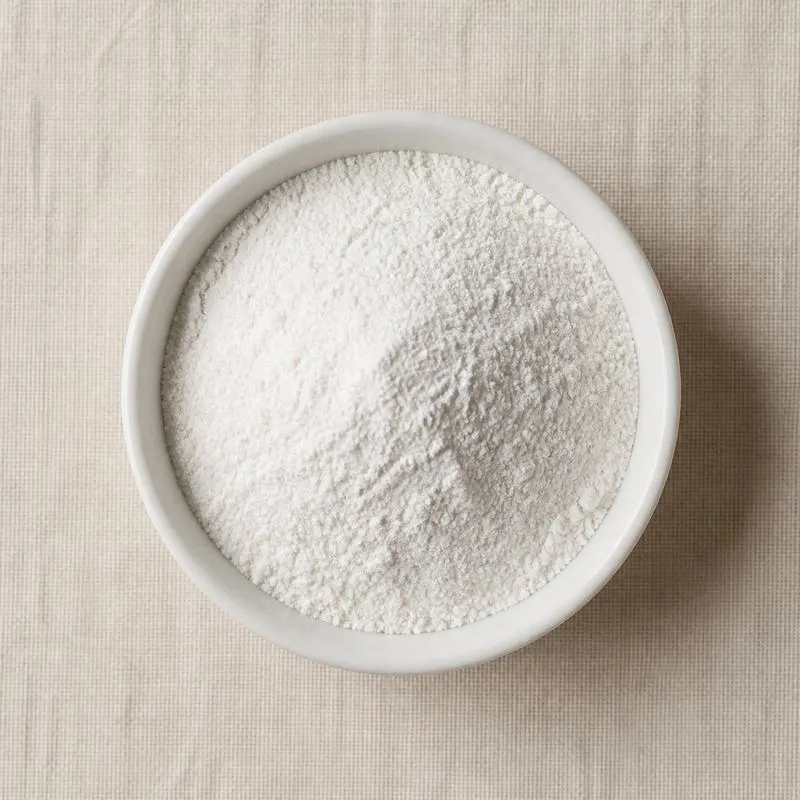
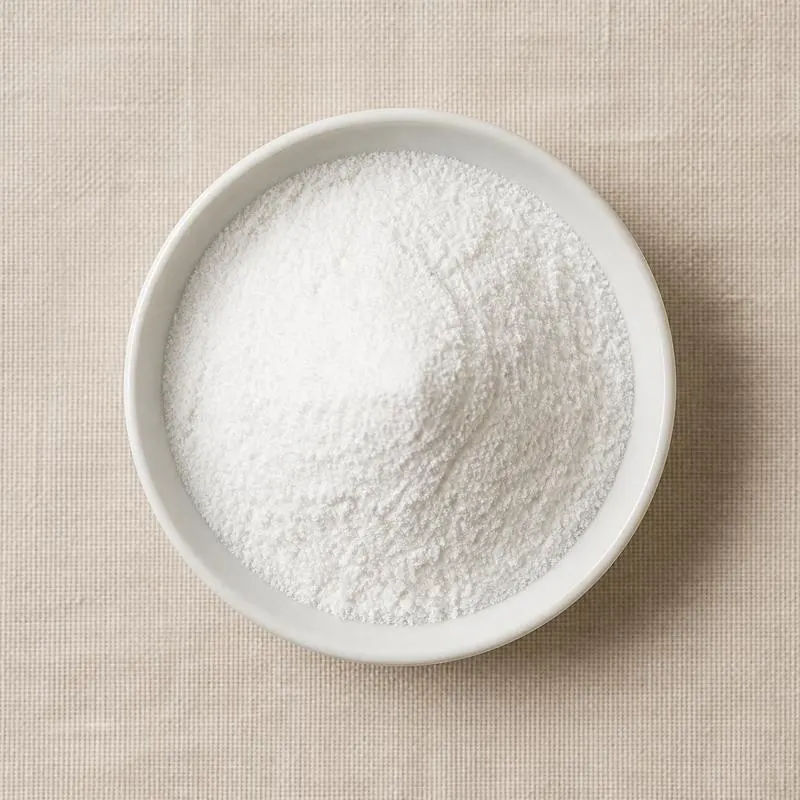
Potassium Gluconate is the potassium salt of D-gluconic acid with the formula KC6H11O7. It is a white to yellowish crystalline powder with a mild, slightly sweet taste and good water solubility.
The compound (CAS 299-27-4, molar mass 234.25 g/mol) is the preferred form of potassium for many oral supplement and clinical nutrition applications because it carries no acid load, no significant sodium, and a much smoother taste than potassium chloride.
We source bulk Potassium Gluconate from top China manufacturers for our partners, working with several of them. The manufacturers are in Shandong, Zhejiang and Liaoning. A smaller requirement can ship in a combined container with other ingredients.
Please send the grade you need, the volume and your destination port, and we will come back with a solution and a price.
or call +86-21-6858 0751
- Packaging
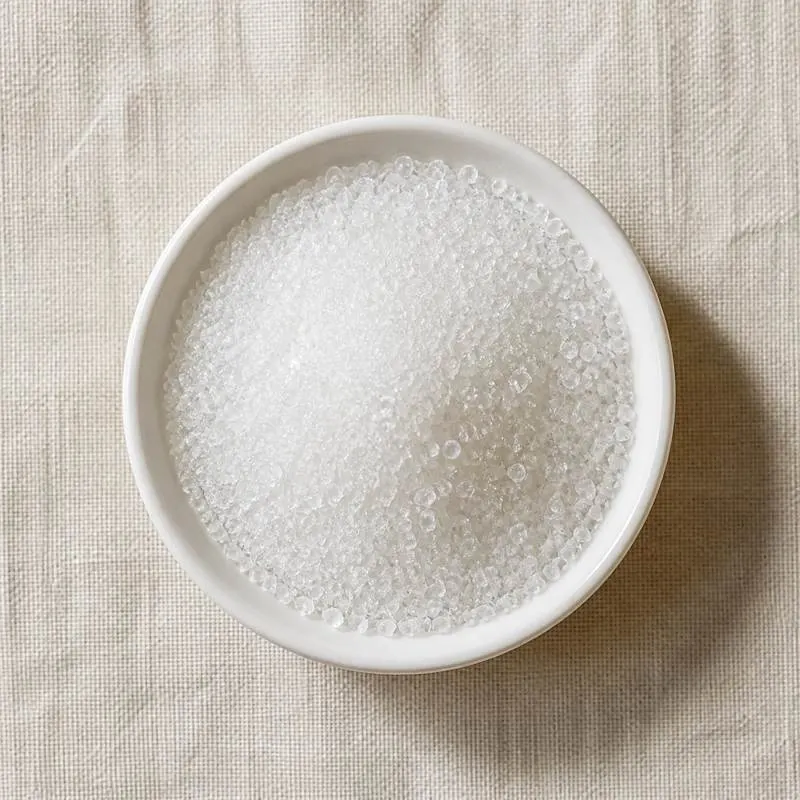
- 25 kg kraft paper bag with PE inner liner
- ISO 9001
- HACCP
- Halal
- Kosher
Specifications
Grades / Types Available: Food Grade
| Item | Specification |
|---|---|
| Appearance | White crystalline powder |
| Assay | 97.0–103.0% |
| Potassium Content | 16.5–16.9% |
| Loss on Drying | ≤3.0% |
| Reducing Substances | ≤1.0% |
| Chloride | ≤0.05% |
| Sulphate | ≤0.05% |
| Lead | ≤2 mg/kg |
| Arsenic | ≤3 mg/kg |
| Heavy Metals | ≤10 mg/kg |
| Solubility | Freely soluble in water |
| Zinc Content | 12.0%–13.0% |
| Purity | ≥98.0% |
| pH (1% Solution) | 5.0–7.0 |
| Shelf Life | 2 years |
| Storage Conditions | Cool, dry place, sealed packaging. |
| Size | 50-80mesh |
| EINECS | 206-076-3 |
| Formula | C12H22O14Zn |
| Brand | Fuxing |
Common Markets Grades
Potassium Gluconate comes in anhydrous and monohydrate forms, in food and pharmaceutical grades.
Food grade meets FCC and E577 specifications at 97 to 103 percent assay on the dried basis, sold as fine to granular powder for direct compression and dry-mix supplement formulation.
USP and Ph. Eur. grades carry tighter limits on reducing substances, chloride, and heavy metals, and tighter microbiological specifications for solid and liquid pharmaceutical use.
A direct-compression grade with engineered crystal habit and controlled particle distribution is produced for one-step tableting in multivitamin and electrolyte products.
A liquid grade at 25 to 30 percent w/w in purified water is produced for liquid oral supplements, syrups, and ready-to-drink electrolyte formulations.
Feed grade meets EU and AAFCO feed-additive specifications and is sold to pet-food and ruminant-feed customers as a non-chloride potassium source.
Applications
- Oral potassium supplements in tablet, capsule, and liquid forms for hypokalemia prevention
- Cardiovascular and antihypertensive support formulas where chloride load must be avoided
- Diuretic-induced potassium replacement therapy for patients on loop and thiazide diuretics
- Multivitamin and multimineral tablets as the gentle, non-bitter potassium contributor
- Sports and recovery powders blended with magnesium, sodium, and B vitamins
- Clinical and tube-feeding nutrition products for renal and cardiac patients
- Pediatric oral rehydration syrups where palatability is critical
- Sugar-free chewable supplements where the mild sweetness improves mouthfeel
- Direct-compression tableting binder and excipient with built-in potassium load
- Functional beverage fortification including electrolyte waters and recovery shots
- Pet and equine supplement formulations for muscle cramping and heat-stress recovery
Brands Using Potassium Gluconate
Widely-distributed consumer products that list Potassium Gluconate on the ingredient label.
- NOW FoodsNOW Potassium Gluconate 99 mg Tablets ↗Tablets supplying 99 mg elemental potassium from 619 mg potassium gluconate.Label verified 2026-05-24
- Nature Made (Pharmavite)Nature Made Potassium Gluconate 550 mg Tablets ↗Nature Made Potassium Gluconate 550 mg panel: 'Potassium Gluconate, Cellulose Gel, Stearic Acid, Croscarmellose Sodium, Magnesium Stearate, Silicon Dioxide.' Provides 90 mg elemental potassium per tablet; USP-verified.Label verified 2026-05-24
- Solaray (Nutraceutical)Solaray Potassium 99 mg VegCaps ↗Solaray Potassium 99 mg capsules use potassium gluconate / potassium amino acid complex as the source of 99 mg elemental potassium; other ingredients include vegetable cellulose capsule, rice flour, parsley, chamomile, and watercress.Label verified 2026-05-24
Brand names, product names and logos are the property of their owners. They appear here as published evidence that the ingredient is used, taken from the brand's own label or website. Their appearance is not an endorsement, and it does not mean the brand buys from us or from any manufacturer listed on this site.
China Manufacturers of Potassium Gluconate
Top Potassium Gluconate manufacturers in China.
- Liao Yang Teng Yuan Food Additive Factory6 ingredients in the directory
 Shandong Xinhong Pharmaceutical Co., Ltd.9 ingredients in the directory
 Shandong Zhongxing Food Technology Co., Ltd.8 ingredients in the directory
- Zhejiang Ruibang Laboratories4 ingredients in the directory
 Zhejiang Tianyi Food Additives Co., Ltd.10 ingredients in the directory
Company names and logos are the property of the manufacturers themselves. They are listed here because our own directory records them as producing this ingredient. A listing is not an endorsement by them, and we do not represent them or speak on their behalf.
How We Help Source Potassium Gluconate
Direct Factory Sourcing
We run the whole process: selecting the manufacturer from the top Chinese food ingredient producers, negotiating the price, verifying quality, and coordinating the logistics. You deal with us instead of with several factories at once.
Original Packaging and Documents from the Manufacturer
The manufacturer sends your Potassium Gluconate out of its own factory in the original packing, through to your destination port. The COA, COO, MSDS, TDS and any certifications reach you from the manufacturer as well.
Free Samples and Lead Time
We send 100 to 500 g free for your own laboratory to test and you cover only the courier, usually within 2 to 3 working days. ETD is usually within 7 to 15 days once the order is confirmed, and we check that date against the factory's own manufacturing schedule before we give it to you.
Combined Shipment
We can load Potassium Gluconate together with other ingredients such as Sodium Acetate, Calcium Citrate and Sodium Lactate into one 20' FCL. If your quantity is small, we can also ship LCL.
Regulatory Status
Potassium Gluconate has broad regulatory acceptance as a food additive, supplement ingredient, and pharmaceutical.
The European Union authorises it as food additive E577 under quantum satis principles as an acidity regulator and sequestrant, and Directive 2002/46/EC includes it on the positive list of potassium sources for food supplements.
The U.S. Food and Drug Administration affirms it as GRAS under 21 CFR 184.1631 for use as a nutrient supplement and flavour enhancer. USP and NF monographs govern oral pharmaceutical use. The FDA has imposed a 99 mg per dose limit on potassium in solid oral dosage form dietary supplements to prevent small-bowel ulceration, which constrains tablet design across the entire potassium-supplement category.
Pharmacopoeial monographs appear in the USP, Ph. Eur., and JP. JECFA has assigned an ADI not specified to the gluconate moiety.
Halal and Kosher certifications are routinely available for both the corn-derived and cassava-derived starch fermentation routes.
Manufacturing Process
Potassium Gluconate is produced by neutralisation of D-gluconic acid with a potassium base.
The gluconic acid feedstock comes from aerobic submerged fermentation of glucose by the bacterium Gluconobacter oxydans or by the fungus Aspergillus niger. Both organisms quantitatively oxidise glucose at C1 to gluconic acid using a periplasmic glucose dehydrogenase. The fermentation is run with continuous neutralisation (often with potassium hydroxide directly) to keep the broth pH near 5.5 and avoid product inhibition.
When the salt itself is the target, the fermentation is run with potassium-only neutralisation so that the broth at the end of run is essentially a solution of potassium gluconate. The broth is filtered to remove biomass, decolorised with activated carbon, and concentrated by evaporation. Crystallisation on cooling gives the anhydrous or monohydrate salt depending on conditions.
Pharmaceutical grade is recrystallised from purified water and ethanol mixtures, centrifuged, washed, dried, and milled to the target particle distribution. Direct-compression grade is produced by controlled crystallisation with seed addition or by post-crystallisation granulation.