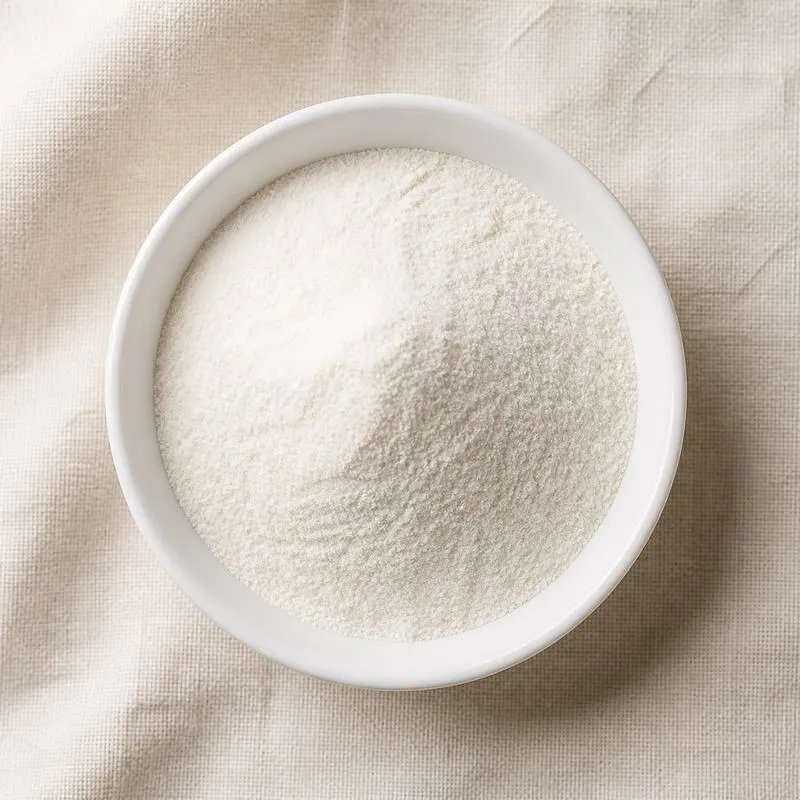
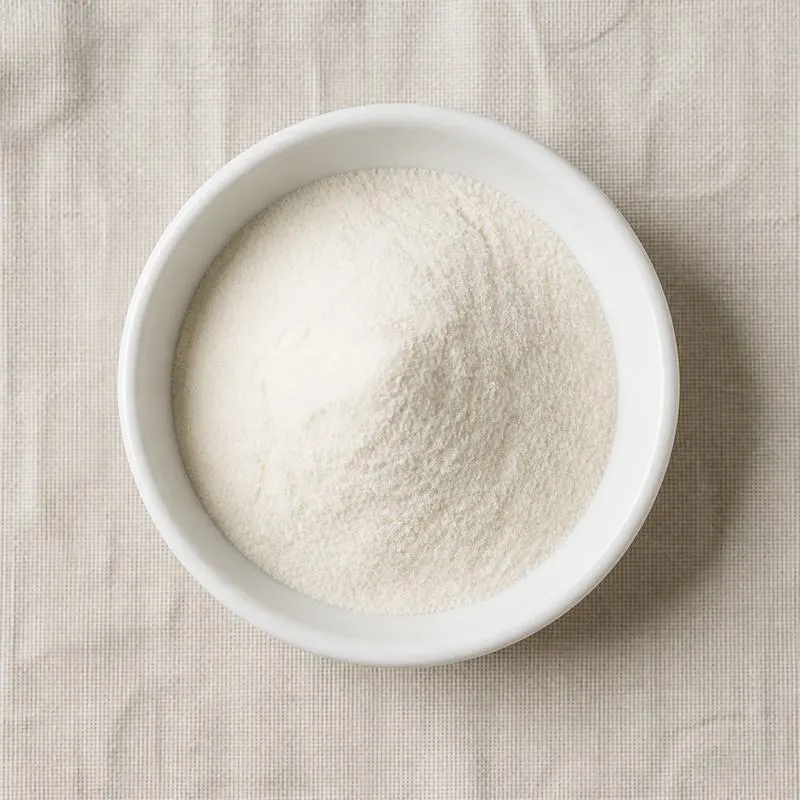
Propylene Glycol Alginate
Propylene Glycol Alginate, abbreviated PGA, is a partial propylene glycol ester of alginic acid. The esterification converts a fraction of the carboxylic acid groups into propylene glycol esters, which changes both the acid stability and the surface activity of the polymer.
Unlike sodium alginate, PGA tolerates pH down to 3 and does not precipitate in the presence of calcium. This makes it the preferred alginate form for acidic and dairy-acid systems.
We source bulk Propylene Glycol Alginate from top China manufacturers for our partners, working with several of them. The manufacturers are in Shandong. For this ingredient the minimum order is 500 kg and a 20-foot container takes 12 MT, and a smaller requirement can ship in a combined container with other ingredients.
Please send the grade you need, the volume and your destination port, and we will come back with a solution and a price.
or call +86-21-6858 0751
- Minimum order
- 500 kg
- Qty in 20' FCL
- 12 MT
- Packaging
- 250 kg plastic drum or 1,000 kg IBC tote
- ISO 9001
- HACCP
- Halal
- Kosher
Specifications
| Item | Specification |
|---|---|
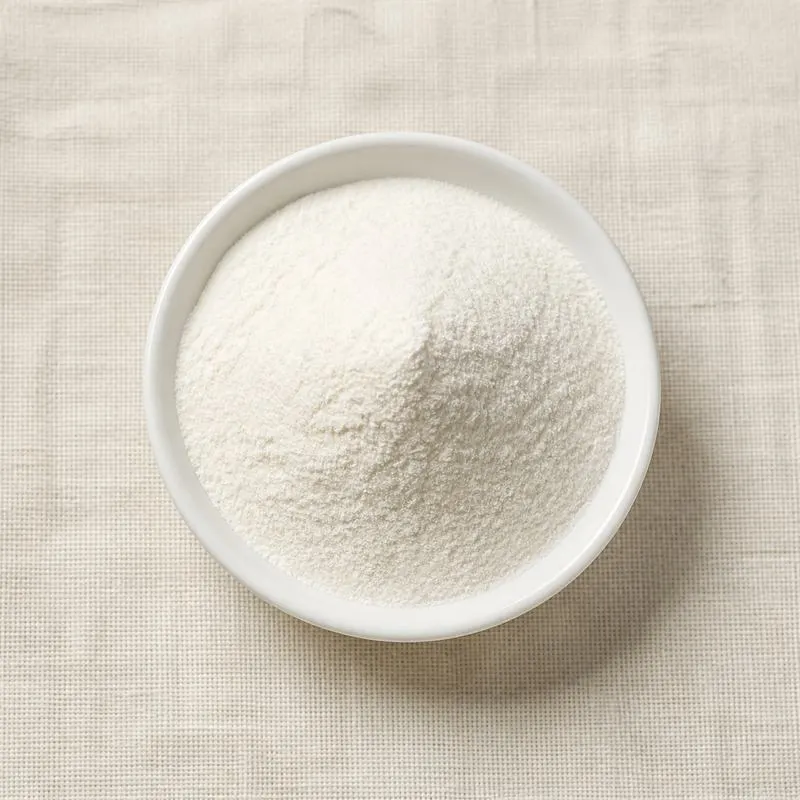
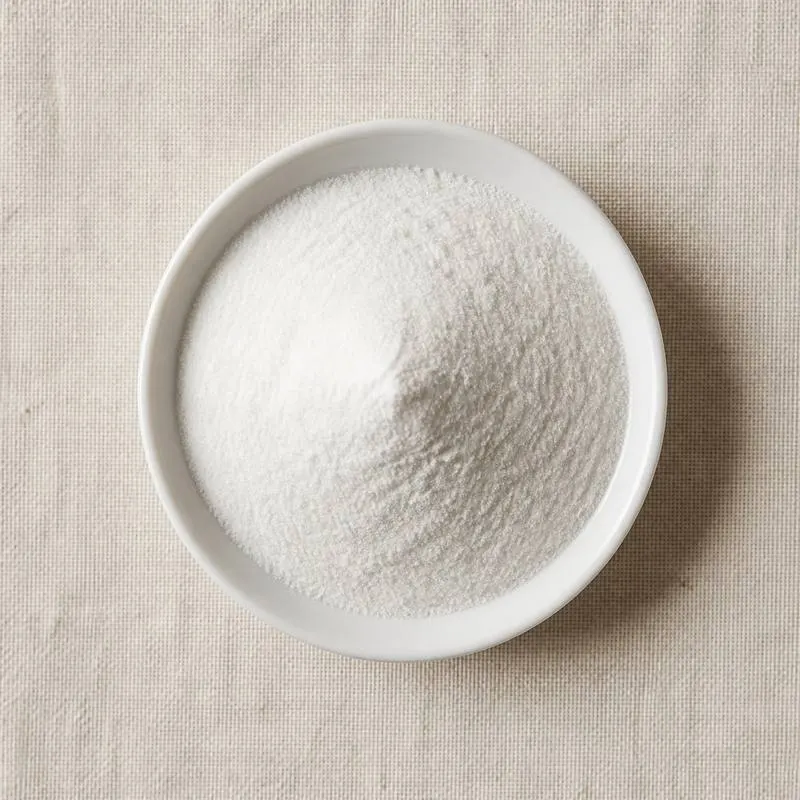
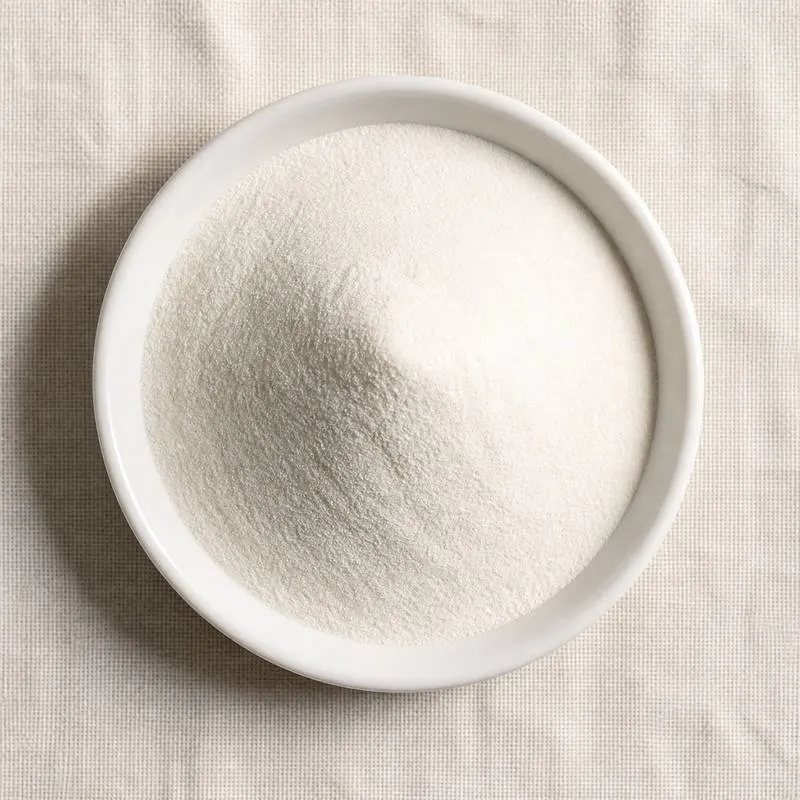
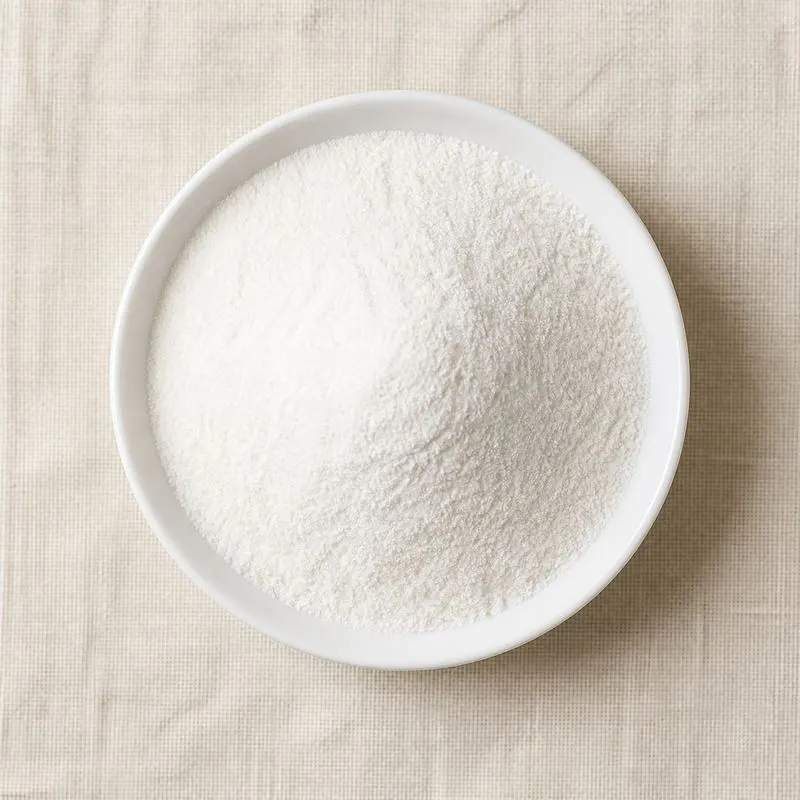
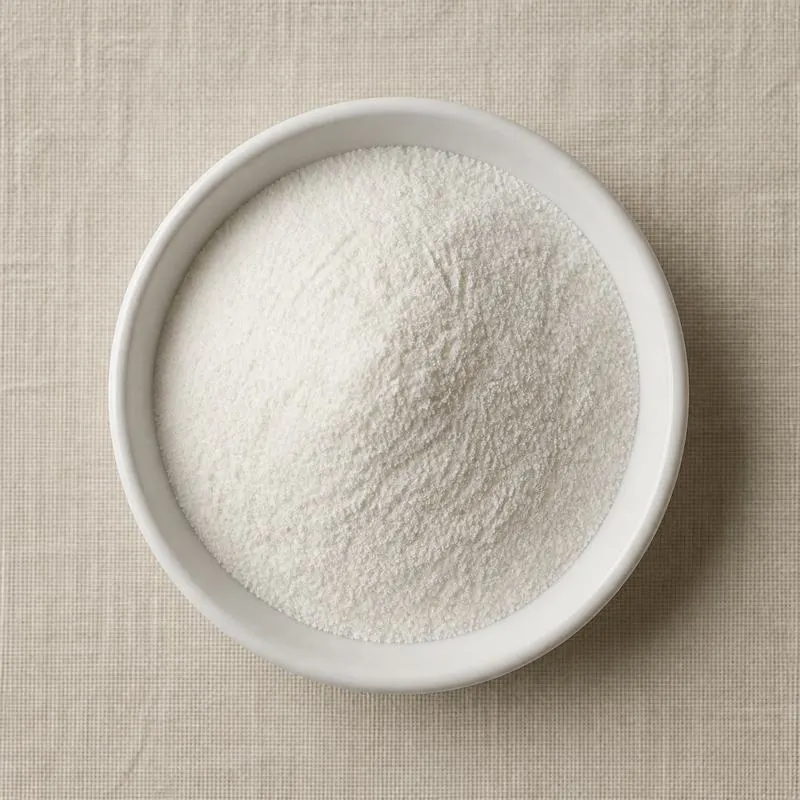
| Appearance | White to yellowish powder |
| Purity/Assay (Food Grade) | ≥ 95% |
| Purity/Assay (Feed Grade) | ≥ 90% |
| Viscosity (Food Grade) | 1000 - 3000 mPa.s |
| Viscosity (Feed Grade) | 800 - 2500 mPa.s |
| Moisture/Loss on Drying | ≤ 15% |
| pH | 6.0 - 8.0 |
| Particle Size/Mesh | 80 mesh |
| Ash | ≤ 5% |
| Heavy Metals | ≤ 10 ppm |
| Lead | ≤ 2 ppm |
| Arsenic | ≤ 1 ppm |
| Total Plate Count | ≤ 1000 cfu/g |
| Yeast & Mold | ≤ 100 cfu/g |
Common Markets Grades
PGA is graded by degree of esterification, viscosity, and clarity.
High-ester PGA at 80 to 90 percent substitution gives maximum acid stability and is used in salad dressings, beer foam, and acidified dairy.
Medium-ester PGA at 55 to 75 percent substitution gives a balance of acid stability and gel-modifying behaviour, used in fruit preparations and ice cream mixes.
Viscosity grades run from 100 cP to 4,000 cP at 1 percent solution. Premium clarified grades serve clear beverage and brewing applications.
Applications
- Beer foam stabilisation, the single largest market for PGA
- Salad dressings and emulsified sauces for acid-stable thickening
- Acidified dairy and cultured beverages for protein protection
- Fruit juices, fruit drinks, and citrus beverages
- Ice cream and frozen desserts for ice-crystal control
- Bakery fillings and fruit preparations bake-stable through acid
- Cosmetic emulsions and lotions in low-pH systems
- Pharmaceutical syrups and oral suspensions at acidic pH
- Industrial pigment dispersions and printing inks
- Confectionery foams and aerated centres
Brands Using Propylene Glycol Alginate
Widely-distributed consumer products that list Propylene Glycol Alginate on the ingredient label.
- Wish-BoneSweet & Spicy French Dressing ↗Listed on Wish-Bone's official SmartLabel page as containing propylene glycol alginate (emulsifier/stabilizer/thickener).Label verified 2026-05-24
- Wish-BoneThousand Island Dressing ↗Wish-Bone Thousand Island ingredient list (2% or less) includes propylene glycol alginate per official SmartLabel.Label verified 2026-05-24
- Hellmann'sClassics Thousand Island Salad Dressing ↗Listed: 2% or less of propylene glycol alginate, xanthan gum, natural flavour, calcium disodium EDTA.Label verified 2026-05-24
Brand names, product names and logos are the property of their owners. They appear here as published evidence that the ingredient is used, taken from the brand's own label or website. Their appearance is not an endorsement, and it does not mean the brand buys from us or from any manufacturer listed on this site.
China Manufacturers of Propylene Glycol Alginate
Top Propylene Glycol Alginate manufacturers in China.
 Qingdao Bright Moon Seaweed Group Co., Ltd.7 ingredients in the directory
 Qingdao Gather Great Ocean Algae Industry Group Co., Ltd.5 ingredients in the directory
 Shandong Jiejing Group Corporation9 ingredients in the directory
 Yantai Zhouji Marine Biotechnology Co., Ltd.2 ingredients in the directory
Company names and logos are the property of the manufacturers themselves. They are listed here because our own directory records them as producing this ingredient. A listing is not an endorsement by them, and we do not represent them or speak on their behalf.
How We Help Source Propylene Glycol Alginate
Direct Factory Sourcing
We run the whole process: selecting the manufacturer from the top Chinese food ingredient producers, negotiating the price, verifying quality, and coordinating the logistics. You deal with us instead of with several factories at once.
Original Packaging and Documents from the Manufacturer
The manufacturer sends your Propylene Glycol Alginate out of its own factory in the original packing, through to your destination port. The COA, COO, MSDS, TDS and any certifications reach you from the manufacturer as well.
Free Samples and Lead Time
We send 100 to 500 g free for your own laboratory to test and you cover only the courier, usually within 2 to 3 working days. ETD is usually within 7 to 15 days once the order is confirmed, and we check that date against the factory's own manufacturing schedule before we give it to you.
Combined Shipment
We can load Propylene Glycol Alginate together with other ingredients such as Carrageenan, Sodium Carboxymethyl Cellulose and Agar Agar into one 20' FCL. If your quantity is small, we can also ship LCL.
Regulatory Status
PGA is approved as a food additive in essentially all regulated markets.
Regulation (EC) No 1333/2008 lists it as E405 in the European Union, and 21 CFR 172.858 permits it in the United States. JECFA has assigned an acceptable daily intake.
Beer use is specifically allowed under brewing regulations in most major beer-producing markets. Halal, Kosher, vegan, and non-GMO certifications are routinely available.
Manufacturing Process
PGA is made in a two-step process. First, sodium alginate is converted to alginic acid by acidification and washed to remove salts.
The moist alginic acid is then reacted with propylene oxide under pressure in a closed vessel. The reaction esterifies a controlled fraction of the carboxyl groups with propylene glycol residues.
Reaction temperature, pressure, and propylene oxide ratio determine the final degree of substitution. After reaction, the product is dried, milled, and standardised to a target viscosity.
Quality control verifies residual propylene oxide is below regulatory limits and that the substitution distribution is uniform.