Alginic Acid
Alginic acid is a linear polysaccharide extracted from the cell walls of brown seaweeds, principally species of Laminaria, Macrocystis, Ascophyllum and Durvillaea. It is a copolymer of two uronic acids, beta-D-mannuronic acid and alpha-L-guluronic acid, arranged along the chain in homopolymeric blocks of each together with mixed sequences.
Block structure determines function. Consecutive guluronic acid residues form the buckled cavities that bind calcium ions and lock adjacent chains into the egg-box junctions responsible for alginate gels, so a seaweed source rich in guluronic acid gives firm brittle gels while a mannuronic-rich source gives softer elastic ones. Alginic acid itself is the free acid form and, unlike its sodium and potassium salts, is insoluble in water. It swells and absorbs many times its weight in water without dissolving, and it dissolves only once neutralised to a salt, which happens in situ when it meets an alkaline carbonate or a neutral aqueous system with a base present.
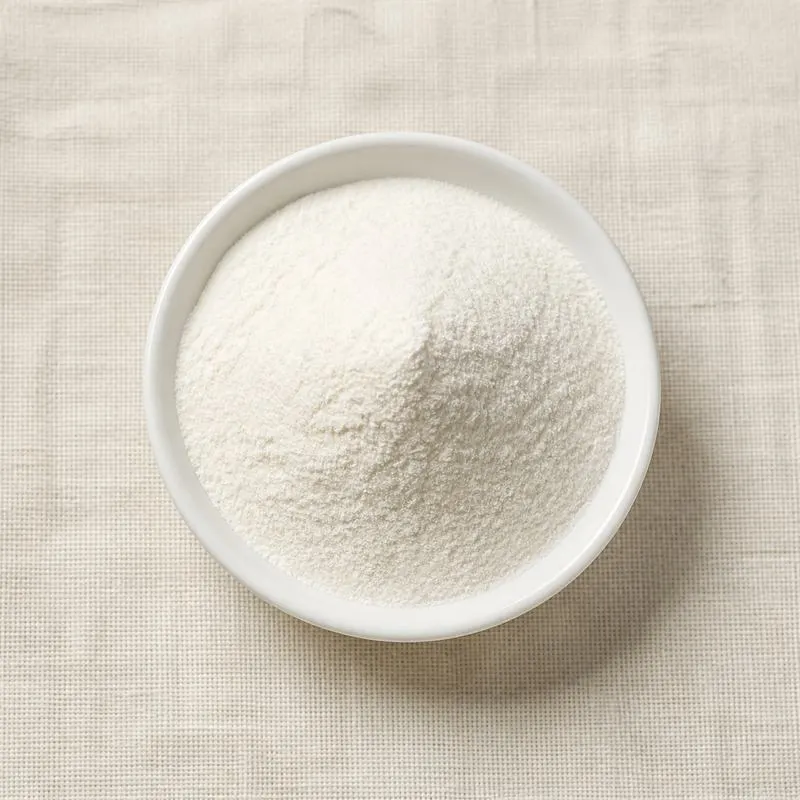
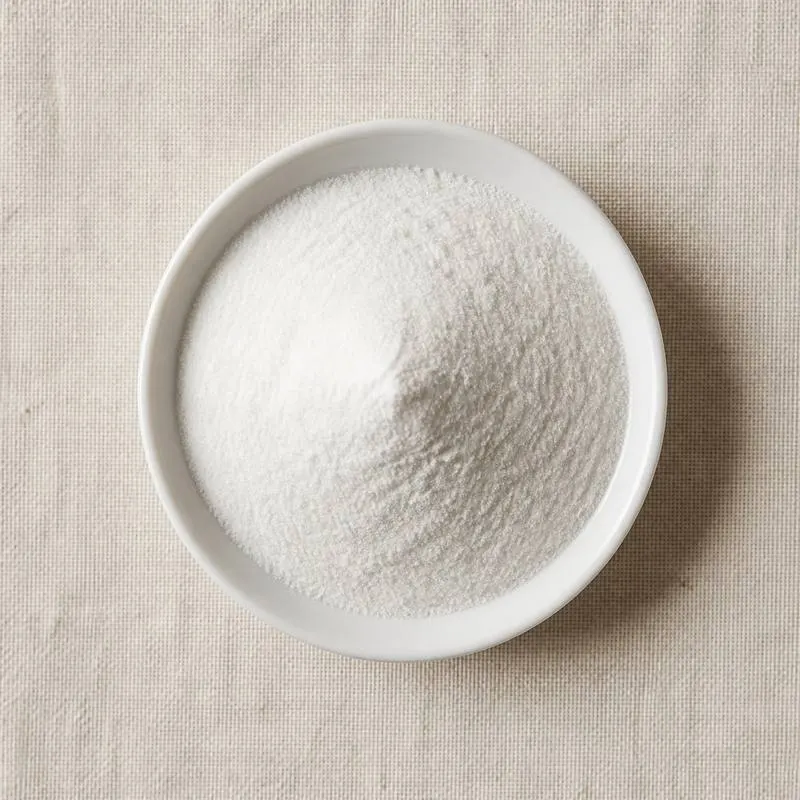
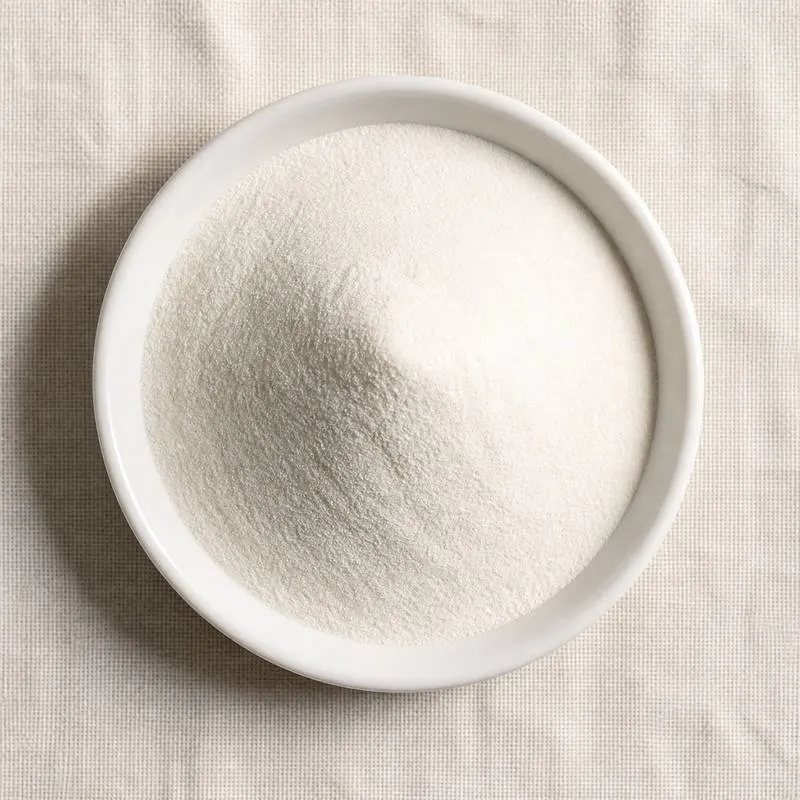
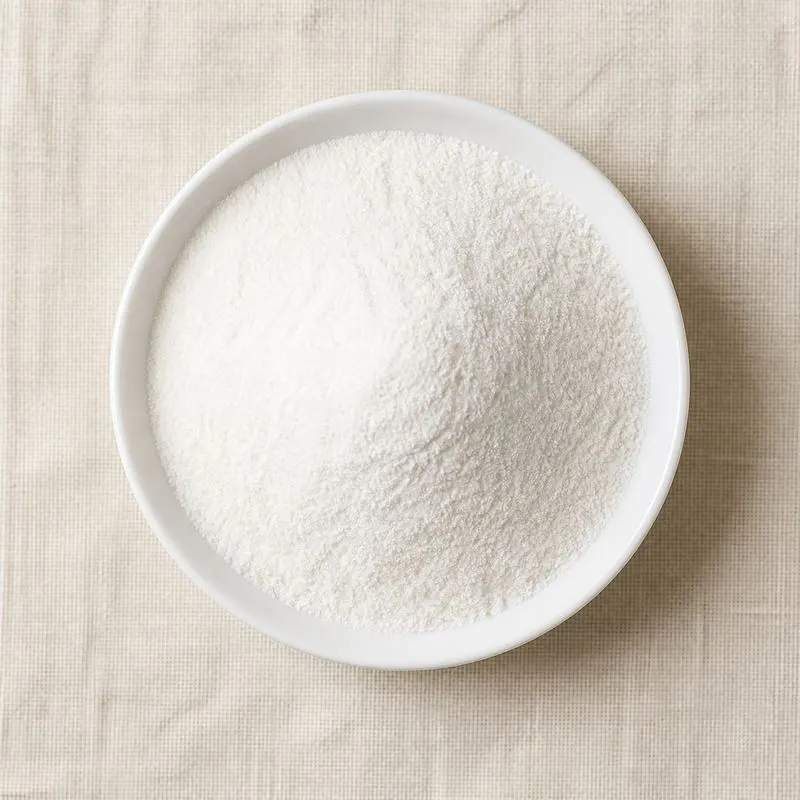
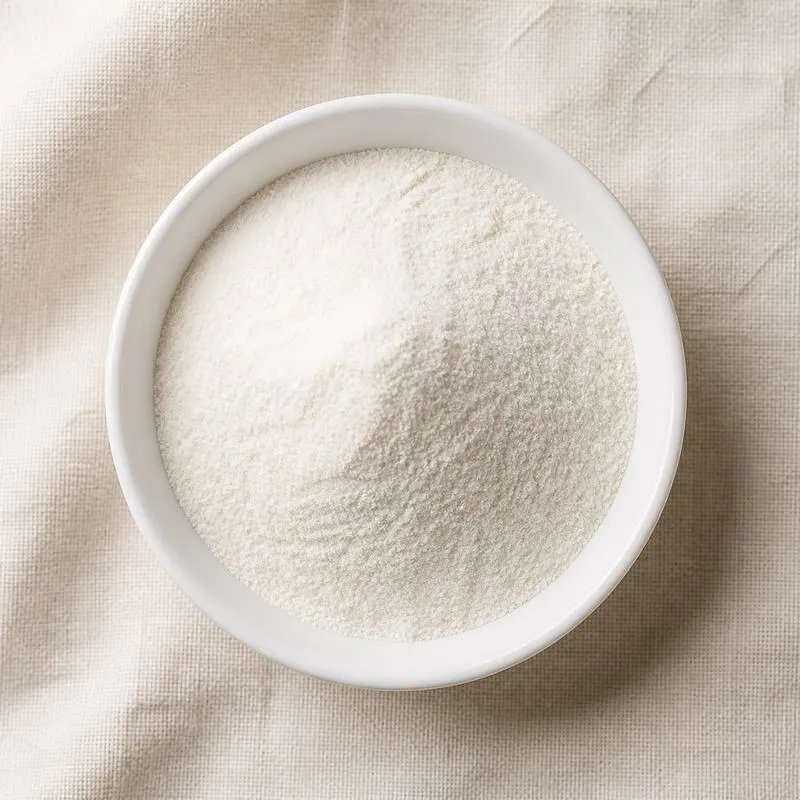
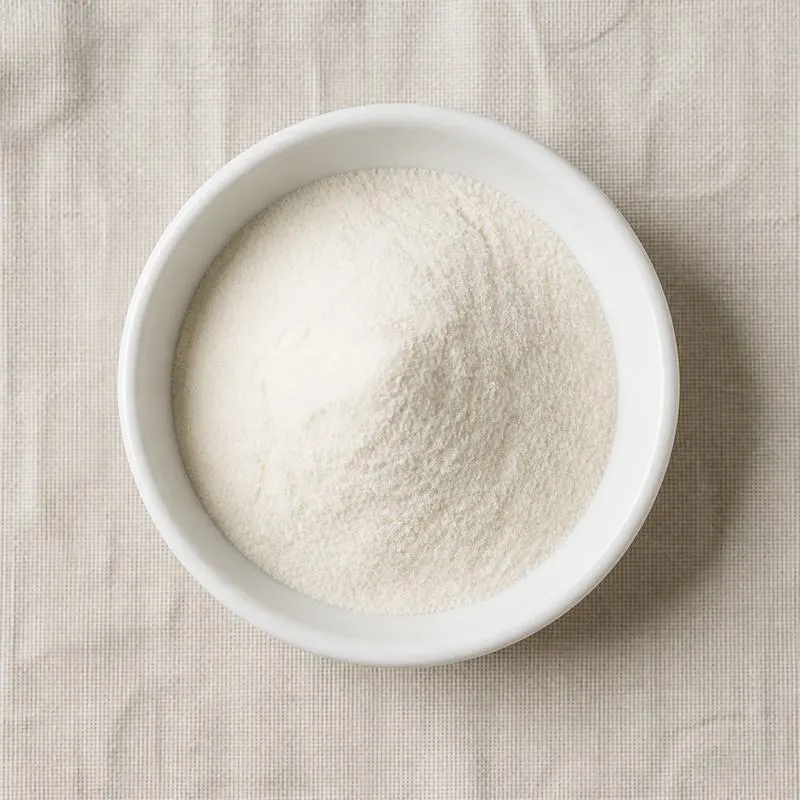
It is a white to yellowish-brown fibrous powder or granulate, odourless and bland. It is soluble in alkaline solutions, insoluble in water, alcohol and organic solvents, and it degrades on prolonged heating or at extreme pH, losing viscosity irreversibly.
We source bulk Alginic Acid from top China manufacturers for our partners, working with several of them. The manufacturers are in Shandong and Jiangsu. A smaller requirement can ship in a combined container with other ingredients.
Please send the grade you need, the volume and your destination port, and we will come back with a solution and a price.
or call +86-21-6858 0751
- Function
- Thickener / Hydrocolloid
Specifications
| Item | Specification |
|---|---|
| Appearance | White to yellowish-brown fibrous powder or granulate |
| Odour and Taste | Almost odourless, bland |
| Identification | Positive precipitate test with calcium chloride and with acid |
| Assay, as alginic acid on dry basis | 91.0% to 104.5% |
| Loss on Drying | Not more than 15.0% |
| Sulphated Ash, dry basis | Not more than 8.0% |
| pH, 3% suspension | 2.0 to 3.5 |
| Water Insoluble Matter as cellulose | Not more than 2.0% |
| Particle Size | Not less than 95% through 60 mesh |
| Lead | Not more than 2 mg/kg |
| Arsenic | Not more than 3 mg/kg |
| Cadmium | Not more than 1 mg/kg |
| Total Plate Count | Not more than 5,000 CFU/g |
| Yeast and Mould | Not more than 500 CFU/g |
| E. coli | Absent in 1 g |
| Salmonella | Absent in 25 g |
Common Markets Grades
Alginic acid is traded by particle size and by the viscosity its neutralised solution develops, with low, medium and high viscosity grades corresponding to different average chain lengths and, in part, to different seaweed sources. Granular grades are used where controlled swelling and slow hydration are wanted, as in tablet disintegration, while fine powders are used where rapid neutralisation and dissolution are needed.
Food grade and pharmaceutical grade are the two commercial streams. Pharmaceutical grade complies with the pharmacopoeial monographs for alginic acid and is specified more tightly for microbiology and heavy metals, since it is used as a tablet disintegrant and in raft-forming antacid formulations. Technical grade is used for industrial binding and textile use. Because the free acid is the intermediate from which the soluble alginate salts are made, many producers offer it both as a finished ingredient and as the precursor stream.
Applications
- Pharmaceutical tablets as a disintegrant, where swelling on contact with fluid breaks the tablet apart
- Raft-forming antacid preparations, in which the acid form reacts with stomach acid and bicarbonate to float a gel raft above the gastric contents
- Acidified beverages and dressings, where it is neutralised in the formulation to supply viscosity
- Bakery fillings and icings, controlling water migration and giving body
- Reconstituted and restructured foods, forming a set gel when calcium is introduced after neutralisation
- Wound dressings and haemostatic pads in the calcium and mixed salt forms derived from it
- Textile print paste thickening, where the polymer holds pigment without staining cellulose fibre
- Paper coating and sizing as a film former and viscosity control agent
- Welding rod coatings and ceramic bodies as a binder and extrusion aid
- Intermediate for the manufacture of sodium, potassium, calcium and ammonium alginate
Brands Using Alginic Acid
Widely-distributed consumer products that list Alginic Acid on the ingredient label.
Brand names, product names and logos are the property of their owners. They appear here as published evidence that the ingredient is used, taken from the brand's own label or website. Their appearance is not an endorsement, and it does not mean the brand buys from us or from any manufacturer listed on this site.
China Manufacturers of Alginic Acid
Top Alginic Acid manufacturers in China.
 Lianyungang Tiantian Seaweed Industrial Co., Ltd.6 ingredients in the directory
 Shandong Jiejing Group Corporation9 ingredients in the directory
 Yantai Hongri Biotech Co., Ltd.2 ingredients in the directory
Company names and logos are the property of the manufacturers themselves. They are listed here because our own directory records them as producing this ingredient. A listing is not an endorsement by them, and we do not represent them or speak on their behalf.
Regulatory Status
In the United States alginic acid is affirmed as generally recognised as safe under 21 CFR 184.1011 for use as a food ingredient in accordance with good manufacturing practice. Pharmaceutical use is covered by the United States Pharmacopeia and National Formulary monograph for alginic acid.
In the European Union it is authorised as E400 alginic acid under the food additives regulation, with identity and purity criteria covering assay as alginic acid, moisture, ash, cellulose content and heavy metals. It is generally permitted at quantum satis in the food categories where alginates are allowed, and is declared in the ingredient list by name or E number. The European Pharmacopoeia carries a monograph for alginic acid for pharmaceutical use. Codex and JECFA recognise the substance as INS 400, with JECFA specifications for alginic acid and its salts. The Codex general standard for food additives also covers the alginates, and it restricts their use in foods for infants and young children rather than leaving it open.
Manufacturing Process
Harvested brown seaweed is washed to remove sand, epiphytes and salt, then milled and treated with dilute mineral acid. In the weed the alginate is present as mixed calcium and magnesium salts, and the acid converts it into insoluble alginic acid within the tissue while washing out the soluble salts, pigments and mannitol. The acid-treated weed is then digested with sodium carbonate, which neutralises the alginic acid to soluble sodium alginate and releases it into solution as a thick viscous extract.
Because the extract is highly viscous and full of cellulose residue, it is diluted heavily and clarified by a combination of screening, filtration and flotation, in which fine air bubbles carry the residual weed fibre to the surface for skimming. The clarified sodium alginate solution is then precipitated. In the acid route, mineral acid is added and alginic acid drops out as a fibrous gelatinous mass; in the calcium route, calcium chloride is added first to form calcium alginate fibres, which are washed and then converted to alginic acid with acid. Either way the precipitate is separated on a screen or press, washed to remove salts, dewatered, and either dried and milled directly to give alginic acid or reslurried in alcohol with the appropriate base to make one of the alginate salts.