Purple Carrot Colour
Purple carrot colour is a water soluble anthocyanin preparation made from the root of pigmented cultivars of Daucus carota. Its colouring principles are cyanidin 3-xylosylglucosylgalactosides, most of them acylated on the sugar chain with sinapic, ferulic or p-coumaric acid. The high proportion of acylated pigment, often above eighty percent of the total, is what gives purple carrot its reputation as the most stable of the commercial anthocyanins and the reason it has displaced grape skin and elderberry in many beverage applications.
Shade follows pH in the usual anthocyanin way. Below pH 3 it is a bright red, near pH 4 a raspberry to strawberry red, and from pH 5 upwards it drifts to purple and then to a dull blue grey. Formulators use it mainly in the acidic range, where it holds a clean red through pasteurisation and through months of ambient storage far better than unacylated pigments.
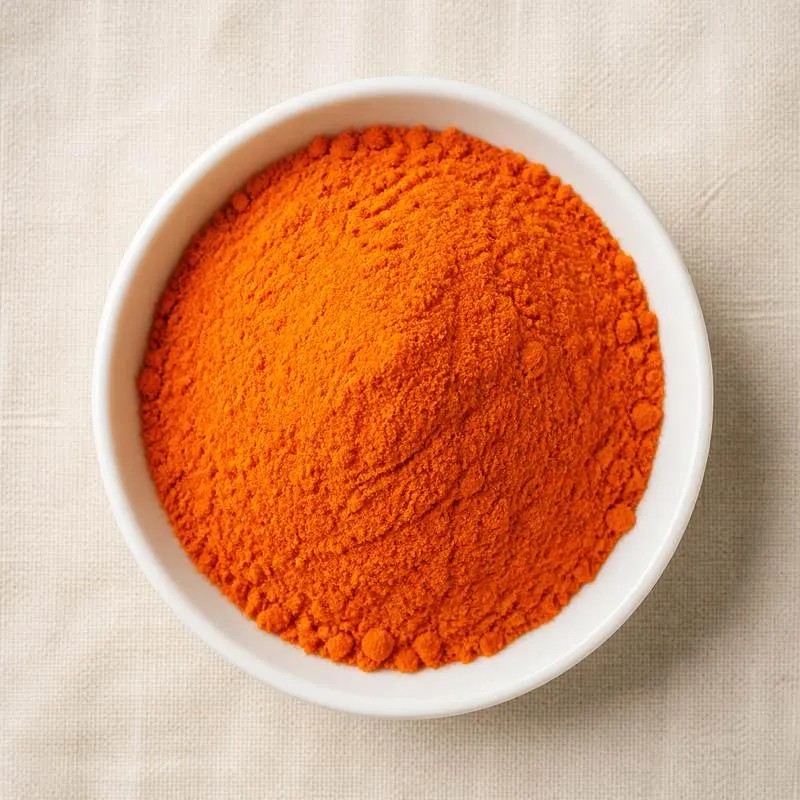
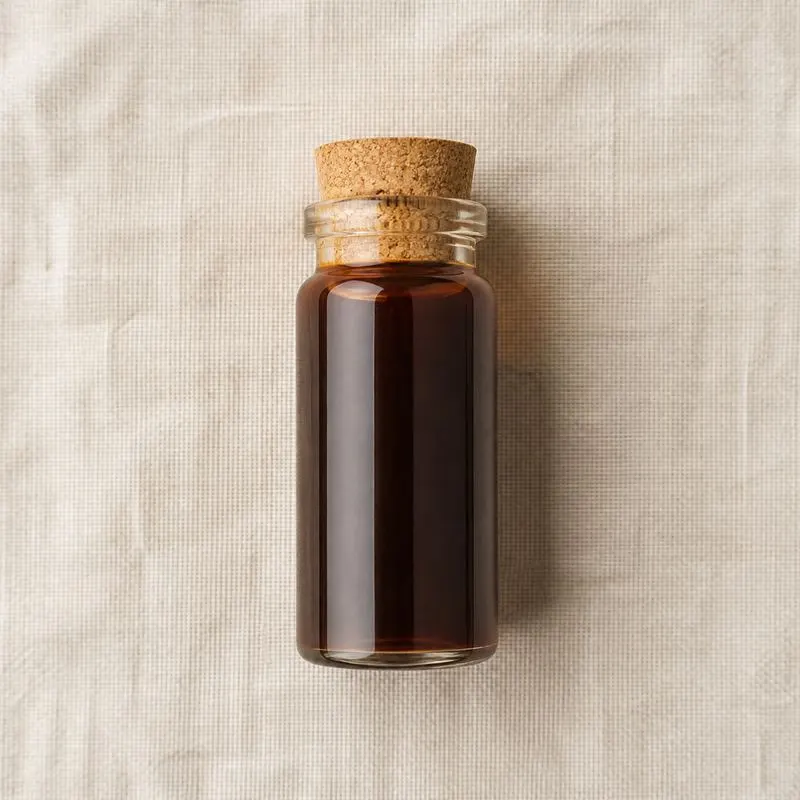
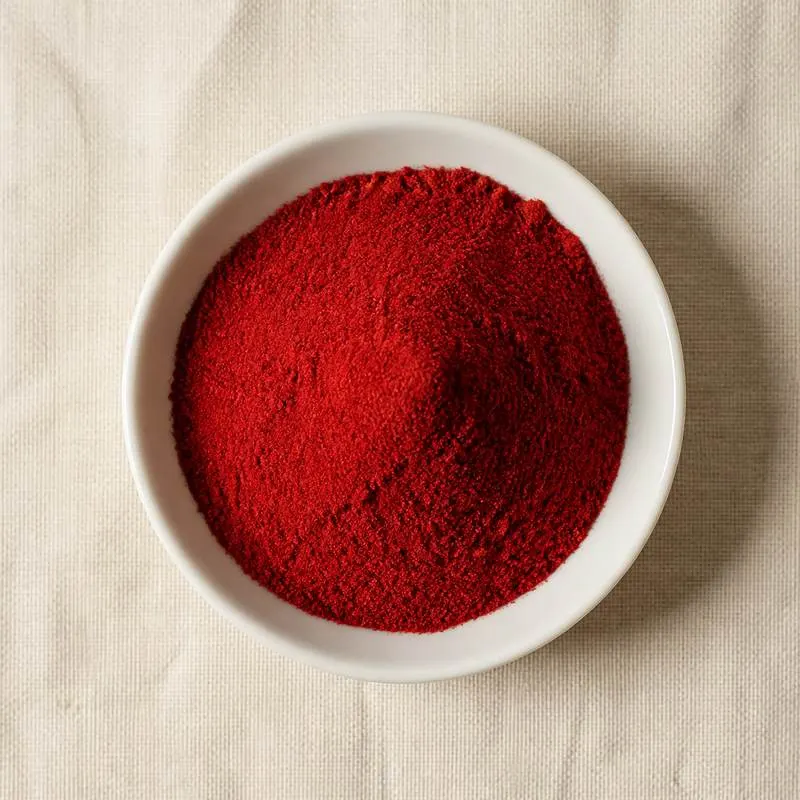
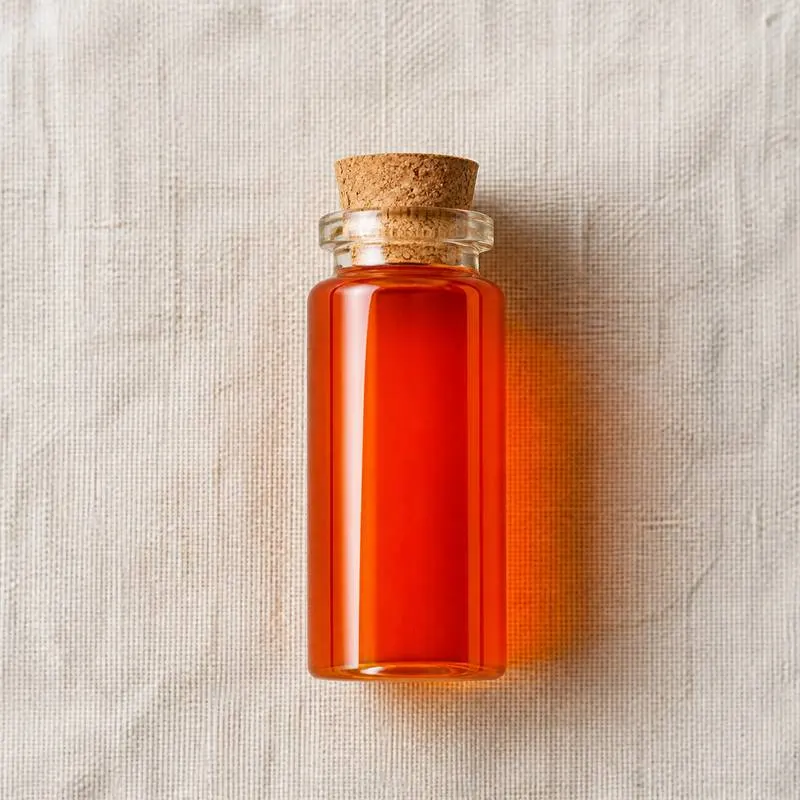
Two forms are sold, a spray dried powder on maltodextrin and a liquid concentrate, both freely soluble in water and dilute alcohol and insoluble in oil. The pigment is bleached by sulphur dioxide, degraded by high levels of ascorbic acid, and slowly faded by light, so packaging and the antioxidant system of the finished product matter. Purple carrot is essentially free of the earthy note of beetroot and the sulphur note of radish, which is one of the practical reasons it is chosen.
We source bulk Purple Carrot Colour from top China manufacturers for our partners. The manufacturer is in Jiangxi. A smaller requirement can ship in a combined container with other ingredients.
Please send the grade you need, the volume and your destination port, and we will come back with a solution and a price.
or call +86-21-6858 0751
- Function
- Colorant
Specifications
| Item | Specification |
|---|---|
| Appearance | Dark red to purple free flowing powder |
| Colour Value E1% 1cm at 520 nm | 50 minimum |
| Identification | Absorption maximum at 515 to 525 nm in acidified methanol |
| Anthocyanins as cyanidin 3-glucoside | 2.0% minimum |
| Acylated Anthocyanins as share of total | 70% minimum |
| Loss on Drying | 6.0% maximum |
| Sulphated Ash | 5.0% maximum |
| pH, 1% aqueous solution | 2.5 to 4.0 |
| Solvent Residue, ethanol | 0.5% maximum |
| Lead | 2 mg/kg maximum |
| Arsenic | 1 mg/kg maximum |
| Total Plate Count | 1000 cfu/g maximum |
| Yeast and Mould | 100 cfu/g maximum |
| Salmonella | Absent in 25 g |
Common Markets Grades
Grades are standardised on colour value, measured as E1% 1cm near 520 nm in an acidified buffer, with liquid concentrates from about colour value 3 to 30 and spray dried powders at colour value 25, 50 and 100 on a maltodextrin carrier. An anthocyanin figure expressed as cyanidin 3-glucoside is quoted alongside for buyers who dose on the active. Because visible shade depends on the pH of the finished product, the pH at which colour value was determined is stated on the specification.
Two commercial categories run in parallel. A refined additive grade, purified on adsorption resin and standardised, is declared as an anthocyanin colour. A concentrated juice grade, made by pressing and gently concentrating the root without selective pigment adsorption, is traded as a colouring foodstuff for clean label declarations, at a lower and more variable colour value and with a much higher sugar load. Deodorised versions are produced for delicate bases, and organic certified material is grown and processed on segregated lines.
Applications
- Fruit flavoured soft drinks, still drinks and flavoured waters held below pH 3.5
- Fruit yoghurt, drinking yoghurt and dairy desserts, as a carmine free red
- Gummies, jellies and pectin confectionery, where low water activity slows pigment loss
- Ice cream, sorbet and water ices in berry profiles
- Jams, fruit preparations and bakery fillings that are already acidified
- Sugar panned and film coated confectionery
- Icings, glazes and decorating gels applied after baking
- Alcoholic ready to drink beverages and flavoured ciders at low pH
- Nutraceutical gummies, tablet coatings and capsule shells
- Blending component in compound colours, supplying the red note in purple, burgundy and grape shades
China Manufacturers of Purple Carrot Colour
Top Purple Carrot Colour manufacturers in China.

Company names and logos are the property of the manufacturers themselves. They are listed here because our own directory records them as producing this ingredient. A listing is not an endorsement by them, and we do not represent them or speak on their behalf.
Regulatory Status
In the United States, purple carrot colour is a colour additive exempt from certification. 21 CFR Part 73 lists vegetable juice colour and dehydrated vegetable juice colour, and purple carrot preparations are sold within that framework; the applicable listing depends on how the material is produced and how far it is purified, so the supplier declaration of listing and permitted uses should accompany the specification. Exempt colours remain subject to the specification and labelling provisions of the colour additive regulations.
In the European Union anthocyanins are the food colour E 163, authorised under Regulation (EC) No 1333/2008 with identity and purity criteria in Regulation (EU) No 231/2012. Purple carrot juice concentrate that retains its natural food matrix is instead handled as a colouring foodstuff under European Commission guidance, which changes both the ingredient declaration and the conditions of use; the distinction rests on whether the process selectively concentrates the pigment relative to the other components of the juice. JECFA has evaluated anthocyanins, and provisions appear in the Codex General Standard for Food Additives.
Manufacturing Process
Purple carrots are washed, sorted and either milled to a mash or cut and pressed for juice. Extraction is carried out with acidified water or dilute food grade ethanol at temperatures below about 60 degrees Celsius, since anthocyanins degrade quickly above that, and the acid holds the pigment in its stable red flavylium form. Pressing or decanting separates the liquor from the spent root solids, which are usually dried and sold as fibre.
The crude liquor is clarified by centrifugation and filtration, then loaded onto a food grade adsorption resin. The anthocyanins bind while sugars, organic acids, salts and most of the carrot aroma pass to drain in the wash. The pigment is eluted with acidified ethanol, the solvent is recovered under vacuum at low temperature, and the concentrate is standardised with citric acid and water to the declared colour value. Liquid grades are pasteurised and filled cold; powder grades are blended with maltodextrin and spray dried on a short residence, low outlet temperature cycle to limit thermal loss.