Rosa Roxburghii
Rosa roxburghii, known in Chinese as cili and in English as chestnut rose or burr rose, is a thorny shrub of the rose family whose small yellow green fruit is covered in soft spines. The fruit is grown commercially on the karst uplands of Guizhou and neighbouring provinces and is used as a nutraceutical raw material rather than as a dessert fruit, since it is hard, sour and strongly astringent when fresh.
Its commercial interest rests on an exceptional ascorbic acid content. Fresh fruit commonly assays at 1,000 to 3,000 milligrams of vitamin C per hundred grams, ten to a hundred times the level in citrus, which makes it one of the richest natural sources known alongside acerola and camu camu. The fruit also carries superoxide dismutase activity, triterpenes of the euscaphic and tormentic acid type, flavonoids led by quercetin and kaempferol glycosides, condensed tannins that account for the astringency, and a substantial soluble fibre and pectin fraction.
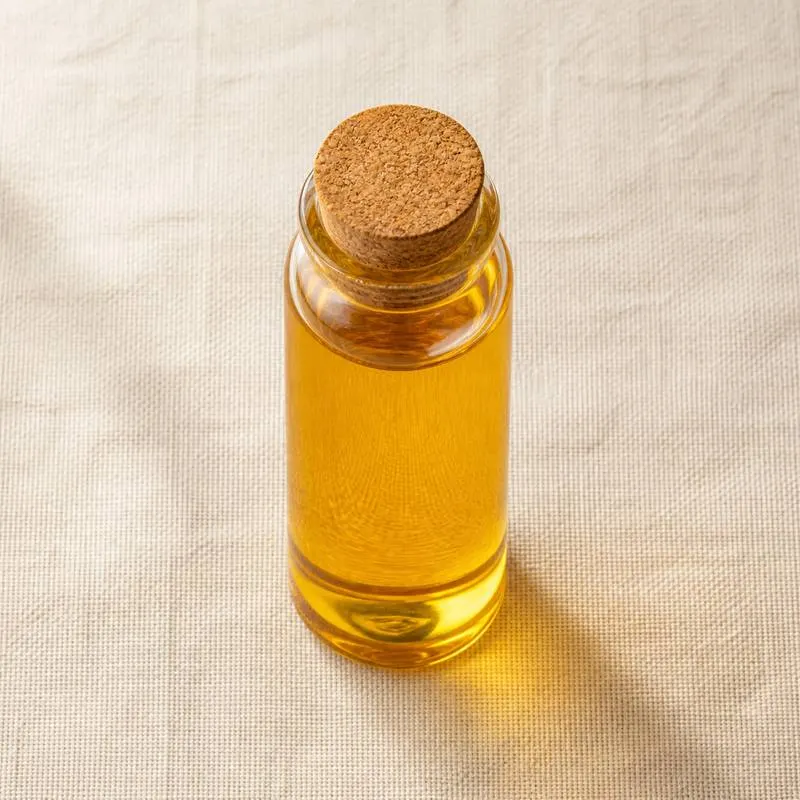
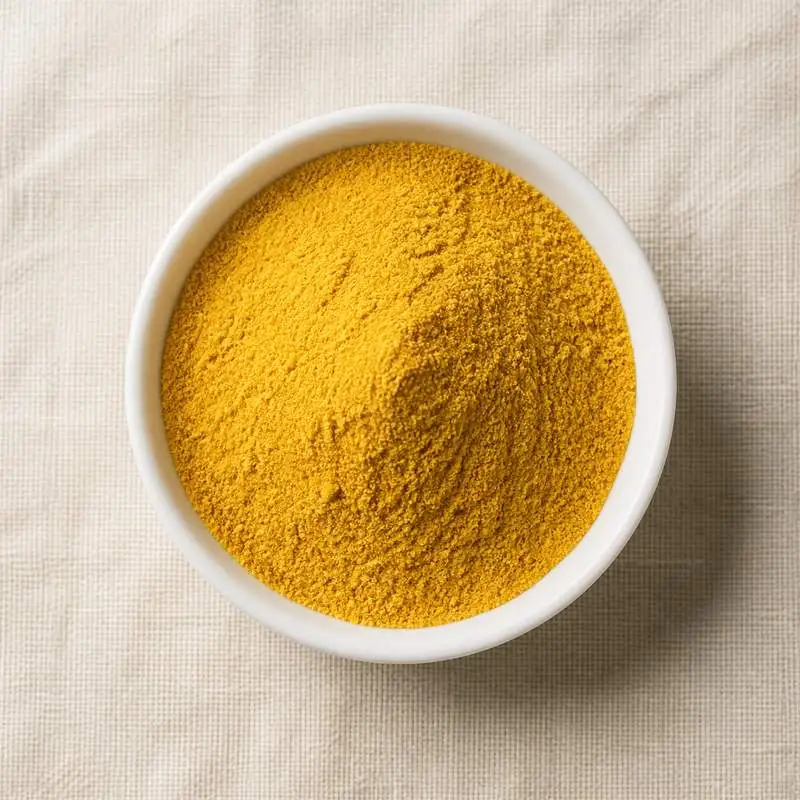
Ingredient forms are juice, juice concentrate, spray dried and freeze dried powder, and standardised extract. Concentrate is a viscous amber liquid; powders are cream to pale tan and free flowing on a carrier. The soluble fractions dissolve completely in water and give an acid solution around pH 3. Ascorbic acid is the stability limit throughout: it oxidises readily on exposure to air, heat, light, alkaline pH and traces of copper and iron, so the fruit is processed cold and fast, and the finished ingredient is packed with an oxygen and light barrier and held cool.
We source bulk Rosa Roxburghii from top China manufacturers for our partners. The manufacturer is in Shaanxi. A smaller requirement can ship in a combined container with other ingredients.
Please send the grade you need, the volume and your destination port, and we will come back with a solution and a price.
or call +86-21-6858 0751
- Function
- Nutraceutical
Specifications
| Item | Specification |
|---|---|
| Appearance | Free flowing powder, cream to pale tan |
| Identification | HPLC fingerprint conforms to Rosa roxburghii fruit reference |
| Odour and taste | Characteristic sour fruity, slightly astringent |
| Vitamin C as ascorbic acid | 5.0 percent minimum |
| Total flavonoids | 2.0 percent minimum |
| Loss on drying | 6.0 percent maximum |
| Total ash | 8.0 percent maximum |
| pH, 1 percent aqueous solution | 3.0 to 4.0 |
| Particle size | 95 percent through 80 mesh |
| Lead | 1.0 mg/kg maximum |
| Arsenic | 1.0 mg/kg maximum |
| Cadmium | 0.5 mg/kg maximum |
| Mercury | 0.1 mg/kg maximum |
| Total plate count | 10,000 cfu/g maximum |
| Yeast and mould | 500 cfu/g maximum |
| Escherichia coli | Absent in 1 g |
| Salmonella | Absent in 25 g |
Common Markets Grades
Fruit itself is graded by ripeness and by vitamin C assay, since the ascorbic acid content falls as the fruit passes full maturity and falls again with every hour between picking and processing. Buyers of the raw fruit therefore specify harvest window and time to processing as well as size and defect tolerances.
Processed grades are defined by their vitamin C declaration. Juice concentrate is traded at 30 to 60 degrees Brix with vitamin C stated in milligrams per hundred grams. Spray dried powder is specified by carrier, usually maltodextrin, by carrier load, and by vitamin C content, commonly 2 to 10 percent. Freeze dried whole fruit powder retains a higher vitamin C level and a higher price. Standardised extracts are sold quantified on vitamin C, on total flavonoids, or on superoxide dismutase activity expressed in units per gram, and the last of these requires low temperature processing throughout because the enzyme denatures on heating.
Physical grades cover fruit powder milled from dried whole fruit, which carries the seed and spine fraction and is specified on fibre and particle size, against juice derived powder, which does not. Organic certified material is available, and buyers commonly specify a pesticide residue package aligned to the destination market.
Applications
- Vitamin C supplement products, where the fruit is used as a whole food source of ascorbic acid rather than synthetic vitamin C
- Functional beverages and juice blends, where concentrate contributes acidity, a vitamin C claim and a distinctive sour fruit note
- Effervescent tablets and drink powders, where dried extract carries the vitamin C load in a fruit derived form
- Immune support formulations, combined with elderberry, zinc or echinacea
- Antioxidant and superoxide dismutase positioned supplements, using low temperature processed grades that retain enzyme activity
- Confectionery and gummy supplements, where the acid fruit profile suits a sour coated format
- Dairy and fermented drinks, where the concentrate is dosed as a fruit and vitamin component in an already acid matrix
- Fruit wines, vinegars and fermented beverages, a traditional regional use of the fruit
- Cosmetic formulation, where the extract is used for antioxidant and brightening positioning in skin care
- Preserves, sauces and candied fruit in the regional food trade, where the whole fruit is processed with sugar to mask its astringency
China Manufacturers of Rosa Roxburghii
Top Rosa Roxburghii manufacturers in China.

Company names and logos are the property of the manufacturers themselves. They are listed here because our own directory records them as producing this ingredient. A listing is not an endorsement by them, and we do not represent them or speak on their behalf.
Regulatory Status
In the United States Rosa roxburghii fruit preparations are handled as dietary ingredients under the Dietary Supplement Health and Education Act, with manufacture subject to current good manufacturing practice at 21 CFR Part 111. There is no food additive regulation or published GRAS listing specific to the fruit, so use in conventional food rests on an independent GRAS conclusion for the stated conditions of use or on a demonstrated history of food use, and a new dietary ingredient notification would be expected for supplement use where a pre-1994 marketing history cannot be shown. Any vitamin C content declared on the label must be substantiated and expressed under the nutrition labelling rules at 21 CFR 101.9, and juice products fall under the juice hazard analysis and critical control point regulation at 21 CFR Part 120.
In the European Union Rosa roxburghii fruit has no established history of significant consumption before May 1997 and therefore falls within the scope of the Novel Food Regulation, Regulation (EU) 2015/2283. Authorisation and entry on the Union list would be required before the fruit, its juice or its extracts could be placed on the market as a food or food supplement ingredient. If authorised, nutrition and health claims relating to vitamin C would be available only under the conditions of Regulation (EC) No 1924/2006 and the associated Union register, and supplements would additionally fall under Directive 2002/46/EC. Statutory maximum levels for lead and cadmium and pesticide maximum residue levels apply as to any fruit commodity. Codex Alimentarius has no standard covering the species, so the applicable international references are the General Standard for Fruit Juices and Nectars by analogy and the general standard for contaminants.
Manufacturing Process
Fruit is hand harvested in late summer and early autumn at full colour, and handled cold from the field because ascorbic acid begins to degrade as soon as the fruit is picked and bruised. At the plant the fruit is washed and passed through a brush or abrasion unit that removes the soft spines from the skin, then sorted to reject damaged and mouldy fruit.
The main route is juice recovery. Fruit is crushed and destoned, and the seeds are removed because they carry astringent tannin and hard fragments, and the pulp is treated with pectinase at low temperature to break down the substantial pectin load and release the juice. The mash is pressed or decanted, and the juice clarified by centrifugation and filtration, with ultrafiltration used where a clear concentrate is required. Concentration is by vacuum evaporation at a low boiling temperature, or increasingly by reverse osmosis and freeze concentration, because a conventional evaporator run hot destroys a large fraction of the vitamin C. Ascorbic acid retention is monitored across the train and is the process control that matters most.
Powder production takes the concentrate, blends it with maltodextrin or another carrier, and spray dries it with a low outlet temperature and short residence time, often under a nitrogen or low oxygen atmosphere. Freeze drying is used where the highest vitamin C and enzyme retention is required, and it removes the water from frozen juice or fruit by sublimation under vacuum. Dried powder is milled, sieved, checked for metal and packed immediately in foil laminate with desiccant and, for the highest grades, under nitrogen. Press residue is dried and milled as a fibre and polyphenol ingredient, and seed is separated for oil or discarded.