Rosmarinic Acid
Rosmarinic acid is a water-soluble polyphenol, formula C18H16O8, formed as the ester of caffeic acid with 3,4-dihydroxyphenyllactic acid. It occurs widely in the mint and borage families and is obtained commercially from lemon balm, perilla, rosemary, sage and spearmint leaf.
The molecule carries two catechol groups, which makes it an efficient hydrogen donor toward peroxyl radicals and a chelator of the transition metal ions that initiate lipid oxidation. Unlike carnosic acid, the other major rosemary antioxidant, it is polar, so it partitions into the aqueous phase and is the more useful of the two in beverages, brines and emulsions where the oxidation problem sits on the water side of the interface.
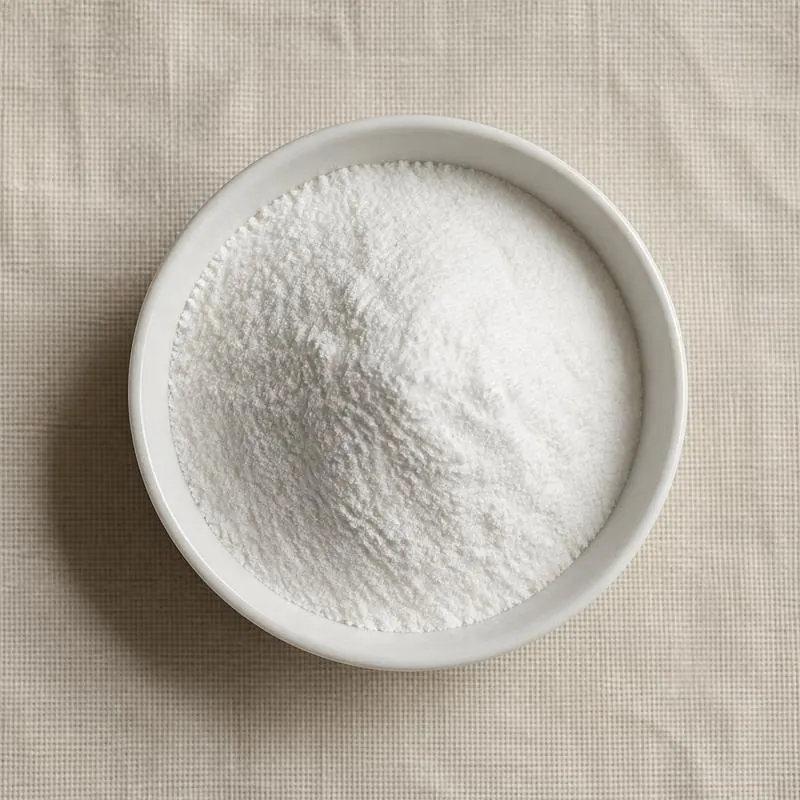
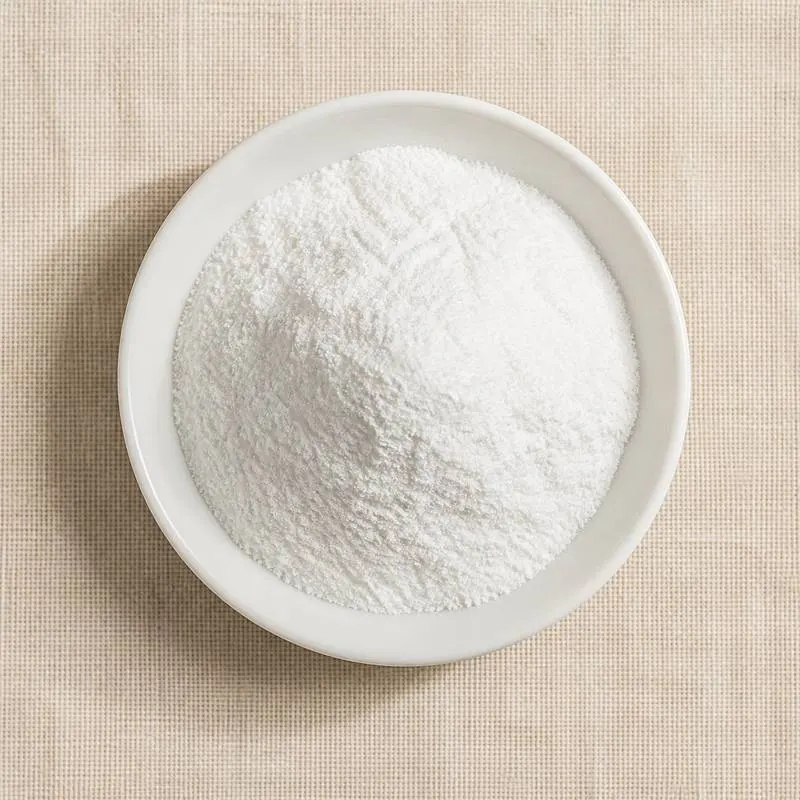
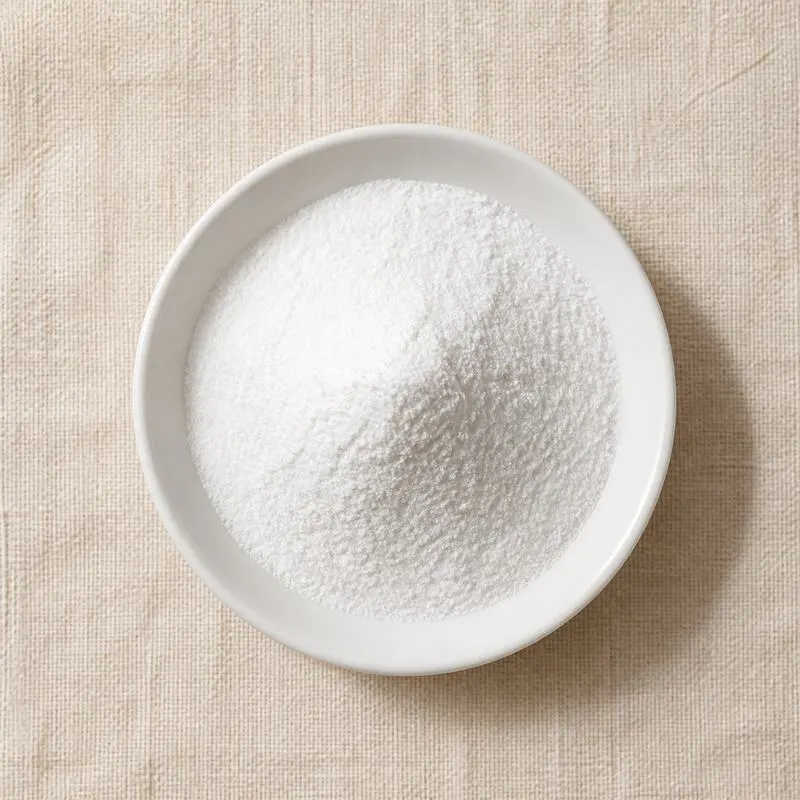
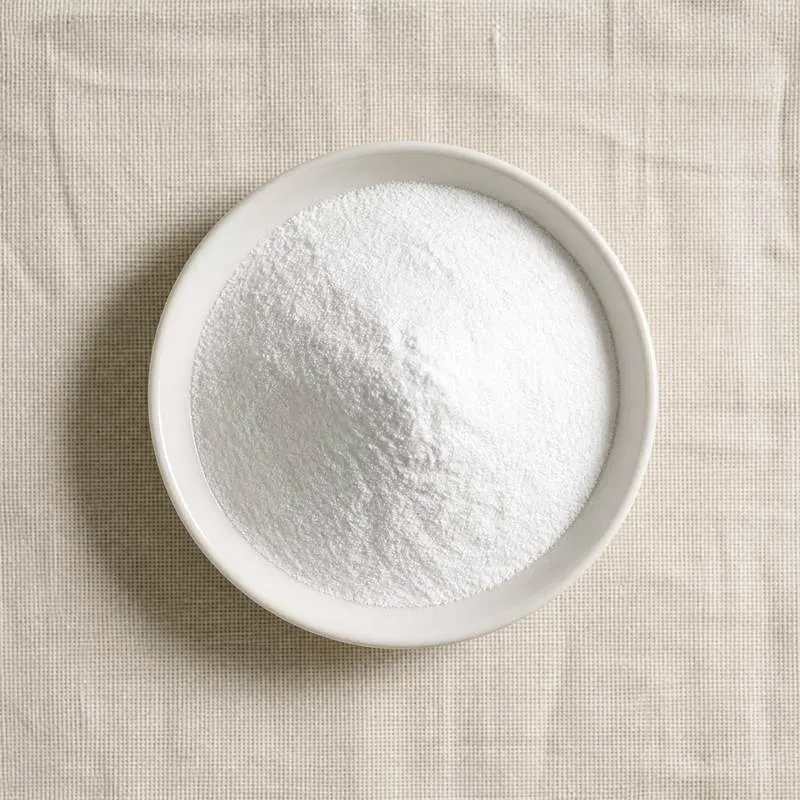
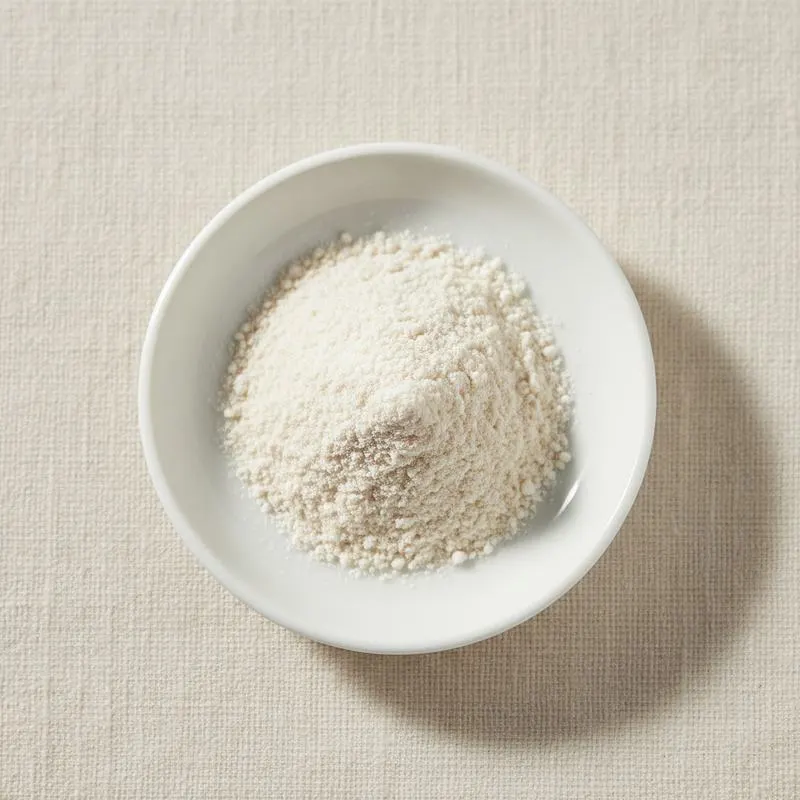
Commercial material is a light yellow to reddish-brown powder, the colour depending on assay and on how far the extract has been purified. It is soluble in water, freely soluble in ethanol and methanol, and poorly soluble in oils. Stability is good in acid and neutral solution and falls away above about pH 8, where the catechol groups oxidise readily; heat and light also degrade it, so extracts are stored cool and dark.
We source bulk Rosmarinic Acid from top China manufacturers for our partners. The manufacturers are in Guangdong and Henan. A smaller requirement can ship in a combined container with other ingredients.
Please send the grade you need, the volume and your destination port, and we will come back with a solution and a price.
or call +86-21-6858 0751
Specifications
| Item | Specification |
|---|---|
| Appearance | Light yellow to reddish-brown fine powder |
| Odour | Slight characteristic herbal |
| Rosmarinic acid by HPLC | Conforms to declared grade, 5% to 98% |
| Identification | HPLC retention and ultraviolet maximum near 330 nm match reference standard |
| Loss on drying | 5.0% max |
| Sulphated ash | 5.0% max |
| Residual ethanol | 5000 mg/kg max |
| Particle size | Passes 80 mesh |
| Heavy metals as Pb | 10 mg/kg max |
| Lead | 2 mg/kg max |
| Arsenic | 1 mg/kg max |
| Total plate count | 1000 cfu/g max |
| Yeast and mould | 100 cfu/g max |
| E. coli and Salmonella | Absent in 25 g |
Common Markets Grades
Material is traded as a standardised plant extract at declared assays, commonly 5, 10, 20 and 30 percent rosmarinic acid for food and beverage work, with 50 to 98 percent purified grades used in supplements, cosmetics and analytical work. The source plant is part of the specification because it determines the accompanying constituents: lemon balm and perilla extracts are the usual high-assay sources, while rosemary extracts of this type carry residual diterpenes and a herbal aroma.
Physical forms are the spray-dried powder, often carried on maltodextrin, a water-dispersible granulate for beverage dosing, and liquid extracts standardised in aqueous ethanol or glycerine. Deodorised and decolourised versions are made for pale drinks and dairy, since the untreated extract contributes both colour and a green herbal note.
Applications
- Herbal and functional beverages, both as an antioxidant and as the marker constituent the product is standardised on
- Brines, marinades and injection systems for meat and poultry, where a water-soluble antioxidant reaches the aqueous phase
- Emulsified dressings and sauces, working with an oil-soluble antioxidant on the other side of the interface
- Fish and seafood surface treatments, slowing lipid oxidation and colour loss
- Dairy and plant-based drinks, protecting added unsaturated oils and vitamins
- Dietary supplements based on lemon balm, perilla or rosemary polyphenols
- Instant tea and herbal extract powders, as the standardisation marker
- Skin care and oral care formulations, for its antioxidant and astringent character
- Pet food and premix applications where a plant-derived antioxidant is preferred
Brands Using Rosmarinic Acid
Widely-distributed consumer products that list Rosmarinic Acid on the ingredient label.
Brand names, product names and logos are the property of their owners. They appear here as published evidence that the ingredient is used, taken from the brand's own label or website. Their appearance is not an endorsement, and it does not mean the brand buys from us or from any manufacturer listed on this site.
China Manufacturers of Rosmarinic Acid
Top Rosmarinic Acid manufacturers in China.
 Guangzhou Honsea Sunshine Biotech Co., Ltd.20 ingredients in the directory
- Henan Jianyuan Rosemary Products Co., Ltd.7 ingredients in the directory
Company names and logos are the property of the manufacturers themselves. They are listed here because our own directory records them as producing this ingredient. A listing is not an endorsement by them, and we do not represent them or speak on their behalf.
Regulatory Status
Rosmarinic acid is not itself the subject of a food additive approval in the United States. It reaches food as a constituent of herbs and herbal extracts that have a long history of food use, and as a dietary ingredient in supplements; where a concentrated preparation is used specifically for a technical antioxidant effect, that use is normally supported by an independent generally recognised as safe determination for the particular preparation.
In the European Union the authorised rosemary antioxidant additive, E 392, is defined by its carnosic acid and carnosol content rather than by rosmarinic acid, so a rosmarinic acid concentrate is placed on the market as a plant extract ingredient under general food law rather than under the additives regulation. Highly purified or non-traditional preparations may fall within the scope of the novel food rules, and any botanical extract used as a flavouring is subject to the flavourings framework. Codex has no separate additive listing for the isolated compound.
Manufacturing Process
Dried leaf of lemon balm, perilla or rosemary is cleaned, destemmed and milled, then extracted with hot water or aqueous ethanol, typically in the range of 50 to 70 percent ethanol, in a countercurrent or multi-stage batch extractor. The miscella is filtered and clarified to remove leaf solids, waxes and part of the chlorophyll.
Enrichment is done on macroporous adsorbent resin. The clarified extract is loaded onto the column, sugars, salts and other polar ballast are washed off with water, and the polyphenol fraction is eluted with aqueous ethanol. The eluate is concentrated under vacuum with solvent recovery, then either spray dried directly, with maltodextrin added where a lower assay is wanted, or crystallised from an alcohol and water mixture for high purity grades. The dried powder is milled, sieved and blended to the declared assay.