S-Acetyl-L-Glutathione
S-Acetyl-L-glutathione is the S-acetylated derivative of reduced glutathione, the tripeptide of L-glutamic acid, L-cysteine and glycine, in which an acetyl group is bound to the sulphur atom of the cysteine residue. Blocking the thiol removes the reactive centre that causes ordinary reduced glutathione to oxidise to its disulphide form, so the acetylated molecule is far more stable in air, in acid and in the presence of trace metals than the parent peptide.
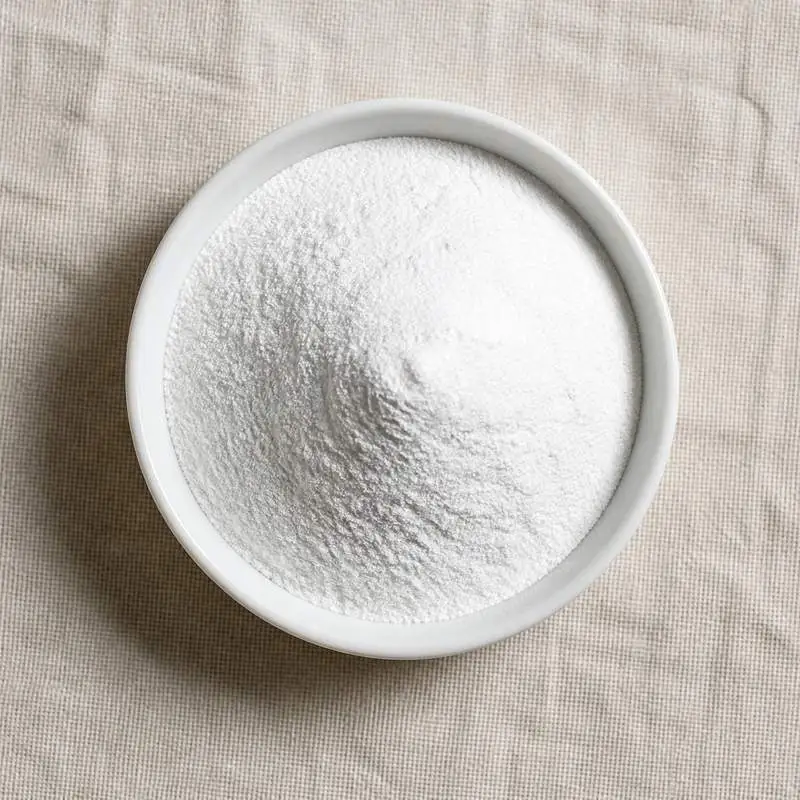
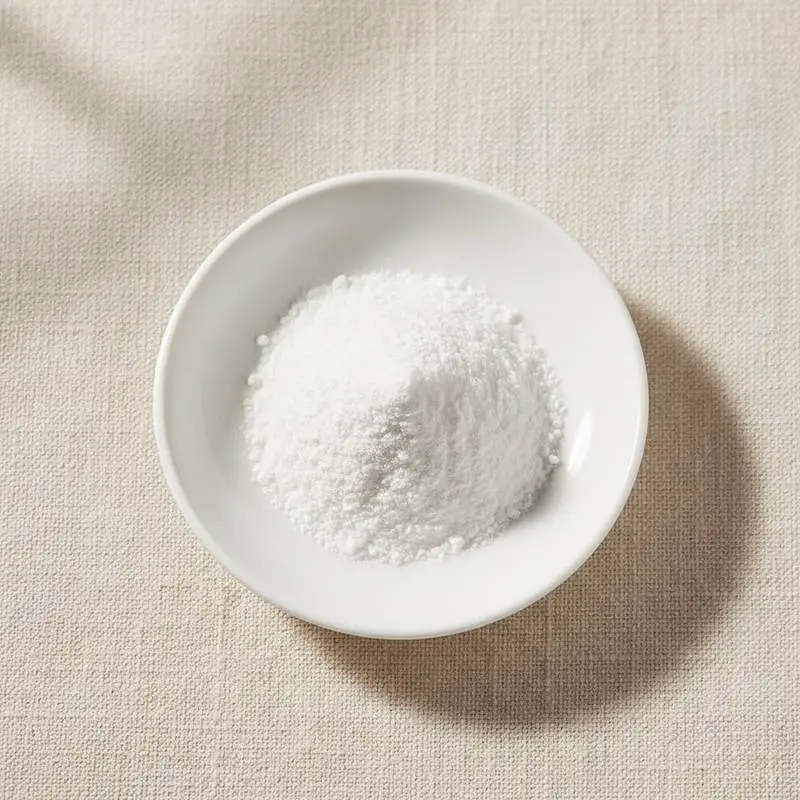
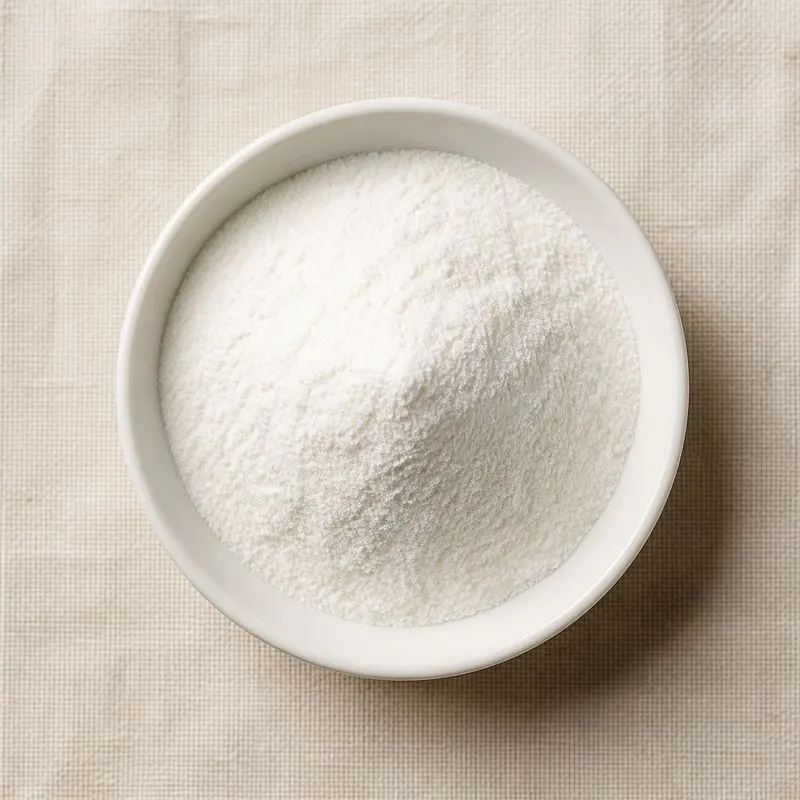
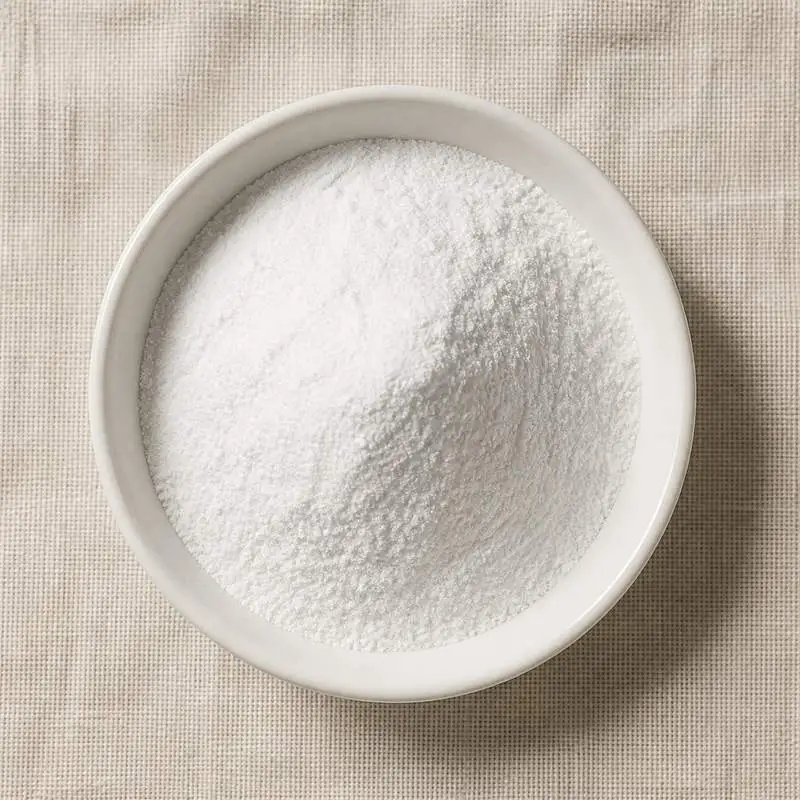
It is a white to off-white crystalline powder with a faint sulphurous odour and a molecular weight of about 349. Assay is determined by HPLC against a reference standard, and the specification usually carries a separate limit for free glutathione, which indicates how far the acetyl group has hydrolysed during manufacture or storage. Solubility in water is moderate, roughly comparable to glutathione itself, and solutions are most stable in the slightly acidic range; the acetyl bond hydrolyses steadily above pH 7 and quickly at elevated temperature.
Functionally the ingredient serves as a delivery form of glutathione rather than as an additive with a technological role in food. It is handled as a heat sensitive nutraceutical active, dosed at milligram level into finished formats and protected from moisture, since the powder is hygroscopic and cakes readily in humid warehousing.
We source bulk S-Acetyl-L-Glutathione from top China manufacturers for our partners. The manufacturer is in Anhui. A smaller requirement can ship in a combined container with other ingredients.
Please send the grade you need, the volume and your destination port, and we will come back with a solution and a price.
or call +86-21-6858 0751
- Function
- Nutraceutical
Specifications
| Item | Specification |
|---|---|
| Appearance | White to off-white crystalline powder |
| Odour | Characteristic, faintly sulphurous |
| Assay, HPLC, dried basis | 98.0 to 101.0 percent |
| Identification | Infrared spectrum and HPLC retention time conform to reference standard |
| Free L-glutathione | Not more than 2.0 percent |
| Specific optical rotation | Minus 15 to minus 25 degrees, c equals 1 in water |
| Loss on drying | Not more than 1.0 percent |
| Residue on ignition | Not more than 0.5 percent |
| pH, 1 percent solution | 3.0 to 4.5 |
| Heavy metals, as lead | Not more than 10 mg/kg |
| Lead | Not more than 1.0 mg/kg |
| Arsenic | Not more than 1.0 mg/kg |
| Residual solvents | Within ICH Q3C limits for solvents used |
| Total plate count | Not more than 1000 cfu/g |
Common Markets Grades
The material is traded essentially as one specification, a nutraceutical or supplement grade assaying 98 to 101 percent on the dried basis by HPLC, with free glutathione controlled to a low single figure percentage and residual solvents limited according to the route used. There is no separate food grade and no feed grade in normal commerce; the price and the handling requirements confine it to supplements and to a small amount of use in cosmetic formulation, where the same powder is sold against a cosmetic specification.
Physical options are limited to particle size and to protective formats. Standard powder passes 80 mesh; a finer micronised cut is offered where dispersion into a liquid stick pack matters. Beyond that, buyers specify sublingual grades blended with a carrier and flavour, liposomal dispersions where the acetylated peptide is carried in a phospholipid matrix, and enteric coated or microencapsulated powders intended to limit hydrolysis in the stomach. Blended and coated forms are declared at a stated active percentage rather than at full assay.
Applications
- Capsules and tablets, as a stable single ingredient antioxidant active where plain reduced glutathione would oxidise during shelf life
- Sublingual tablets and orally disintegrating films, where the acetylated form survives contact with saliva better than the free thiol
- Liposomal and phospholipid dispersions sold as liquid supplements, where it forms the encapsulated core
- Effervescent and stick pack powders for reconstitution, where the blocked thiol prevents the sulphurous off notes that free glutathione develops on dissolution
- Sports nutrition formulas, combined with N-acetylcysteine and alpha lipoic acid in recovery blends
- Skin brightening supplements, the largest single application in East and Southeast Asian markets, usually with vitamin C and L-cysteine
- Liver support and detoxification formulas, paired with milk thistle extract and B vitamins
- Topical serums and creams, where the improved oxidative stability allows a meaningful assay to be held through the shelf life of an aqueous emulsion
Brands Using S-Acetyl-L-Glutathione
Widely-distributed consumer products that list S-Acetyl-L-Glutathione on the ingredient label.
Brand names, product names and logos are the property of their owners. They appear here as published evidence that the ingredient is used, taken from the brand's own label or website. Their appearance is not an endorsement, and it does not mean the brand buys from us or from any manufacturer listed on this site.
China Manufacturers of S-Acetyl-L-Glutathione
Top S-Acetyl-L-Glutathione manufacturers in China.

Company names and logos are the property of the manufacturers themselves. They are listed here because our own directory records them as producing this ingredient. A listing is not an endorsement by them, and we do not represent them or speak on their behalf.
Regulatory Status
In the United States S-acetyl-L-glutathione is sold as a dietary ingredient in supplements under the Dietary Supplement Health and Education Act rather than as a food additive; it does not carry a GRAS notification for general food use, and glutathione itself is the more commonly notified substance. Manufacture for the supplement market is subject to the dietary supplement current good manufacturing practice rules in 21 CFR Part 111.
In the European Union the acetylated derivative has no authorisation as a food additive and no E number, and it is not an established food supplement ingredient across the bloc; placing it on the EU market would bring it under the novel food framework, since a history of significant consumption before May 1997 is not established for this form. National positions on reduced glutathione in supplements vary between member states and do not extend automatically to the acetylated derivative. There is no Codex commodity standard and no JECFA evaluation covering it. Purity is normally specified against pharmacopoeial style limits for heavy metals and residual solvents, with the residual solvent limits following the ICH classification for the solvents used in the acetylation and crystallisation.
Manufacturing Process
Manufacture starts from reduced L-glutathione, which is produced separately by fed batch fermentation of a selected yeast, usually a strain of Saccharomyces cerevisiae or Candida utilis, followed by cell disruption, ion exchange capture and crystallisation. The purified tripeptide is dissolved in an acidic aqueous or aqueous organic medium and treated with acetic anhydride under controlled temperature and pH so that acetylation occurs selectively at the cysteine thiol rather than at the free amino group of the glutamic acid residue. Temperature is held low and the addition is slow, because the two competing reactions differ mainly in rate.
The reaction mixture is quenched, and residual acetic acid and anhydride are removed by distillation or by washing. The crude product is decolourised on activated carbon, filtered, and crystallised by antisolvent addition or by controlled cooling, with one or two recrystallisations used to bring the free glutathione content down and to remove the N-acetyl isomer. Crystals are separated by centrifugation, washed, and dried under vacuum at low temperature to avoid hydrolysing the acetyl bond, then milled and sieved to the required cut and packed with a desiccant under nitrogen.