Semi Refined Iota Carrageenan
Semi Refined Iota Carrageenan is a sulphated galactan made from the red seaweed Eucheuma denticulatum, known in the trade as spinosum, by alkali cooking the whole weed and drying it without ever dissolving and reprecipitating the polysaccharide.
The iota chain alternates 3-linked β-D-galactose-4-sulphate with 4-linked 3,6-anhydro-α-D-galactose-2-sulphate. That extra sulphate on the anhydro unit is the whole story of how iota behaves: it carries more charge than kappa, so the helices associate more loosely and the gel that forms is soft, elastic and free of the water release that plagues kappa gels. Because the semi refined route leaves the cellulosic cell wall in place, the finished powder still contains a substantial acid insoluble fraction.
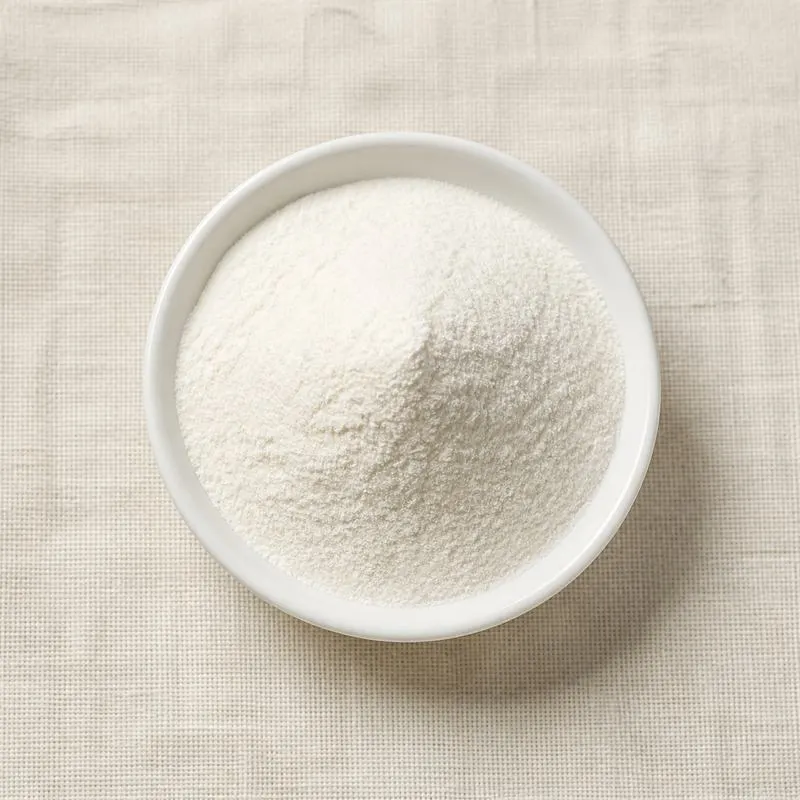
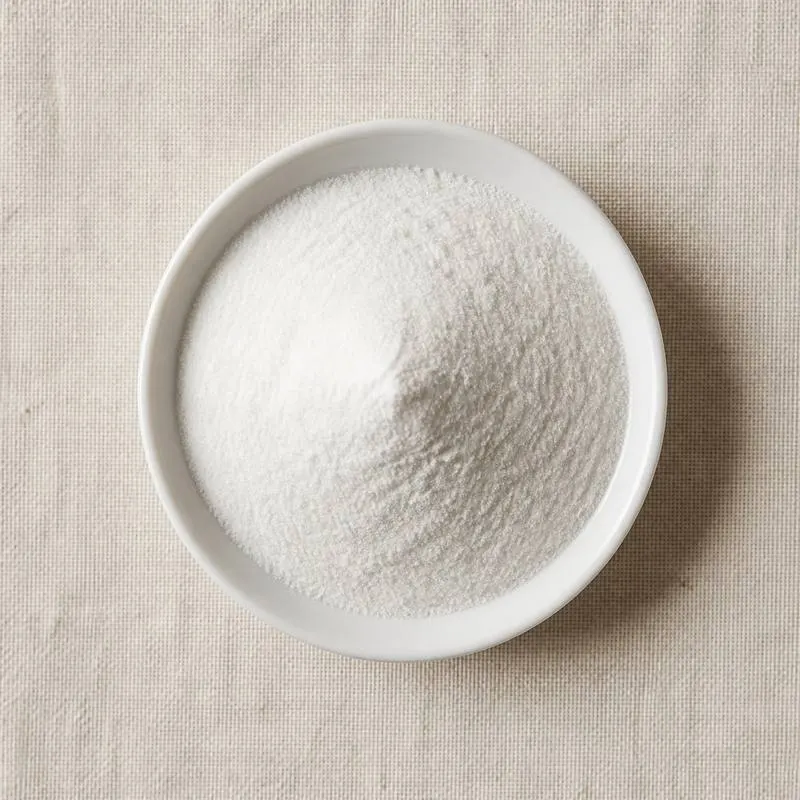
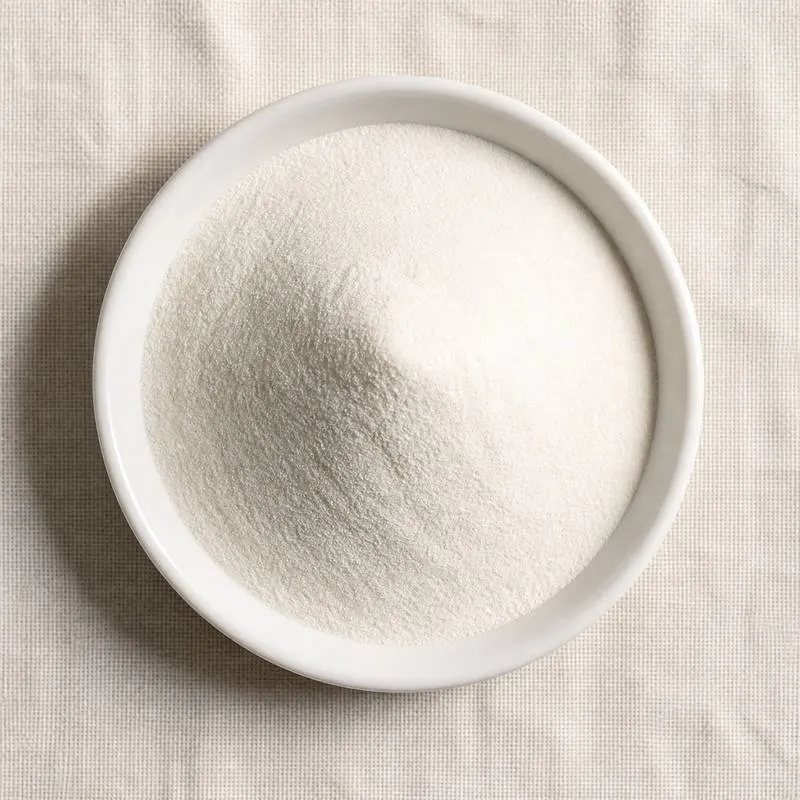
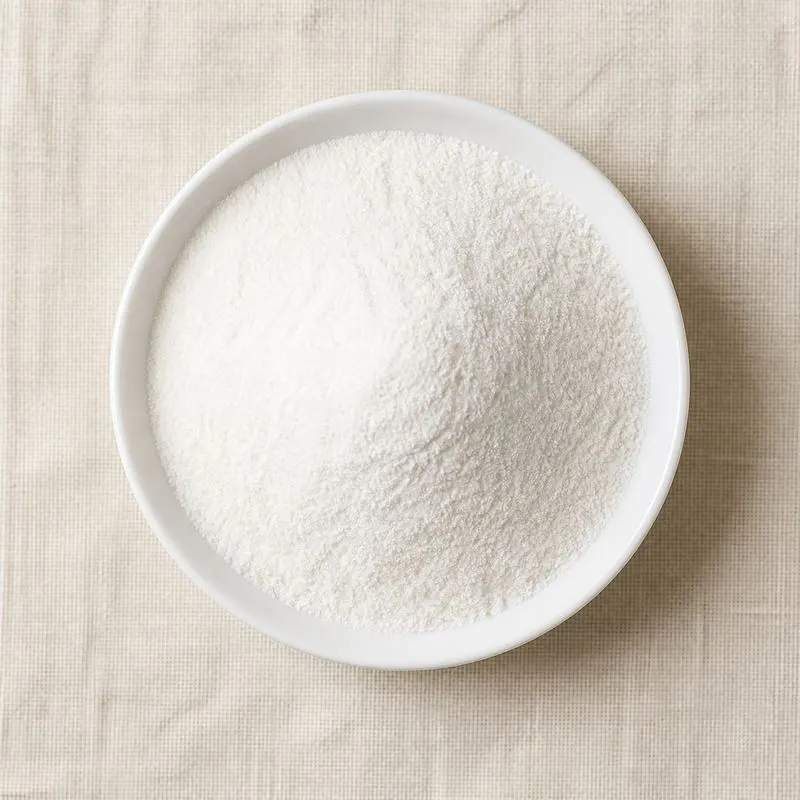
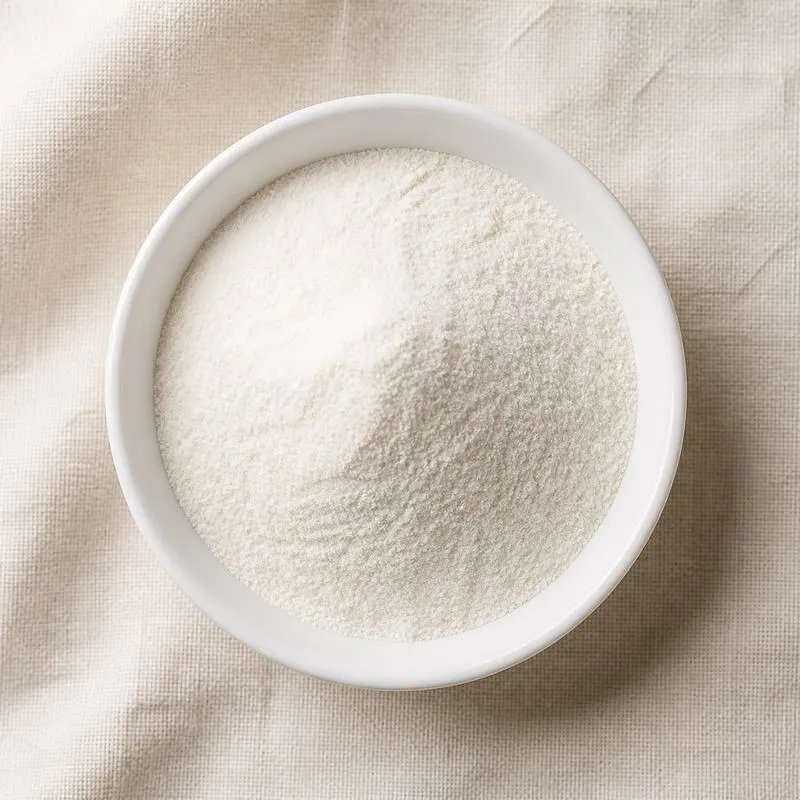
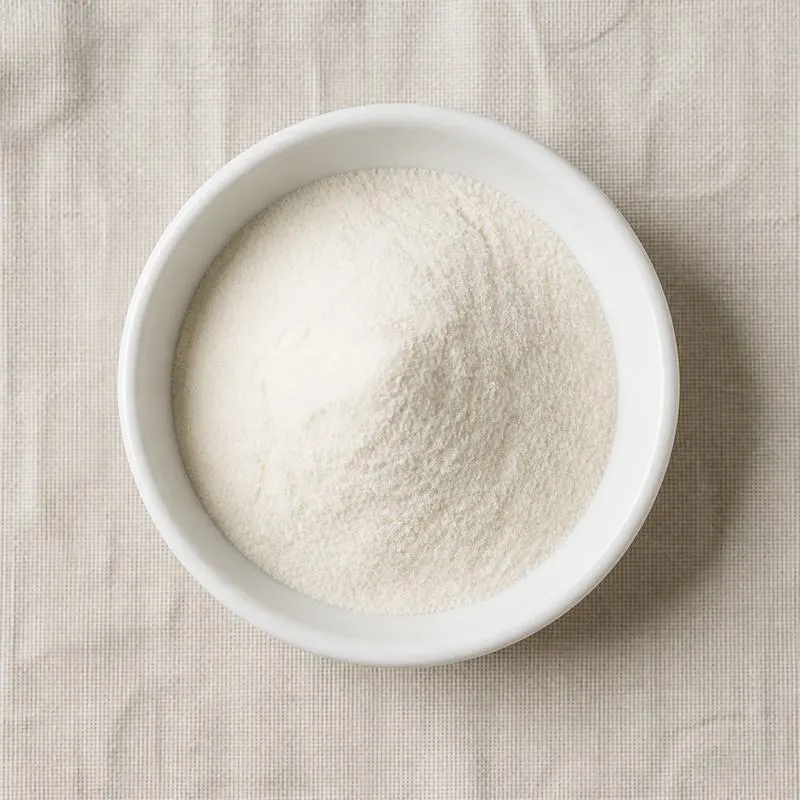
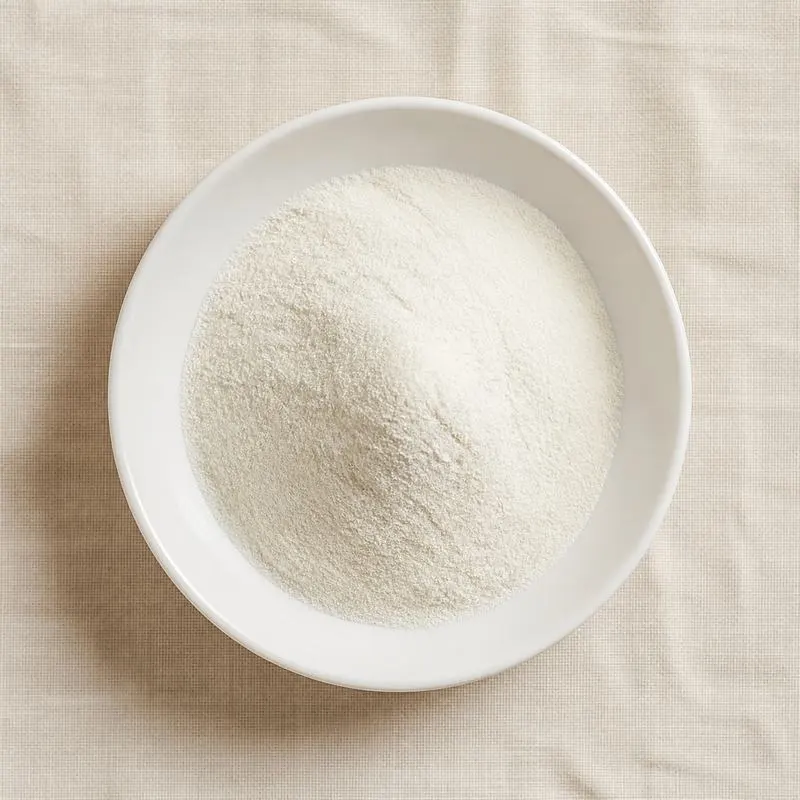
It is a cream to light tan powder with a faint marine odour. Full hydration requires heating above roughly 70 degrees Celsius, and the gel sets on cooling in the presence of calcium ions rather than potassium. Iota gels are thixotropic, rebuilding after stirring, and they survive freeze thaw cycling without weeping, which is the property that puts iota into frozen and chilled desserts. The polymer is stable at neutral and alkaline pH and hydrolyses under hot acid conditions, so it is dosed late in acidic processes, and like all carrageenans it reacts with milk casein.
We source bulk Semi Refined Iota Carrageenan from top China manufacturers for our partners. The manufacturer is in Fujian. A smaller requirement can ship in a combined container with other ingredients.
Please send the grade you need, the volume and your destination port, and we will come back with a solution and a price.
or call +86-21-6858 0751
- Function
- Thickener / Hydrocolloid
Specifications
| Item | Specification |
|---|---|
| Appearance | Cream to light tan powder |
| Odour | Faint characteristic seaweed odour |
| Identification | Infrared spectrum characteristic of iota carrageenan |
| Gel Strength, 1.5% in 0.2% CaCl₂ | 200 to 500 g/cm² |
| Viscosity, 1.5% at 75 °C | ≥ 30 mPa.s |
| Acid Insoluble Matter | 8 to 15% |
| Loss on Drying | ≤ 12% |
| Sulphate, as sulphate | 18 to 40% |
| Total Ash | 15 to 40% |
| pH, 1% solution | 8.0 to 11.0 |
| Lead | ≤ 2.0 mg/kg |
| Arsenic | ≤ 3.0 mg/kg |
| Total Plate Count | ≤ 5,000 cfu/g |
| Salmonella | Absent in 25 g |
Common Markets Grades
Food grades are alkali cooked, washed and dried, then standardised with sucrose, dextrose or salts to a declared gel strength measured in a calcium chloride solution. Alkali modified flour grades, in which the cook liquor is dried down with the weed and the salt and colour load is higher, are traded mainly for pet food and technical applications.
The specifications a buyer sets are gel strength, viscosity, acid insoluble matter, colour and mesh. Bleached grades are offered where a pale finished product is required, and unbleached material is cheaper and used where colour is masked. Blends are common: iota with kappa to tune brittleness against elasticity, iota with locust bean gum or starch for dessert systems, and iota with calcium salts pre-added so that the gel sets reproducibly in low calcium water.
Applications
- Dairy desserts, flans and panna cotta, setting a soft elastic gel that releases cleanly from the mould
- Frozen desserts and freeze thaw stable fillings, where the gel rebuilds after thawing without weeping
- Cream and dessert sauces, giving body and a thixotropic flow that thickens again at rest
- Cold prepared jellies and vegan gelatin replacements, delivering elasticity closer to gelatin than kappa can
- Processed meat brines, holding water and improving slice cohesion in low salt formulations
- Pet food loaf and chunk in jelly products, setting the jelly phase after retorting
- Toothpaste and oral gels, as a binder that keeps the abrasive phase suspended
- Air freshener gels and gel candles, as a structuring agent in non food use
- Plant based milks and creamers, stabilising the suspension and adding mouthfeel
China Manufacturers of Semi Refined Iota Carrageenan
Top Semi Refined Iota Carrageenan manufacturers in China.

Company names and logos are the property of the manufacturers themselves. They are listed here because our own directory records them as producing this ingredient. A listing is not an endorsement by them, and we do not represent them or speak on their behalf.
Regulatory Status
In the European Union Regulation (EC) No 1333/2008 authorises processed Eucheuma seaweed as E407a, distinct from refined carrageenan which carries E407. The two are separated in the specifications regulation chiefly by acid insoluble matter, and E407a has its own conditions of use, including restrictions relevant to infant formula.
In the United States carrageenan is a permitted food additive under 21 CFR 172.620, and semi refined material is sold under that listing. JECFA has evaluated carrageenan and processed Eucheuma seaweed and issued identity and purity specifications for both, and Codex lists them in the General Standard for Food Additives as thickeners, gelling agents and stabilisers. Use in infant formula has been the subject of repeated review and remains restricted in several markets, so the destination application should be confirmed against local rules.
Manufacturing Process
Dried Eucheuma denticulatum is cleaned of sand, shell fragments and cultivation rope, then cooked in a hot alkaline solution. The alkali eliminates sulphate from precursor units to form 3,6-anhydrogalactose, which is what builds gel strength, while calcium and potassium in the cook keep the carrageenan gelled inside the cell wall so that it does not leach into the liquor. Time, temperature and alkali strength are balanced against polymer degradation.
The cooked weed is drained and washed with fresh water through several stages to remove residual alkali and soluble salts, with an optional hypochlorite or peroxide bleach for pale grades. It is then pressed to remove water, dried in a hot air or rotary dryer, milled and screened to mesh. Since the polysaccharide is never taken into solution, the cellulose of the cell wall remains in the finished powder and the acid insoluble figure stays high. Final lots are blended with sugars or salts to a standard gel strength before packing.