Serrapeptidase
Serrapeptidase, also written serratiopeptidase, is a zinc-dependent metalloprotease produced by Serratia species originally isolated from the gut of the silkworm, where the enzyme dissolves the cocoon so that the emerging moth can escape. It is a proteolytic enzyme of about 50 kilodaltons that hydrolyses a broad range of protein substrates, with reported activity against fibrin, casein and denatured collagen.
It is not a food processing enzyme. The material is traded almost entirely as a nutraceutical and pharmaceutical ingredient, sold into capsule, tablet and softgel products, and in several countries it has historically been dispensed as a prescription medicine rather than a supplement. Because the intended action is systemic rather than digestive, formulations are built to carry the enzyme past the stomach intact.
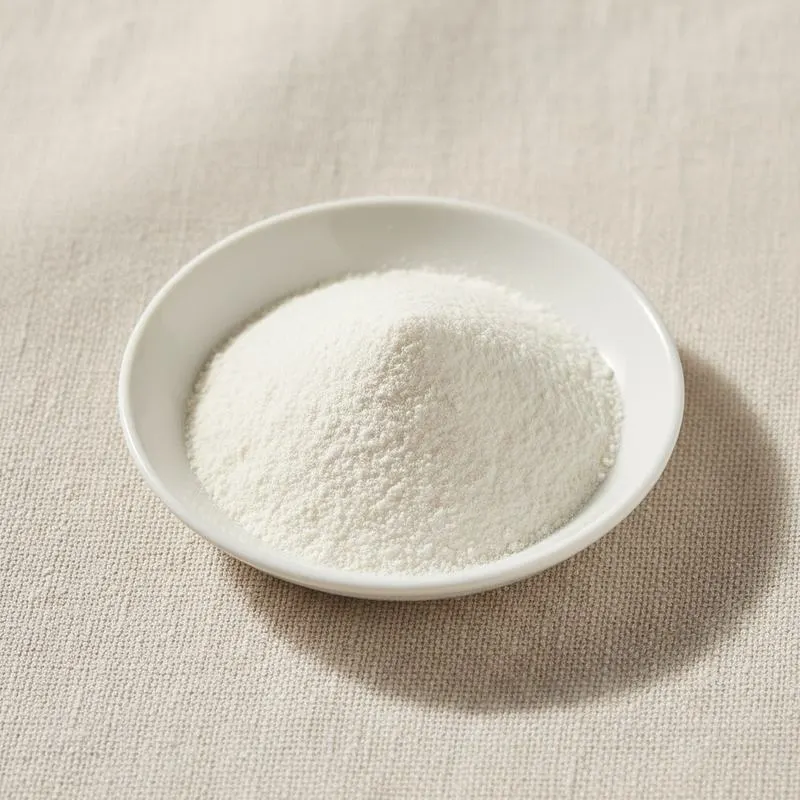
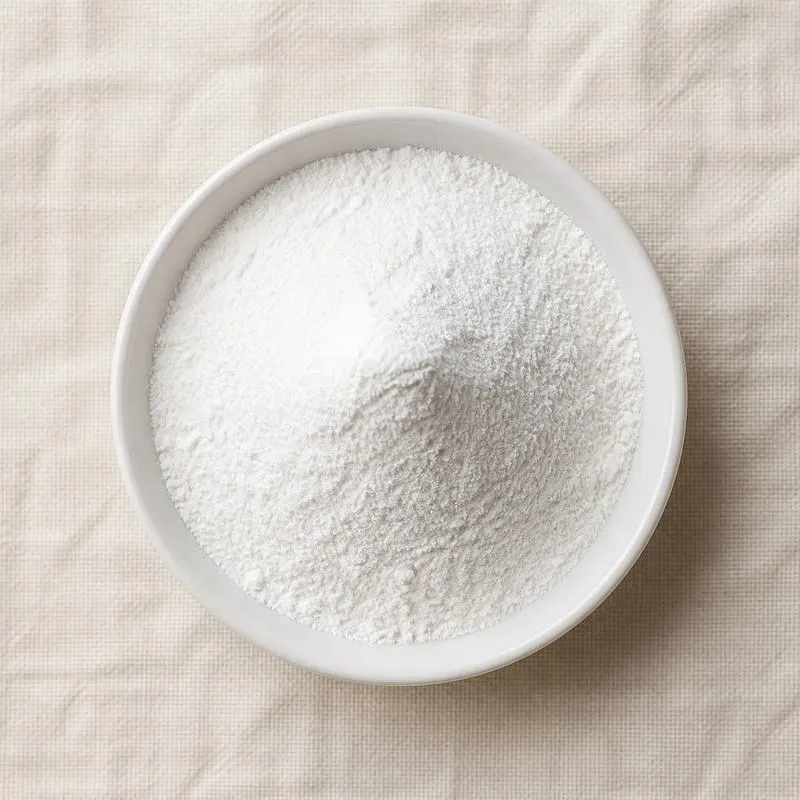
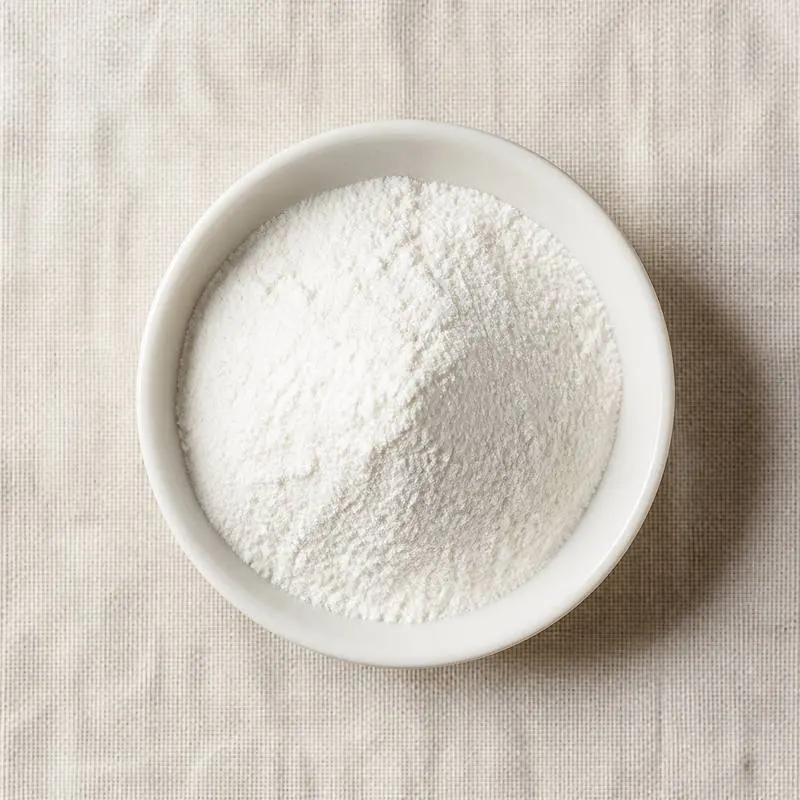
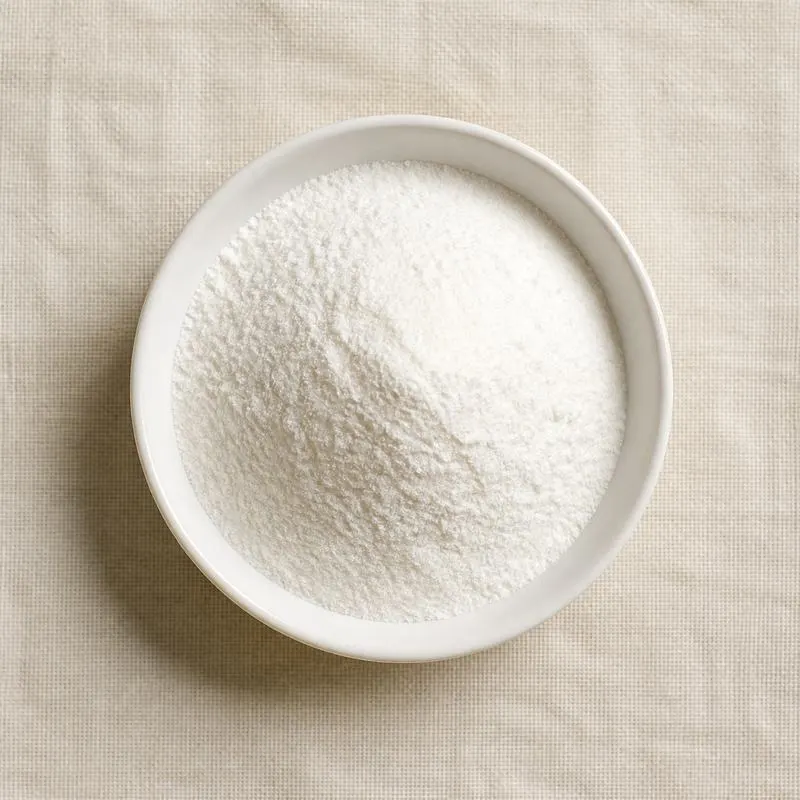
The commercial product is an off-white to pale beige powder standardised to a declared proteolytic activity in serratiopeptidase units per gram, usually blended with a carrier such as maltodextrin or dicalcium phosphate. It is soluble in water and buffer, works near neutral pH at body temperature, and is inactivated by gastric acid, which is why the powder is enteric coated or delivered in delayed-release capsules rather than as a plain compressed tablet.
We source bulk Serrapeptidase from top China manufacturers for our partners. The manufacturer is in Zhejiang. A smaller requirement can ship in a combined container with other ingredients.
Please send the grade you need, the volume and your destination port, and we will come back with a solution and a price.
or call +86-21-6858 0751
- Function
- Enzyme
Specifications
| Item | Specification |
|---|---|
| Appearance | Off-white to pale beige powder |
| Declared Activity | 20,000 units/g minimum or as label claim |
| Identification | Proteolytic activity confirmed on casein substrate |
| Optimum pH | 7.0 to 9.0 |
| Loss on Drying | ≤ 6.0% |
| Residue on Ignition | ≤ 10.0% |
| Bacterial Endotoxin | Complies with stated limit for the grade |
| Heavy Metals (as Pb) | ≤ 10 mg/kg |
| Lead | ≤ 2 mg/kg |
| Arsenic | ≤ 2 mg/kg |
| Total Plate Count | ≤ 10,000 cfu/g |
| E. coli | Absent in 10 g |
| Salmonella | Absent in 25 g |
| Staphylococcus aureus | Absent in 10 g |
Common Markets Grades
Grades are set by declared activity in units per gram, with commercial material commonly standardised at levels such as 20,000 units per gram upwards, and by the delivery form. Uncoated powder is used for encapsulation into enteric capsules, while enteric coated granules and microspheres carry a polymer layer that resists gastric acid and dissolves in the small intestine. The coating specification, including the pH at which the coat releases, is as much a part of the grade as the enzyme activity.
Purity levels run from standard supplement grade to pharmaceutical grade with tighter microbiological, residual solvent and heavy metal limits. Because Serratia is a Gram-negative organism, endotoxin content is a routine specification item for the higher grades. Blended products combining serrapeptidase with nattokinase, bromelain and other proteases are traded as systemic enzyme complexes rather than as single-activity material.
Applications
- Systemic enzyme supplements, formulated in enteric coated capsules and tablets for the nutraceutical market
- Joint and mobility supplement blends, combined with glucosamine, chondroitin, boswellia and curcumin
- Combination proteolytic enzyme products, blended with nattokinase, bromelain, papain and rutin
- Sports recovery formulations, marketed for post-exercise comfort in enzyme blends
- Respiratory comfort supplements, where the enzyme is included for its reported effect on mucus viscosity
- Pharmaceutical preparations in markets where the enzyme is registered as a medicinal product
- Topical and cosmetic formulations, used at low levels in enzyme exfoliant systems
- Veterinary supplement products, formulated in the same enzyme blend format
- Laboratory reagent use, as a broad specificity metalloprotease in protein research
Brands Using Serrapeptidase
Widely-distributed consumer products that list Serrapeptidase on the ingredient label.
- Double Wood SupplementsSerrapeptase 120,000 SPU Capsules ↗A single-ingredient capsule of serrapeptase, the proteolytic enzyme produced by silkworms, sold as a standalone enzyme supplement.Label verified 2026-08-31
- NutricostSerrapeptase 120,000 SPU Capsules ↗Each capsule provides 20 mg of serrapeptase standardised to 120,000 SPU of enzyme activity.Label verified 2026-08-31
- NutricostSerrapeptase 40,000 SPU Capsules ↗A lower activity version delivering 40,000 SPU of serrapeptase per single-capsule serving.Label verified 2026-08-31
- CodeageHair Vitamins Platinum ↗The hair formula includes a digestive enzyme blend in which serrapeptase appears alongside bromelain.Label verified 2026-08-31
Brand names, product names and logos are the property of their owners. They appear here as published evidence that the ingredient is used, taken from the brand's own label or website. Their appearance is not an endorsement, and it does not mean the brand buys from us or from any manufacturer listed on this site.
China Manufacturers of Serrapeptidase
Top Serrapeptidase manufacturers in China.
Company names and logos are the property of the manufacturers themselves. They are listed here because our own directory records them as producing this ingredient. A listing is not an endorsement by them, and we do not represent them or speak on their behalf.
Regulatory Status
Serrapeptidase does not have food additive or generally recognised as safe status in the United States for use as a food ingredient. It is marketed there as a dietary supplement ingredient under the dietary supplement rules, manufactured to the good manufacturing practice requirements of 21 CFR Part 111, and any label statements are limited to structure and function claims with the required disclaimer. The Food and Drug Administration has taken action against products making disease treatment claims for this enzyme.
Status elsewhere varies more than for most ingredients. In several Asian markets serrapeptidase has been registered and sold as a prescription medicine rather than a supplement, and some regulators have withdrawn or restricted those registrations on efficacy grounds. In the European Union it is not an authorised food enzyme and carries no approved health claim, and national authorities differ on whether it may be sold as a food supplement at all, so market access is assessed country by country. Buyers confirm the position in the destination market before committing to a formulation.
Manufacturing Process
Serrapeptidase is produced by submerged aerobic fermentation of a Serratia strain. A working cell bank is grown through seed stages into a stirred aerated fermenter charged with a carbohydrate source, an organic nitrogen source such as soy peptone or corn steep liquor, and mineral salts including the zinc the enzyme requires at its active site. The culture is held under controlled temperature, pH and dissolved oxygen for one to several days while the enzyme is secreted into the broth.
Recovery removes the cells by centrifugation and microfiltration, and the clarified broth is concentrated and desalted by ultrafiltration. Because the source organism is Gram-negative, purification is more extensive than for a typical food enzyme: fractional precipitation and one or more chromatographic steps are used to separate the enzyme from cell wall material and to bring endotoxin within specification. The purified concentrate is blended with carrier and freeze dried or spray dried at a low inlet temperature, then assayed, standardised to the declared activity, and either packed as powder or taken forward to enteric coating in a fluid bed.