Sodium Lactate and Sodium Diacetate Blend
A sodium lactate and sodium diacetate blend is a two component antimicrobial preparation combining the sodium salt of lactic acid with the molecular compound of sodium acetate and acetic acid. It is the standard listeria control system for ready to eat meat and poultry in the United States and is the most widely used organic acid salt combination in processed meat generally.
The two components work in different ways, which is why they are sold together rather than separately. Sodium lactate is a strongly humectant salt that lowers the water activity of a meat batter and, at the levels used, extends the lag phase of Listeria monocytogenes and lactic acid bacteria without adding sourness. Sodium diacetate acts as a source of undissociated acetic acid, which crosses the bacterial membrane and acidifies the cytoplasm, and it is markedly more effective per unit weight than lactate but carries a vinegar note that limits how much can be added. In combination the diacetate supplies the antimicrobial potency and the lactate supplies the bulk water activity effect and masks the acetic flavour, so a blend achieves a longer inhibition period than either component alone while keeping the taste acceptable.
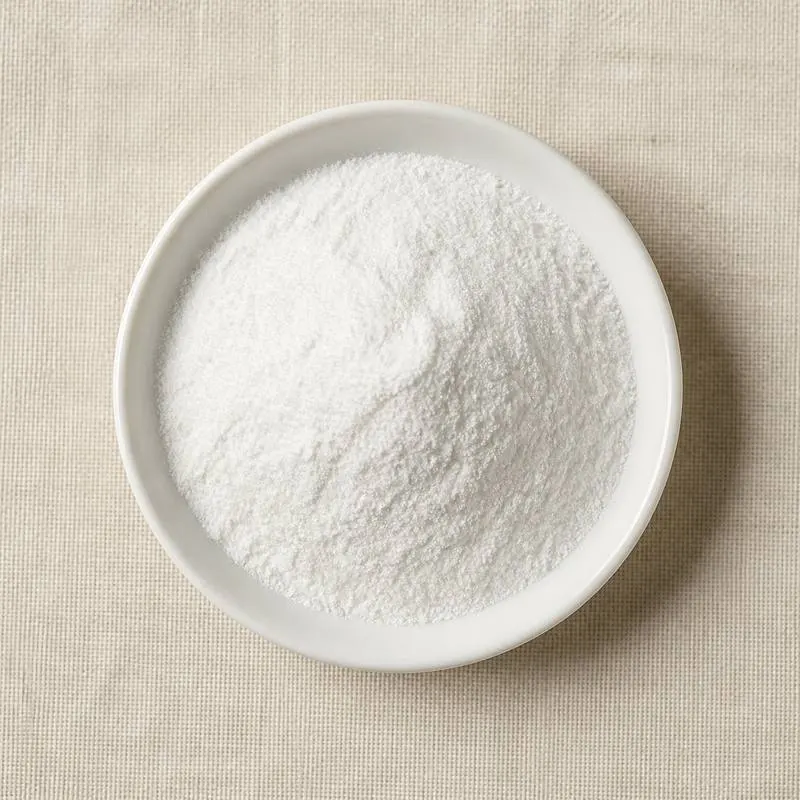
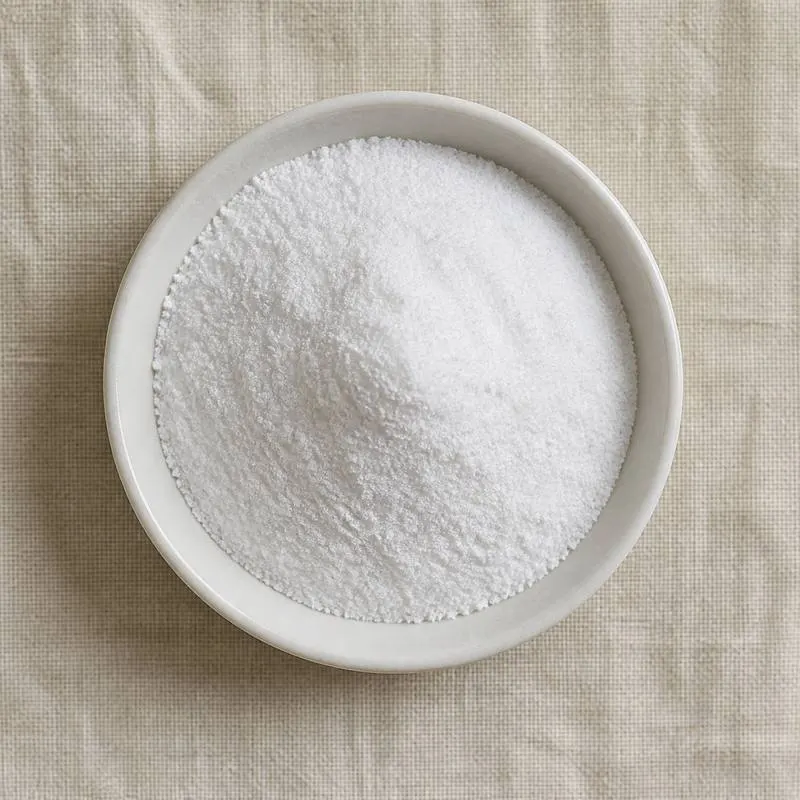
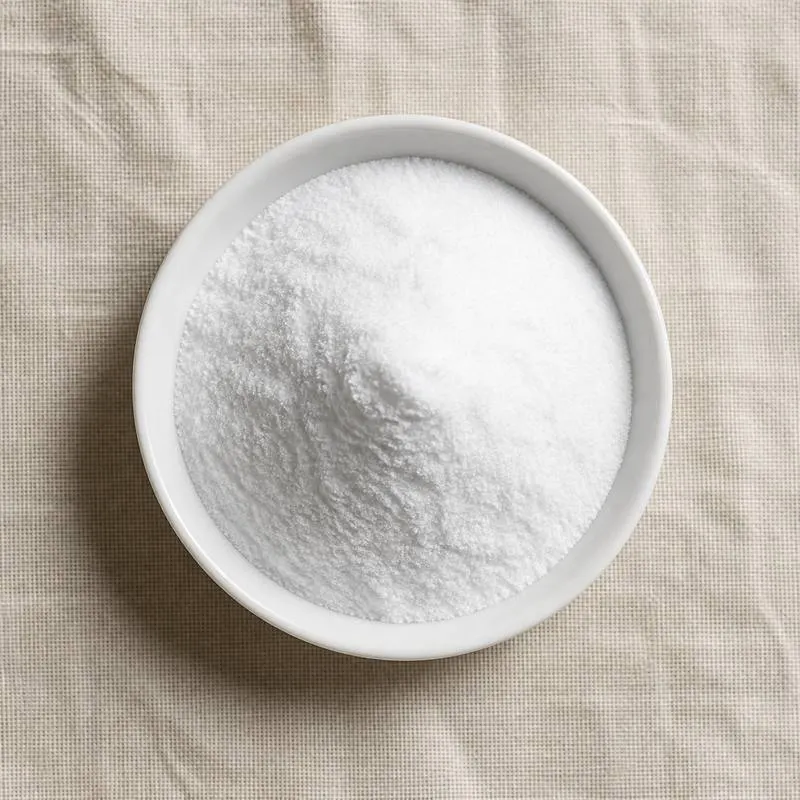
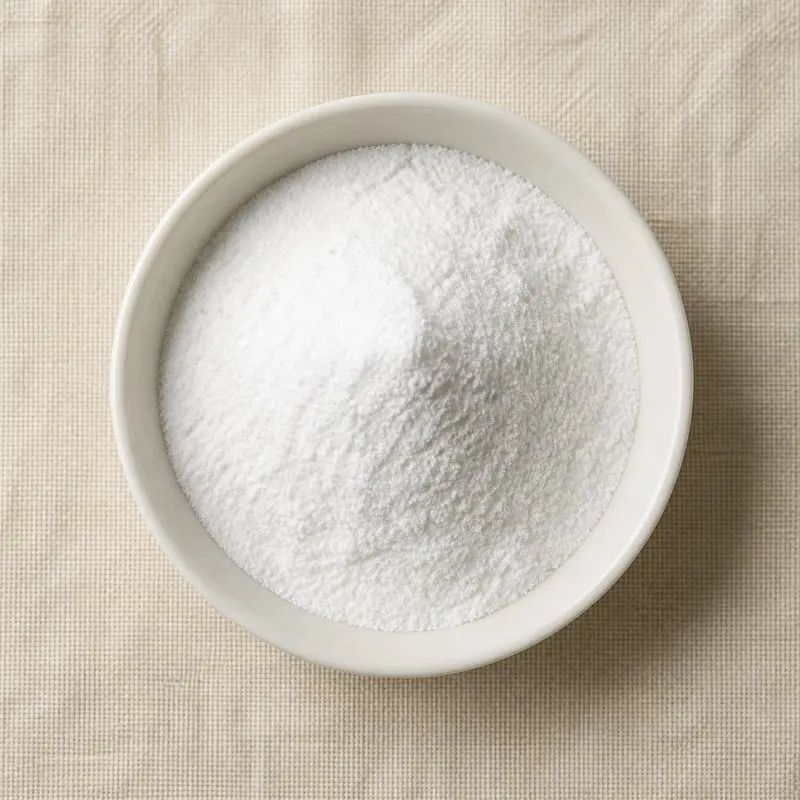
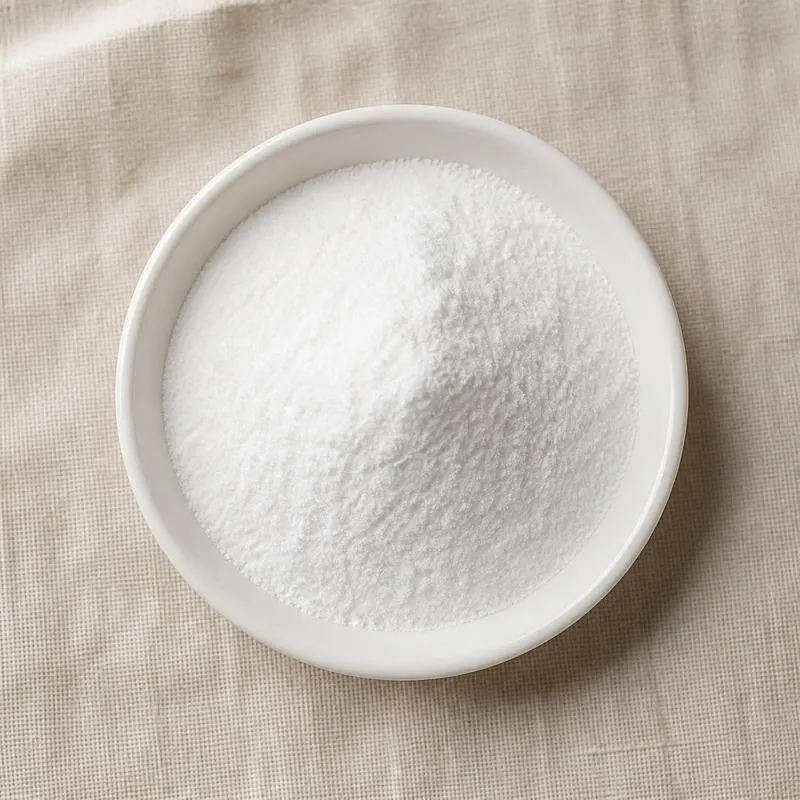
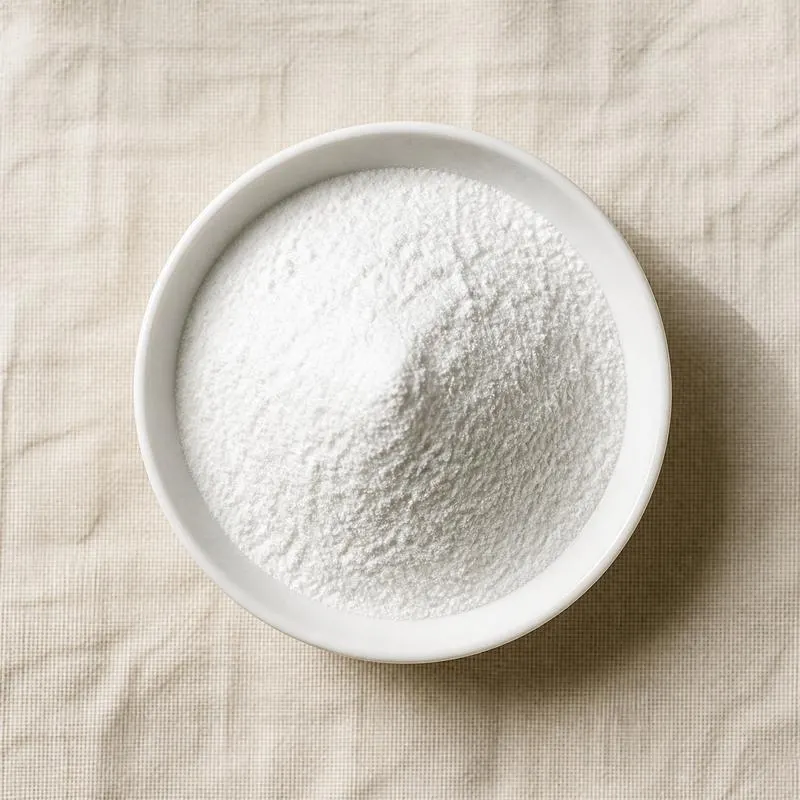
The blend is traded in two physical forms. The liquid is a clear to slightly straw coloured syrupy solution, typically around sixty percent total solids, fully miscible with water and added to brine or emulsion. The dry form is a white free flowing powder in which the lactate has been spray dried onto a carrier and dry blended with the crystalline diacetate, and is used where liquid addition would upset the water balance of the formulation.
We source bulk Sodium Lactate and Sodium Diacetate Blend from top China manufacturers for our partners. The manufacturer is in Shandong. A smaller requirement can ship in a combined container with other ingredients.
Please send the grade you need, the volume and your destination port, and we will come back with a solution and a price.
or call +86-21-6858 0751

Specifications
| Item | Specification |
|---|---|
| Appearance | Clear to slightly straw coloured syrupy liquid |
| Odour | Odourless to faintly acetic |
| Sodium Lactate Content | 58.0 to 62.0 percent by weight |
| Sodium Diacetate Content | Conforms to declared level, 95 to 105 percent of claim |
| Identification | Lactate and acetate confirmed by chromatography |
| pH of Solution as Supplied | 6.5 to 8.5 |
| Specific Gravity at 25 C | 1.30 to 1.34 |
| Colour (APHA) | Not more than 50 |
| Reducing Sugars | Not more than 0.1 percent |
| Chloride | Not more than 0.1 percent |
| Sulphate | Not more than 0.1 percent |
| Lead | Not more than 1 mg/kg |
| Arsenic | Not more than 1 mg/kg |
| Heavy Metals (as Pb) | Not more than 5 mg/kg |
| Total Plate Count | Not more than 100 cfu/g |
| Yeast and Mould | Not more than 50 cfu/g |
Common Markets Grades
The main grade distinction is physical form and ratio. Liquid grades are specified on total sodium lactate content, most commonly sixty percent, and on the sodium diacetate content expressed on the solution. Dry grades are specified on lactate solids and diacetate content on the powder, with the balance being the carrier, usually maltodextrin, salt or a starch. Formulators set the ratio of lactate to diacetate to suit the application and the flavour tolerance of the product, with meat blends carrying substantially more lactate than diacetate.
Beyond form, buyers distinguish potassium lactate versions from sodium lactate versions, since a reduced sodium product cannot carry the sodium load of a lactate addition at typical use levels and the potassium salt performs the same function. Buffered vinegar and cultured dextrose preparations are traded alongside as label friendly alternatives that deliver the same acetate chemistry through a fermentation derived ingredient rather than a declared additive. Colour, clarity and free acid are the physical criteria that matter in the liquid, and flow, bulk density and caking behaviour in the powder.
Applications
- Ready to eat deli meats and sliced ham, where the blend serves as the post lethality growth inhibitor in a listeria control programme
- Frankfurters and emulsified sausage, where the lactate component holds water in the emulsion as well as extending shelf life
- Whole muscle products injected with brine, where the liquid grade goes in through the brine without altering the pickup
- Cooked poultry breast and roll, where the mild flavour of the product makes the acetic contribution of the diacetate the limiting factor
- Fresh sausage and marinated raw meat, where the blend slows the lactic acid bacteria that shorten chilled display life
- Dried and semi dried sausage, where the lactate contributes to water activity reduction during the drying cycle
- Seafood products including cooked shrimp and surimi, where the same listeria concern applies to ready to eat product
- Prepared meals and sandwich fillings containing cooked meat, where the inhibitor travels with the meat component
- Reduced sodium formulations using the potassium lactate version, where the antimicrobial effect is retained without the sodium contribution
China Manufacturers of Sodium Lactate and Sodium Diacetate Blend
Top Sodium Lactate and Sodium Diacetate Blend manufacturers in China.

Company names and logos are the property of the manufacturers themselves. They are listed here because our own directory records them as producing this ingredient. A listing is not an endorsement by them, and we do not represent them or speak on their behalf.
Regulatory Status
In the United States the FDA affirms sodium lactate as generally recognised as safe at 21 CFR 184.1768 and sodium diacetate at 21 CFR 184.1754, and Food Safety and Inspection Service rules list both among the substances that may be used in the production of meat and poultry products, setting the levels permitted and the purposes for which they may be declared. Use as an antimicrobial in ready to eat meat is supported within the framework for post lethality treatments and growth inhibitors, and the components must be declared in the ingredient statement.
In the European Union sodium lactate is E 325 and sodium diacetate is E 262ii under the food additives regulation, and each is authorised only for the food categories listed against it, with lactates permitted broadly and acetates more narrowly. Their use in meat preparations and processed meat is governed by the category entries in the annexes, so a blend cannot be assumed to be permitted in every product for which it is sold elsewhere. Both salts are covered by Commission specifications of purity for food additives. The Joint FAO WHO Expert Committee on Food Additives has evaluated the lactates and the acetates, Codex specifications of identity and purity exist for both, and their permitted uses are set out in the General Standard for Food Additives.
Manufacturing Process
The two components are made by separate routes and combined at the end. Sodium lactate begins with lactic acid produced by submerged fermentation of a refined carbohydrate, typically glucose from corn or beet sugar, using homofermentative Lactobacillus strains at controlled pH and temperature. The fermentation broth is clarified to remove cells, the acid is recovered and purified by a combination of ion exchange, activated carbon treatment and either distillation of the ester or membrane separation, then neutralised with sodium hydroxide to the required pH and concentrated by evaporation to around a sixty percent solution.
Sodium diacetate is not a mixture but a defined molecular compound of sodium acetate and acetic acid in equimolar proportion. It is manufactured by reacting sodium carbonate or sodium hydroxide with glacial acetic acid in the correct stoichiometry and crystallising the product, which is then dried and milled. To make the finished preparation, the liquid grade is produced by dissolving the crystalline diacetate directly into the concentrated lactate solution under agitation, adjusting to final concentration with demineralised water, filtering and filling. The dry grade is produced by spray drying the lactate solution onto a carrier to give a stable free flowing powder, then dry blending that powder with milled diacetate in a ribbon blender and checking uniformity by assay of both components before metal detection and packing under low humidity, since both salts are hygroscopic.