Soluble Wheat Dietary Fibre
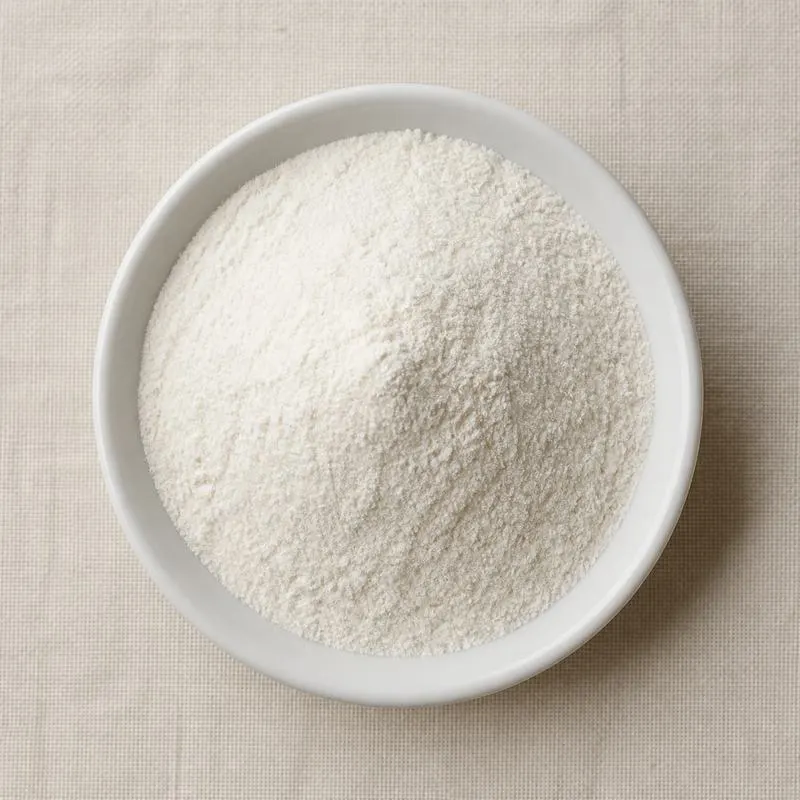
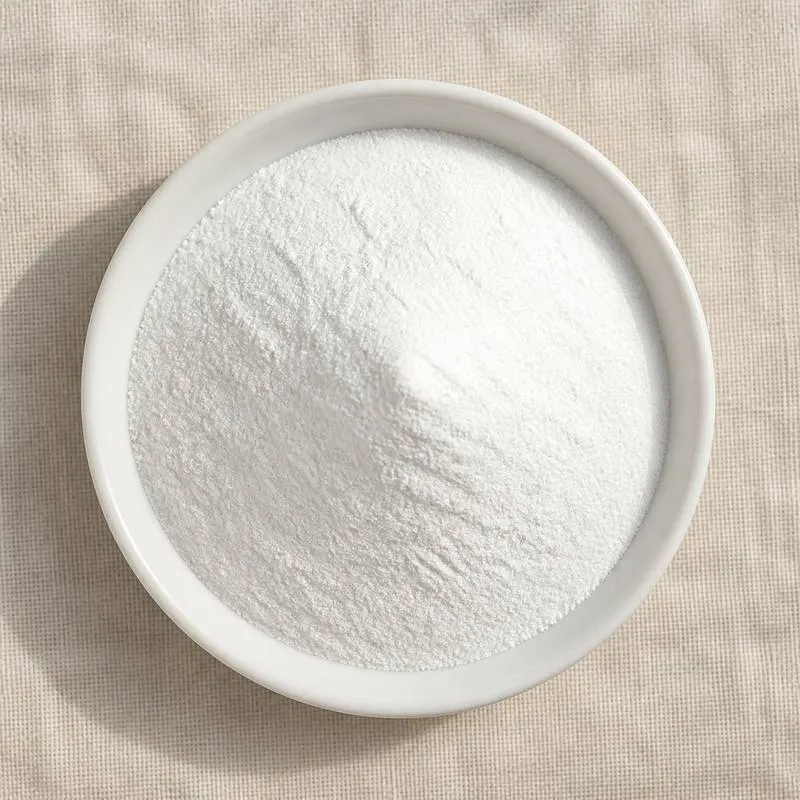
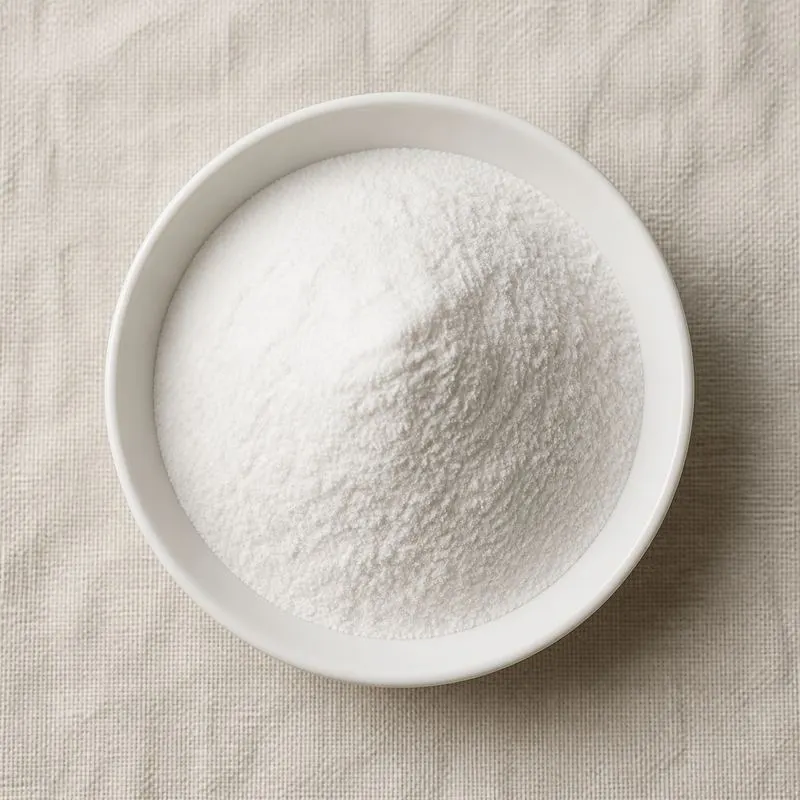
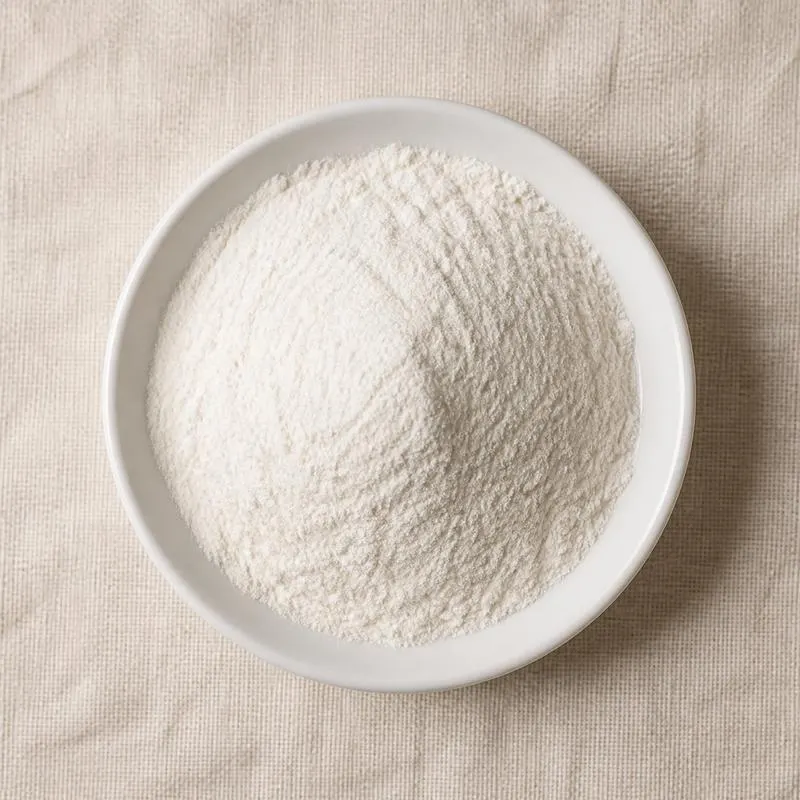
Soluble Wheat Dietary Fibre is a low-viscosity soluble fibre produced by controlled thermal and enzymatic transformation of wheat starch. The process converts a fraction of the α(1→4) and α(1→6) glycosidic bonds into bonds that resist human digestive enzymes, yielding a soluble resistant dextrin.
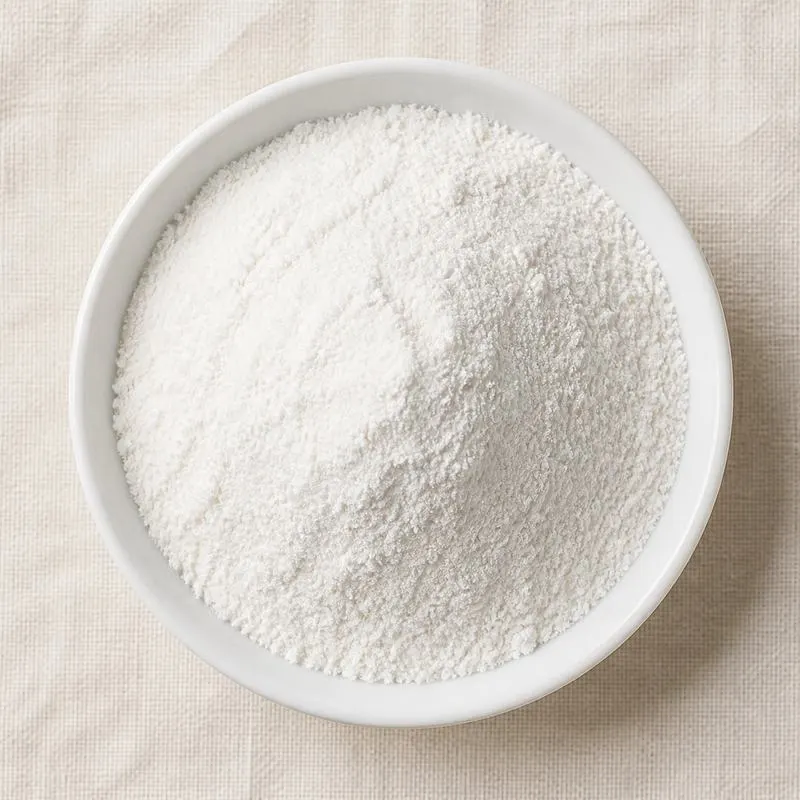
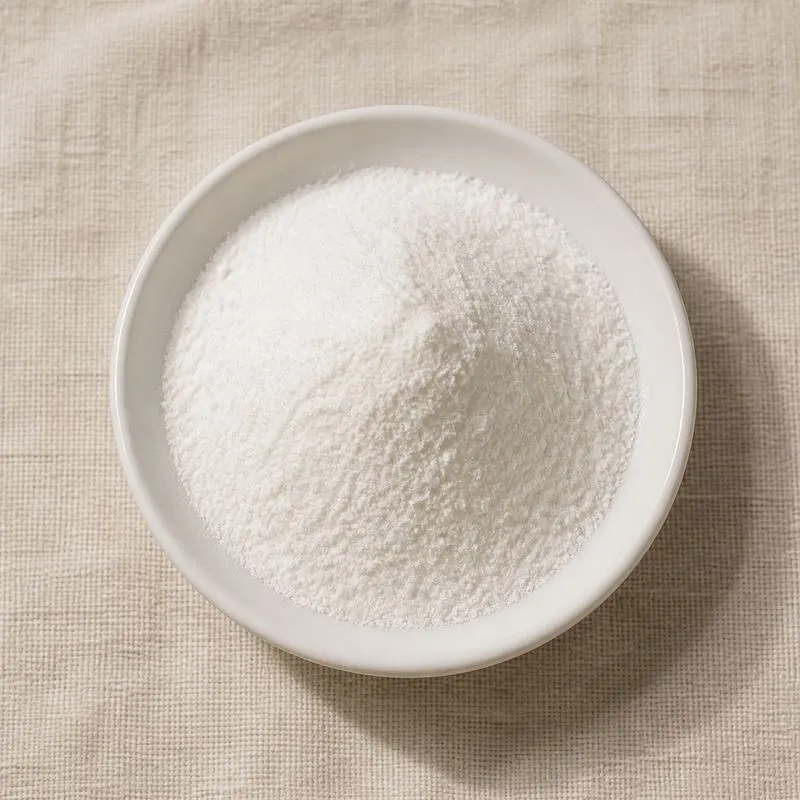
The finished material is a colourless, neutral-tasting, free-flowing powder that dissolves clear in water and stays stable through pasteurisation, retort, baking, and acidic processing.
or call +86-21-6858 0751
- Packaging
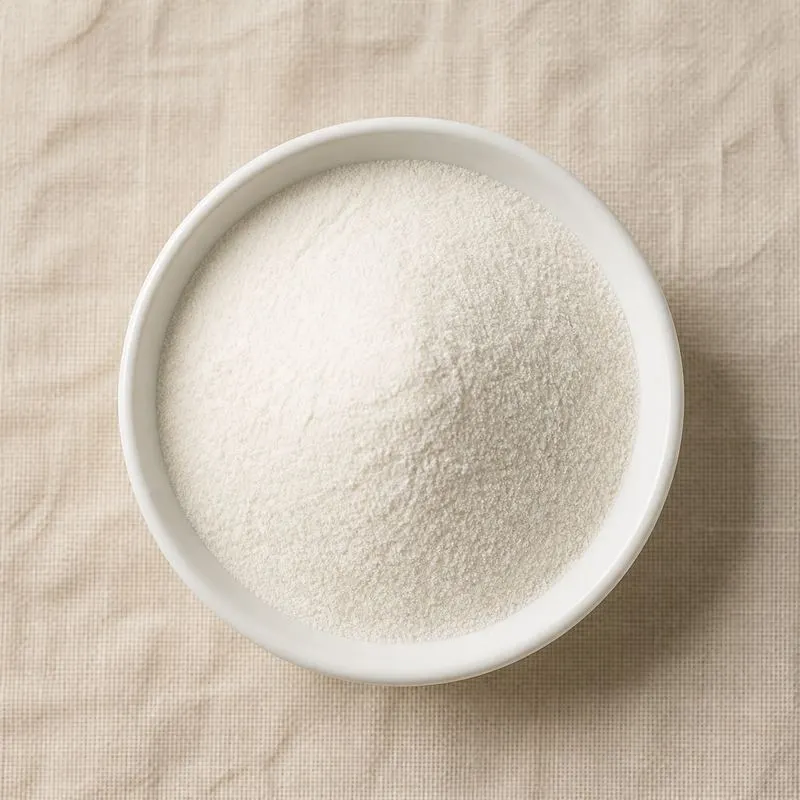
- 25 kg kraft paper bag with PE inner liner
- ISO 9001
- HACCP
- Halal
- Kosher
Specifications
Grades / Types Available: Food Grade
| Item | Specification |
|---|---|
| Appearance | White to off-white powder |
| Dietary Fiber (AOAC) | ≥ 85% |
| Moisture | ≤ 5.0% |
| Ash | ≤ 0.5% |
| Gluten | ≤ 20 ppm |
| Heavy Metals (as Pb) | ≤ 2 mg/kg |
| Purity/Assay | ≥ 85% |
| Viscosity | 1.5 - 2.5 mPa.s |
| Moisture/Loss on Drying | ≤ 8% |
| pH | 6.0 - 8.0 |
| Particle Size/Mesh | 500 microns (average) |
| Lead | ≤ 1 ppm |
| Arsenic | ≤ 0.5 ppm |
| Total Plate Count | ≤ 1000 cfu/g |
| Yeast & Mold | ≤ 100 cfu/g |
Common Markets Grades
Soluble wheat dietary fibre is graded by total dietary fibre content measured by AOAC 2001.03, the method validated specifically for resistant maltodextrin and dextrin fibres.
Standard grades carry 85 percent TDF on a dry basis. Premium grades reach 90 percent TDF after additional purification.
Liquid syrup grades (75 Brix) are produced for in-line addition during beverage and dairy manufacture, eliminating the need to re-dissolve powder.
Low-calorie certified grades, with kilocalorie values close to 2 kcal per gram instead of the standard 4 kcal per gram for digestible carbohydrate, exist for diet and weight-management applications.
Applications
- Functional beverages, sports drinks, and meal-replacement shakes
- Dairy: yogurt, drinkable yogurt, and dairy alternatives
- Bakery: bread, muffins, and tortillas for fibre claims without texture impact
- Confectionery: sugar-reduced gummies, chocolate, and chewing gum
- Breakfast cereals, granola, and cereal bars
- Infant and toddler nutrition products
- Clinical and medical nutrition formulas
- Frozen desserts and ice cream for fibre addition without gritty texture
- Sauces, dressings, and dips for invisible fibre fortification
- Supplements: stick packs, capsules, and chewables
How We Help Source Soluble Wheat Dietary Fibre
Direct Factory Sourcing
We run the whole process: selecting the manufacturer from the top Chinese food ingredient producers, negotiating the price, verifying quality, and coordinating the logistics. You deal with us instead of with several factories at once.
Original Packaging and Documents from the Manufacturer
The manufacturer sends your Soluble Wheat Dietary Fibre out of its own factory in the original packing, through to your destination port. The COA, COO, MSDS, TDS and any certifications reach you from the manufacturer as well.
Free Samples and Lead Time
We send 100 to 500 g free for your own laboratory to test and you cover only the courier, usually within 2 to 3 working days. ETD is usually within 7 to 15 days once the order is confirmed, and we check that date against the factory's own manufacturing schedule before we give it to you.
Combined Shipment
We can load Soluble Wheat Dietary Fibre together with other ingredients such as Citrus Fibre, Xylo-oligosaccharide and Inulin into one 20' FCL. If your quantity is small, we can also ship LCL.
Regulatory Status
Soluble wheat dietary fibre is regulated under multiple frameworks.
The U.S. FDA approved soluble fibre dextrin and resistant maltodextrin as recognised dietary fibres for Nutrition Facts labelling in 2018 under the revised 21 CFR 101.9.
EFSA approved the claim consumption of foods or drinks containing resistant maltodextrin contributes to the reduction of the blood glucose rise after that meal in 2021 for the wheat-source variant.
The substance is GRAS for U.S. food use under multiple manufacturer notifications. Halal, Kosher, and non-GMO certifications are routine.
Because the source is wheat, gluten labelling and gluten-free certification require careful documentation. Most commercial grades test below 20 ppm gluten and qualify for the gluten-free claim, but allergen statements vary by manufacturer.
Manufacturing Process
Soluble wheat dietary fibre is produced from food-grade wheat starch in dedicated dextrinisation plants in France, the United States, and China.
Refined wheat starch is acidified to a low pH and roasted in a continuous dextriniser at 130 to 180 degrees Celsius. The combined heat and acid action breaks some starch bonds and reforms them as random α and β linkages, including bonds that resist human amylase and brush-border enzymes.
The resulting pyrodextrin is dissolved in water and treated with thermostable alpha-amylase and amyloglucosidase, which hydrolyse the remaining digestible fraction to glucose and short oligomers.
The hydrolysate is decolorised with activated carbon, demineralised by ion exchange, and concentrated. Chromatographic separation removes the residual glucose and digestible fraction, yielding a high-purity resistant dextrin syrup.
The syrup is spray-dried to produce the finished powder.