Sturgeon Collagen Peptide
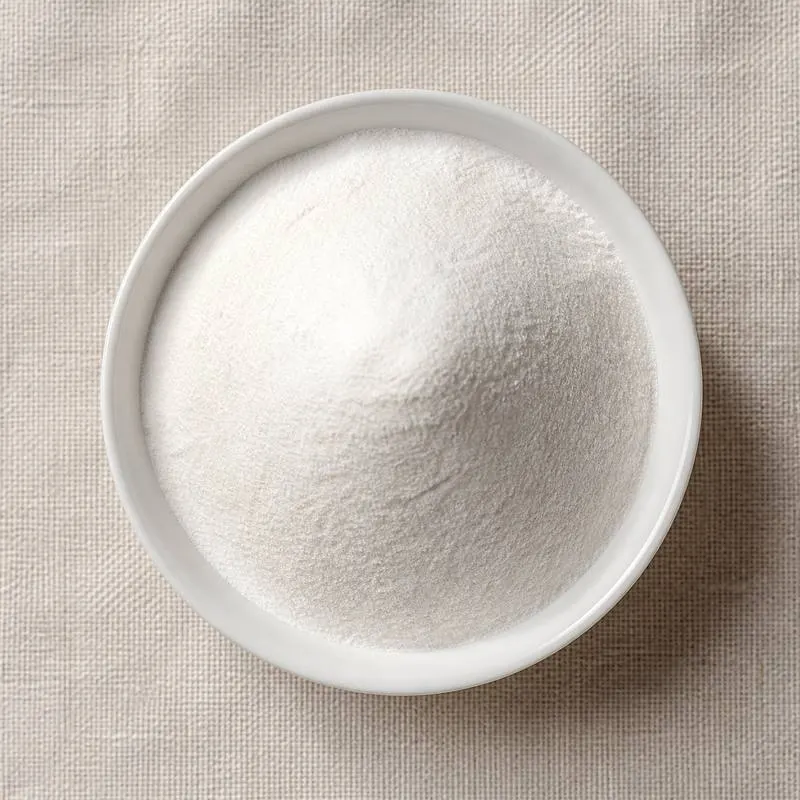
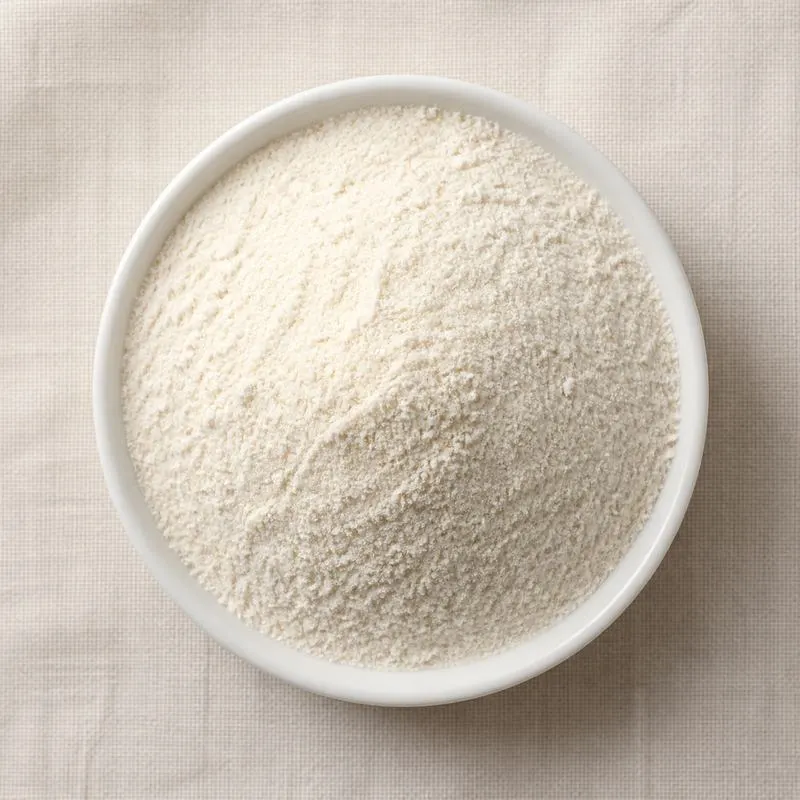
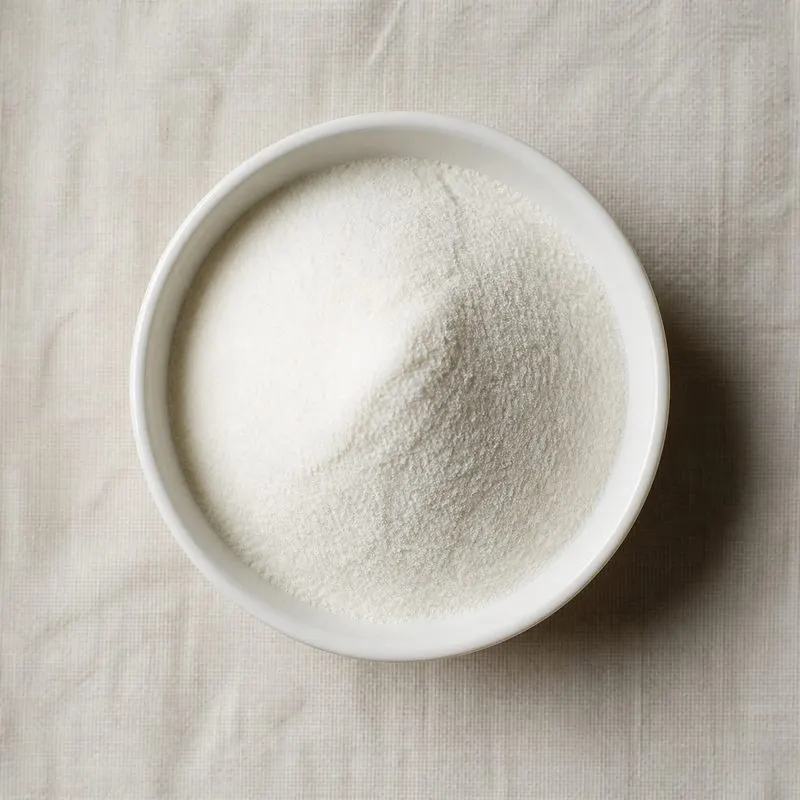
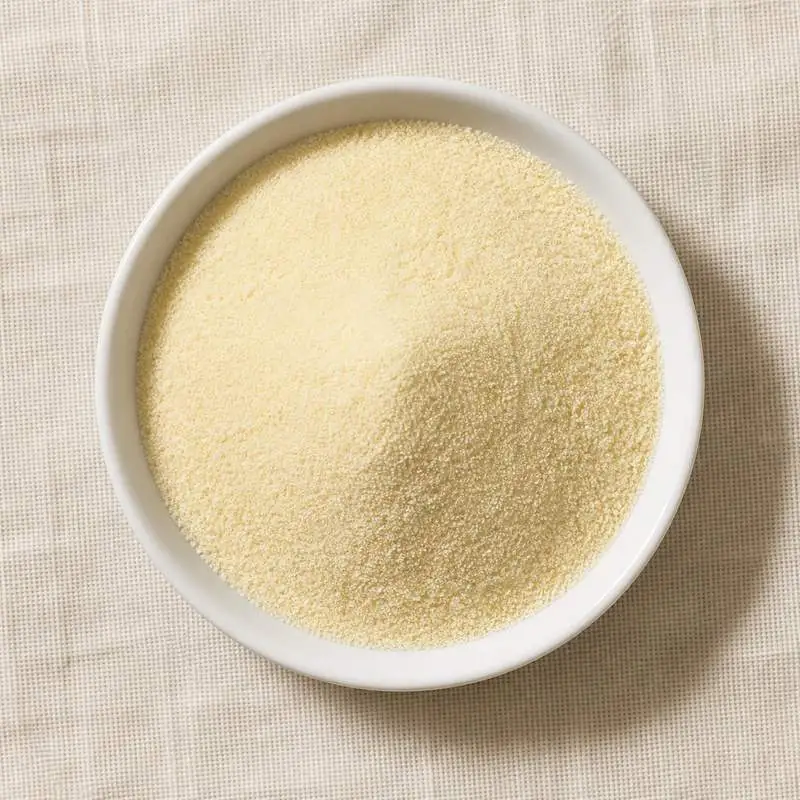
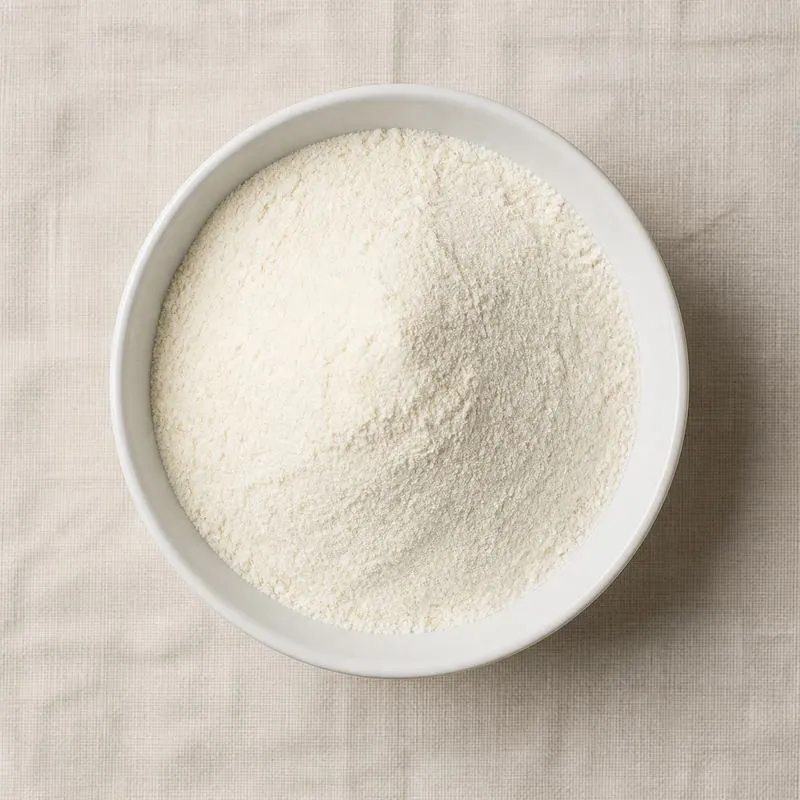
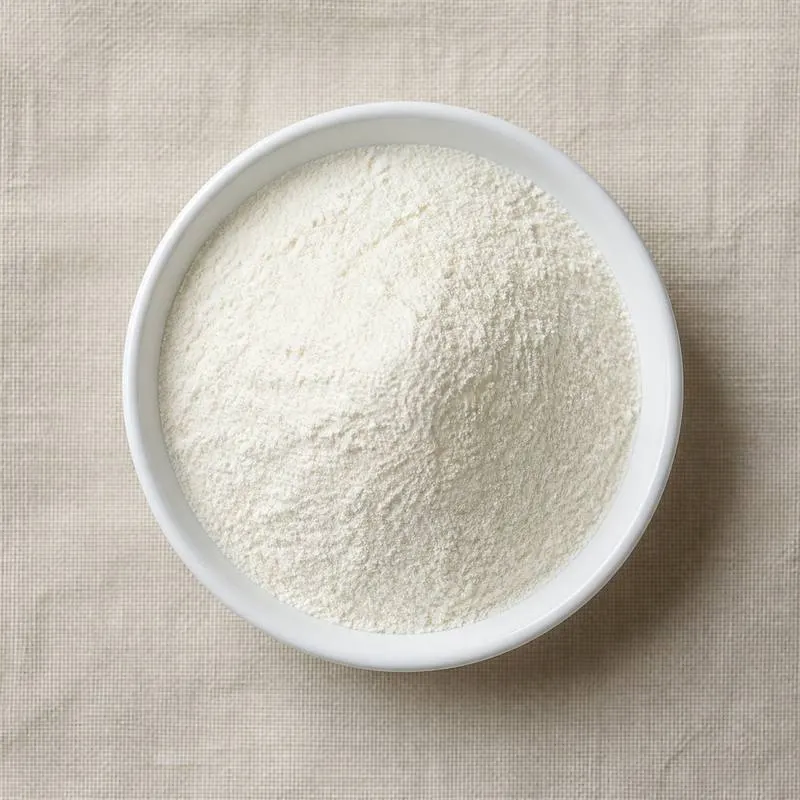
Sturgeon collagen peptide is a low molecular weight hydrolysate of the collagen recovered from sturgeon skin, cartilage and notochord, the co-products of caviar and sturgeon meat processing. It is an off-white to pale cream powder with a faint marine odour.
The parent protein is mainly type I collagen from skin and type II collagen from the cartilaginous skeleton, both built on the repeating glycine, proline and hydroxyproline triple helix. Controlled enzymatic hydrolysis cuts the gelatinised helix into peptides with an average molecular weight generally between 500 and 3000 daltons, which destroys the gelling behaviour of gelatine and leaves a material that dissolves rather than sets.
The powder is freely soluble in cold and hot water at concentrations well above 20 percent, gives a clear, low viscosity solution, and does not gel on cooling. It is stable across the pH range met in beverages, tolerates pasteurisation and retort processing without loss of solubility, and carries very little flavour once deodorised, which is the main reason fish sourced peptides are used in clear drinks. As a freshwater species, sturgeon material is traded partly on the grounds that it avoids the allergen and heavy metal concerns associated with marine fish.
We source bulk Sturgeon Collagen Peptide from top China manufacturers for our partners. The manufacturer is in Shandong. A smaller requirement can ship in a combined container with other ingredients.
Please send the grade you need, the volume and your destination port, and we will come back with a solution and a price.
or call +86-21-6858 0751
- Function
- Protein
Specifications
| Item | Specification |
|---|---|
| Appearance | Off-white to pale cream powder |
| Odour and Taste | Slight characteristic, free from fishy or burnt notes |
| Protein (dry basis) | ≥ 90.0% |
| Hydroxyproline | ≥ 8.0% |
| Average Molecular Weight | ≤ 3000 Da |
| Identification | Conforms by amino acid profile and molecular weight distribution |
| Loss on Drying | ≤ 7.0% |
| Ash | ≤ 2.0% |
| pH (1% solution) | 5.0 to 7.0 |
| Transmittance (1% solution, 450 nm) | ≥ 90% |
| Heavy Metals (as Pb) | ≤ 10 mg/kg |
| Lead | ≤ 0.5 mg/kg |
| Arsenic | ≤ 0.5 mg/kg |
| Total Plate Count | ≤ 1,000 cfu/g |
| Yeast and Mould | ≤ 50 cfu/g |
| Escherichia coli | Negative in 1 g |
| Salmonella | Negative in 25 g |
Common Markets Grades
Grades are distinguished by tissue origin and by molecular weight. Skin derived peptide is a type I product sold for general nutrition and cosmetic use, while cartilage and notochord derived material is a type II product carrying chondroitin sulphate and is priced and specified separately. Protein assay is normally 90 percent minimum on a dry basis, with hydroxyproline content stated as the collagen identity check.
Molecular weight is the second axis. A standard grade averages 2000 to 3000 daltons, while a low molecular weight grade is cut to 500 to 1000 daltons for beverage and cosmetic applications where clarity and rapid dissolution matter. Both are food grade; a cosmetic grade with tighter colour and odour limits is offered from the same route. Powders are sieved to 60 or 80 mesh, and an instantised granular version is made for stick packs.
Applications
- Collagen drinks and shots, where the peptide dissolves clear at high load without adding viscosity
- Powder sachets and stick packs taken as a daily supplement, using the instantised grade for cold water dispersion
- Capsules and tablets, blended with vitamin C and hyaluronic acid in joint and skin formulations
- Jelly sticks and gummy confectionery, where the peptide raises protein content while gelatine or pectin does the setting
- Nutrition bars and biscuits, as a protein source that does not harden the matrix
- Skin care serums and lotions, where the low molecular weight fraction is used as a humectant and film former
- Joint health formulations based on the type II cartilage grade, paired with chondroitin and glucosamine
- Sports recovery blends, valued for the glycine and proline load
- Medical and convalescent nutrition, as a readily absorbed protein fraction
China Manufacturers of Sturgeon Collagen Peptide
Top Sturgeon Collagen Peptide manufacturers in China.

Company names and logos are the property of the manufacturers themselves. They are listed here because our own directory records them as producing this ingredient. A listing is not an endorsement by them, and we do not represent them or speak on their behalf.
Regulatory Status
In the United States, collagen peptides from edible fish tissue are used as food ingredients under GRAS conclusions, and the enzymes applied in hydrolysis must themselves be cleared for food processing. Products sold as supplements fall under the dietary supplement framework. Because sturgeon is a fish, the material is a major food allergen and must be declared as such on the label.
In the European Union, collagen and gelatine intended for human consumption are products of animal origin handled under the specific hygiene rules, which set requirements for the raw material, its traceability and the establishments that may process it. Hydrolysed collagen is a food ingredient rather than an additive and carries no E number, and fish is listed among the allergens that must be emphasised in the ingredient list. Sturgeon species are listed under the convention on international trade in endangered species, so raw material and finished product movements may require CITES documentation depending on species and origin, including material from farmed stock. Codex has no specific standard for hydrolysed collagen.
Manufacturing Process
Frozen sturgeon skin, cartilage and notochord from caviar and filleting operations are thawed, washed and trimmed of residual flesh and fat. The tissue is given an alkaline soak in dilute sodium hydroxide to remove non collagenous protein, then neutralised and washed, and a dilute acid swelling step loosens the collagen fibrils. For cartilage material the acid stage is longer, since the matrix is denser.
The washed tissue is extracted in hot water, which converts the triple helix to soluble gelatine. That gelatine solution is cooled to the working temperature of a food grade protease, usually an alkaline or neutral endoprotease, and hydrolysed under pH control until the target molecular weight distribution is reached. The enzyme is inactivated by heating, and the liquor is filtered, treated with activated carbon to strip colour and odour, and passed through ion exchange to lower the ash and remove residual salts. Ultrafiltration sets the final molecular weight cut-off, the permeate is concentrated under vacuum, sterilised, and spray dried, and the powder is sieved and packed.