Thermal Reaction Flavour Material
Thermal reaction flavour materials are the precursor ingredients charged to a Maillard reactor to build savoury process flavours, rather than a finished flavour in themselves. The category covers the amino acid sources, the reducing sugars and the sulphur donors from which cooked meat, seafood and roasted aromas are generated during heating.
Three functional families make up almost every formulation. The amino acid pool comes from hydrolysed vegetable protein, yeast extract, enzymatically digested meat or bone extract, and individual amino acids such as cysteine, glycine, alanine and methionine. The carbonyl partner comes from reducing sugars, with the pentoses xylose and ribose reacting far faster and giving more meaty character than glucose. The sulphur donors, principally cysteine hydrochloride and thiamine hydrochloride, decide whether the reaction produces the furanthiols and thiophenes that give a meaty aroma.
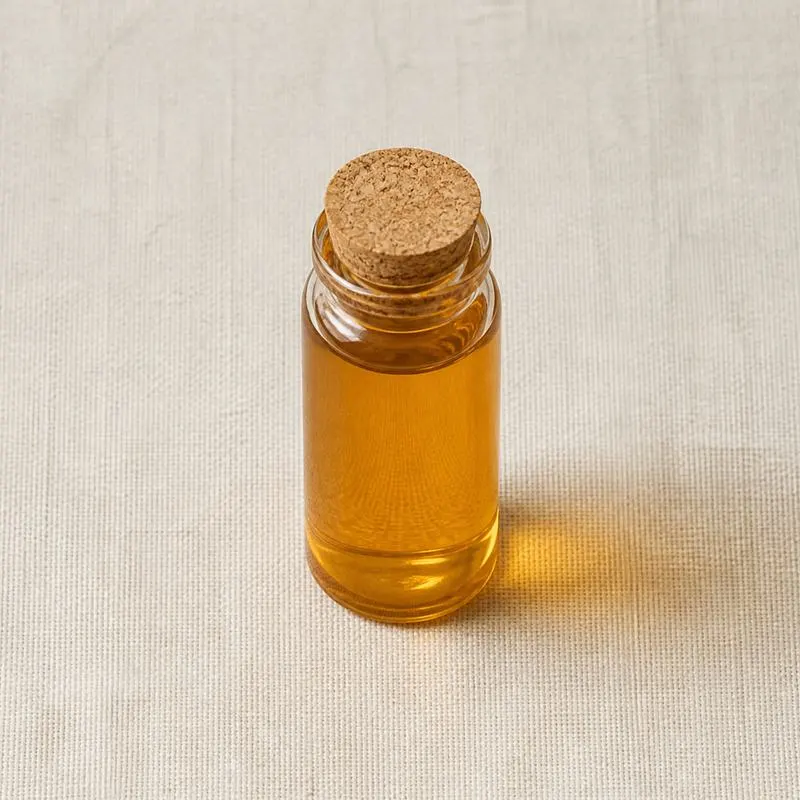
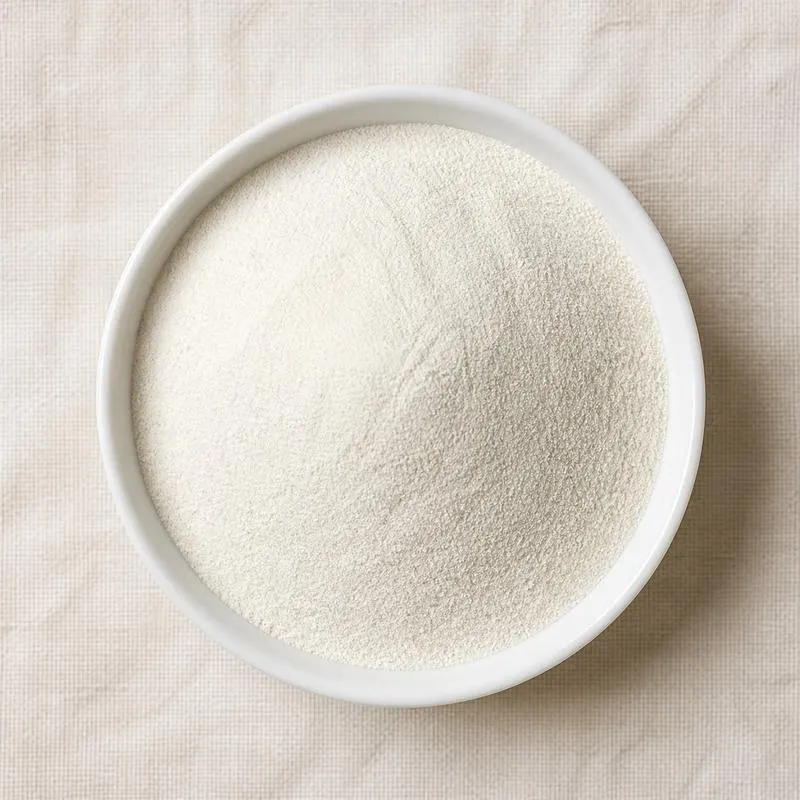
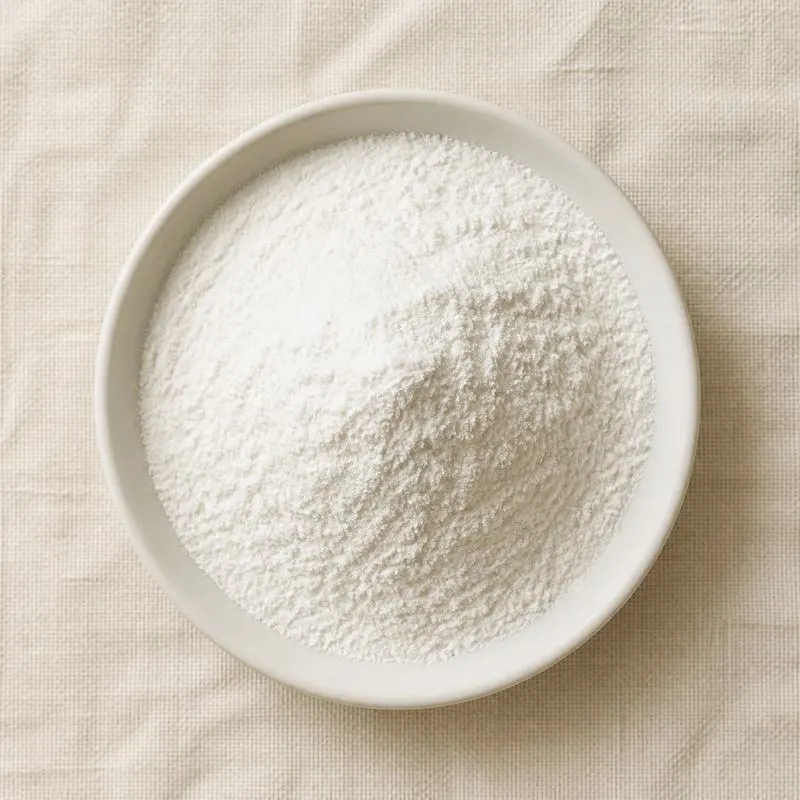
Physical form varies across the family, from free flowing crystalline powders for the individual amino acids and sugars to hygroscopic pastes and spray dried powders for the protein hydrolysates and yeast extracts. Most members are water soluble and are charged as an aqueous slurry. Several are strongly hygroscopic and the sulphur donors oxidise on exposure to air, so sealed packaging and cool storage are normal across the group.
We source bulk Thermal Reaction Flavour Material from top China manufacturers for our partners. The manufacturer is in Guangdong. A smaller requirement can ship in a combined container with other ingredients.
Please send the grade you need, the volume and your destination port, and we will come back with a solution and a price.
or call +86-21-6858 0751
- Function
- Flavours and Aromas
Specifications
| Item | Specification |
|---|---|
| Appearance | Free-flowing crystalline or spray-dried powder, or hygroscopic paste, by member |
| Assay, crystalline members (dry basis) | ≥ 98.0% |
| Loss on Drying, powder grades | ≤ 5.0% |
| Total Nitrogen, extract grades (dry basis) | ≥ 8.0% |
| Amino Nitrogen, extract grades (dry basis) | ≥ 3.0% |
| Salt (as NaCl), extract grades | ≤ 50.0% |
| pH (10% Solution) | 4.5-6.5 |
| Solubility | Soluble in water, charged to the reactor as an aqueous slurry |
| Particle Size, powder grades | ≥ 95% through 40 mesh |
| 3-MCPD, acid-hydrolysed protein grades | ≤ 0.02 mg/kg |
| Heavy Metals (as Pb) | ≤ 10 mg/kg |
| Total Plate Count | ≤ 10000 CFU/g |
| Yeast and Mould | ≤ 100 CFU/g |
| E. coli | Negative/25g |
| Salmonella | Negative/25g |
Common Markets Grades
Because the category spans several distinct chemicals and extracts, grades are set member by member rather than across the class. Individual amino acids and sugars are traded as food grade crystalline materials with an assay declared on a dry basis, usually at or above ninety eight percent, with pharmaceutical grade versions of cysteine hydrochloride and thiamine hydrochloride available from producers that also serve the excipient market. Xylose and ribose are crystalline powders, and mesh options exist mainly to control dusting and dissolution rate.
The extract members are graded on composition rather than assay. Hydrolysed vegetable protein is specified by total nitrogen, amino acid nitrogen, salt content and, critically, by chloropropanol content, since acid hydrolysed grades can form these contaminants and enzymatically hydrolysed grades are specified to avoid them. Yeast extracts are graded by nucleotide content, glutamic acid content and salt level, and are offered as paste or powder. Meat and bone extracts are graded by species, total solids and amino acid nitrogen. Kosher, halal and non genetically modified declarations are the other routine specification splits.
Applications
- Reaction meat flavours for beef, chicken, pork and lamb, where the precursor blend determines both the intensity and the species profile
- Seafood reaction flavours, in which the amino acid pool is drawn from shellfish or fish hydrolysates and the sugar and sulphur donors are the same
- Roasted and grilled note generation for barbecue, kebab and smoked style seasonings, driven by the pyrazine chemistry of the sugar and amine reaction
- Yeast extract and hydrolysed protein used directly as savoury base ingredients in bouillon and soup, alongside their role as precursors
- Plant based meat analogue flavour systems, where the precursors are reacted with vegetable protein hydrolysates and vegetable fat
- Bread crust, biscuit and coffee style aroma development in bakery process flavours
- Caramel and toffee reaction flavours, built from reducing sugars with a limited amino component
- Pet food palatants, produced by the same reaction chemistry on animal digest streams
- Laboratory and pilot scale flavour development, where individual precursors are dosed to map how a profile shifts with ratio, pH and temperature
China Manufacturers of Thermal Reaction Flavour Material
Top Thermal Reaction Flavour Material manufacturers in China.
Company names and logos are the property of the manufacturers themselves. They are listed here because our own directory records them as producing this ingredient. A listing is not an endorsement by them, and we do not represent them or speak on their behalf.
Regulatory Status
In the United States the precursor materials are food ingredients rather than food additives. Amino acids, reducing sugars and thiamine are generally recognised as safe for their intended uses, protein hydrolysates and yeast extracts are established food ingredients that must be declared by their specific source name under the labelling rules of 21 CFR Part 101, and the finished reaction flavour they produce is declared as natural or artificial flavour according to the definitions in 21 CFR 101.22. Acid hydrolysed protein carries an additional expectation that chloropropanol formation is controlled during manufacture.
In the European Union the precursors matter because Regulation (EC) No 1334/2008 restricts which starting materials may be used to make a thermal process flavouring, requiring them to be foods or materials otherwise permitted for the purpose, and it sets the temperature, time and pH conditions under which the reaction may be run. A flavouring produced from listed starting materials inside those conditions needs no individual authorisation. Yeast extract is treated as a food ingredient rather than an additive and carries no E number, while thiamine appears in the vitamin and mineral rules for fortified foods rather than in the additive framework. Codex addresses the class through its guidelines for the use of flavourings and its general standard for contaminants.
Manufacturing Process
The members of the category reach the reactor by different routes. Hydrolysed vegetable protein is made by digesting defatted soya, maize gluten or wheat gluten either with hydrochloric acid followed by neutralisation, or with proteases under controlled pH and temperature, then filtering, decolourising and concentrating the liquor. Yeast extract is produced by autolysing or enzymatically digesting spent or purpose grown yeast cream, separating the cell walls by centrifugation and concentrating or spray drying the soluble fraction. Meat and bone extracts come from pressure extraction of animal tissue followed by degreasing and vacuum concentration.
The defined chemicals follow their own routes. Xylose is recovered by acid hydrolysis of corn cob or other hemicellulose rich residues, then purified by ion exchange and crystallised, while ribose is produced by fermentation with a transketolase deficient bacillus and recovered by crystallisation. Cysteine is manufactured by fermentation or by hydrolysis of keratin followed by ion exchange purification, and thiamine hydrochloride by chemical synthesis. At the flavour house these streams are weighed into a slurry, the pH is adjusted, and the blend is charged to a jacketed pressure reactor where heating generates the finished process flavour.