Urolithin a Microcapsule
Urolithin A microcapsule is a powder form of urolithin A, the gut microbial metabolite of ellagitannins, in which the crystalline active is enclosed in a carrier matrix of modified starch, gum acacia, maltodextrin or a lipid coating. The encapsulation exists because urolithin A itself is a pale yellow to tan crystalline solid that is essentially insoluble in water, prone to caking and difficult to disperse evenly at the low inclusion rates used in supplements and functional foods.
The capsule shell serves three functions. It disperses the active into water or a beverage base as a fine suspension rather than a floating agglomerate, it masks the slightly bitter and astringent taste of the free compound, and it shields the phenolic hydroxyl groups from oxygen and light so that assay holds through shelf life. Payloads are commonly in the range of 10 to 30 percent urolithin A, with the balance being carrier and a small amount of emulsifier or antioxidant.
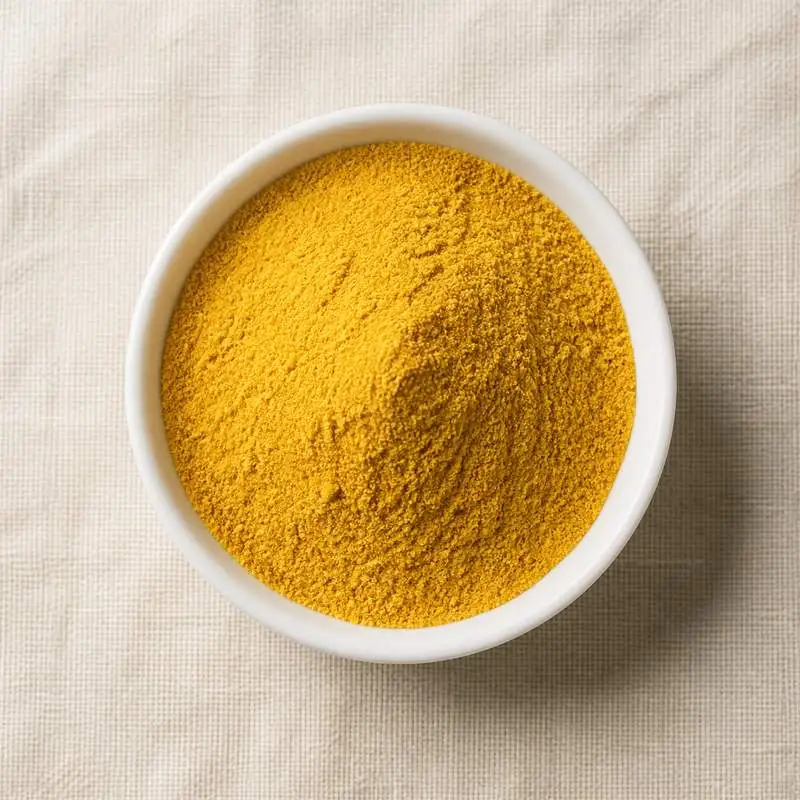
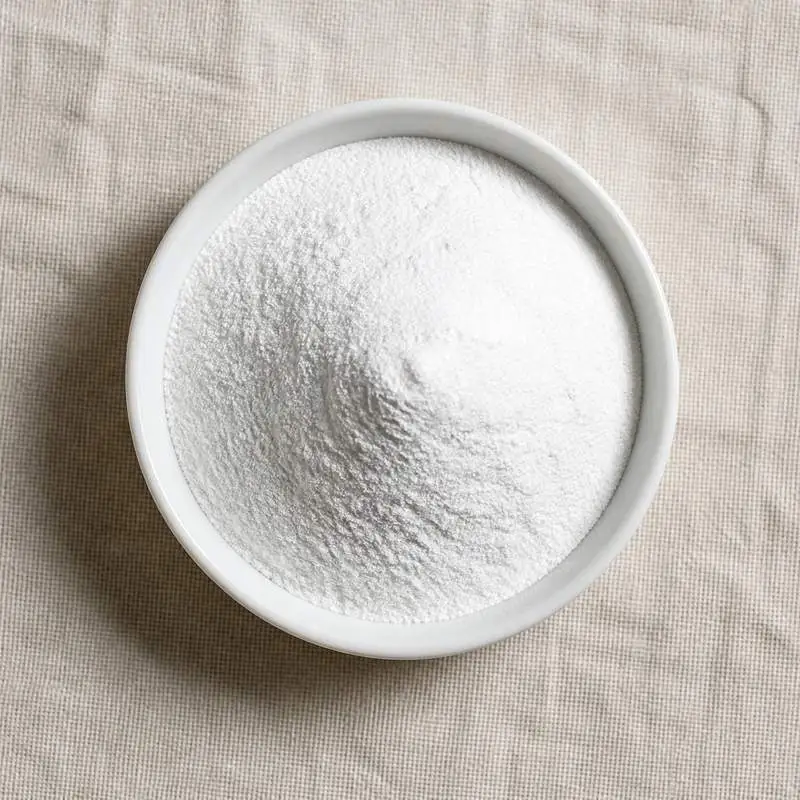
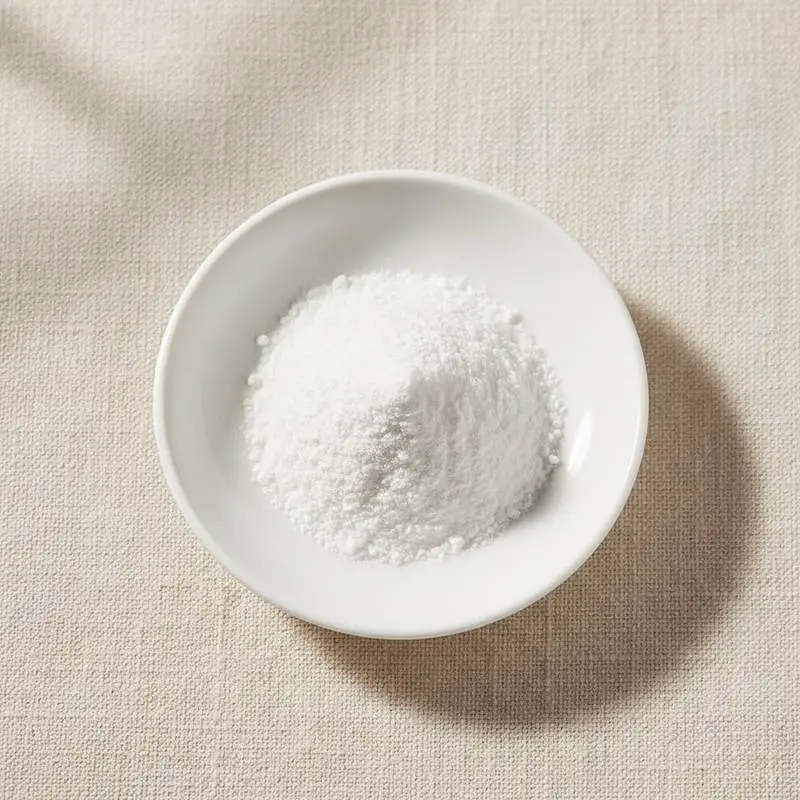
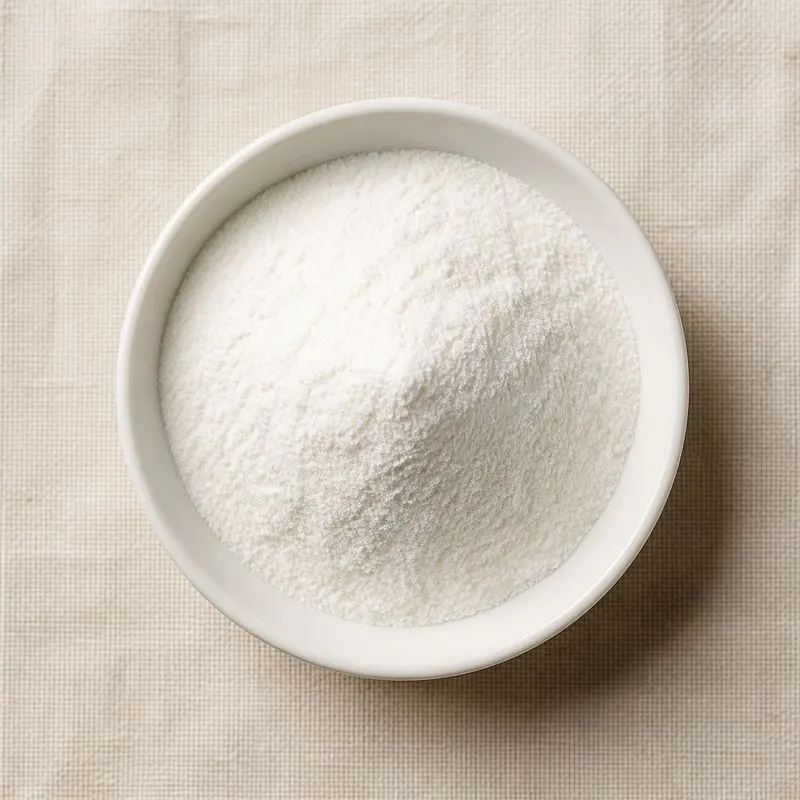
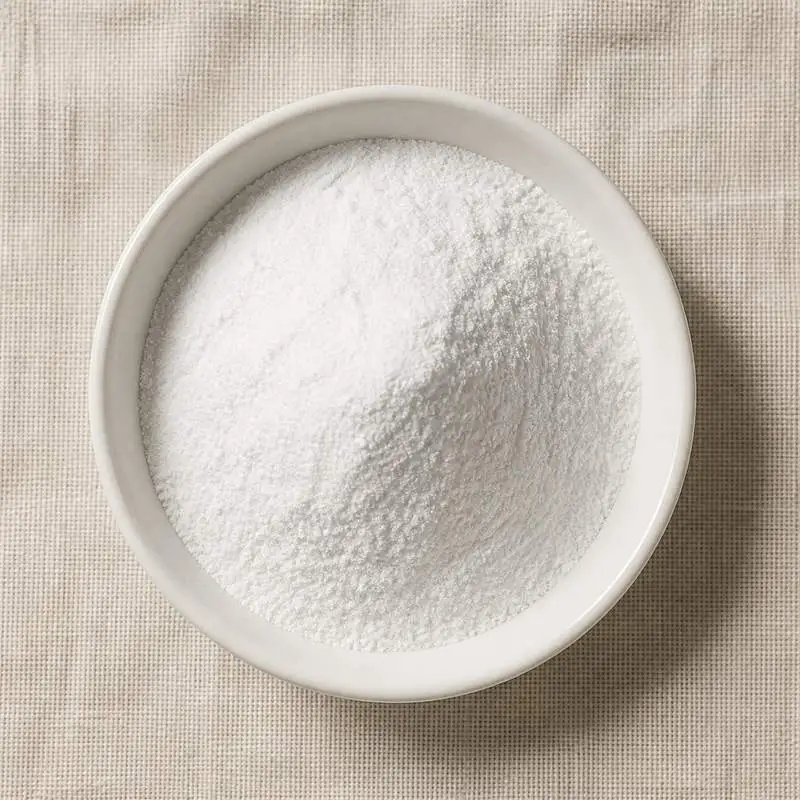
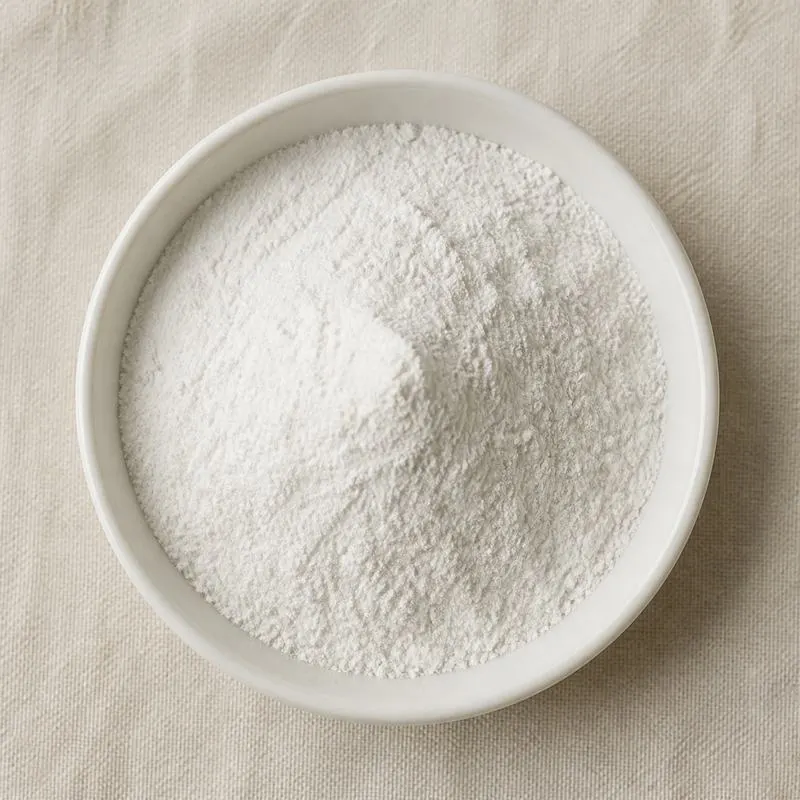
The finished article is a free-flowing off-white to beige powder that redisperses in cold water and remains stable through dry blending, tabletting and capsule filling.
We source bulk Urolithin a Microcapsule from top China manufacturers for our partners. The manufacturer is in Hubei. A smaller requirement can ship in a combined container with other ingredients.
Please send the grade you need, the volume and your destination port, and we will come back with a solution and a price.
or call +86-21-6858 0751
- Function
- Nutraceutical
Specifications
| Item | Specification |
|---|---|
| Appearance | Off-white to light beige free-flowing powder |
| Urolithin A content (HPLC) | 20.0 percent minimum, declared payload basis |
| Identification | HPLC retention and UV spectrum conform to urolithin A reference standard |
| Urolithin B | 1.0 percent maximum of total urolithins |
| Surface oil or unencapsulated active | 2.0 percent maximum of declared payload |
| Loss on drying | 5.0 percent maximum |
| Sulphated ash | 2.0 percent maximum |
| Residual solvents | Conform to ICH Class 2 and Class 3 limits |
| Lead | 1.0 mg/kg maximum |
| Arsenic | 1.0 mg/kg maximum |
| Total plate count | 1000 cfu/g maximum |
| Yeast and mould | 100 cfu/g maximum |
| Escherichia coli | Absent in 10 g |
| Salmonella | Absent in 25 g |
Common Markets Grades
Grades are defined by payload and by wall material. Spray-dried emulsion powders on octenyl succinic anhydride modified starch or gum acacia are the common article, typically at 10 or 20 percent urolithin A, giving a fine free-flowing powder suited to beverage and sachet applications. Lipid-coated or fluid-bed agglomerated grades run higher payloads, often 30 percent, and are chosen for tablet and capsule blends where compressibility and low dust matter more than instant dispersion.
Buyers also distinguish on the source of the active. Urolithin A made by chemical synthesis and material recovered from fermentation are both encapsulated, and the specification differs in the impurity profile rather than in the capsule. Water-dispersible and oil-dispersible versions are offered, and particle size is usually quoted as a distribution rather than a mesh cut because spray-dried capsules are near-spherical.
Applications
- Capsule and tablet supplements targeting mitochondrial and muscle health, where the powder blends and compresses better than the raw crystal
- Stick pack and sachet drink mixes, where the capsule disperses in cold water without floating
- Ready to drink functional beverages, where the coating limits sedimentation and taste carryover
- Protein powders and meal replacement blends, where dry-blend homogeneity at low dose is the constraint
- Gummies and soft chews, where the capsule keeps the active from oxidising in a humid sugar matrix
- Fortified dairy and plant-based drinks, where the carrier keeps the phenol from binding to protein
- Sports nutrition pre-blends combined with amino acids and creatine
- Nutricosmetic and beauty-from-within powders where taste masking is essential
China Manufacturers of Urolithin a Microcapsule
Top Urolithin a Microcapsule manufacturers in China.

Company names and logos are the property of the manufacturers themselves. They are listed here because our own directory records them as producing this ingredient. A listing is not an endorsement by them, and we do not represent them or speak on their behalf.
Regulatory Status
Urolithin A is a comparatively recent ingredient and its clearances are held by the companies that developed it rather than being generic. In the United States it has been the subject of GRAS notifications for defined uses and inclusion levels in foods and beverages, and it is also marketed as a dietary ingredient in supplements. A microencapsulated form is regarded as the same substance in a carrier system, so the carrier components have to be separately permitted; modified starch, gum acacia and maltodextrin are all long-established food ingredients in this role.
In the European Union urolithin A has been authorised as a novel food with specified conditions of use, and that authorisation is source-specific, so a buyer must confirm that the particular material sits within an authorisation or holds its own. It carries no E number, since it is a nutritional ingredient rather than an additive, whereas the encapsulating agents do fall under the additive framework. Codex and JECFA have not issued specifications for urolithin A.
Manufacturing Process
The active is prepared first. Urolithin A is either produced by chemical synthesis, in which a substituted benzoic acid and a resorcinol derivative are condensed to build the dibenzopyranone ring and the product is recrystallised, or it is recovered from a controlled bacterial fermentation of ellagic acid, in which case the broth is extracted with solvent and the crystals purified. The purified powder is milled to a narrow particle size so that it can be suspended evenly.
Encapsulation follows the standard spray-dried emulsion route. The carrier, usually modified starch with maltodextrin, is dissolved in water and the milled active is dispersed into it with an emulsifier and an antioxidant. The slurry is passed through a high pressure homogeniser to reduce the dispersed phase to a few microns, then spray dried with a moderate inlet temperature and a low outlet temperature, which drives off water fast enough to lock the active inside a glassy carrier shell. The powder is sieved and, for tablet grades, fluid-bed agglomerated to build particle size before packing under nitrogen in foil laminate.