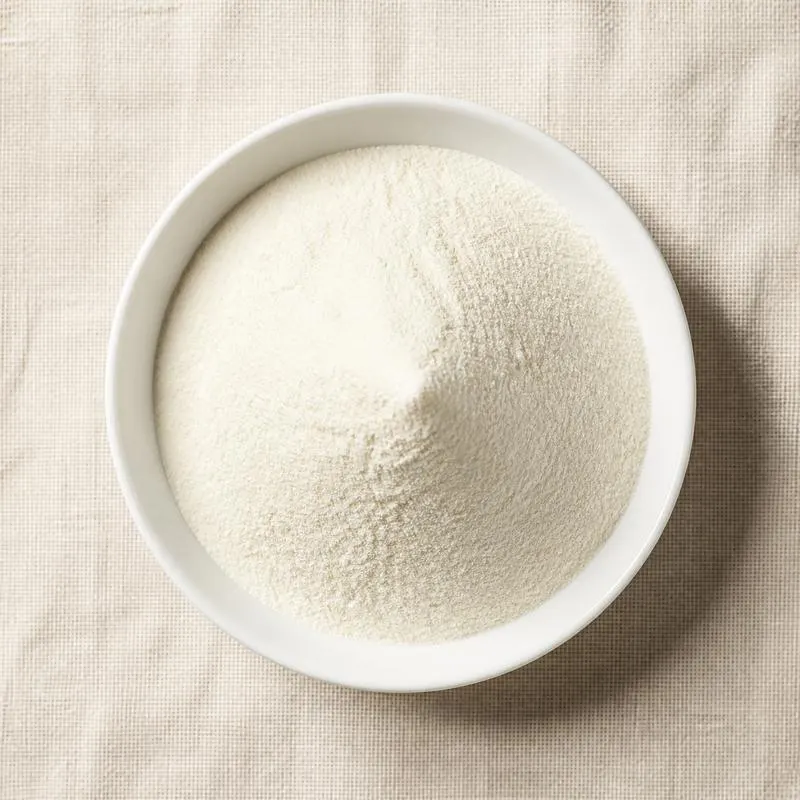
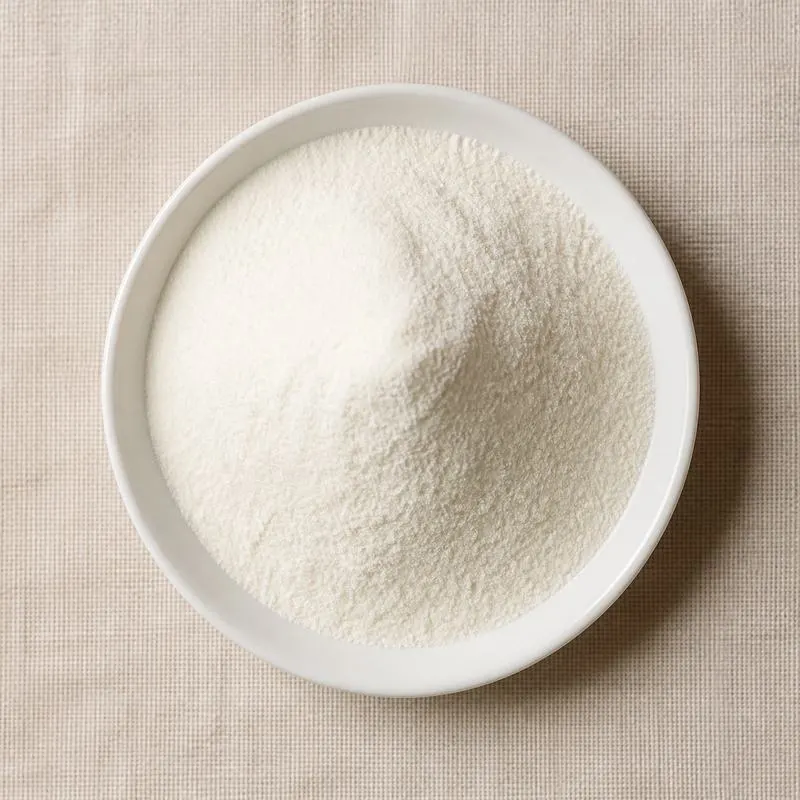
Vitamin A Palmitate 250 CWS/S Toc. Stab.
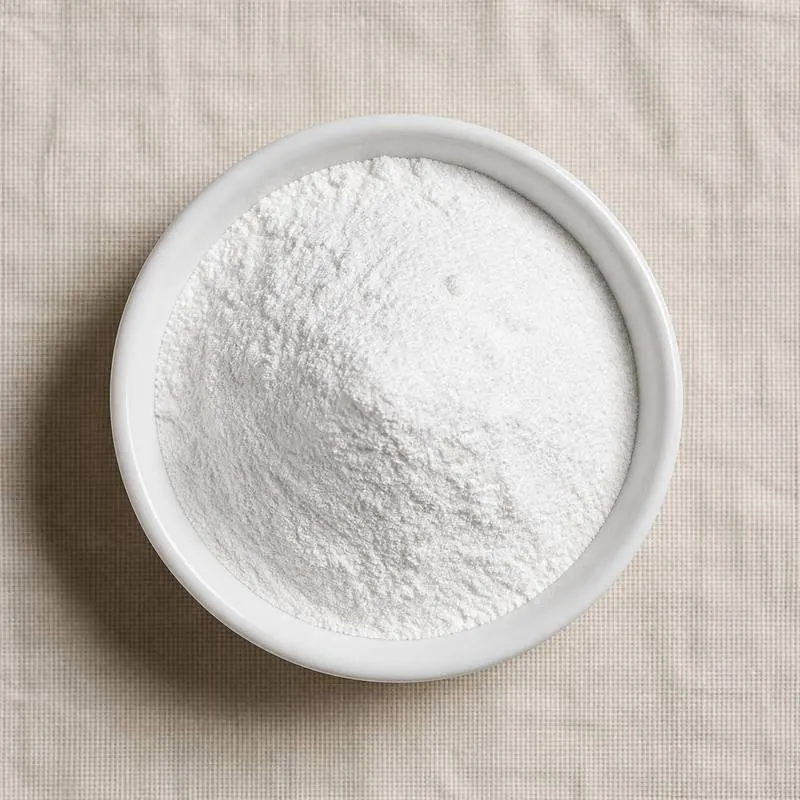
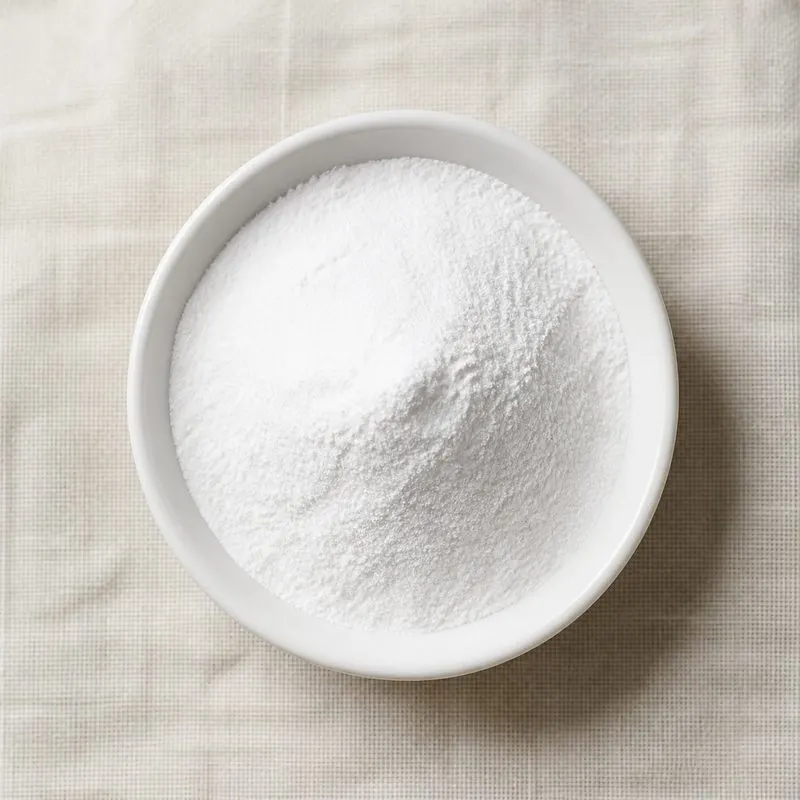
Vitamin A Palmitate 250 CWS/S Toc. Stab. is a cold-water-soluble dry beadlet delivering 250,000 International Units per gram of retinyl palmitate (CAS 79-81-2). It uses a sucrose carrier matrix and a mixed-tocopherol antioxidant system rather than the BHT package found in older beadlet platforms.
The tocopherol-stabilised version was introduced to meet the clean-label expectations of premium infant formula, organic-positioned supplements, and dairy products targeting consumers who avoid synthetic antioxidants on the ingredient list.
We source bulk Vitamin A Palmitate 250 CWS/S Toc. Stab. from top China manufacturers for our partners. The manufacturer is in Zhejiang. A smaller requirement can ship in a combined container with other ingredients.
Please send the grade you need, the volume and your destination port, and we will come back with a solution and a price.
or call +86-21-6858 0751
- Packaging
- 25 kg kraft paper bag with PE inner liner
- Function
- Vitamin
- ISO 9001
- HACCP
- Halal
- Kosher
Specifications
| Item | Specification |
|---|---|
| Appearance | Light yellow to brownish free-flowing beadlets |
| Vitamin A Content (retinyl palmitate, HPLC) | ≥ 250,000 IU/g |
| Particle Size | 95% between 250 and 800 microns |
| Moisture (Loss on Drying) | ≤ 5.0% |
| Dispersibility in Cold Water | Uniform yellow dispersion within 60 seconds at 20 °C |
| Matrix Composition | Sucrose carrier with modified food starch and gelatin |
| Antioxidant System | Natural mixed tocopherols in refined vegetable oil |
| Bulk Density | 0.5 to 0.7 g/mL |
| Heavy Metals (as Pb) | ≤ 10 mg/kg |
| Lead (Pb) | ≤ 2 mg/kg |
| Arsenic (As) | ≤ 2 mg/kg |
| Total Plate Count | ≤ 1,000 CFU/g |
| Yeast and Mould | ≤ 100 CFU/g |
| E. coli | Negative/25g |
| Salmonella | Negative/25g |
Common Markets Grades
This grade carries a single nominal potency of 250,000 IU/g, screened into a free-flowing yellow to brownish beadlet typically 250 to 800 microns in size.
The matrix construction mirrors the BHT-stabilised counterpart, with sucrose as the primary carrier, modified food starch as the wall former, and gelatin as the binder. The antioxidant load is a mix of d-alpha, d-beta, d-gamma, and d-delta tocopherols dosed in refined vegetable oil.
Mixed tocopherols can be sourced from non-GMO soybean or sunflower distillates, allowing producers to position the beadlet as non-GMO, natural-source, or clean-label depending on the end market.
Applications
- Premium infant formula and follow-on milks where parent-facing labels avoid BHT
- Organic-positioned and clean-label multivitamin tablets
- Powdered nutritional drinks for adult and senior populations
- Sports nutrition powders and meal replacement shakes
- Effervescent multivitamin tablets in pharmacy and supplement channels
- Reconstituted dairy and plant-based milk fortification packs
- Pediatric drink mixes and oral nutrition solutions
- Dry-blend cereal, granola, and breakfast premix programs
- Bakery and bar fortification systems where clean labels matter
- Cosmetic premixes for nutricosmetic and inside-out beauty products
- Premium animal nutrition programs for companion pets
China Manufacturers of Vitamin A Palmitate 250 CWS/S Toc. Stab.
Top Vitamin A Palmitate 250 CWS/S Toc. Stab. manufacturers in China.

Company names and logos are the property of the manufacturers themselves. They are listed here because our own directory records them as producing this ingredient. A listing is not an endorsement by them, and we do not represent them or speak on their behalf.
How We Help Source Vitamin A Palmitate 250 CWS/S Toc. Stab.
Direct Factory Sourcing
We run the whole process: selecting the manufacturer from the top Chinese food ingredient producers, negotiating the price, verifying quality, and coordinating the logistics. You deal with us instead of with several factories at once.
Original Packaging and Documents from the Manufacturer
The manufacturer sends your Vitamin A Palmitate 250 CWS/S Toc. Stab. out of its own factory in the original packing, through to your destination port. The COA, COO, MSDS, TDS and any certifications reach you from the manufacturer as well.
Free Samples and Lead Time
We send 100 to 500 g free for your own laboratory to test and you cover only the courier, usually within 2 to 3 working days. ETD is usually within 7 to 15 days once the order is confirmed, and we check that date against the factory's own manufacturing schedule before we give it to you.
Combined Shipment
We can load Vitamin A Palmitate 250 CWS/S Toc. Stab. together with other ingredients such as Vitamin C, Vitamin D3 and Vitamin E into one 20' FCL. If your quantity is small, we can also ship LCL.
Regulatory Status
Vitamin A activity counts as retinyl palmitate, which is GRAS in the United States under 21 CFR 184.1930 and listed in Annex I of EU Regulation 1925/2006 as a fortification source.
21 CFR 182.3890 permits mixed tocopherols as a food additive antioxidant in the United States, and the European Union permits them as E306 (tocopherol-rich extract), E307 (alpha-tocopherol), E308 (gamma-tocopherol), or E309 (delta-tocopherol). All four E numbers are widely accepted in infant formula, where BHT is restricted in several jurisdictions.
Sucrose, modified starch, and gelatin are conventional food-grade materials. Non-GMO mixed tocopherol grades enable EU Regulation 1829/2003 compliance and Project Non-GMO Verified positioning.
USP and Ph. Eur. monographs apply to the vitamin A active. Pareve and Halal certifications are routinely available, and fish-gelatin or pectin-based matrix variants exist for fully vegetarian or vegan claims.
Manufacturing Process
The active retinyl palmitate concentrate is warmed and pre-blended with the mixed-tocopherol oil to bring the antioxidant into solution before the emulsion step. This pre-mixing is critical with tocopherols because they are oil-soluble and need to partition into the lipid phase from the start.
The oil phase is emulsified into a hot aqueous solution of sucrose, modified starch, and gelatin. The emulsion is atomised into a starch bed or chilled tower, where the droplets congeal into beadlets that are then dried, screened, and surface-dusted to prevent caking.
The clean-label format costs more than the BHT version because mixed tocopherols are several times the price per kilogram and because higher doses are needed to reach equivalent shelf-life protection. The trade-off is a label that fits premium positioning.