Wheat Germ Extract
Wheat germ extract is a preparation made from the embryo of Triticum aestivum, the germ fraction separated during flour milling. What the extract contains depends on how it is made. Fermented wheat germ extract, produced by fermenting the germ with baker's yeast, is standardised on the benzoquinones 2,6-dimethoxy-1,4-benzoquinone and 2-methoxy-1,4-benzoquinone, which are released when yeast glycosidases cleave the glucoside precursors present in the germ.
Aqueous and hydroalcoholic extracts of unfermented germ carry a different set of constituents: spermidine and other polyamines, glutathione, water soluble peptides, B vitamins and phenolic acids. A third article, wheat germ oil, is the lipid fraction pressed from the same material and is rich in tocopherols and octacosanol, and it is not interchangeable with the water soluble extracts.
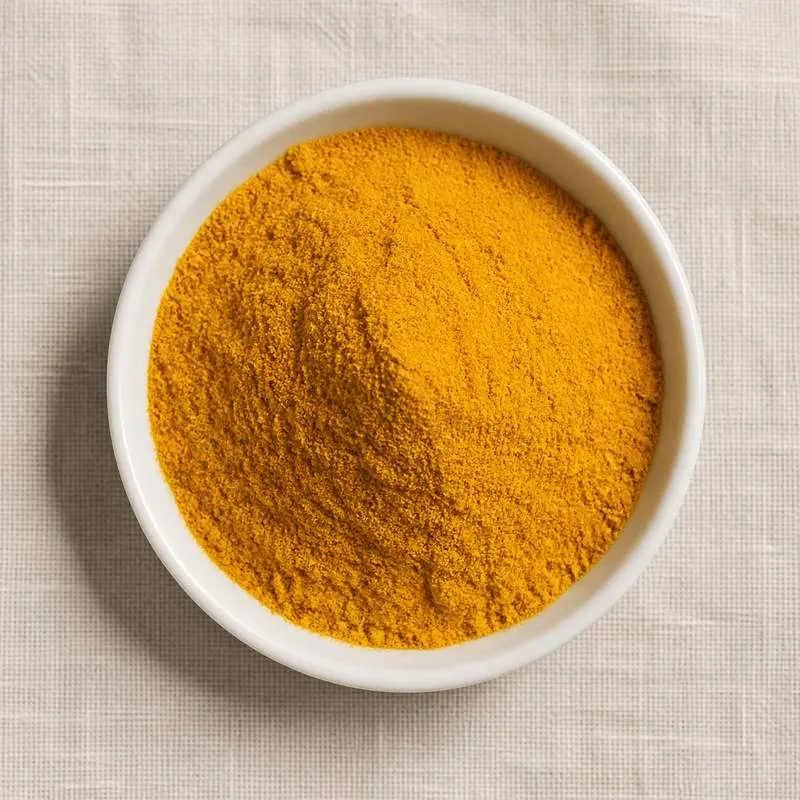
Commercial powders are light tan to brown, hygroscopic, and dissolve or disperse in warm water with a characteristic yeasty cereal aroma and a bitter astringent taste that limits dosage in unmasked applications. The benzoquinone markers are heat sensitive and oxidise on exposure to air, so fermented extract is dried at low temperature and packed under nitrogen with a moisture barrier.
We source bulk Wheat Germ Extract from top China manufacturers for our partners. The manufacturer is in Shaanxi. A smaller requirement can ship in a combined container with other ingredients.
Please send the grade you need, the volume and your destination port, and we will come back with a solution and a price.
or call +86-21-6858 0751
- Function
- Plant extract
Specifications
| Item | Specification |
|---|---|
| Appearance | Light tan to brown fine powder |
| Odour and Taste | Characteristic yeasty cereal, bitter and astringent |
| 2,6-Dimethoxy-1,4-benzoquinone (HPLC) | ≥ 0.4% |
| Total Benzoquinones | ≥ 0.5% |
| Identification | Conforms by HPLC against benzoquinone reference |
| Protein | ≥ 10.0% |
| Loss on Drying | ≤ 6.0% |
| Total Ash | ≤ 8.0% |
| Fat | ≤ 2.0% |
| Particle Size | 100% through 80 mesh |
| Lead | ≤ 1.0 mg/kg |
| Arsenic | ≤ 1.0 mg/kg |
| Cadmium | ≤ 0.5 mg/kg |
| Total Plate Count | ≤ 10,000 cfu/g |
| Yeast and Mould | ≤ 100 cfu/g |
| E. coli | Negative |
| Salmonella | Absent in 25 g |
Common Markets Grades
Fermented wheat germ extract is the best defined grade and is standardised on 2,6-dimethoxy-1,4-benzoquinone, commonly at 0.2 to 1 percent, since the compound is present at low natural levels even after fermentation. Unfermented aqueous extracts are quoted as ratio extracts at 4:1 or 10:1, or standardised on spermidine at a few tenths of a percent for the polyamine positioning. Wheat germ oil is specified separately on tocopherol and octacosanol content.
Physical forms cover spray dried and vacuum dried powder at 80 mesh, granulated material for stick packs, and liquid concentrate. Because the feedstock is wheat, gluten is the deciding specification point: standard grades declare wheat as an allergen, and gluten reduced or gluten free versions with a stated limit are produced by enzymatic treatment or by fractionation for markets that require them. Stabilised germ, heat treated to inactivate the lipase that would otherwise cause rapid rancidity, is the required starting material for every grade.
Applications
- Dietary supplements in capsule, tablet and stick pack form, standardised on benzoquinone content
- Immune and general wellness formulations, the principal supplement positioning for fermented wheat germ extract
- Clinical and supportive nutrition products used alongside conventional care
- Sports nutrition and recovery formulations built on the polyamine and peptide fractions
- Functional beverages and instant drink powders, where the extract is masked with fruit and sweetener
- Bakery and cereal products, where unfermented germ extract adds a cereal note and nutritional profile
- Nutrition bars and cereal blends using stabilised germ as a whole ingredient
- Skin care formulations, where the peptide and tocopherol fractions are used for conditioning
- Animal feed and pet supplements, where germ derived material is used as a vitamin and antioxidant source
China Manufacturers of Wheat Germ Extract
Top Wheat Germ Extract manufacturers in China.
Company names and logos are the property of the manufacturers themselves. They are listed here because our own directory records them as producing this ingredient. A listing is not an endorsement by them, and we do not represent them or speak on their behalf.
Regulatory Status
In the United States wheat germ is a conventional food, and wheat germ extracts are used as dietary ingredients under the Dietary Supplement Health and Education Act. Fermented wheat germ extract has been the subject of a new dietary ingredient notification on that basis. There is no food additive regulation and no colour additive listing for the extract, so use in conventional food rests on a GRAS conclusion for the specific preparation. Wheat is one of the major food allergens under the Food Allergen Labelling and Consumer Protection Act, so the presence of wheat must be declared, and any claim to treat or support the treatment of disease would place a product in the drug category.
In the European Union wheat germ extract carries no E number because it is not an additive. Wheat germ has a history of consumption in the Union, so conventional aqueous extracts are generally not novel foods, while fermented preparations and concentrated fractions made by processes without a use history fall within Regulation 2015/2283 and require assessment for the specific preparation. Cereals containing gluten, wheat included, are named allergens under Regulation 1169/2011 and must be declared, and any gluten free claim must satisfy the conditions of Regulation 828/2014. Codex has a standard for wheat and a standard for foods for special dietary use intended for people intolerant to gluten that governs how a gluten free claim is substantiated.
Manufacturing Process
Germ is separated from the wheat kernel on the roller mill and purifier train during flour milling and is stabilised immediately, most often by extrusion or steam heating, because the germ carries an active lipase that begins hydrolysing its own oil within hours and would otherwise make the material rancid before it could be processed. Stabilised germ is milled and, where an oil free extract is wanted, defatted by pressing or solvent extraction.
For the fermented grade the germ is slurried in water and inoculated with Saccharomyces cerevisiae, then held under controlled temperature and aeration for several hours to a day. Yeast enzymes hydrolyse the glucoside precursors in the germ and liberate the benzoquinones that define the product. Fermentation is stopped by heating, the solids removed on a decanter centrifuge, and the liquor clarified by filtration. The clarified broth is concentrated under vacuum at low temperature, since the benzoquinones degrade under heat, then blended with maltodextrin and either spray dried at a low inlet temperature or vacuum dried. Unfermented grades skip the yeast stage and are simply extracted with warm water or aqueous ethanol, clarified, concentrated and dried. All powder is sieved, assayed by HPLC and packed under nitrogen.