Xylanase
Xylanase is an endo-acting hydrolase that cleaves the beta-1,4 backbone of xylan, the arabinoxylan hemicellulose that makes up a large part of the cell wall of cereal grain and of hardwood. Cutting that backbone breaks the polymer into shorter xylo-oligosaccharides, which collapses the viscosity of the surrounding liquid and loosens the fibre matrix that traps starch, protein and water.
In bakery the enzyme redistributes water. Wheat arabinoxylan exists in a water-extractable fraction that raises dough viscosity and a water-unextractable fraction that binds water and interferes with the gluten network, and controlled xylanase action converts part of the unextractable fraction, releasing water to the gluten and giving better dough handling, larger volume and finer crumb. Overdosing releases too much water and produces a sticky dough, so specificity and dose are handled carefully.
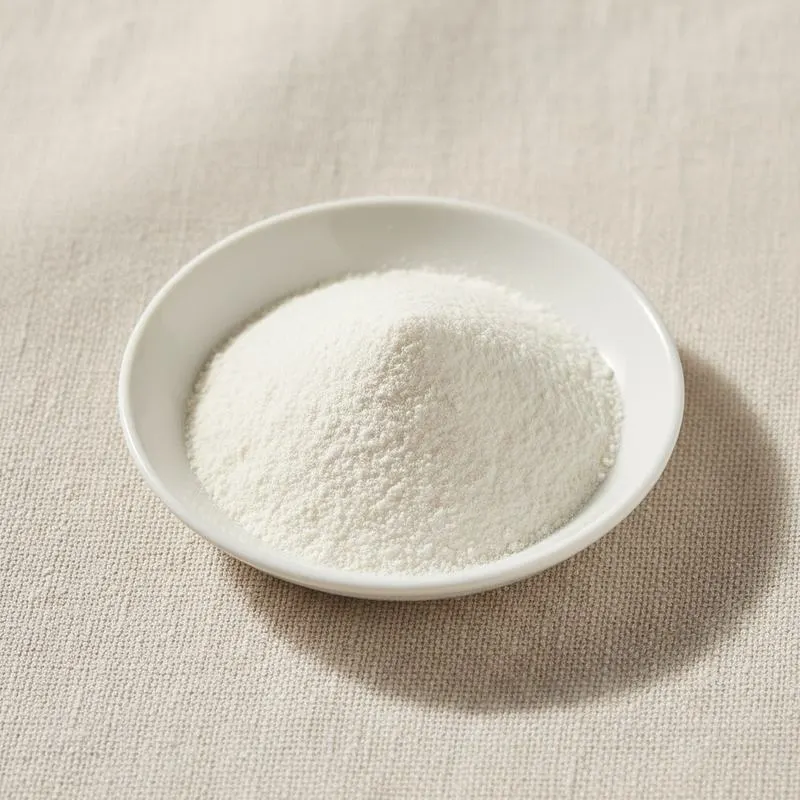
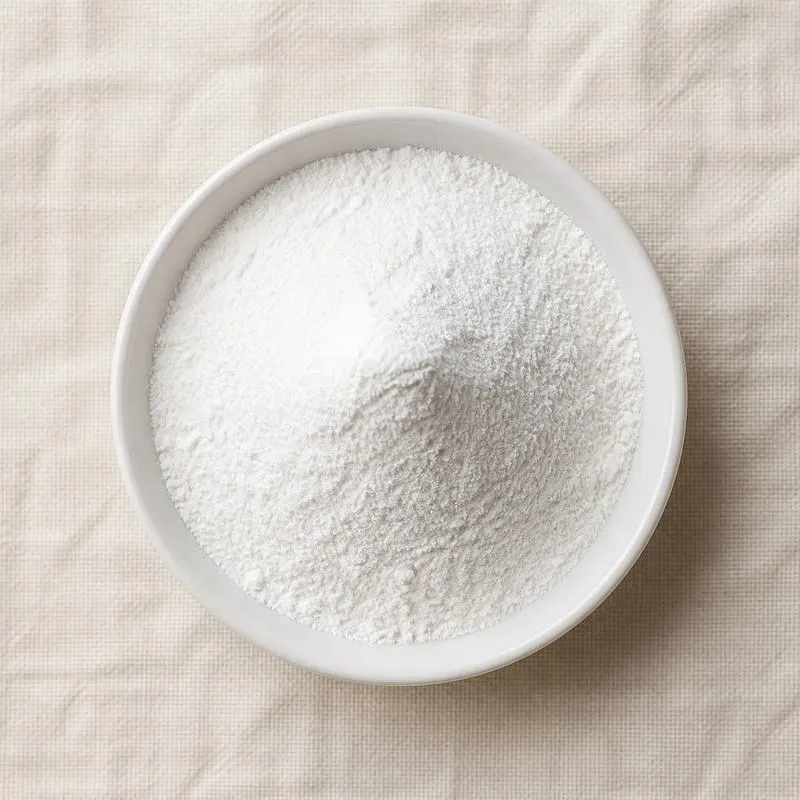
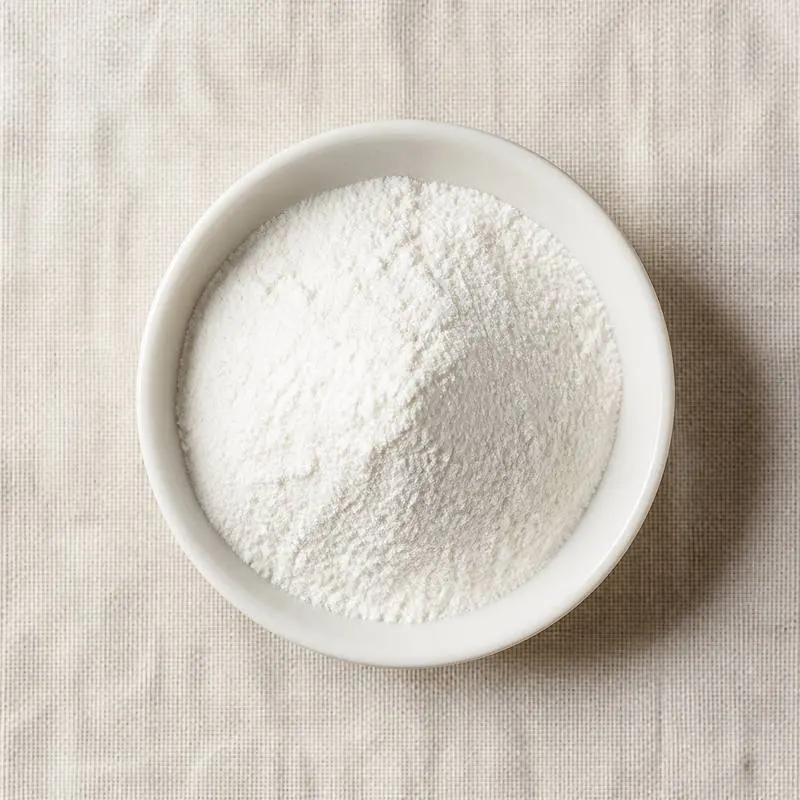
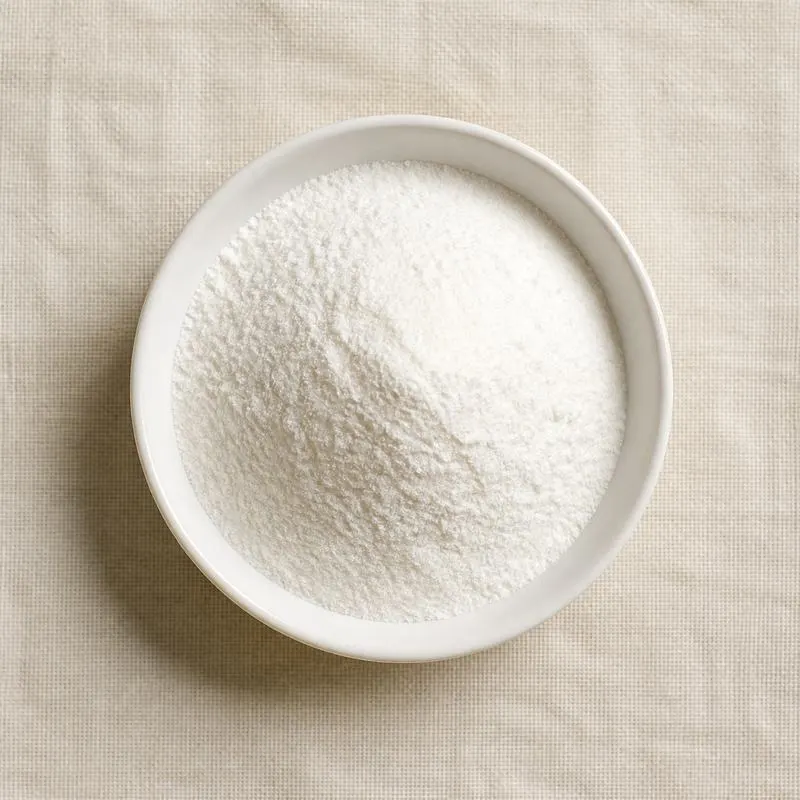
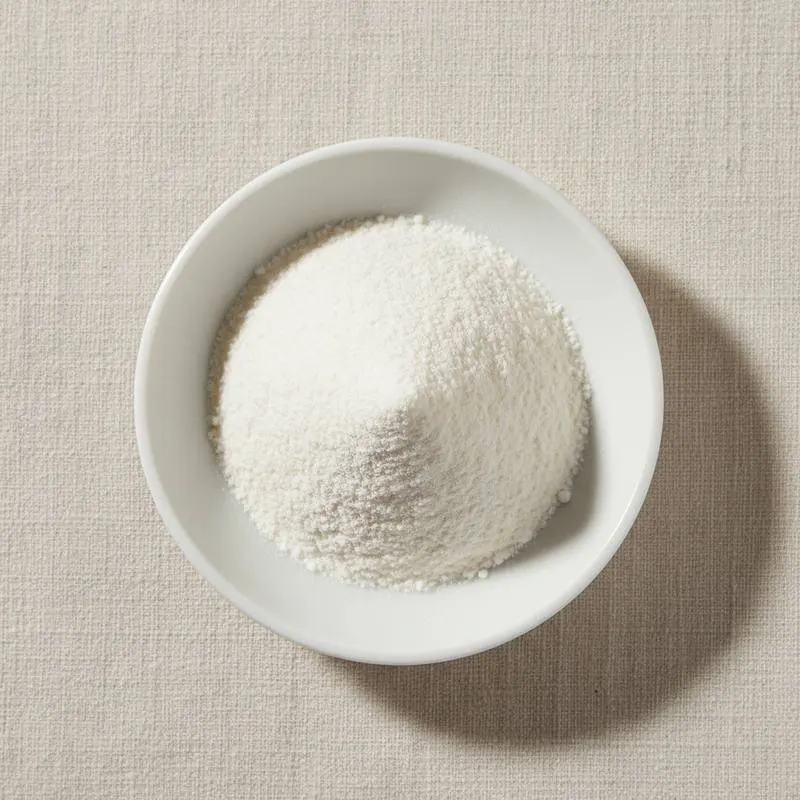
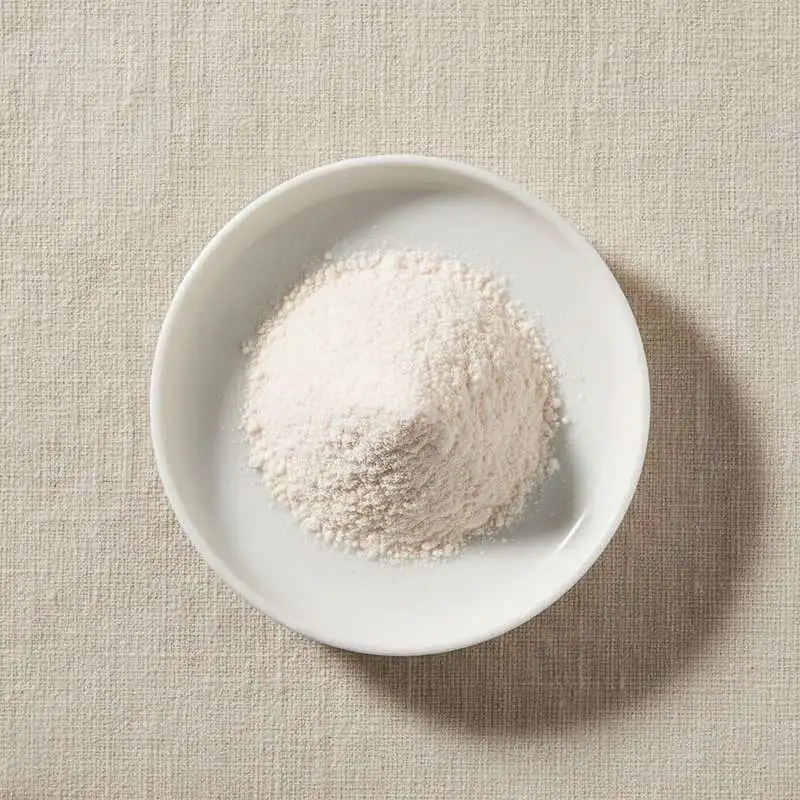
Commercial xylanase is produced from Trichoderma, Aspergillus, Bacillus and Humicola strains and comes as a cream to light brown powder standardised with a carrier, as coated granulate for feed pelleting, and as liquid concentrate. It works between about pH 4 and pH 7 depending on source, with fungal grades favouring the acid end, and is inactivated during baking, pasteurisation or the heat step of the process it serves.
We source bulk Xylanase from top China manufacturers for our partners. The manufacturer is in Guangdong. A smaller requirement can ship in a combined container with other ingredients.
Please send the grade you need, the volume and your destination port, and we will come back with a solution and a price.
or call +86-21-6858 0751
Specifications
| Item | Specification |
|---|---|
| Appearance | Cream to light brown free-flowing powder |
| Declared Activity | Standardised to label claim on birchwood or wheat xylan substrate |
| Identification | Release of reducing sugars from xylan confirmed by assay |
| Optimum pH | 4.0 to 6.0 for fungal grade |
| Background Cellulase Activity | ≤ 1% of stated activity for bakery grade |
| Loss on Drying | ≤ 8.0% |
| Residue on Ignition | ≤ 12.0% |
| Heavy Metals (as Pb) | ≤ 30 mg/kg |
| Lead | ≤ 5 mg/kg |
| Arsenic | ≤ 3 mg/kg |
| Mycotoxins | Not detected at method limit |
| Total Plate Count | ≤ 50,000 cfu/g |
| E. coli | Absent in 25 g |
| Salmonella | Absent in 25 g |
Common Markets Grades
Grades are separated by source organism and by substrate selectivity. Fungal xylanases from Trichoderma and Aspergillus work in the acid range and dominate bakery and juice applications, while bacterial xylanases from Bacillus work nearer neutral pH and suit feed and pulp processing. Selectivity between water-extractable and water-unextractable arabinoxylan is the property that distinguishes bakery grades, since it determines how much water is released to the dough.
Activity is declared in the producer's own xylanase units against a stated xylan substrate, pH and temperature. Physical forms are spray dried powder standardised on wheat starch or maltodextrin for bakery premix, coated granulate rated for pelleting temperature in feed mills, and stabilised liquid concentrate for in-line dosing. Blended products combining xylanase with amylase, lipase, glucose oxidase or beta-glucanase are traded as bakery improver bases and as feed enzyme complexes.
Applications
- Bread and bun production, releasing bound water to the gluten network for better dough machinability, loaf volume and crumb structure
- Frozen and refrigerated dough, improving tolerance to extended proofing and freeze thaw cycles
- Biscuit, cracker and wafer dough, reducing water demand and improving sheeting behaviour
- Poultry and swine feed based on wheat, barley and rye, cutting digesta viscosity and improving nutrient absorption
- Brewing, degrading arabinoxylan in the mash to speed lautering and beer filtration
- Distilling and fuel ethanol, lowering mash viscosity in wheat and rye based fermentations
- Xylo-oligosaccharide manufacture, producing prebiotic oligosaccharides from corn cob and other xylan-rich feedstock
- Fruit and vegetable juice processing, working with pectinase to raise press yield and clarify juice
- Wheat starch and gluten separation, improving separation efficiency by reducing pentosan viscosity
- Pulp bleaching, where technical grades reduce the chemical demand of the bleaching sequence
Brands Using Xylanase
Widely-distributed consumer products that list Xylanase on the ingredient label.
Brand names, product names and logos are the property of their owners. They appear here as published evidence that the ingredient is used, taken from the brand's own label or website. Their appearance is not an endorsement, and it does not mean the brand buys from us or from any manufacturer listed on this site.
China Manufacturers of Xylanase
Top Xylanase manufacturers in China.
Company names and logos are the property of the manufacturers themselves. They are listed here because our own directory records them as producing this ingredient. A listing is not an endorsement by them, and we do not represent them or speak on their behalf.
Regulatory Status
In the United States xylanase preparations used in food rely on generally recognised as safe determinations, with GRAS notices filed with the Food and Drug Administration covering the specific enzyme and production organism, and 21 CFR 173.120 also lists carbohydrase preparations from Aspergillus niger as secondary direct food additives. In bakery the enzyme is inactivated during baking and performs no function in the finished loaf, so it is handled as a processing aid and is generally not declared in the ingredient statement. Xylanase for animal feed is regulated as an animal food ingredient, most often through ingredient definitions published by the Association of American Feed Control Officials.
In the European Union food-use xylanase is a food enzyme under Regulation (EC) No 1332/2008, with dossiers assessed by the European Food Safety Authority ahead of entry onto the Union list, and no E number applies. Feed-use xylanase is instead authorised individually as a zootechnical feed additive under Regulation (EC) No 1831/2003, with each authorisation naming the enzyme, the production strain, the target species and the conditions of use. The Joint FAO/WHO Expert Committee on Food Additives publishes general specifications for enzyme preparations used in food processing, which underpin the purity limits shown on commercial certificates.
Manufacturing Process
Xylanase is produced by submerged fermentation of a food grade fungal or bacterial strain, with Trichoderma and Aspergillus species used for the acid enzymes and Bacillus species for the neutral ones. A working cell bank is grown through seed stages into a stirred aerated fermenter charged with a carbon source that often includes a xylan-rich material such as wheat bran or corn cob as an inducer, an organic nitrogen source, and mineral salts. The run is held under controlled temperature, pH, dissolved oxygen and feed rate for two to four days while the organism secretes the enzyme.
Recovery removes biomass by flocculation and rotary vacuum filtration or microfiltration, then concentrates and desalts the clarified filtrate by ultrafiltration. Where a low cellulase background is required, as in bakery grades, a chromatographic or selective precipitation step separates the wanted activity, since cellulase action on the dough is undesirable. The concentrate is polished by fine filtration and then formulated: stabilised as a liquid, blended with carrier and spray dried as a powder, or granulated and film coated for feed pelleting stability. Every lot is assayed and standardised to the declared activity before sieving and packing.