Yak Bone Collagen Peptide
Yak bone collagen peptide is a low molecular weight hydrolysate of the type I collagen recovered from the bones of the domestic yak, Bos grunniens, an animal raised on the Qinghai Tibetan plateau. It is a bovine collagen peptide by composition, distinguished in trade by the species and the high altitude, extensive grazing origin of the raw material rather than by any difference in the protein itself.
Bone collagen is the organic phase of the bone matrix, roughly 20 percent of its mass, held within a mineral lattice of hydroxyapatite. Recovering it therefore requires the mineral to be dissolved away before the protein can be extracted, which is the step that separates bone collagen manufacture from hide or skin collagen. The extracted collagen is gelatinised and then cut by proteases into peptides with an average molecular weight generally between 500 and 3000 daltons, characterised by the repeating glycine, proline and hydroxyproline motif of the triple helix.
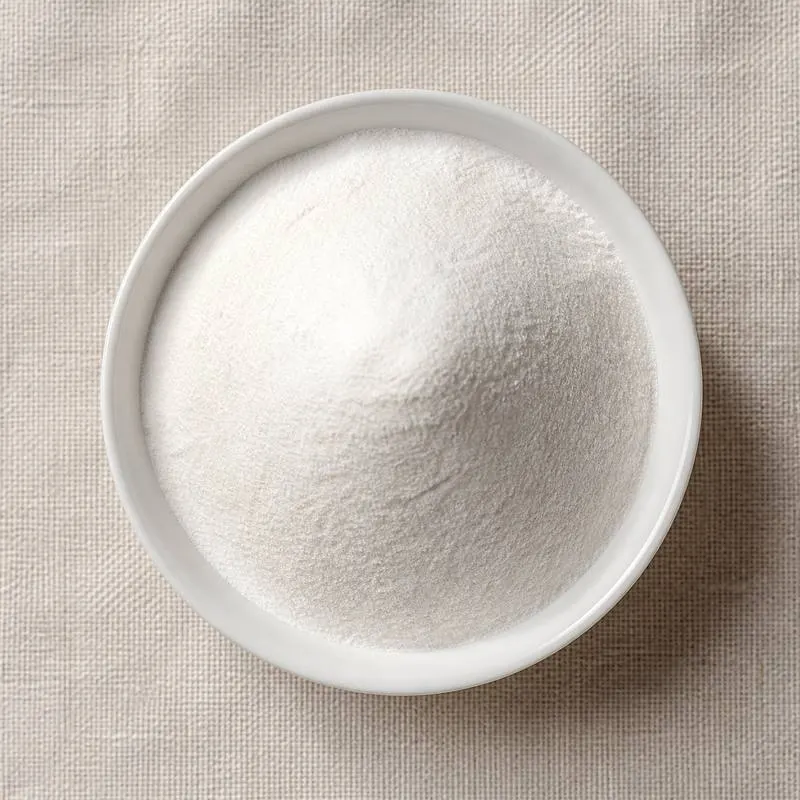
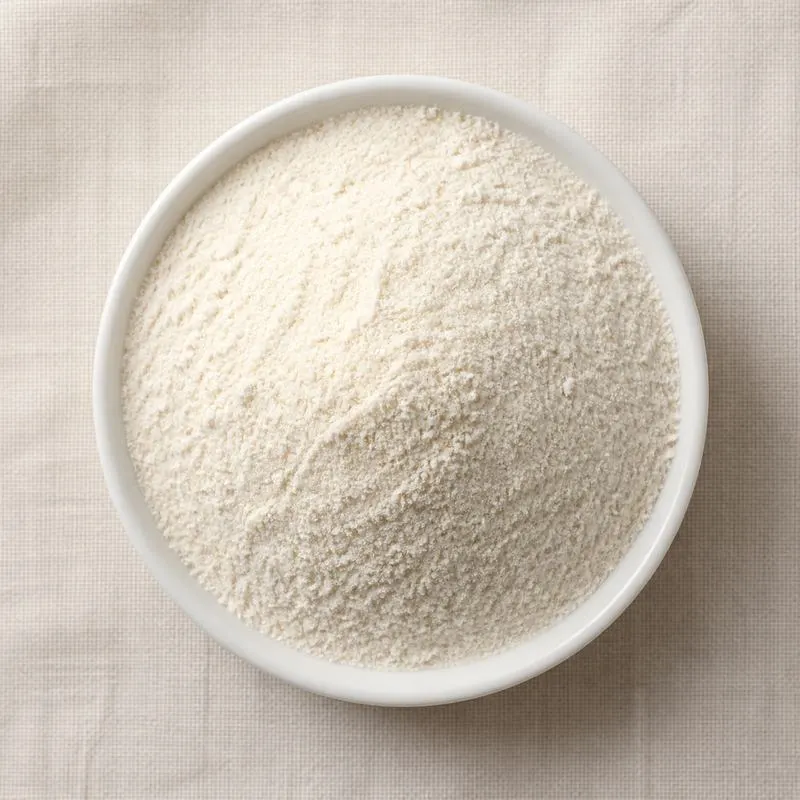
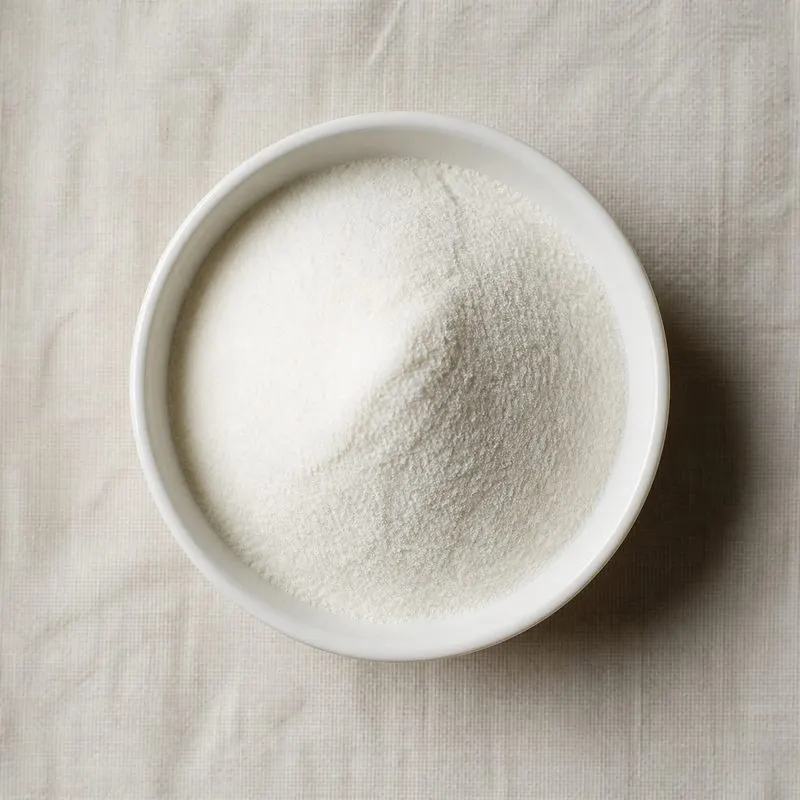
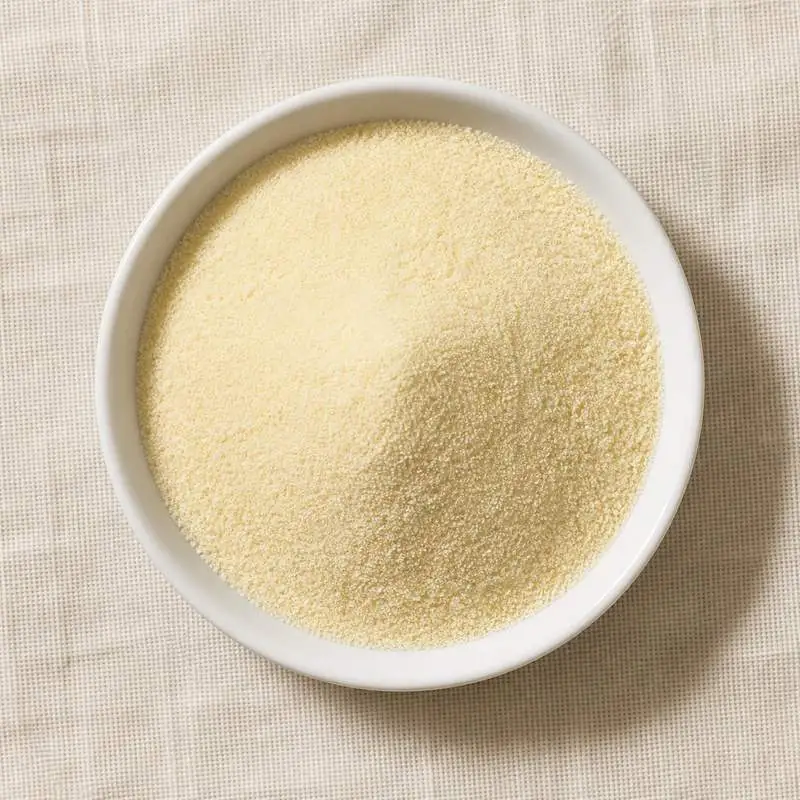
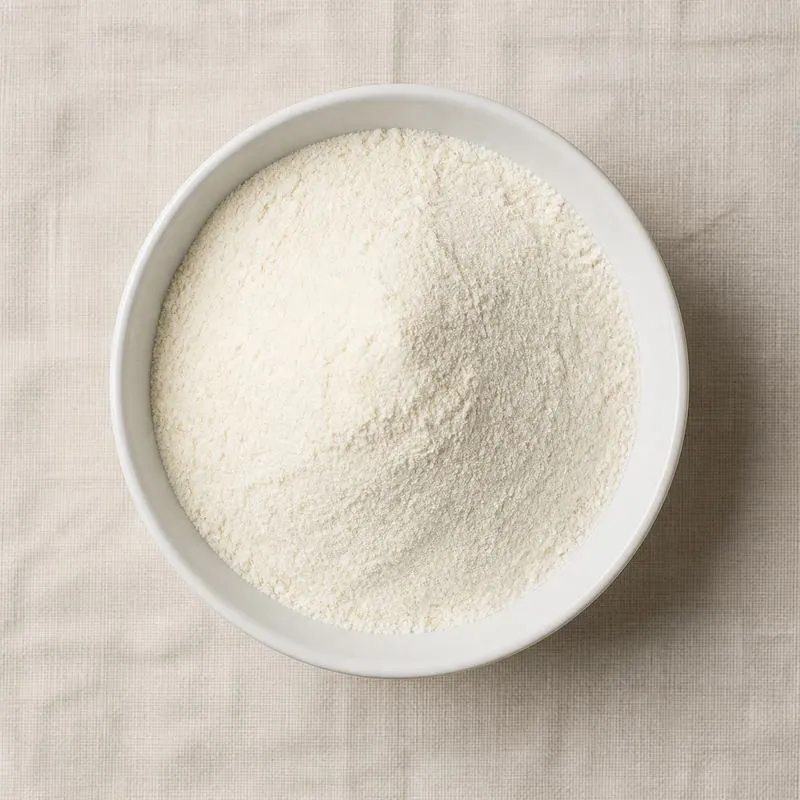
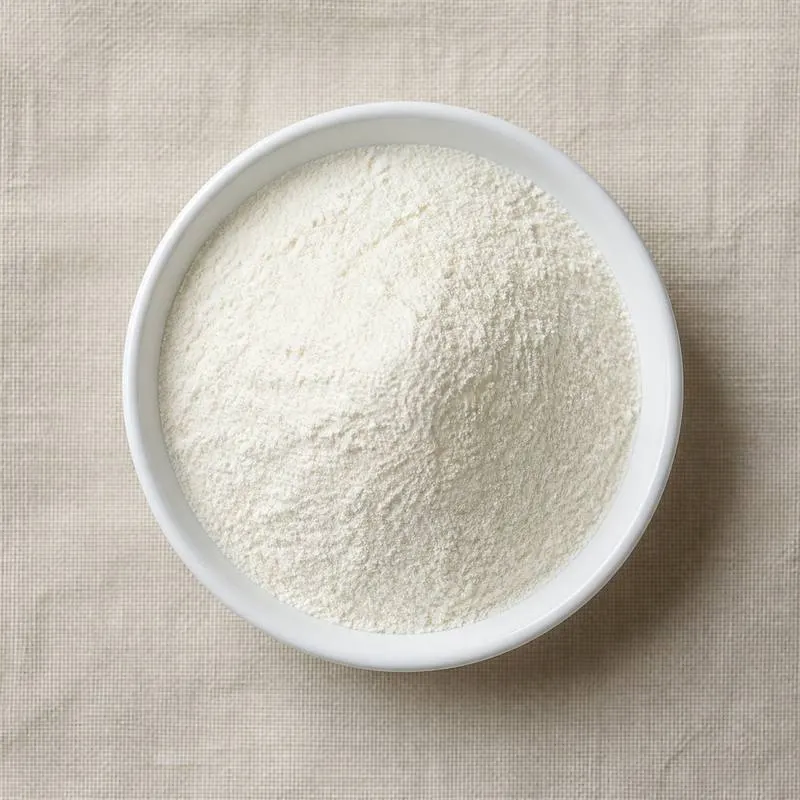
The product is an off-white to pale cream powder with a faint characteristic odour. It dissolves in cold and hot water at concentrations well above 20 percent, gives a clear low viscosity solution and does not gel on cooling, which is the practical difference from gelatine. It is stable through pasteurisation and retort processing and across the pH range used in beverages.
We source bulk Yak Bone Collagen Peptide from top China manufacturers for our partners. The manufacturer is in Shanxi. A smaller requirement can ship in a combined container with other ingredients.
Please send the grade you need, the volume and your destination port, and we will come back with a solution and a price.
or call +86-21-6858 0751
- Function
- Protein
Specifications
| Item | Specification |
|---|---|
| Appearance | Off-white to pale cream powder |
| Odour and Taste | Slight characteristic, free from putrid or burnt notes |
| Protein (dry basis) | ≥ 90.0% |
| Hydroxyproline | ≥ 8.0% |
| Average Molecular Weight | ≤ 3000 Da |
| Identification | Conforms by amino acid profile and species PCR |
| Loss on Drying | ≤ 7.0% |
| Ash | ≤ 3.0% |
| pH (1% solution) | 5.0 to 7.0 |
| Transmittance (1% solution, 450 nm) | ≥ 90% |
| Heavy Metals (as Pb) | ≤ 10 mg/kg |
| Lead | ≤ 0.5 mg/kg |
| Arsenic | ≤ 0.5 mg/kg |
| Chromium | ≤ 2.0 mg/kg |
| Total Plate Count | ≤ 1,000 cfu/g |
| Yeast and Mould | ≤ 50 cfu/g |
| Escherichia coli | Negative in 1 g |
| Salmonella | Negative in 25 g |
Common Markets Grades
Food and supplement grade is the main line, specified at 90 percent minimum protein on a dry basis with hydroxyproline stated as the collagen identity check. Molecular weight is the principal differentiator: a standard grade averaging 2000 to 3000 daltons for powders and capsules, and a low molecular weight grade cut to 500 to 1000 daltons for clear drinks and cosmetic use, where solution clarity and rapid dissolution decide the choice.
Beyond molecular weight, buyers choose between a standard spray dried powder sieved to 60 or 80 mesh, an instantised granular version for stick packs, and a deodorised grade given additional carbon and ion exchange treatment for near neutral taste. Bone derived material carries a calcium and phosphorus residue from the mineral phase, so ash content is a specification that matters more here than for hide derived peptide. Species and geographic origin are declared on the certificate, since the yak claim is the commercial point of the product.
Applications
- Collagen drinks and shots, where the peptide dissolves clear at high load without adding viscosity
- Powder sachets and stick packs taken as a daily supplement, using the instantised grade
- Capsules and tablets, blended with vitamin C, calcium and hyaluronic acid in bone and joint formulations
- Bone health supplements, where the residual calcium and phosphorus from the bone matrix are part of the positioning
- Jelly sticks and gummies, raising protein content while gelatine or pectin does the setting
- Nutrition bars and biscuits, as a protein source that does not harden the matrix over shelf life
- Sports recovery blends, valued for the glycine and proline load
- Skin care serums and lotions, using the low molecular weight fraction as a humectant and film former
- Medical and convalescent nutrition, as a readily absorbed protein fraction
China Manufacturers of Yak Bone Collagen Peptide
Top Yak Bone Collagen Peptide manufacturers in China.
Company names and logos are the property of the manufacturers themselves. They are listed here because our own directory records them as producing this ingredient. A listing is not an endorsement by them, and we do not represent them or speak on their behalf.
Regulatory Status
In the United States, collagen peptides from bovine bone are used as food ingredients under GRAS conclusions and, where sold as supplements, under the dietary supplement framework. The raw material must originate from animals slaughtered under inspection, and enzymes used in hydrolysis must be cleared for food processing. Bovine derived material is subject to the FDA restrictions on prohibited cattle materials, which exclude specified risk tissues from human food and set conditions on the sourcing of bovine raw material.
In the European Union, collagen and gelatine intended for human consumption are products of animal origin covered by the specific hygiene rules, which set requirements on the raw material, its traceability and the approval of the processing establishment, and which lay down the treatment that bone must receive. Bovine bone is additionally controlled under the transmissible spongiform encephalopathy regulation, which defines specified risk material and the conditions under which bone may be used for gelatine and collagen production. Hydrolysed collagen is a food ingredient rather than an additive, so no E number applies. Codex has issued no standard specific to hydrolysed collagen.
Manufacturing Process
Yak bone from inspected slaughter is degreased, crushed and washed to remove marrow, fat and adhering tissue, then demineralised in dilute hydrochloric acid. The acid dissolves the hydroxyapatite and leaves a flexible collagen matrix known as ossein, and the spent acid liquor carrying the calcium is worked up separately as a phosphate co-product. The ossein is washed thoroughly to neutral pH, then given an alkaline or acid conditioning step that removes residual non collagenous protein and opens the fibre structure.
Conditioned ossein is extracted in hot water in successive batches at rising temperature, which converts the triple helix into soluble gelatine. The gelatine liquor is filtered, then cooled to the working temperature of a food grade protease and hydrolysed under pH control until the target molecular weight distribution is reached. The enzyme is inactivated by heating, the liquor is decolourised on activated carbon and demineralised by ion exchange, and ultrafiltration sets the final cut-off. The permeate is concentrated under vacuum, sterilised and spray dried, and the powder is sieved, blended and packed.