Yeast Extract Corn Fermented Sauce
Yeast extract corn fermented sauce is a compounded savoury seasoning in which yeast extract and a maize based fermented sauce are combined into a single ingredient. The two are put together because they carry different halves of the savoury taste: the fermented corn sauce contributes free glutamic acid and the fermented aroma of a koji and brine process, while the yeast extract contributes the 5 ribonucleotides, inosinate and guanylate, together with peptides and sulphur compounds. Glutamate and the ribonucleotides act synergistically on the same taste receptor, so a mixture of the two tastes considerably more savoury than the sum of the parts, and a formulator using the blend needs less of each.
Both components are fermentation products and both are declared as food ingredients rather than as additives, which is the commercial reason the blend exists: it delivers the intensity of an added glutamate and ribonucleotide system while keeping the ingredient list to fermented items. Neither component involves soy or wheat when the sauce is made on maize, so the blend also serves as a soy free and gluten free savoury base.
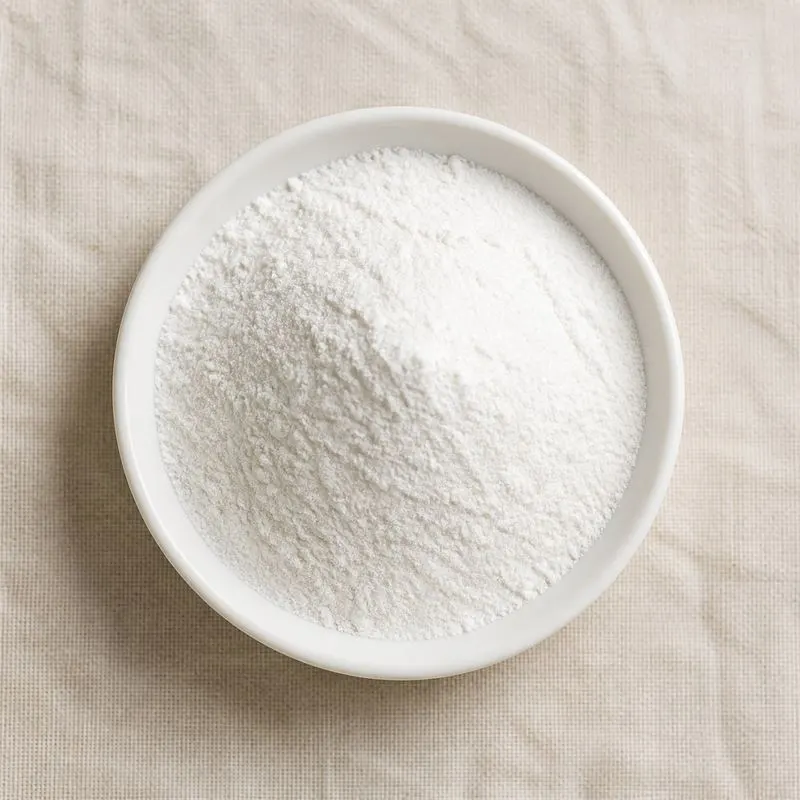
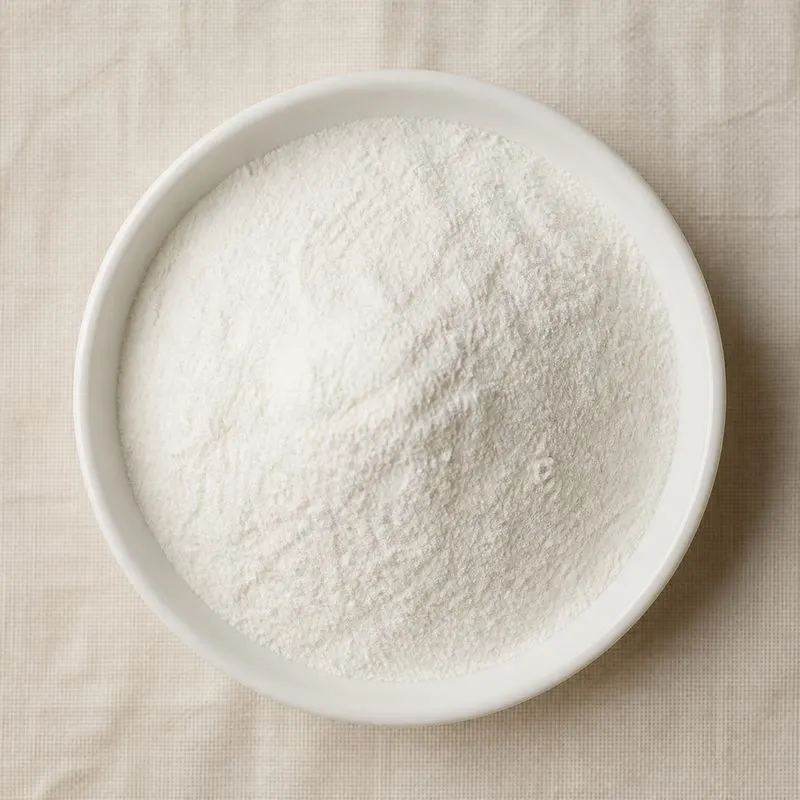
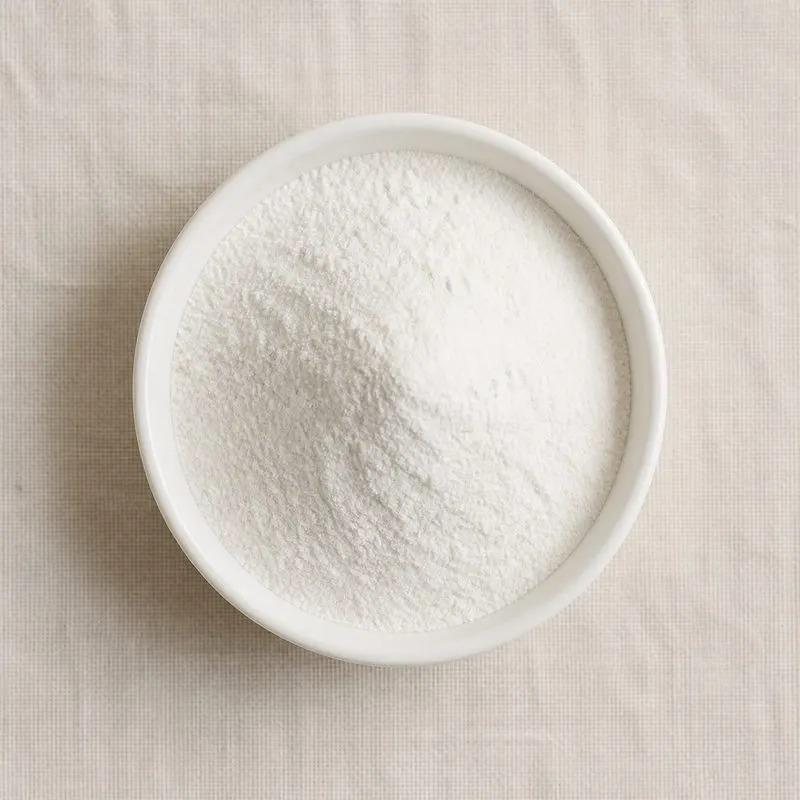
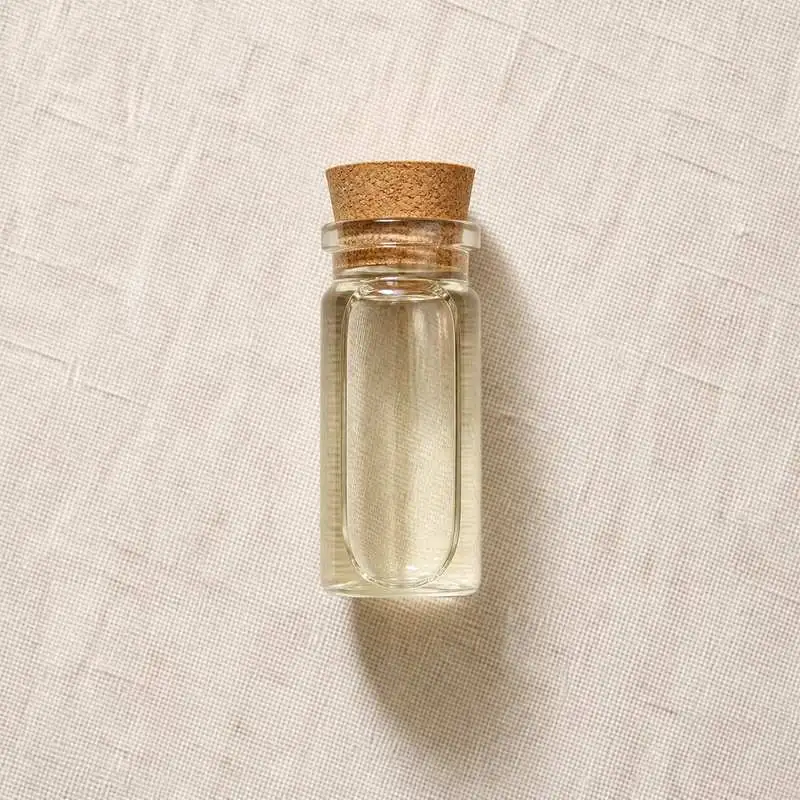
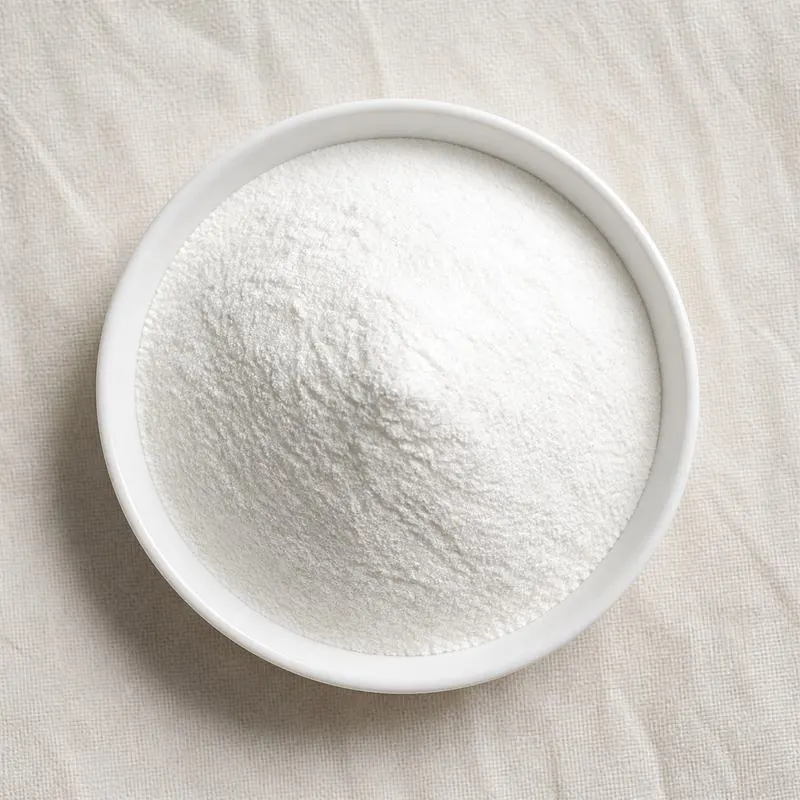
The material is traded as a dark amber to brown liquid or paste, or as a light brown spray dried powder, both fully dispersible in water and stable through cooking, retorting and extrusion. Salt content is high in the liquid forms, since salt carries over from the sauce fermentation and contributes to stability, and reduced salt versions are made by using a desalted sauce fraction.
We source bulk Yeast Extract Corn Fermented Sauce from top China manufacturers for our partners. The manufacturer is in Ningxia. A smaller requirement can ship in a combined container with other ingredients.
Please send the grade you need, the volume and your destination port, and we will come back with a solution and a price.
or call +86-21-6858 0751
- Function
- Probiotic
Specifications
| Item | Specification |
|---|---|
| Appearance | Dark amber to brown liquid or light brown powder |
| Odour and Taste | Characteristic fermented savoury, free from burnt notes |
| Free Glutamic Acid | Not less than 8.0 percent on dry basis |
| Total 5 Ribonucleotides | Not less than 3.0 percent on dry basis |
| Amino Acid Nitrogen | Not less than 2.0 percent on dry basis |
| Total Nitrogen | Not less than 6.0 percent on dry basis |
| Sodium Chloride | Not more than 40.0 percent on dry basis |
| Loss on Drying (powder) | Not more than 6.0 percent |
| pH of 10 percent Solution | 4.5 to 6.0 |
| Lead | Not more than 1 mg/kg |
| Arsenic | Not more than 1 mg/kg |
| Total Plate Count | Not more than 10000 cfu/g |
| Yeast and Mould | Not more than 100 cfu/g |
| Escherichia coli | Absent in 10 g |
| Salmonella | Absent in 25 g |
Common Markets Grades
The ratio of the two components is the first grade axis and is set by the intended effect. Sauce dominant blends are aromatic and are chosen where fermented character is wanted as well as savoury intensity. Yeast extract dominant blends are chosen where the object is taste enhancement with as little aroma contribution as possible, and are specified on ribonucleotide content, which is the property that distinguishes a high potency yeast extract from an ordinary one. Blends may also carry a kokumi positioned yeast extract fraction rich in glutathione and gamma glutamyl peptides, which adds mouthfeel and continuity rather than intensity.
Physical form is the second axis, with liquid, paste and spray dried powder all traded; the powder is standardised on carrier content as well as on the active fraction. Salt level is the third: full salt grades rely on salt for microbiological stability, while reduced salt grades require pasteurisation and a controlled water activity. Buyers specify glutamic acid, total ribonucleotides, amino acid nitrogen, salt and colour, since the colour it adds to the finished food is often as limiting as taste.
Applications
- Soup, stock and bouillon bases, where the blend supplies the savoury backbone in a single addition
- Snack seasonings and coatings, where the powder form delivers intensity at low addition rates
- Instant noodle seasoning sachets, where both aroma and taste enhancement are required from one ingredient
- Sauces, gravies and marinades, where the fermented notes round out a formulation built on vegetables and spice
- Meat and poultry products, where it deepens savoury character and allows a reduction in added salt
- Plant based meat and dairy analogues, where the protein base tastes flat without a fermented savoury contribution
- Reduced sodium reformulation, where savoury intensity compensates for the salt that has been removed
- Ready meals and retorted products, where the flavour holds through severe thermal processing
- Clean label projects replacing declared monosodium glutamate and ribonucleotide additives with fermented ingredients
- Seasoning bases for vegetarian and vegan products, where no meat derived savoury ingredient may be used
China Manufacturers of Yeast Extract Corn Fermented Sauce
Top Yeast Extract Corn Fermented Sauce manufacturers in China.

Company names and logos are the property of the manufacturers themselves. They are listed here because our own directory records them as producing this ingredient. A listing is not an endorsement by them, and we do not represent them or speak on their behalf.
Regulatory Status
In the United States both components are conventional food ingredients rather than additives, and the blend is declared in the ingredient statement by names that describe it accurately, such as yeast extract and fermented corn sauce. Because both carry naturally occurring glutamate, the Food and Drug Administration position on glutamate labelling applies directly: such ingredients need not be declared as monosodium glutamate, but a food containing them may not carry a statement implying that it is free of glutamate, so claims in that area must be worded with care. Autolysed yeast extract is an established food ingredient with a long history of use, and the sauce component is not acid hydrolysed, so the chloropropanol issue that attaches to acid hydrolysed vegetable protein does not arise.
In the European Union yeast extract and fermented sauces are foods rather than food additives and carry no E number, being placed on the market under general food law. Where they are used for their taste they fall within the category of food ingredients with flavouring properties under the flavourings regulation, which does not require an authorisation list, and they are declared by their own names in the ingredient list. Maize does not require allergen declaration, so a blend built on a maize sauce avoids the soy and cereal declarations that a soy sauce based equivalent would carry, though any wheat or soy derived nutrient used in either fermentation would have to be declared. Codex maintains no commodity standard for the blend, and its general standards on hygiene, contaminants and labelling apply.
Manufacturing Process
The two components are manufactured separately. The corn fermented sauce is made by growing Aspergillus oryzae on steamed corn grits and corn gluten meal to produce koji, mixing the koji with brine and fermenting the mash for weeks to months while proteases release peptides and free glutamic acid, then pressing, pasteurising and clarifying the liquid. The yeast extract is made from Saccharomyces cerevisiae biomass, either primary grown or recovered from brewing, which is autolysed under controlled temperature and pH so that the cell's own enzymes digest the interior. Added protease is common, and a nuclease and deaminase treatment is used where a high ribonucleotide extract is required, since inosinate and guanylate are produced by enzymatic degradation of the cell's ribonucleic acid. The autolysate is centrifuged to separate the soluble extract from the cell wall, which is recovered as a separate product.
Blending brings the two streams together. The clarified sauce and the yeast extract concentrate are metered to the target ratio in a jacketed mixing vessel, adjusted for salt and soluble solids, and pasteurised. Liquid product is filtered and filled. Paste is produced by vacuum evaporation at a temperature low enough to protect the volatile aroma fraction. Powder is made by blending the concentrate with maltodextrin or a similar carrier and spray drying, then sieving and packing under moisture barrier, since the powder is hygroscopic. Each batch is assayed for glutamic acid, for total 5 ribonucleotides and for amino acid nitrogen, and is checked against a sensory reference, because the balance of the two components is what the customer is buying.