Zinc L-malate
Zinc L-malate is the zinc salt of L-malic acid, an organic acid mineral chelate used as a nutritional zinc source. Each molecule pairs a divalent zinc ion with the dicarboxylate of the naturally occurring L isomer of malic acid, giving a compound that typically assays between 25 and 32 percent zinc depending on the hydration state.
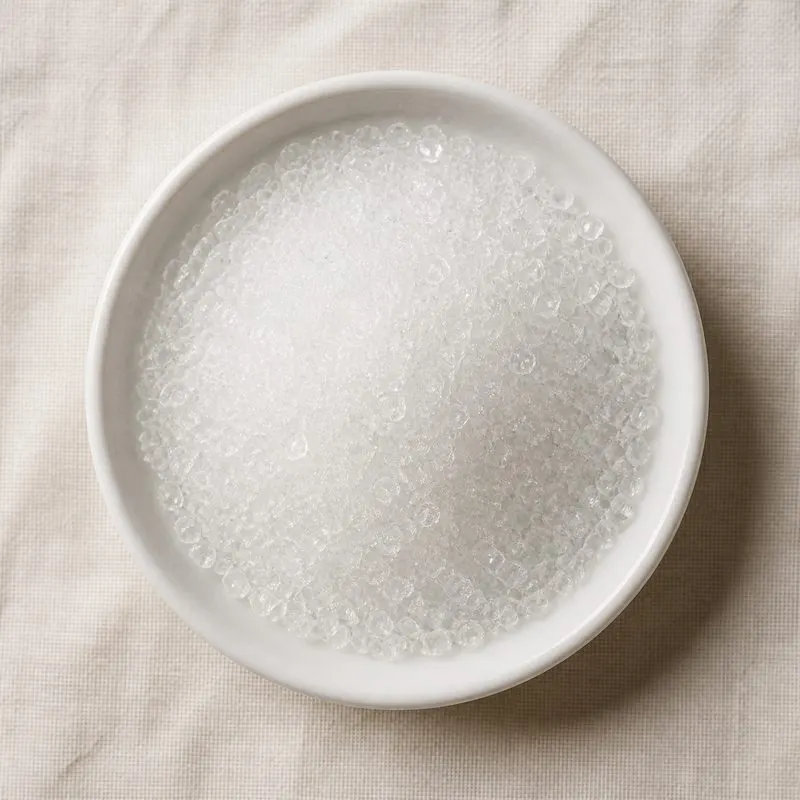
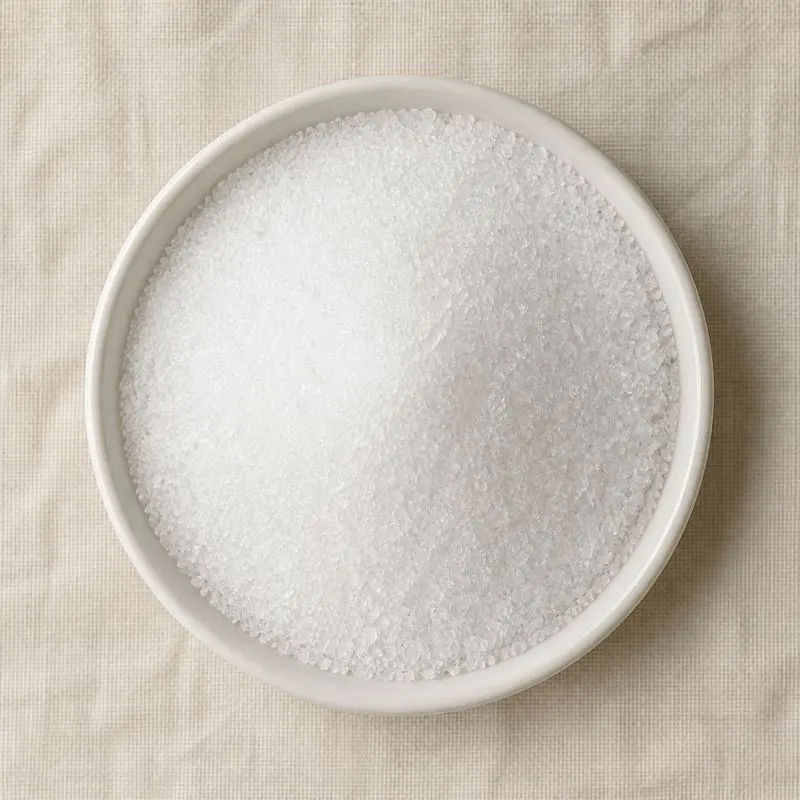
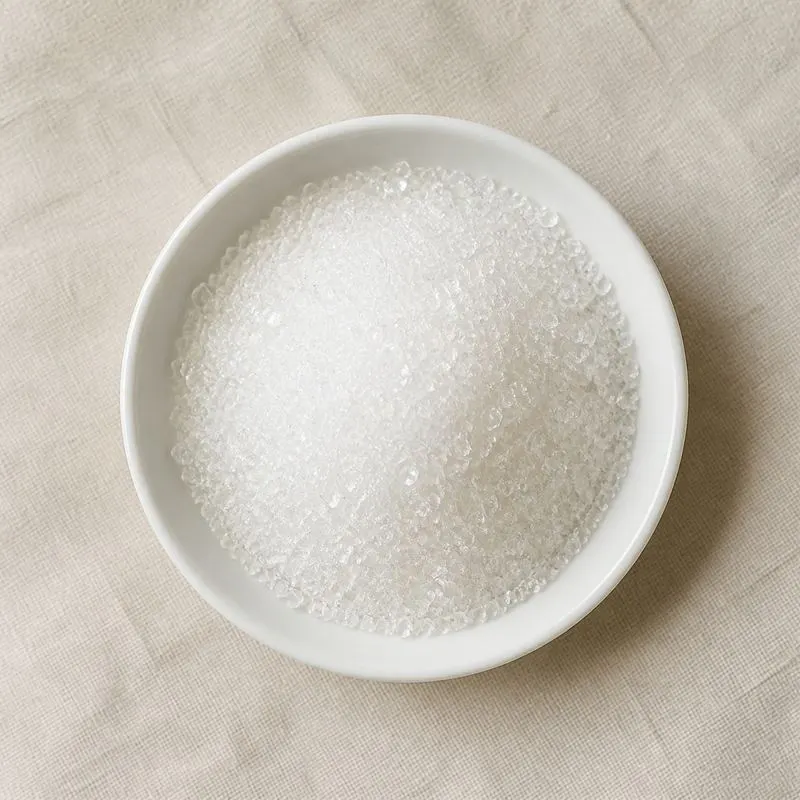
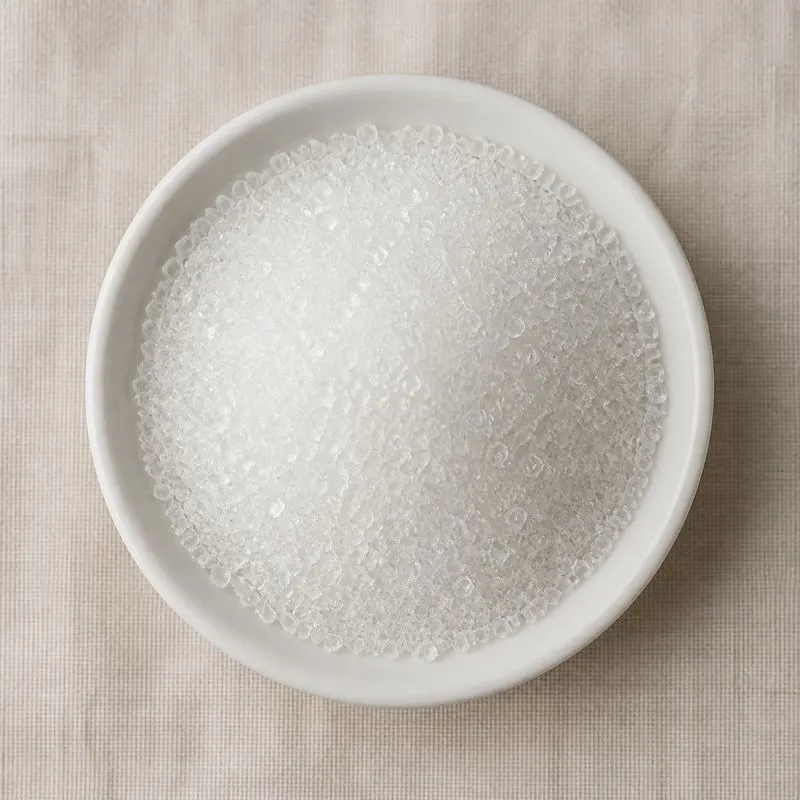
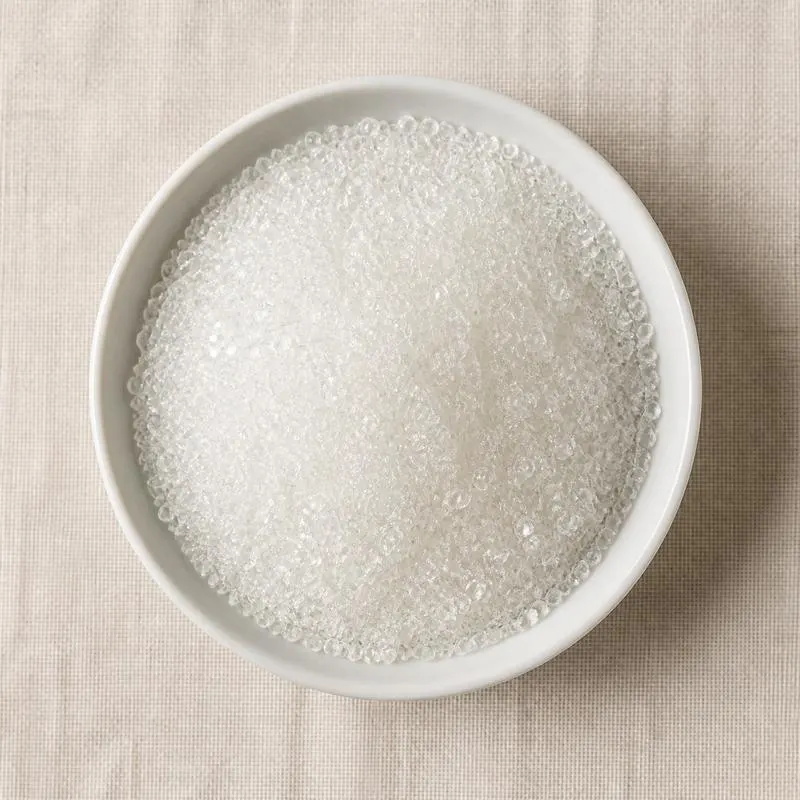
The traded material is a white to slightly off white crystalline powder, odourless, with a faintly astringent metallic taste. It is soluble in water, considerably more so than zinc oxide or zinc carbonate, and practically insoluble in ethanol. Solubility is the reason it is chosen: an organic acid salt dissolves in the acidic environment of the stomach and stays in solution at the higher pH further down the tract, where inorganic zinc salts tend to precipitate as hydroxides or bind to dietary phytate.
The dry solid is stable at ambient temperature and mildly hygroscopic, and it resists the oxidative discolouration that affects some zinc chelates. In solution it is stable across the pH range of most beverages, though at high concentrations the free zinc ion can catalyse the degradation of ascorbic acid, so formulations that combine the two normally separate them or use a coated grade.
We source bulk Zinc L-malate from top China manufacturers for our partners. The manufacturer is in Jiangsu. A smaller requirement can ship in a combined container with other ingredients.
Please send the grade you need, the volume and your destination port, and we will come back with a solution and a price.
or call +86-21-6858 0751
- Function
- Acidulant
Specifications
| Item | Specification |
|---|---|
| Appearance | White to off white crystalline powder |
| Zinc content, dried basis | 25.0 to 32.0 percent, per grade |
| Identification | Positive for zinc and for L-malate |
| Loss on Drying, 105 degrees Celsius | Not more than 5.0 percent |
| pH, 1 percent aqueous suspension | 5.0 to 7.5 |
| Free malic acid | Not more than 1.0 percent |
| Sulphated ash | Per grade, corresponds to declared zinc |
| Cadmium | Not more than 1 mg/kg |
| Lead | Not more than 2 mg/kg |
| Arsenic | Not more than 2 mg/kg |
| Mercury | Not more than 0.1 mg/kg |
| Total Plate Count | Not more than 1000 CFU/g |
| Yeast and Mould | Not more than 100 CFU/g |
| E. coli and Salmonella | Absent in 10 g and in 25 g |
Common Markets Grades
Zinc L-malate is sold principally as a food and supplement grade, specified by zinc content rather than by the assay of the whole molecule, since buyers are formulating to a declared elemental zinc dose. Common declarations sit at 25 percent minimum zinc for the hydrated salt and above 30 percent for a dried grade. A feed grade is also traded to looser heavy metal and microbiological limits for use in mineral premixes.
Physical options are limited to particle size and surface treatment. A standard powder passing 80 mesh is used for tablets and capsules, while a fine milled grade below 40 micrometres is specified where content uniformity at low inclusion rates matters. A granulated or spray dried grade with improved flow is chosen for direct compression, and a coated grade, usually a lipid or hydroxypropyl methylcellulose shell, is available where the metallic taste has to be masked in a chewable or a beverage powder.
Applications
- Zinc tablets and capsules, where the organic acid salt is chosen over zinc oxide for its higher solubility across the gut pH range
- Multivitamin and mineral premixes, supplying declared elemental zinc at a low inclusion rate
- Sports and recovery formulations, often paired with magnesium and vitamin B6
- Effervescent and instant drink powders, where the salt dissolves without leaving the chalky residue that zinc oxide gives
- Chewable tablets and gummies, using a coated grade to keep the metallic note off the palate
- Infant and paediatric nutrition products in markets where the salt is a permitted zinc source
- Medical and clinical nutrition products, including oral rehydration formulations for the management of diarrhoea
- Animal feed and pet food mineral premixes, where organic acid chelates are used in place of inorganic zinc to limit antagonism with dietary phytate and copper
- Fortified functional beverages and dairy drinks, at inclusion rates low enough to stay below the taste threshold
China Manufacturers of Zinc L-malate
Top Zinc L-malate manufacturers in China.

Company names and logos are the property of the manufacturers themselves. They are listed here because our own directory records them as producing this ingredient. A listing is not an endorsement by them, and we do not represent them or speak on their behalf.
Regulatory Status
In the United States zinc salts of organic acids are used in dietary supplements under the framework of the Dietary Supplement Health and Education Act, where zinc is a recognised essential nutrient with an established Daily Value. The Food and Drug Administration lists the zinc sources permitted for addition to conventional foods, and a formulator adding zinc L-malate to a conventional food rather than a supplement needs to confirm the specific salt is covered rather than relying on the status of zinc generally.
In the European Union Annex II to Directive 2002/46/EC sets out the zinc compounds that may be used in food supplements, and Annex II to Regulation (EC) No 1925/2006 lists those permitted for addition to foods. Both lists are closed lists of named salts, so the zinc source on a European specification has to appear by name; buyers verify the listed status of a given zinc salt before formulating for that market. The Joint FAO/WHO Expert Committee on Food Additives has assessed zinc salts as nutrient sources, and Codex advisory lists for nutrient compounds cover zinc in its permitted forms.
Manufacturing Process
Zinc L-malate is made by the direct neutralisation of L-malic acid with a zinc base. The acid, obtained either by the enzymatic hydration of fumaric acid with immobilised fumarase or by fermentation, is dissolved in demineralised water and heated. Zinc oxide, zinc carbonate or zinc hydroxide is added incrementally as a slurry under agitation, so the reaction proceeds under acid excess and the metal base dissolves as it is consumed. Carbonate feedstock releases carbon dioxide, which is vented. Dosing continues until the endpoint pH stabilises, indicating the acid has been consumed.
The hot liquor is held to complete the reaction, then filtered while warm through a polish filter to remove unreacted oxide and insoluble metal impurities. The clarified solution is concentrated under vacuum and the salt is recovered either by cooling crystallisation followed by centrifugation and fluid bed drying, or by spray drying, which gives a more uniform free flowing powder at a slightly higher moisture content. The dried solid is milled, screened to the ordered particle size and packed with a desiccant liner.